
Understanding Cannabis Seed Categories and Genetic Labels
Cannabis seed catalogs use genetic labels to help adult consumers distinguish broad plant categories and inherited characteristics. Terms can describe lineage, flowering traits or the way a seed line was developed, but they should not be treated as guarantees of an identical outcome. Blimburn Seeds offers a large genetics catalog, making it a useful example for […]
Cannabis seed catalogs use genetic labels to help adult consumers distinguish broad plant categories and inherited characteristics. Terms can describe lineage, flowering traits or the way a seed line was developed, but they should not be treated as guarantees of an identical outcome. Blimburn Seeds offers a large genetics catalog, making it a useful example for explaining how seed labels can be read as descriptive information while local law and responsible purchasing remain central.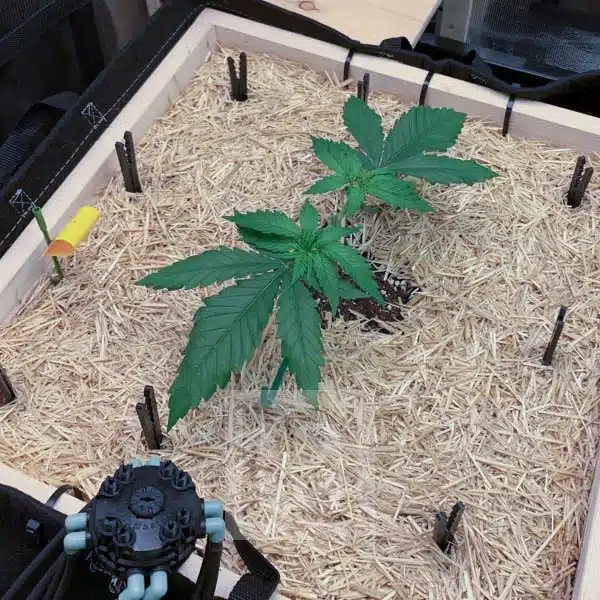
Why genetic labels are descriptive rather than absolute
A seed contains inherited potential, but a living plant can still show variation. Genetic labels help organize a catalog by expected characteristics and breeding background, yet they do not make every seed identical. Environmental conditions, plant health and natural variation can all influence visible traits. That is why a responsible reader treats a product description as a summary of expected tendencies rather than a promise that every plant will look, smell or develop in exactly the same way.
Catalogs from Blimburn Seeds can be read more clearly when lineage information is separated from promotional wording. Parent genetics, broad plant type and stated characteristics can provide context for comparison. The value of the description is highest when it helps an adult understand how one seed line differs from another. It is less useful when a shopper focuses only on dramatic names and ignores the underlying genetic information that explains the category.
How category language helps organize a large catalog
Large seed catalogs can feel overwhelming because many names appear similar while the underlying genetics differ. Category filters can reduce that complexity by grouping products according to broad characteristics. An adult reader can then compare a smaller set of descriptions rather than scanning the entire catalog at once. This is an information task, not a cultivation instruction. The aim is to understand terminology and product classification before any lawful purchase decision is made.
When an adult browses Blimburn Seeds, the useful approach is to compare labels consistently. A genetic family can be noted, then the product description can be checked for lineage and general plant characteristics. Local rules should be reviewed separately because a seed catalog cannot determine whether possession, purchase or cultivation is lawful in a particular location. Legal context remains the buyer’s responsibility regardless of how clearly a variety is described.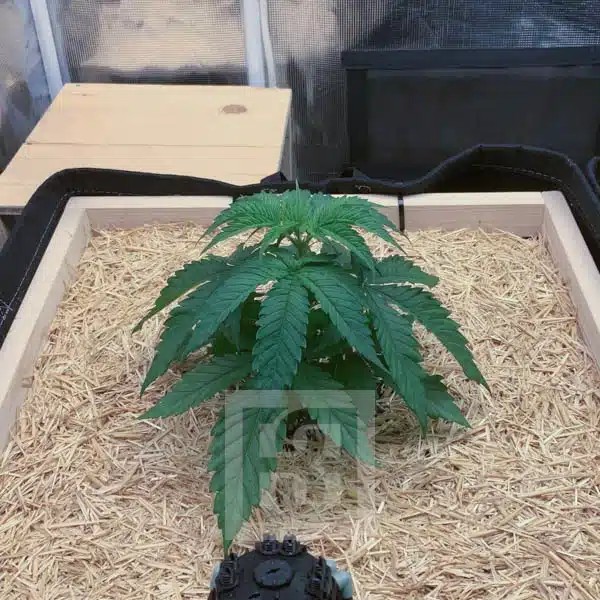
Terms worth separating when reading seed descriptions
An adult reading Blimburn Seeds product pages can avoid confusion by keeping several common types of information separate instead of treating every label as the same kind of claim.
- Lineage describes breeding background and can help explain why two varieties are placed in related genetic families.
- Plant type labels summarize broad inherited tendencies but do not guarantee identical expression in every individual plant.
- Flavor or aroma descriptions are sensory expectations and should not be confused with legal or medical information.
- Availability in a catalog does not determine whether purchase, possession or cultivation is lawful in a particular location.
Reading a catalog with realistic expectations
A careful reader uses genetic descriptions as a comparison tool rather than as a promise. The more specific the expectation, the more important it is to remember that biological variation exists. This perspective also helps prevent product names from carrying too much influence. A memorable name can make a seed line easier to identify, but lineage and clearly described traits provide more useful information for an adult who is simply trying to understand the catalog.
Botanical terminology can also be simplified by separating inherited traits from environmental expression. A catalog may describe a characteristic as common within a line, but the description still refers to a population tendency rather than an identical result. This distinction is useful for any adult reading about plant genetics because it respects the normal variability of living organisms and keeps commercial descriptions from being interpreted too literally.
Responsible browsing also means separating educational interest from legal permission. A person can learn about plant genetics, breeding history and botanical diversity without assuming that every related activity is lawful in every place. This boundary is especially important with cannabis because rules can differ substantially. An adult reader should treat local law as a separate source of authority and the seed catalog as product information only.
Catalog organization can also help readers compare information without moving into cultivation advice. Filters for lineage, seed category or other descriptive traits can narrow a large selection into smaller groups for study. The useful outcome is a clearer understanding of how breeders classify plant genetics and how commercial descriptions communicate expected tendencies. That educational approach keeps the focus on terminology, variation and consumer literacy rather than on techniques intended to increase production or bypass local restrictions.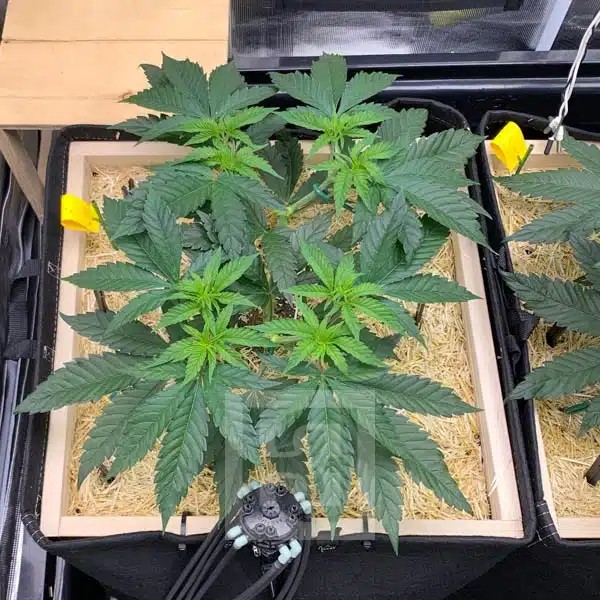
It is also useful to distinguish a breeder description from independent botanical knowledge. A commercial page can summarize a variety in readable language, while general plant science explains why inherited traits still show variation. Keeping both perspectives in mind helps an adult reader avoid treating a catalog entry as a scientific certainty. The result is a more careful understanding of genetics without turning informational comparison into a set of growing instructions.
For adults in places where seed purchase is lawful, Blimburn Seeds can be explored through that information first approach. Genetic categories, lineage notes and product descriptions can support comparison, while legal checks remain separate and essential. This keeps the topic focused on understanding plant genetics and catalog terminology rather than assuming that a label can predict every outcome or override local rules.