
How Product Format Changes the Practical Experience of CBD
Two CBD products can belong to the same broad category while feeling very different in everyday use because their formats are not the same. Bottles, capsules and other packaged forms differ in portability, labeling and routine fit. Binoid CBD offers multiple cannabinoid product types, which makes format a useful starting point for an adult consumer who […]
Two CBD products can belong to the same broad category while feeling very different in everyday use because their formats are not the same. Bottles, capsules and other packaged forms differ in portability, labeling and routine fit. Binoid CBD offers multiple cannabinoid product types, which makes format a useful starting point for an adult consumer who wants to compare products without relying on exaggerated effect claims.
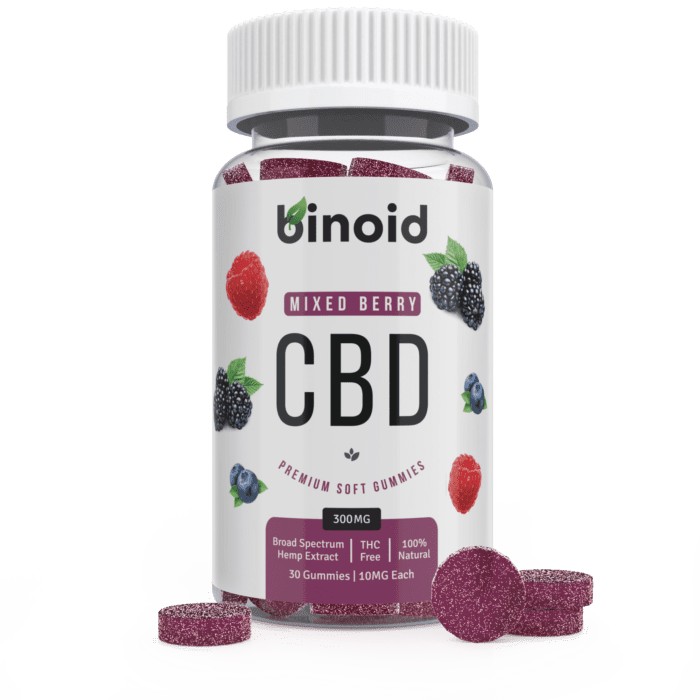
Comparing convenience without confusing it with quality
Convenience is a practical characteristic, not a guarantee of product quality. A compact format may be easier to carry, while a bottle may provide a more familiar wellness presentation. The more important questions concern what the product contains and how clearly that information is communicated. A convenient item with vague labeling is not automatically a better choice than a less portable item with transparent ingredients and accessible testing information.
When Binoid CBD is reviewed from this perspective, the large number of formats becomes easier to navigate. Instead of comparing packaging alone, an adult can separate products by cannabinoid profile, ingredients and intended presentation. This reduces the chance that visually similar products are treated as interchangeable. It also encourages a slower purchasing decision, which is useful in a category where product names can sometimes be more attention grabbing than the details printed on the label.
Why transparency matters across every format
A responsible product comparison looks for consistency between the website description, the package label and available laboratory information. These details can help an adult understand what the product claims to contain and whether additional ingredients are present. The goal is not to interpret a laboratory report as a medical endorsement. It is to use available documentation as part of a basic quality and transparency check before any personal decision is made.
That standard remains important when browsing Binoid CBD because cannabinoid categories can differ in composition and legal treatment. A shopper should not assume that every item described with hemp related language has the same effect profile or the same rules. Reading the complete product page, confirming age requirements and checking local law are practical steps that belong before purchase rather than after the product has already been delivered.
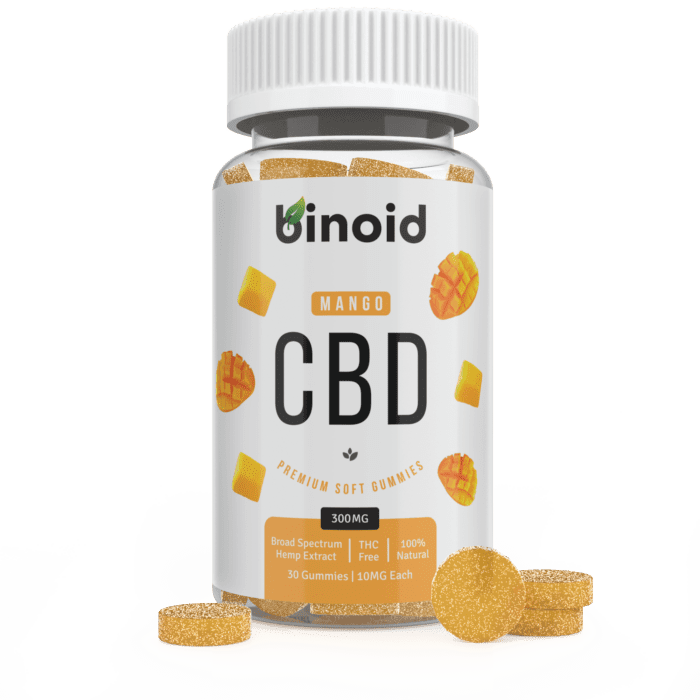
Questions that help compare CBD formats responsibly
An adult comparing products from Binoid CBD can use a few straightforward questions to separate practical format differences from marketing language.
- The label should make the cannabinoid content and other active ingredients understandable without guesswork.
- The chosen format should suit the adult user’s need for storage, portability and clear instructions.
- Testing documentation should be reviewed as product information rather than treated as proof of a health outcome.
- Local rules should be checked because legality can depend on both location and the type of cannabinoid product.
Choosing clarity over novelty
Novel formats can attract attention, but novelty alone does not make a product more suitable. An adult who understands one product well may be better served by keeping the routine simple than by rotating through several categories. This makes it easier to track what has been used and reduces confusion between products with similar packaging. It also keeps purchasing decisions anchored in information rather than in the pressure to try every new format.
Responsible shopping also includes practical storage and access. Cannabinoid products should be kept in their original packaging and stored securely away from children and animals. Clear packaging matters because similar looking oils, gummies or capsules can be confused with ordinary food or supplements. An adult household can reduce that risk by keeping cannabinoid products separate, labeled and inaccessible to anyone for whom they are not intended.
The purchase decision also benefits from restraint. A large catalog can encourage comparison across many products, yet buying several unfamiliar cannabinoid formats at once can make the experience harder to understand. A careful adult can keep the process simple, review one product category at a time and avoid assuming that a higher strength or more novel cannabinoid profile is automatically preferable. Clear information remains more useful than intensity for its own sake.
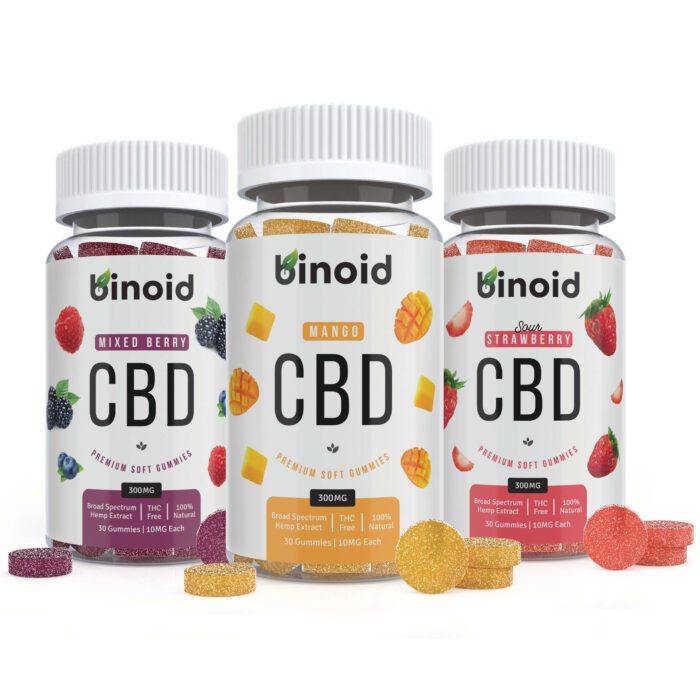
Clear boundaries are especially important in a category that can include intoxicating or strongly psychoactive cannabinoids beside non intoxicating CBD products. An adult should not assume that every item sold by the same retailer has the same effect profile. Driving, workplace responsibilities and other safety sensitive activities require particular caution. A careful product review considers the specific cannabinoid involved, the label and the applicable law before the item is treated as part of an ordinary wellness routine.
For that kind of shopper, Binoid CBD can be treated as a catalog to evaluate carefully rather than a reason to expand a routine automatically. Format should support clarity, not replace it. Ingredient transparency, legal awareness and realistic expectations remain the stronger decision criteria. A simple comparison built on those points gives an adult a more reliable way to navigate CBD products without turning ordinary wellness shopping into a search for dramatic claims.