What Makes Nitecore Such an Interesting Choice for Everyday Carry
Everyday carry is personal. One person might be perfectly happy leaving home with a phone, wallet, and keys. Someone else wants a few carefully chosen tools nearby because they commute early, work late, travel frequently, or simply dislike being caught unprepared. That difference matters when choosing EDC gear. Small size is useful, but only if […]
Everyday carry is personal. One person might be perfectly happy leaving home with a phone, wallet, and keys. Someone else wants a few carefully chosen tools nearby because they commute early, work late, travel frequently, or simply dislike being caught unprepared.
That difference matters when choosing EDC gear. Small size is useful, but only if the item can actually handle the job it was packed for. Nitecore has built much of its range around this balance, particularly with portable lighting, charging equipment, and accessories that make sense outside the house.
Pocket Size Means More Than It Sounds
Anything carried every day eventually becomes noticeable. A flashlight that feels reasonably small at home can suddenly seem enormous once it shares a pocket with keys and a wallet.
That is why a compact EDC flashlight can be more appealing than a larger light with specifications most owners rarely need. It is easier to keep nearby, whether clipped inside a pocket or tucked into the front compartment of a backpack.
Good everyday gear should not require a conscious decision every morning. If carrying it becomes inconvenient, there is a good chance it will eventually stay at home.
Brightness Is Only Part of the Story
Flashlight specifications can turn into a numbers game very quickly. More lumens sound impressive, but everyday usefulness also depends on how comfortably a light operates at lower settings.
Imagine trying to find something beneath an airline seat or checking inside a bag in a dark room. Maximum brightness is hardly necessary. A practical rechargeable flashlight should offer usable lighting for ordinary situations while still having extra output available when the surroundings call for it.
Controls matter too. Nobody wants to wrestle with complicated settings just to illuminate a doorway or locate something dropped beside the car.
Charging Has Become Part of Everyday Carry
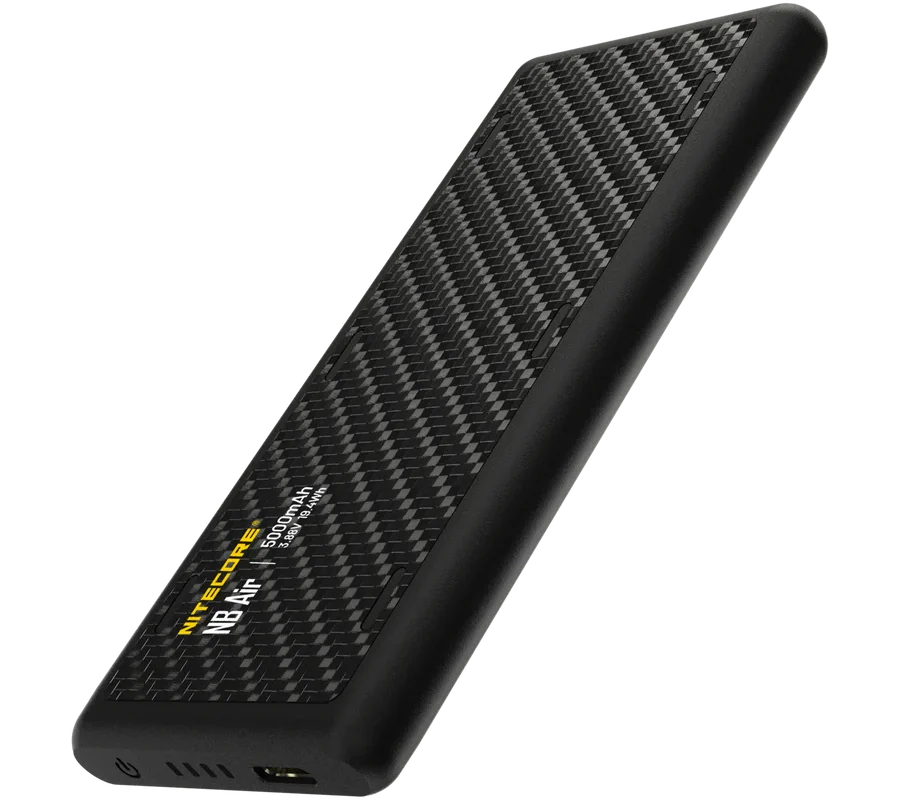
EDC used to revolve largely around physical tools. Phones have changed that. A dead battery can now mean losing access to navigation, train tickets, payment apps, work messages, or travel reservations.
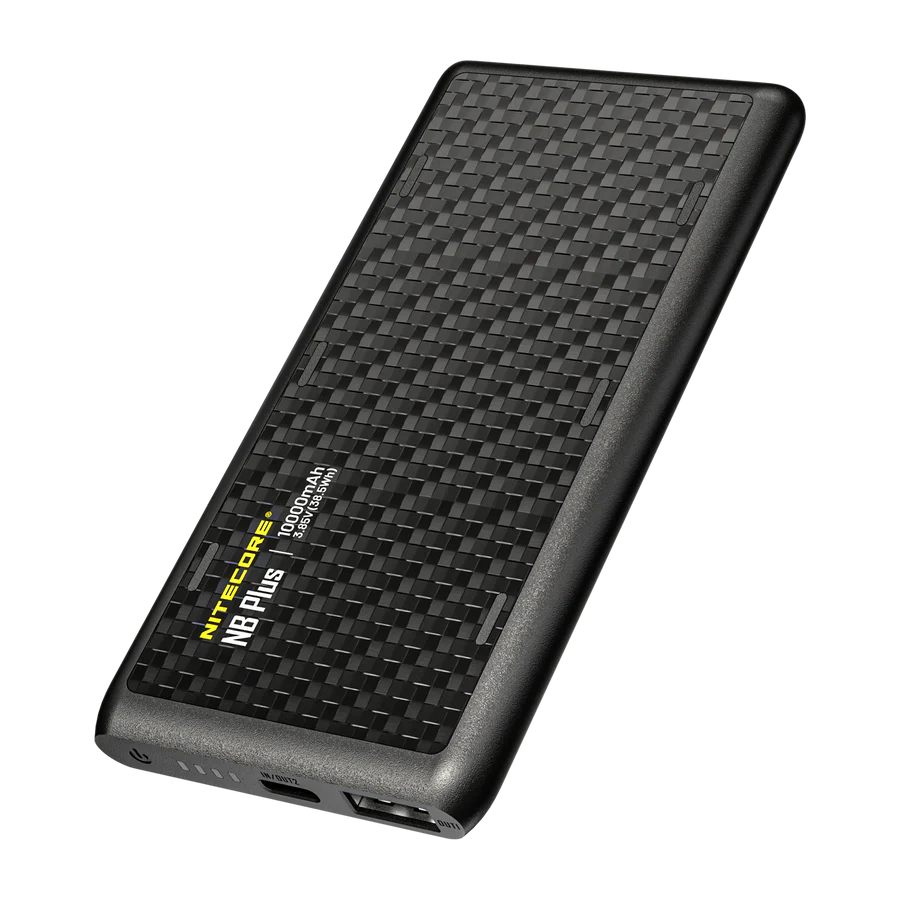
Keeping a portable power bank in a work bag can solve that problem without taking up much room. It is particularly useful on travel days, long commutes, and occasions when finding a free wall socket is unlikely.
There is a nice overlap here between lighting and charging gear. Both are easy to ignore until they are needed, and both become surprisingly valuable once they solve a problem at the right moment.
Some EDC Gear Belongs on Your Head
Not everything useful needs to fit neatly inside a trouser pocket. Headlamps are a good example, especially for people whose everyday routines overlap with running, outdoor work, hiking, or early morning activities.
A running headlamp leaves both hands free and puts the light roughly where you are looking. For evening runners, that is much more natural than carrying a flashlight for several miles.
The same advantage makes a hiking headlamp useful beyond the trail. Working beneath a sink, checking something under a car bonnet, sorting through a dark storage area, or dealing with a power cut all become easier when both hands are available.
Durability Matters Once Gear Leaves the Desk
Everyday carry equipment tends to have a slightly rough life. It gets dropped into bags, knocked against keys, carried through rain, left in cars, and used outdoors.
That makes durability more meaningful than a polished appearance. People buying outdoor lighting are usually looking for equipment that can cope with real use rather than spend its life carefully stored on a shelf.
It also explains why features such as practical controls, sensible charging, manageable weight, and sturdy construction deserve attention alongside headline performance figures.
Why the Range Fits EDC So Well
The interesting thing about Nitecore is how easily its products cross between daily life and occasional adventures. A flashlight can live in a commuter bag all week and go camping on Saturday. A charger bought for travel can become part of a daily work setup.
Even battery chargers make sense for people who rely on rechargeable equipment regularly rather than treating it as emergency-only gear.
That versatility is arguably what good everyday carry should be about. The most useful kit is rarely the one packed with the greatest number of gadgets. It is the one containing a handful of things that keep proving useful, whether the day involves a normal commute, a late journey home, or a weekend somewhere far beyond the streetlights.