Water Filter Maintenance Keep Your System Running Smoothly
Master water filter maintenance to maximize lifespan, ensure optimal performance, and protect your investment in clean water.
Installing a water filter is only half the battle. Maintaining it properly ensures consistent water quality, extends system lifespan and protects your investment in clean water. Many people install filters then neglect them, allowing performance to degrade as filters become saturated with contaminants. Understanding maintenance requirements transforms your filter from a temporary fix into a reliable long-term water solution that consistently delivers the pure water your family deserves.
Understanding Filter Replacement Schedules
Every filter has a finite capacity before it becomes saturated with captured contaminants. Pitcher filters typically last one to three months depending on water quality and usage volume. Faucet-mounted filters generally require replacement every two to four months. Under-sink systems need cartridge changes every six months to a year. Whole-home filters can extend to one year or longer. These timelines vary based on your water quality, household size and daily water consumption.
Ignoring replacement schedules degrades filter effectiveness gradually. A saturated filter cannot remove additional contaminants, meaning your water quality reverts to unfiltered standards without your knowledge. Worse, bacteria can actually grow inside saturated filters, creating health risks rather than protection. Setting phone reminders or calendar alerts ensures you replace filters on schedule. Systems from Waterdropfilter often include clear replacement schedules and simple cartridge designs that make swapping them out effortless.
Simple Maintenance Tasks
Between filter replacements, basic maintenance keeps your system functioning optimally. For pitcher filters, rinse and dry the pitcher regularly to prevent algae or mold growth and keep filters in their box or a sealed container to prevent dust contamination. With faucet-mounted filters, periodically check connections for leaks, ensuring no water escapes around seals. Run water through unused filters every few days if you have multiple faucets, as stagnant water creates bacterial breeding grounds.
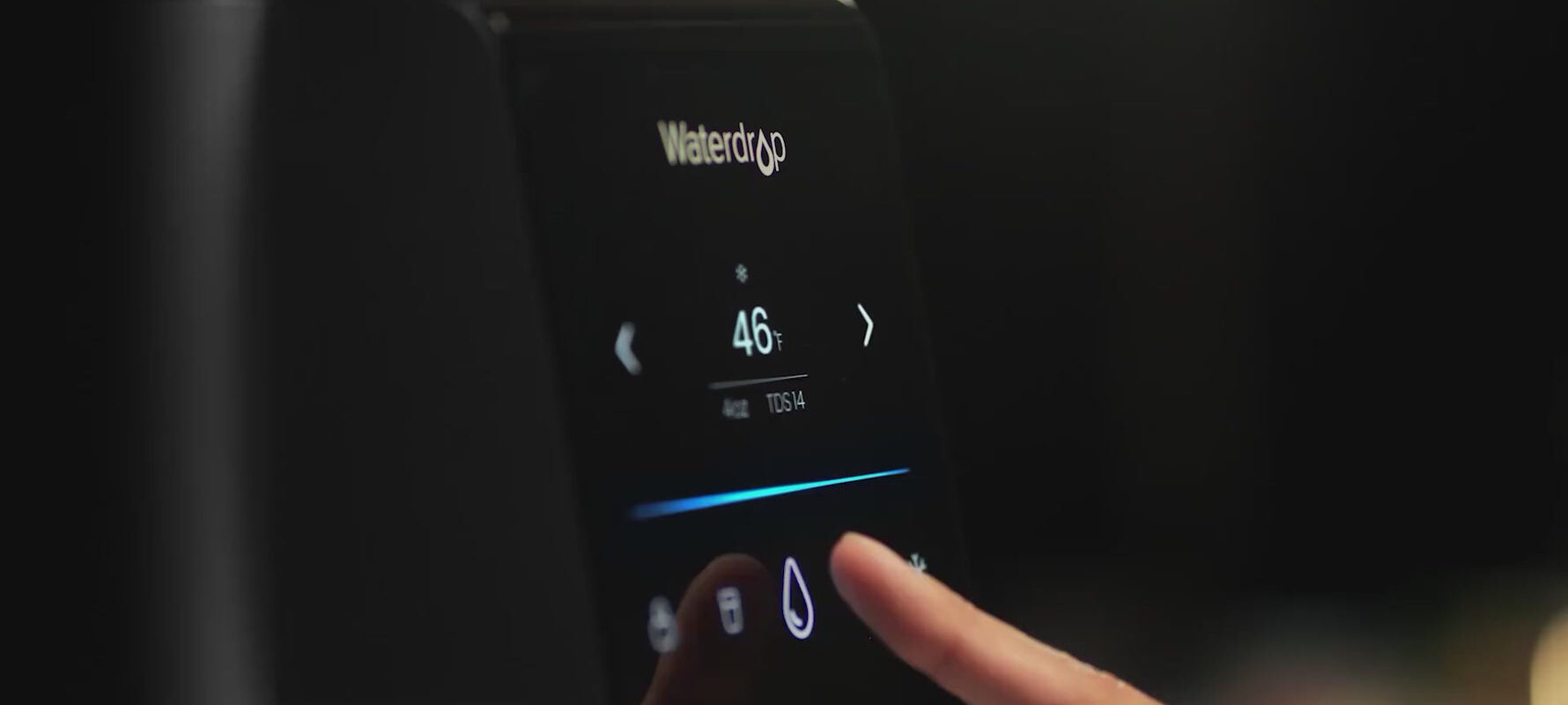
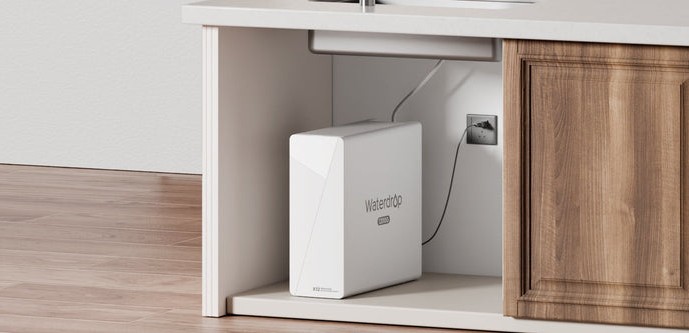
Under-sink and whole-home systems benefit from occasional inspection of visible components and connections. Look for leaks, rust or unusual noises indicating mechanical problems. Most filters require no internal maintenance, but visual inspection catches problems early before they become expensive repairs. Systems designed by Waterdropfilter emphasize user-friendly maintenance with clear indicators showing when replacement is necessary.
Recognizing Signs of Saturation
Water quality changes signal saturation before official replacement intervals expire. If your water starts developing off-taste, cloudiness or odor despite having a filter, saturation is likely. Reduced water flow indicates clogging, especially common in areas with high sediment content. Some filters provide visual indicators showing saturation levels, making guesswork unnecessary. When in doubt, replace filters earlier rather than later. The cost of a replacement cartridge is negligible compared to drinking poor quality water or risking health.
Different water conditions affect replacement frequency. Hard water clogs filters faster because mineral saturation occurs more quickly. Water with high sediment content requires more frequent changes than clean water with cosmetic issues. Documenting when you install filters and noting water quality changes helps you establish personalized replacement schedules matching your specific circumstances rather than following generic guidelines.
Seasonal Adjustments and Usage Patterns
Seasonal changes affect filter maintenance needs. Summer heat and increased household activity typically boost water consumption, saturating filters faster. Winter usage might extend filter lifespan in households with reduced consumption. Families vacationing for extended periods might extend filter replacement timelines since less water runs through the system. Conversely, families hosting guests or increased residents should plan for more frequent replacements.
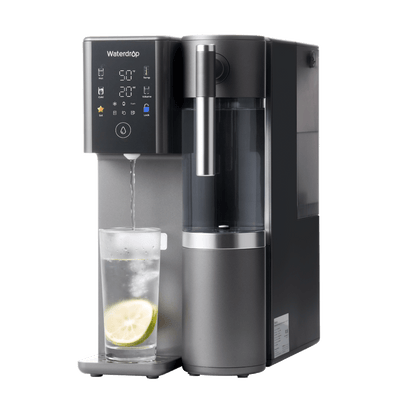
Understanding your usage patterns prevents buying replacement filters when you need them urgently. Stock extra cartridges during seasons when heavy usage is anticipated. Track consumption roughly over several weeks to establish realistic replacement frequency. Waterdropfilter systems accommodate varying household demands, with cartridges available in bulk quantities for households with intensive water usage.
Preventing Common Maintenance Problems
Bacterial contamination is the most serious maintenance issue and is entirely preventable through proper care. Never leave filters exposed to direct sunlight, as ultraviolet light promotes algae and bacterial growth in the water chamber. Store filters in cool, dark locations. Always handle replacement cartridges carefully to avoid introducing contaminants during installation. Never reuse filters intended for single use, regardless of cost considerations. Single-use filters degrade in performance and contamination protection when attempted reuse.
Leaks indicate seal degradation or improper installation. Address leaks immediately rather than accepting minor drips. Over time, small leaks lead to water waste and potential damage to flooring or cabinetry. Most leaks resolve through proper cartridge installation or simple seal adjustment. Do not apply excessive force when installing cartridges, as over-tightening damages seals. Follow manufacturer instructions precisely to achieve proper fit without damage.
Long-Term System Health
Consistent maintenance translates directly to system longevity. Water filters can serve reliably for years when properly maintained, while neglected systems fail prematurely, creating expenses and water quality problems. Keeping records of replacement dates and water quality observations helps you manage your system proactively. Some households benefit from professional annual inspections, particularly for whole-home systems, ensuring components remain in excellent condition.
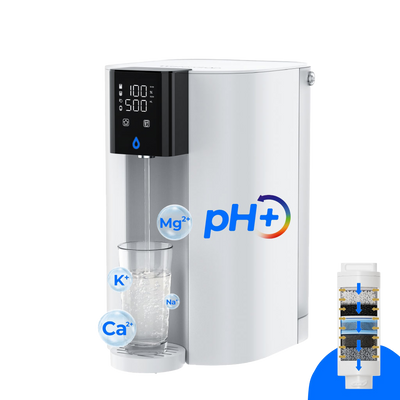
Upgrading filters when better technology becomes available is another maintenance consideration. Waterdropfilter releases improved cartridge designs addressing emerging contaminant concerns. Staying informed about available upgrades lets you enhance your system’s capabilities over time. When replacement is due anyway, choosing upgraded technology extends your system’s relevance and effectiveness.
- Replace filters on schedule based on water quality and usage, not just elapsed time
- Monitor water taste, clarity and flow rate for signs of saturation between scheduled replacements
- Keep filters protected from sunlight and stored in cool environments to prevent bacterial growth
- Stock replacement cartridges before peak usage seasons to avoid running out unexpectedly
- Address leaks immediately rather than accepting minor drips as normal operation
Water filter maintenance is genuinely simple when approached systematically. Setting reminders, documenting replacement dates and paying attention to water quality changes keeps your system delivering pure water consistently. The modest effort required pays dividends in superior water quality and system reliability. Commit to proper maintenance and your filter from Waterdropfilter becomes an indispensable household utility that reliably provides the clean, fresh water your family deserves.