The Safety Revolution How Modern Scooters Protect Urban Riders
Discover how advanced safety features protect modern scooter riders in urban environments.
Risk perception shapes urban transportation choices more than rational analysis. A person deciding between a car, public transit or an electric scooter isn’t just calculating time and cost; they’re weighing how safe they’ll feel during their commute. This psychological dimension drives purchasing decisions far more than specifications on a data sheet.
The electric scooter industry is undergoing a quiet revolution in how manufacturers approach rider safety. Where earlier generations focused on speed and range as competitive advantages, the current market leaders understand that safety features are the real differentiators. iscooterglobal has positioned itself at the forefront of this safety-first philosophy, designing products that allow urban riders to navigate cities with confidence rather than anxiety.
Braking Systems Redundancy Over Performance
The most critical safety component on any scooter is the braking system. In an emergency, inadequate braking can mean the difference between a near-miss and a serious collision. Many manufacturers treat brakes as an afterthought, using minimal hardware that technically meets requirements without considering real-world urban riding scenarios.
The approach from iscooterglobal builds redundancy into braking architecture. Most systems feature both electronic and mechanical brakes that operate independently. If one system fails, which can happen due to wet conditions, wear or malfunction, the backup system still provides stopping power. This redundancy is invisible to the rider, but it’s the difference between a predictable emergency stop and a catastrophic failure.
Traction Control and Terrain Adaptation
Urban surfaces vary dramatically. A sunny stretch of asphalt behaves completely differently from the same street after rain or covered in loose gravel. Many electric scooters are tuned for optimal performance on ideal pavement, then become twitchy and unstable on anything else.
Premium scooters from iscooterglobal implement sophisticated safety features with traction control systems that adjust motor output based on wheel slip. When acceleration is initiated on wet or loose surfaces, the system instantly reduces power to prevent the wheel from spinning. This maintains control while still allowing safe acceleration. The rider barely notices this happening, but they feel the difference, the scooter feels planted and reliable rather than squirrelly.
Visibility and Lighting Integration
A staggering percentage of urban accidents involve visibility failures. A rider is invisible to drivers or a scooter is hidden in shadows. Proper lighting isn’t an accessory; it’s a fundamental safety requirement. Yet many scooter manufacturers treat lights as cosmetic add-ons, providing minimal illumination that barely improves visibility.
The lighting philosophy of iscooterglobal scooters prioritizes being seen by others. Bright headlights illuminate the path ahead, while integrated rear lights ensure visibility from behind. The brightness levels exceed common standards because the goal isn’t compliance; it’s actual safety. Many models include directional indicators that communicate rider intent to surrounding traffic, dramatically reducing ambiguity about direction changes.
Structural Integrity and Impact Protection
When accidents happen and they happen to even experienced riders, the strength of the scooter’s frame and components can mean the difference between walking away unscathed and suffering serious injury. A frame that crumples in an impact might absorb energy, but it can also fail catastrophically during normal use.
The frame design used by iscooterglobal balances crashworthiness with durability for normal riding. Materials are selected for both their ability to withstand impact and their capacity to maintain structural integrity through thousands of riding cycles. The deck and stem are engineered to resist the kind of impacts that occur during everyday urban riding, whether from potholes, curbs or the general wear of commuting.
Weather Resistance and Predictable Degradation
Safety degrades when components fail unexpectedly. A scooter that gradually loses braking power due to water intrusion is dangerous. One that suddenly stops accelerating due to electronics failure leaves the rider stranded in traffic. The brands that prioritize safety design systems that either prevent moisture intrusion or degrade gracefully when weather conditions are severe.
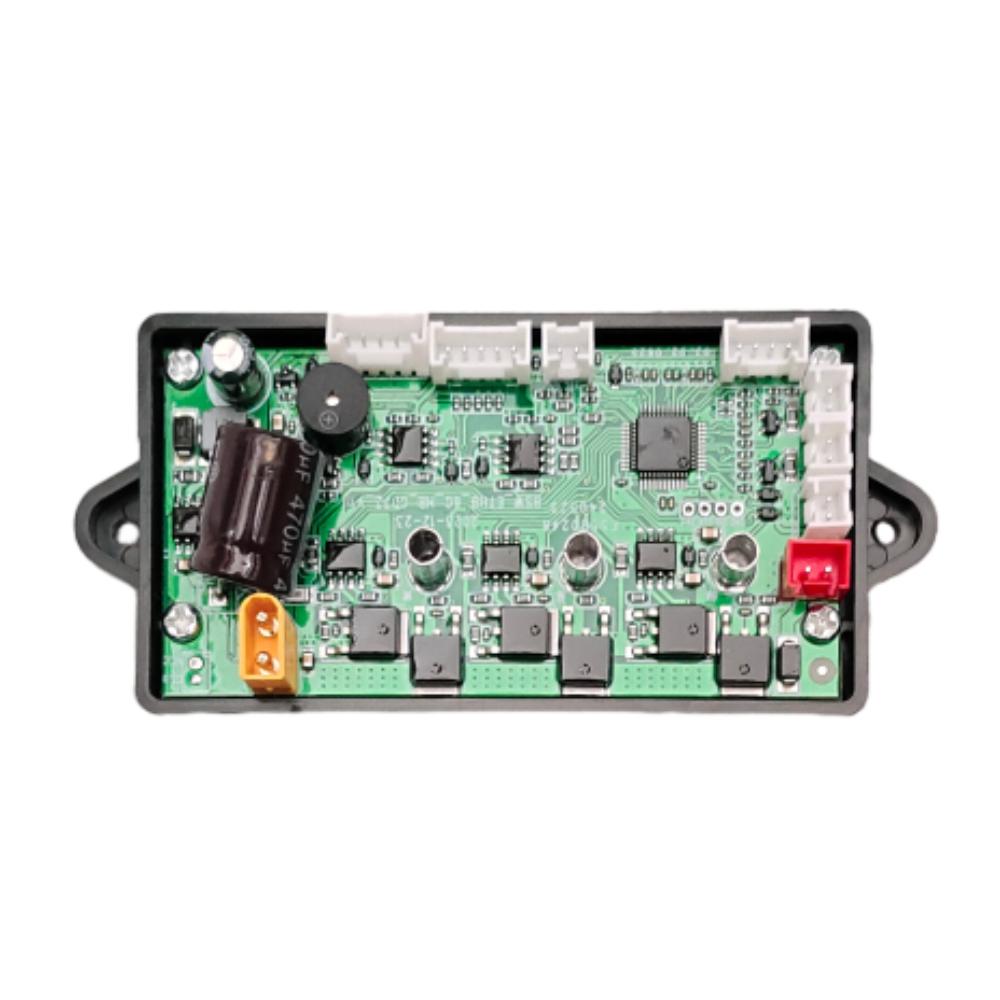
The engineering approach from iscooterglobal includes sealed connectors, waterproof enclosures for electronics and redundant sensor systems that detect degradation before it becomes dangerous. When a scooter encounters conditions that exceed its design parameters, the system often reduces performance safely rather than failing abruptly. This philosophy ensures that riders remain in control even as conditions worsen.
Rider Support and Safety Culture
Safety isn’t just about hardware; it’s about how manufacturers support their users in developing safe riding practices. The best brands provide detailed guidance on helmet usage, appropriate riding conditions, maintenance requirements and recognizing when a scooter shouldn’t be ridden.
Here’s what comprehensive safety support includes
- Clear documentation of safety features and the scooter’s capabilities and limitations in different weather and terrain conditions
- Regular maintenance schedules that prevent component failure and degradation
- Responsive customer support when riders have questions about safe operation
- Community engagement that shares safety best practices among users
- Transparency about known issues and how to address them before they become dangerous
The electric scooter revolution won’t reach mainstream adoption until riders feel genuinely safe on these devices. iscooterglobal’s commitment to safety fundamentals, redundant braking, traction control, visibility, structural integrity, weather resistance, demonstrates that competitive advantage in this market increasingly belongs to brands that prioritize protection over performance specifications. Urban mobility is evolving and safety-first design is leading the way.