The Hidden Health Impact of Indoor Air Quality
Indoor air quality dramatically affects your health. Learn why humidity control and proper air management matter more than most people realize, and how to create genuinely healthy indoor environments.
Most of us spend approximately 90% of our time indoors, yet we rarely stop to consider what we’re actually breathing. The air inside our homes contains pollutants that can accumulate over months and years, dust, allergens, pet dander, mold spores and chemical off-gassing from furniture and cleaning products. While outdoor air quality gets plenty of media attention, the quality of the air inside your home often matters far more to your health.
Why Indoor Air Quality Affects Your Health More Than You Think
Indoor air can be up to five times more polluted than outdoor air. Unlike outdoor pollutants that disperse across vast spaces, indoor air circulates through the same confined rooms day after day. Poorly ventilated homes trap airborne particles that irritate your respiratory system, trigger allergies and can even affect your sleep quality and cognitive function.
People with asthma, allergies or respiratory sensitivities are most vulnerable, but even healthy individuals benefit from cleaner indoor air. Children and elderly relatives are particularly susceptible because their respiratory systems are either still developing or declining with age. Meaco has been addressing these concerns since, engineering solutions that target the specific air quality problems British homes face.
The Role of Humidity in Indoor Air Quality
Humidity levels directly influence both air quality and comfort. Too much humidity encourages mold growth, dust mites and mildew. Too little causes dry skin, irritated airways and increased susceptibility to colds. The ideal range is between 30% and 50% relative humidity.
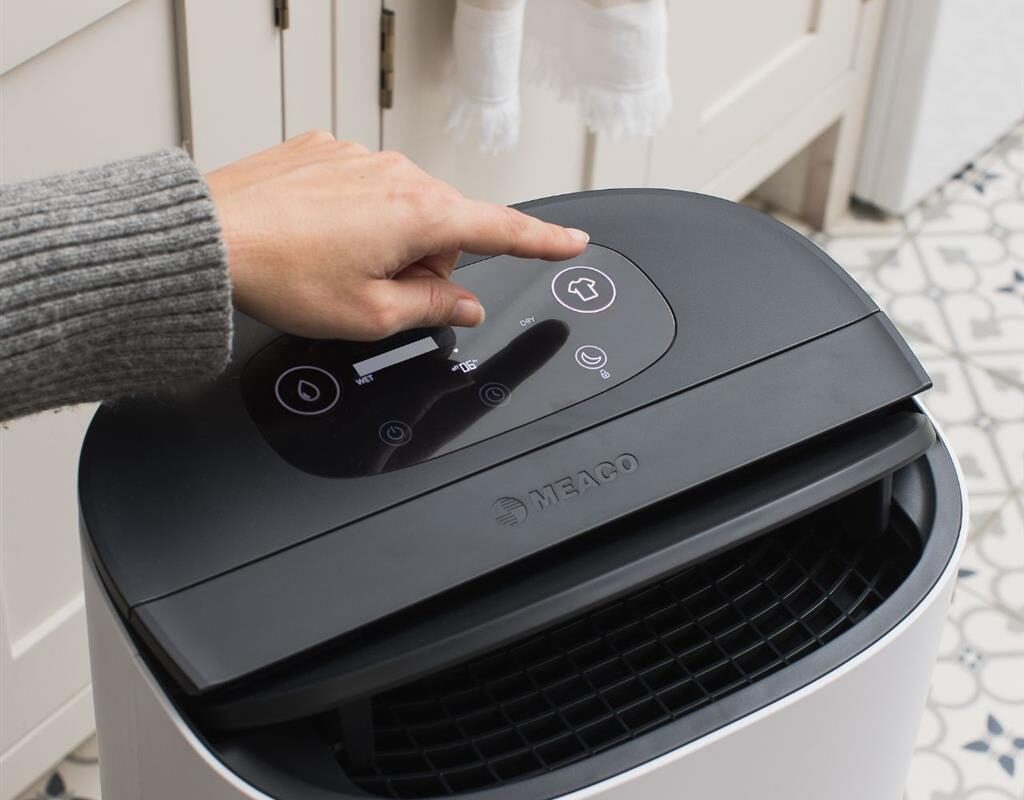
Most homes don’t maintain this range naturally, especially during damp British winters. When you use central heating, indoor humidity plummets. When you cook, shower or have condensation on windows, humidity spikes. Managing humidity with an effective dehumidifier doesn’t just improve air quality, it protects your home’s structure from moisture damage. Meaco’s dehumidifiers are engineered to maintain optimal humidity levels automatically, keeping air quality stable throughout the year.
Pollutants You Can’t See But Should Know About
Particulate matter, tiny particles that remain suspended in air, comes from multiple sources cooking fumes, candles, fireplaces, traffic outside and even dust settling from textiles. Volatile organic compounds (VOCs) off-gas from paints, varnishes, adhesives and new furniture. Carbon dioxide accumulates in poorly ventilated spaces, leaving you feeling sluggish and reducing mental clarity.
Biological pollutants like pollen, pet dander and mold spores are microscopic but trigger serious reactions. If you or someone in your household has allergies or asthma, these invisible invaders directly affect quality of life. The solution isn’t just opening windows, in fact, open windows let in outdoor pollutants and can make humidity control impossible. Instead, active air purification combined with proper humidity management creates genuinely healthy indoor air.
Building a Complete Air Quality Strategy
Effective air quality management requires a layered approach. Ventilation, humidity control and particle filtration all play essential roles. Here’s what makes the difference
- Dehumidifiers remove excess moisture that enables mold and dust mites to thrive, while also improving comfort
- Air purifiers with HEPA filtration capture fine particles, allergens and dust that regular vacuuming misses
- Regular HVAC maintenance and filter replacement prevent circulation of stale, contaminated air
- Strategic ventilation during low-pollution hours brings fresh outside air without introducing excessive pollutants
- Reducing sources, limiting candles, choosing low-VOC paints and proper kitchen ventilation, addresses problems at the root
Meaco specializes in the humidity and dehumidification side of this equation. Their products are engineered to handle real British conditions, damp winters, poorly insulated properties and homes without sophisticated central ventilation systems. The company’s decades of expertise mean they understand which problems actually matter in British households.
Why Energy Efficiency Matters in Air Quality Devices
Running air quality equipment doesn’t need to inflate your energy bills. Inefficient dehumidifiers or purifiers can actually waste more energy than traditional heating. Meaco builds energy efficiency into every product because they recognize that sustainable air quality means maintaining it consistently without punishing costs.
Modern dehumidifiers use smart sensors to detect humidity levels and adjust operation automatically. This means the device works hard when needed and idles when humidity is controlled, rather than running continuously. The result is cleaner air and lower electricity costs compared to older equipment or cheaper alternatives that run continuously regardless of actual need.
Taking the First Step Toward Better Indoor Air
Improving indoor air quality doesn’t require replacing your entire home. Start by measuring your current humidity and air quality. If you notice musty smells, visible mold, condensation on windows or increased allergy symptoms, your home likely needs intervention. Meaco offers products designed for precisely these situations, engineered with the care and precision you’d expect from a British manufacturer that’s been perfecting air quality solutions for over three decades.
Your home should be the place where the air you breathe supports your health, not undermines it. That starts with understanding what’s actually in your indoor air and taking intentional steps to improve it.