Game Anywhere, Work Everywhere: Finding the Right Gaming Laptop at Back to the Office
A gaming setup used to mean surrendering a large corner of the house to a tower PC, monitor, keyboard and enough cables to frighten the vacuum cleaner. Gaming laptops have changed that arrangement considerably. Today’s machines can deliver serious graphics performance while still fitting into a backpack, making them useful for gaming after hours, creative […]
A gaming setup used to mean surrendering a large corner of the house to a tower PC, monitor, keyboard and enough cables to frighten the vacuum cleaner. Gaming laptops have changed that arrangement considerably. Today’s machines can deliver serious graphics performance while still fitting into a backpack, making them useful for gaming after hours, creative projects, university work and everyday computing. Back to the Office brings together gaming laptops from familiar names including ASUS and MSI, with configurations ranging from capable RTX 4060 machines to premium RTX 4080 and RTX 4090 models. The collection covers very different budgets and ambitions, which is exactly what gaming-laptop shopping needs: not everybody requires a portable powerhouse capable of making their bank account visibly nervous.
Gaming laptops at Back to the Office cover casual play and serious performance
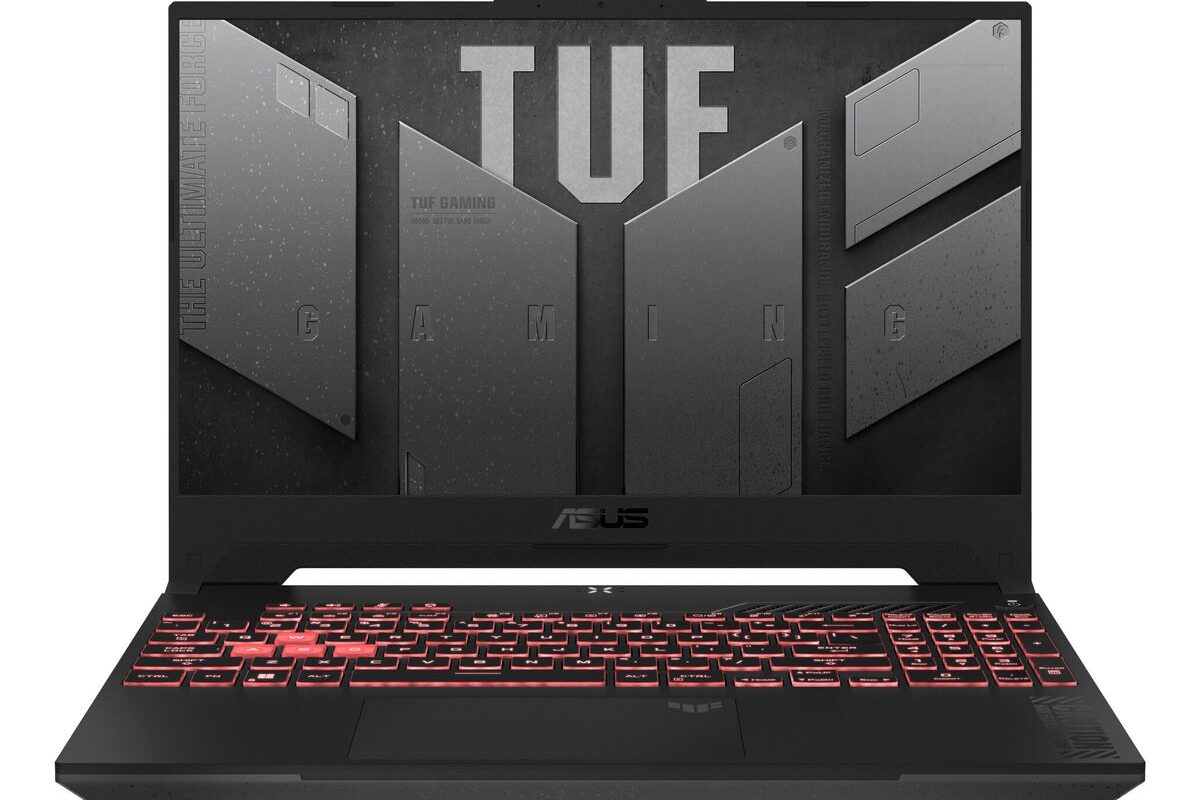
The Back to the Office gaming laptop range stretches from more approachable performance machines to high-end systems built for demanding games and intensive creative workloads. One example is the ASUS TUF Gaming A15, listed with an AMD Ryzen 7 processor, 16GB DDR5 memory, 512GB SSD and NVIDIA GeForce RTX 4060 graphics. Further up the range are ROG Zephyrus and ROG Strix models equipped with RTX 4080 or RTX 4090 graphics, larger storage capacities and higher-resolution displays. MSI also appears at the premium end, including Stealth models with powerful processors and substantial memory and storage configurations. The useful takeaway is not simply that bigger specifications are better. Someone playing competitive titles at Full HD has very different needs from a gamer targeting visually demanding AAA releases at high settings, so choosing according to actual use is far smarter than automatically chasing the most expensive machine.
RTX 4060 gaming laptops hit a practical performance sweet spot
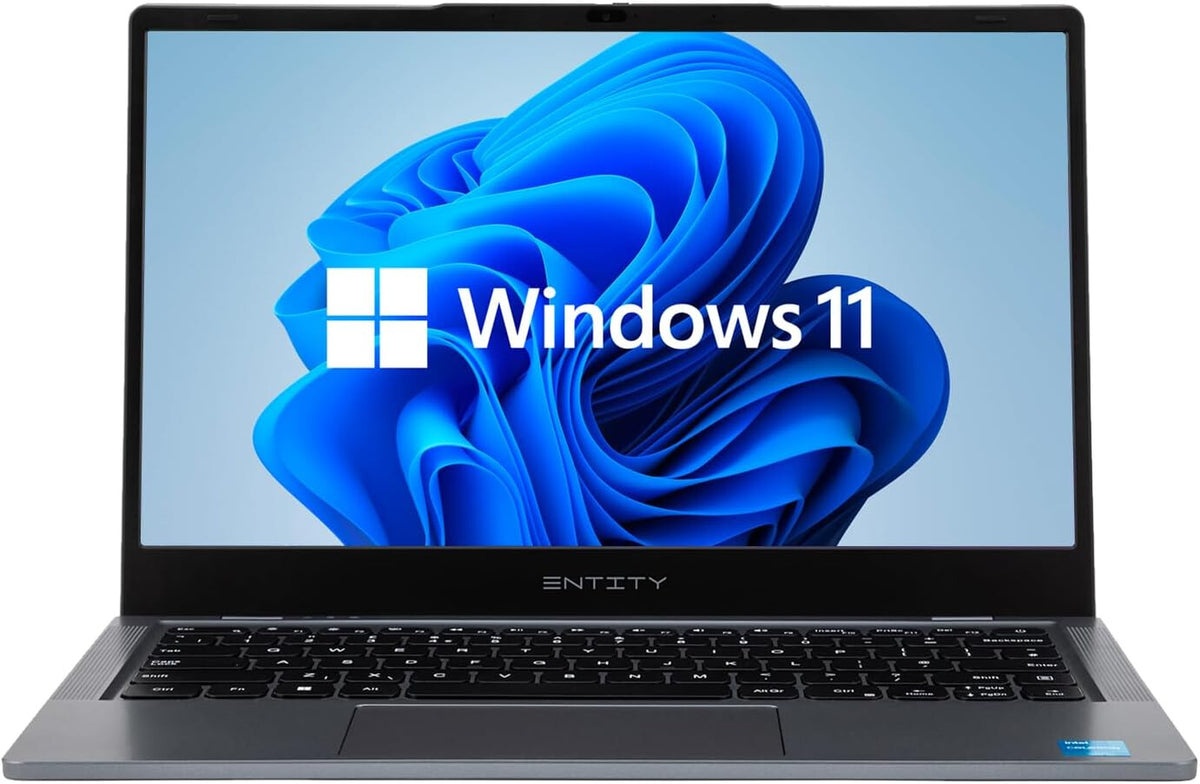
For many shoppers, an RTX 4060 laptop is where performance and spending begin to find common ground. Back to the Office lists several ASUS TUF configurations built around NVIDIA GeForce RTX 4060 graphics, including 15.6-inch and 16-inch models paired with AMD Ryzen or Intel processors. These machines make sense for players who want dedicated gaming hardware without immediately climbing into the £3,000-plus territory occupied by some premium alternatives. They can also suit students and hybrid workers who need one computer for productivity during the day and gaming afterwards. There are compromises: premium machines may offer stronger graphics, sharper screens, additional memory and more storage. But paying for RTX 4080 or RTX 4090 performance is difficult to justify if your favourite games and preferred settings never exploit it. Back to the Office therefore gives mid-range buyers some genuinely sensible territory to explore rather than making flagship hardware the only exciting option.
Premium ASUS and MSI laptops are built for much bigger ambitions
Gamers chasing maximum portable performance will find Back to the Office carrying considerably more serious hardware. The collection includes ASUS ROG Zephyrus machines with RTX 4080 and RTX 4090 graphics, alongside the ROG Strix SCAR 16 with an Intel Core i9 processor, 32GB DDR5 memory, 2TB SSD and RTX 4080 graphics. MSI’s Stealth models push into similarly ambitious territory, with configurations featuring large memory capacities, 2TB storage and flagship-class NVIDIA graphics. This level of hardware becomes more compelling for demanding gaming, high-resolution play and workloads such as video production or 3D creative applications. The trade-off is obvious before you even open the specification sheet: price. These are significant investments, and powerful components can also mean greater heat and battery demands. A premium gaming laptop earns its keep when portability genuinely matters; if it never leaves a desk, comparing it with an equivalent desktop setup is worthwhile.
Screen size can change the experience more than another specification bump
A gaming laptop is ultimately something you spend hours staring at, so display choice deserves more attention than it often gets. The Back to the Office selection includes compact 14-inch options such as the ASUS ROG Zephyrus G14, familiar 15.6-inch TUF machines and several 16-inch premium models. A 14-inch laptop is easier to carry between home, university and work, while a 16-inch display gives games and creative applications more breathing room. Resolution matters too: the range includes Full HD, WQXGA, Quad HD+ and even UHD+ configurations depending on the model. Higher resolution can produce a sharper image, but it also asks more from the graphics hardware. Competitive gamers may care more about smooth performance and refresh rate than maximum pixel count. Back to the Office shoppers should therefore choose the screen around where and how they actually play, rather than treating the largest resolution number as an automatic victory.
Gaming laptops can earn their desk space long after the match ends
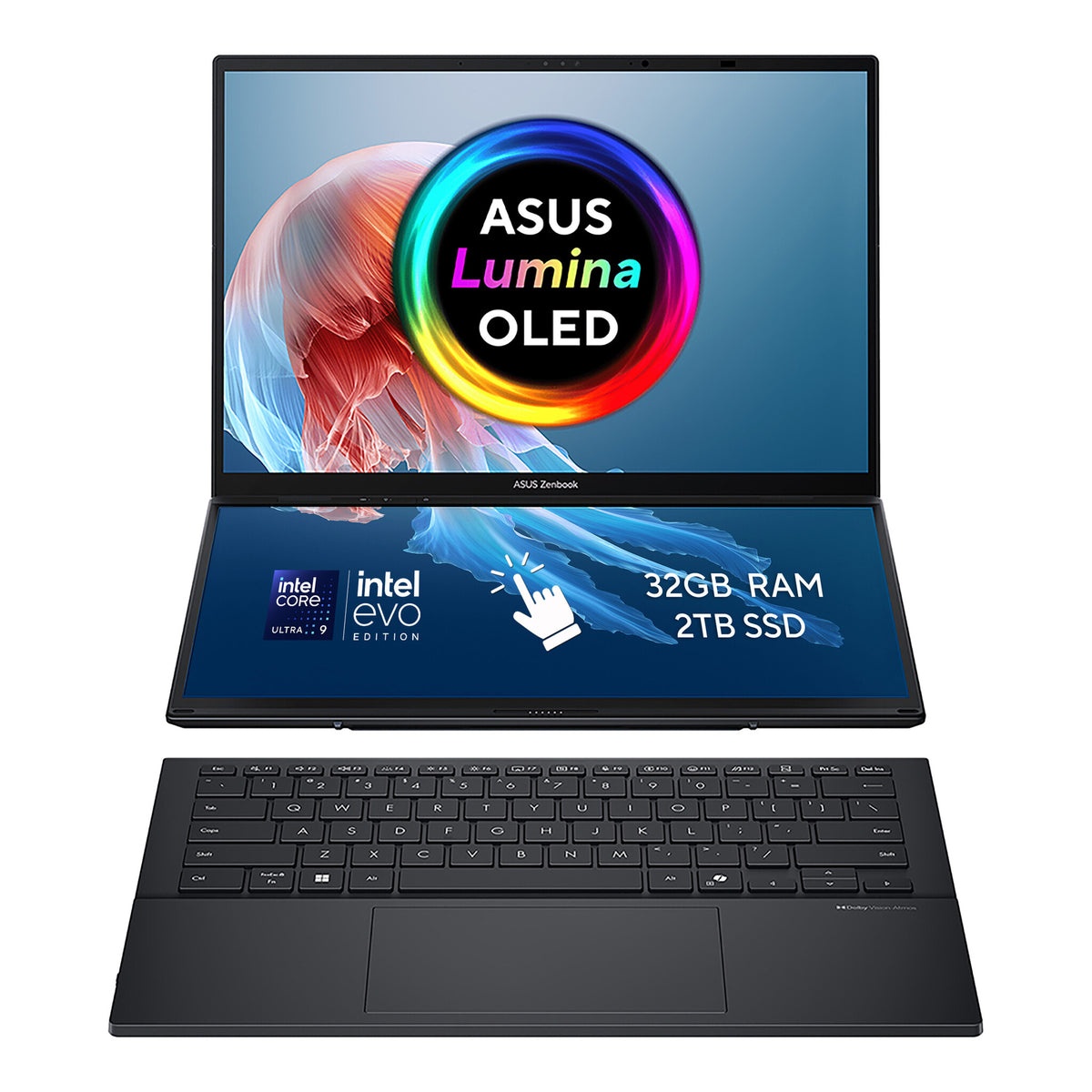
One reason a gaming laptop can justify its premium is that the hardware is useful well beyond gaming. Powerful processors, dedicated graphics, generous memory and fast SSD storage can make suitably configured models useful for video editing, design, streaming, programming and other demanding tasks. That makes the Back to the Office collection relevant to creators, students and professionals who want one capable machine instead of maintaining separate work and entertainment computers. There is still a practical balance to strike. Gaming laptops tend to prioritise performance and cooling over the ultra-light construction and marathon battery life associated with conventional productivity notebooks. If your week involves spreadsheets and commuting with only occasional light gaming, a standard laptop may remain the better purchase. If demanding software and serious gaming regularly share your schedule, however, the extra hardware starts looking much easier to justify.
Pick the machine your games deserve, not the biggest spec sheet
The strongest reason to browse gaming laptops at Back to the Office is the range of performance levels rather than one particular headline model. ASUS TUF configurations make a logical starting point for buyers seeking dedicated RTX gaming without flagship pricing, while ROG Zephyrus, ROG Strix and MSI Stealth machines cater to enthusiasts prepared to invest substantially more in graphics power, displays, memory and storage. Availability can change, and several models may sell out, so current stock and pricing are worth checking directly before deciding. Ultimately, the best gaming laptop is not the one with the longest specification list; it is the one whose performance matches the games, applications and portability you genuinely need. Back to the Office provides enough variety to make that choice interesting and potentially save you from paying thousands for power that spends most evenings running Minecraft.