Everblog – Chores, Rewards, To-Do Lists and Shared Calendars That Help Families Divide the Mental Load More Clearly
Running a household involves much more than completing visible tasks. Someone also has to remember that the dog needs food, the school form is due tomorrow, the washing machine has finished, a birthday gift still needs to be purchased and the dentist appointment conflicts with football practice. This invisible layer of remembering and coordinating is […]
Running a household involves much more than completing visible tasks. Someone also has to remember that the dog needs food, the school form is due tomorrow, the washing machine has finished, a birthday gift still needs to be purchased and the dentist appointment conflicts with football practice. This invisible layer of remembering and coordinating is often described as the mental load, and it can easily become concentrated on one family member even when everyone contributes to individual chores.
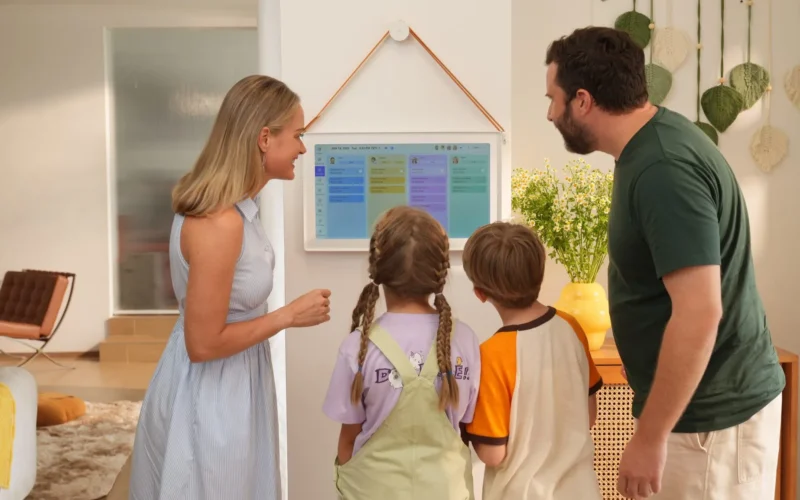
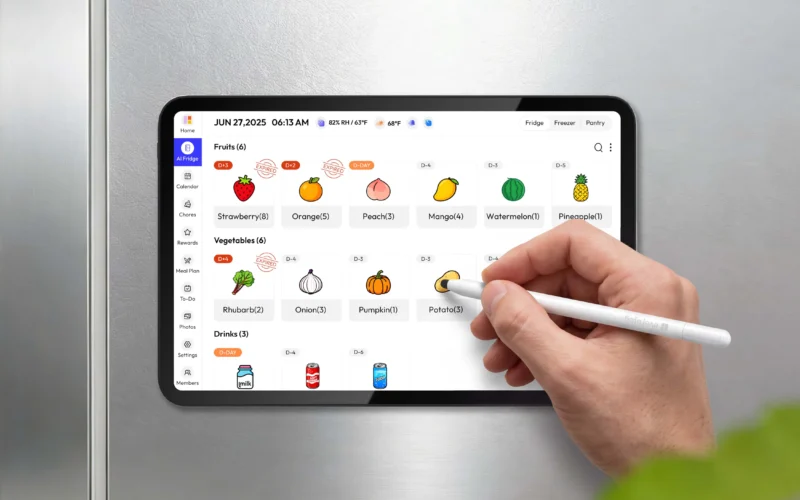
Everblog addresses this problem through shared family calendars, chore assignments, to-do lists, reward systems and household dashboards designed to make responsibilities visible. Its FridgeCal and HomeCal displays create central places where family members can see what needs attention, while the connected app allows information to be updated away from home. The technology cannot make a family cooperate, but it can remove one major obstacle: the excuse that nobody knew what needed to happen.
A Shared Calendar Makes Family Commitments Visible Before They Become Conflicts
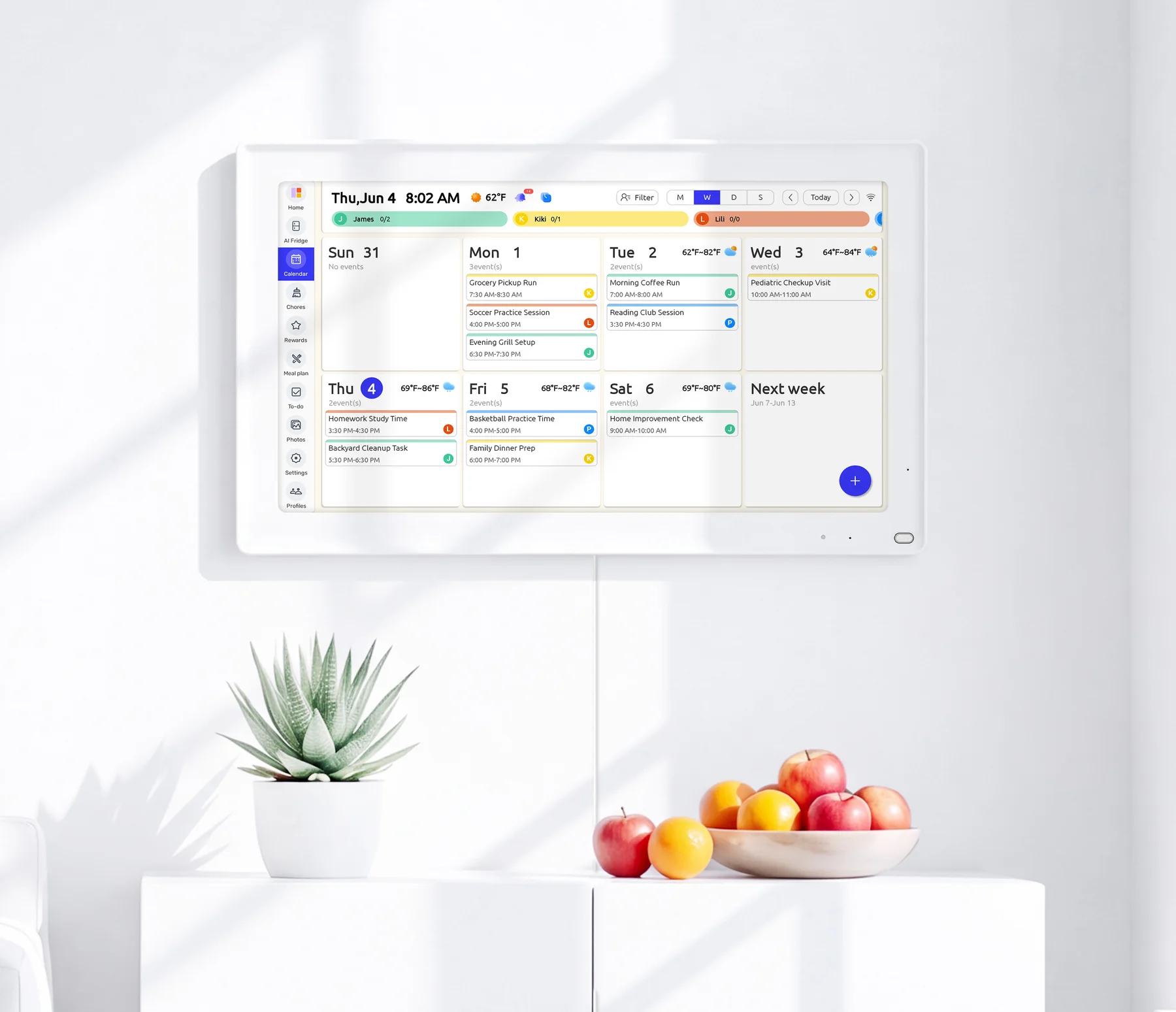
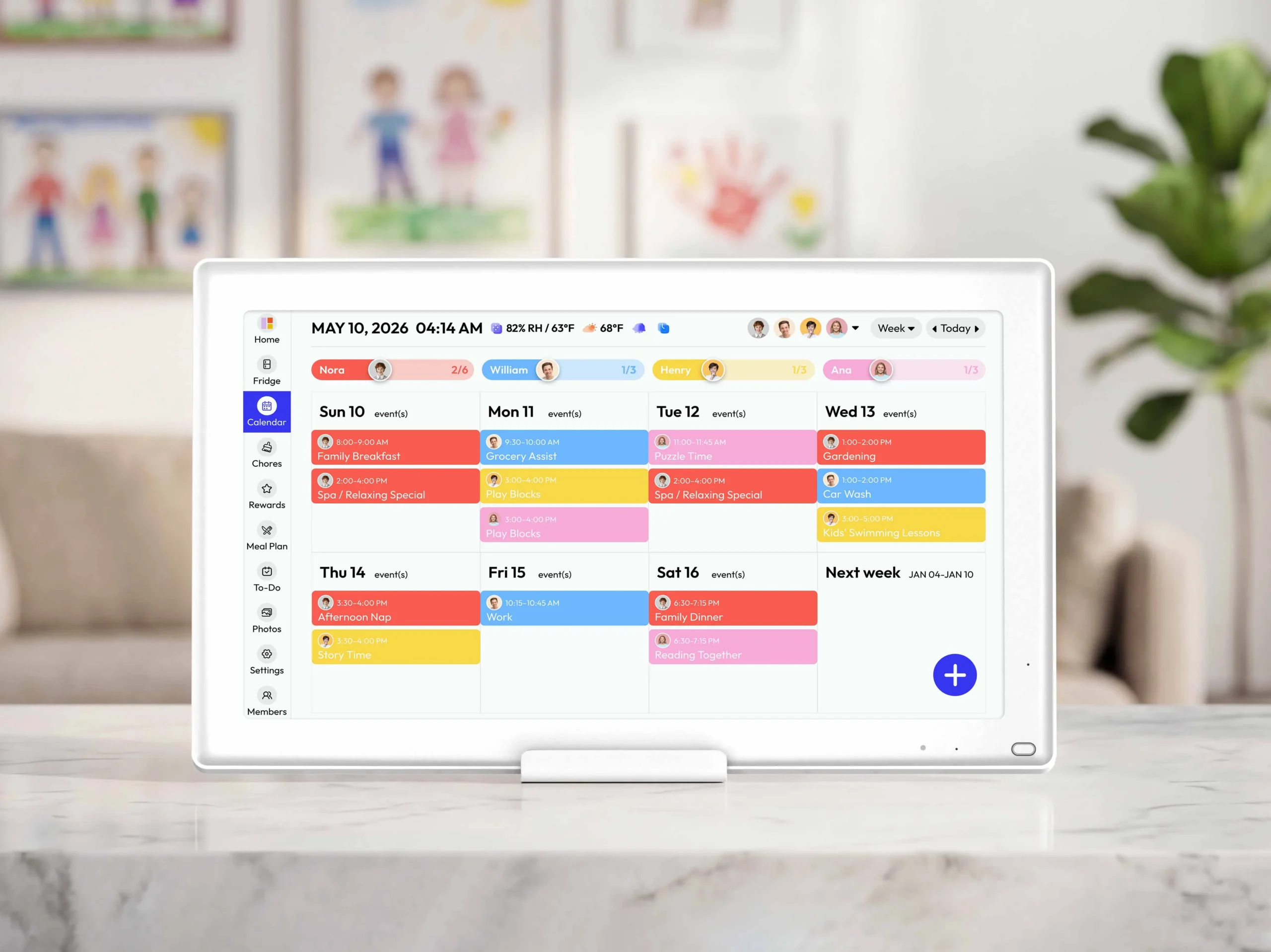
Individual calendars work well until one person schedules something that affects everyone else. A parent agrees to a late meeting without remembering a school event, or two children need transport in opposite directions at the same time. Everblog brings multiple schedules into one shared calendar so overlapping commitments become easier to identify. Profiles make it possible to distinguish family members while still viewing the household together, and several calendar views allow planning at different timescales. The system can sync with common calendar services rather than requiring every appointment to be entered manually from scratch. This matters because shared planning only works when it is easy enough to remain current. When the family calendar reflects real appointments rather than an idealised version of the week, decisions can be made with much less repeated messaging.
Chore Assignment Moves Responsibility From Memory to a Visible System
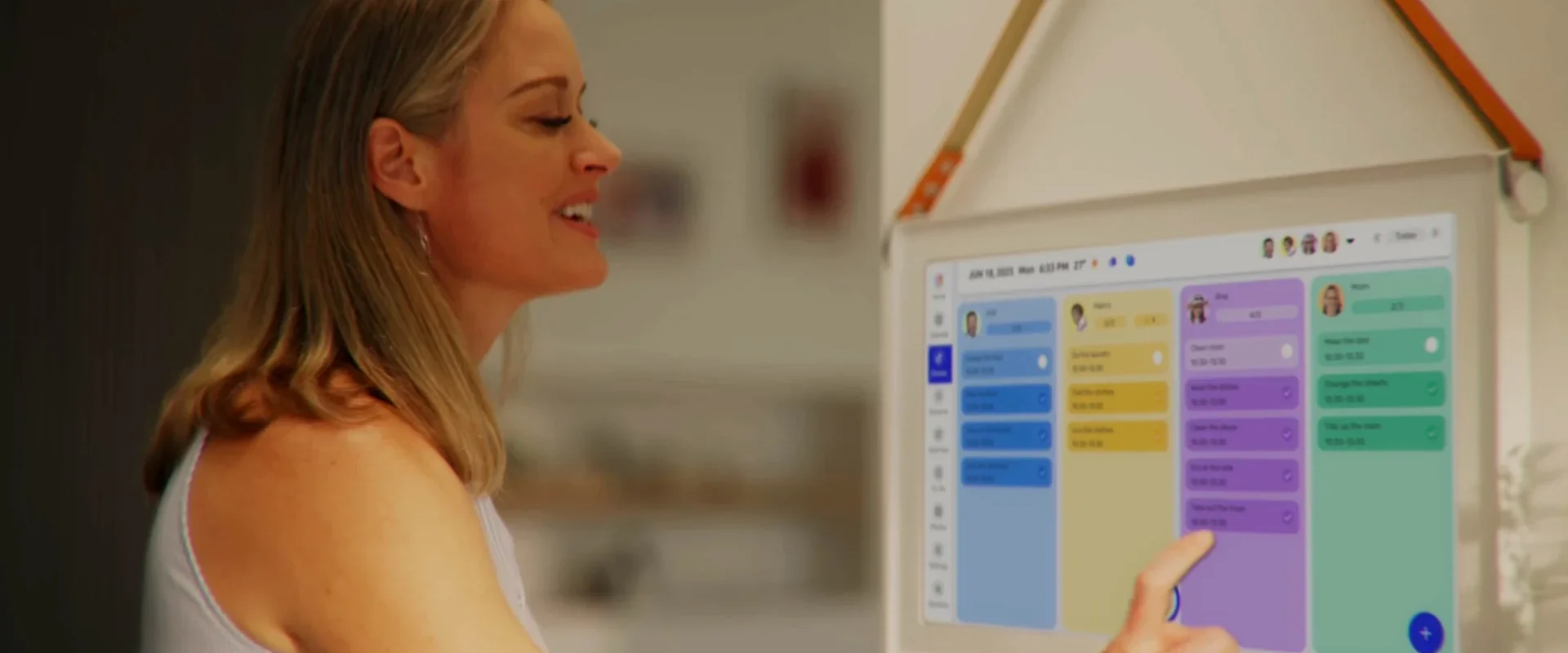
A task such as feeding a pet may take only a few minutes, but remembering who is responsible for doing it every day can create more friction than the job itself. Everblog’s chore system allows responsibilities to be assigned to specific family members and marked as completed. Recurring chores can remain visible without needing to be recreated constantly. This gives children and adults a clearer picture of what belongs to them rather than relying on verbal instructions that disappear five minutes after they are spoken. The system can also help distribute work more fairly because responsibilities are visible to everyone. If one profile contains a long list while another has almost nothing, the imbalance becomes much easier to notice than when household tasks exist only in conversation.
What Can Families Organise Beyond Basic Calendar Events?
Everblog provides several tools for turning vague household responsibilities into clearer shared actions:
- Individual profiles separate responsibilities and activities by family member.
- Recurring chores keep routine jobs visible without constant re-entry.
- Task completion tracking shows which responsibilities still need attention.
- Points and rewards can provide additional motivation for children.
- Shared to-do lists capture one-off jobs that do not belong on a regular chore schedule.
- Shopping lists give household members a common place for grocery requests.
- Calendar events keep appointments, school activities and commitments visible.
- Meal plans connect food preparation with the time actually available that day.
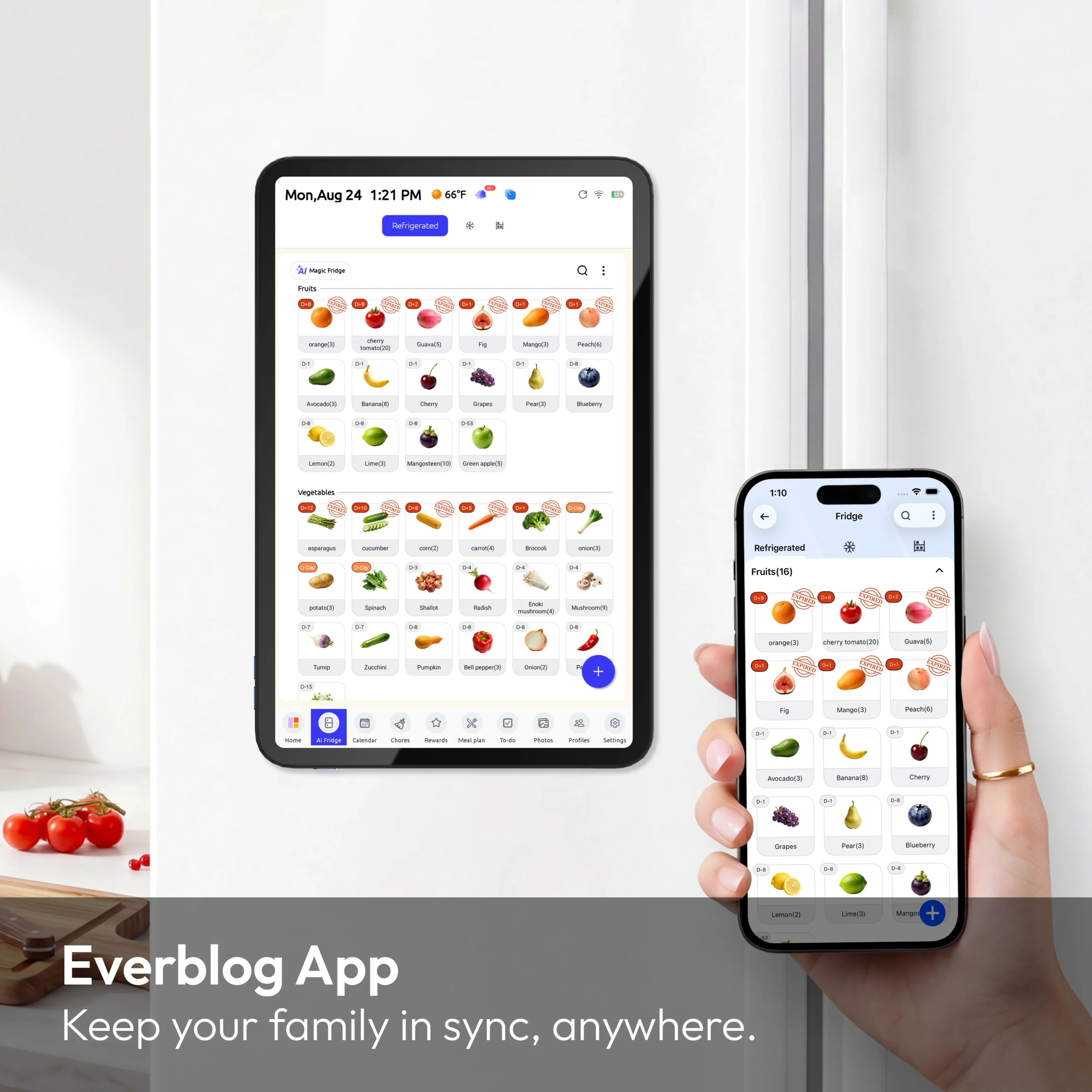
- Mobile management allows lists and events to change while family members are away.
- Dashboard views provide a quick overview instead of requiring everyone to open several separate modules.
Rewards Can Make Chores More Engaging Without Turning Every Task Into a Transaction
Everblog’s reward system allows completed chores to contribute points or stars that can later be connected with family-defined rewards. For younger children, this creates a visible sense of progress and can make repeated household responsibilities feel more structured. The system works best when rewards support broader habits rather than turning every small act of family participation into a negotiation. Parents might use points for selected age-appropriate responsibilities while keeping ordinary expectations outside the reward structure. The technology provides flexibility, but families decide what behaviour they want to encourage. Some may use rewards heavily, while others may value the chore board simply because it makes responsibilities obvious. Either way, the shared visibility can reduce the number of times an adult needs to remind someone verbally.
Everblog Makes Household Work Easier to See, Share and Complete
The most interesting aspect of Everblog’s family-management features is their visibility. Calendars show commitments, chores show responsibilities, lists show unfinished jobs and rewards can show progress. What used to exist mostly inside one person’s memory becomes something the whole household can see. FridgeCal keeps that information close to the kitchen, HomeCal provides a larger wall-based dashboard, and the mobile app connects the system when family members are elsewhere.
This does not turn family life into a perfectly controlled schedule, nor should it. Plans will still change and tasks will still occasionally be forgotten. What Everblog can do is create a clearer common reference point. When everyone knows where to look for the plan—and is encouraged to update it themselves—the household can operate with fewer repeated questions, fewer invisible responsibilities and a more genuinely shared approach to keeping everyday life moving.