Everblog – AI Food Recognition, Fridge Management and Meal Planning for a Kitchen That Wastes Less and Plans Better
Food waste often begins with something surprisingly simple: forgetting. A bag of vegetables disappears behind newer groceries, leftovers are pushed to the back of the refrigerator, or another carton is purchased because nobody remembers there is already one at home. Everblog has developed its FridgeCal ecosystem around the idea that family organisation should include food […]
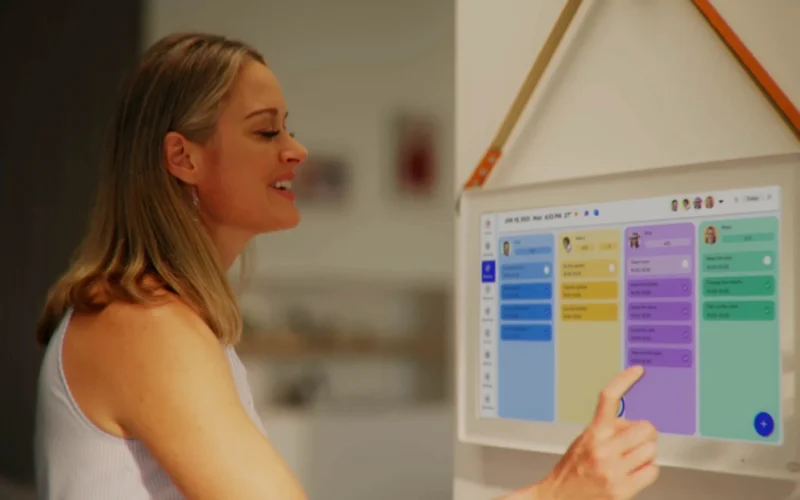
Food waste often begins with something surprisingly simple: forgetting. A bag of vegetables disappears behind newer groceries, leftovers are pushed to the back of the refrigerator, or another carton is purchased because nobody remembers there is already one at home. Everblog has developed its FridgeCal ecosystem around the idea that family organisation should include food as well as appointments. Its smart refrigerator calendar can help households record what they have, monitor expiration dates, organise shopping lists and generate meal ideas around available ingredients.
The connected Everblog app extends these features beyond the kitchen, allowing users to manage information while shopping or away from home. This creates a practical relationship between food inventory, grocery planning and meal decisions. Instead of opening the refrigerator every evening and hoping inspiration appears, households can begin with a clearer picture of what should be used, what is running low and what meals might make sense next.
Snap Recognition Makes Food Logging Less Dependent on Manual Typing
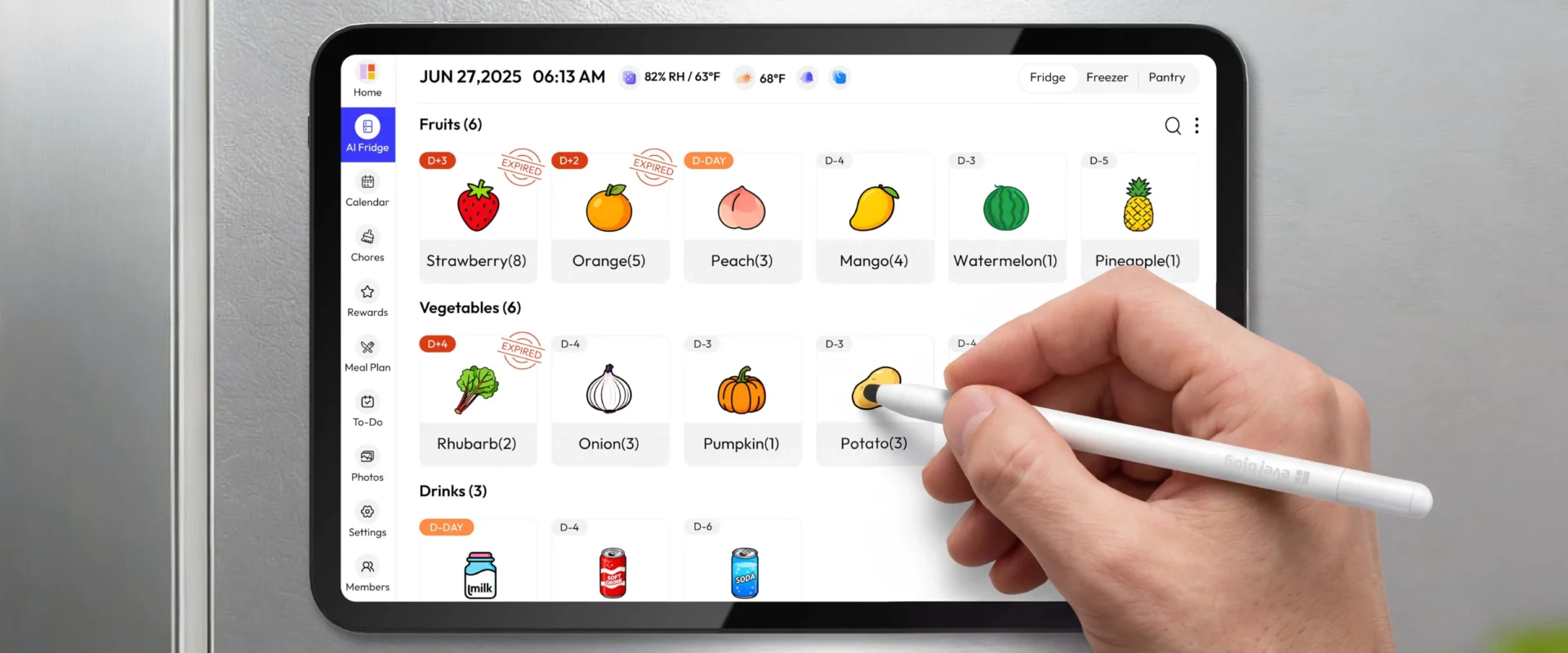
Inventory systems are only useful if people continue updating them, which is why manual entry can become a problem. Typing every food item into an app after a grocery trip quickly feels like another household job. Everblog’s food-recognition approach is intended to reduce that burden by allowing users to capture items and organise them with less manual work. The current FridgeCal ecosystem includes snap-recognition features designed around quickly identifying food and supporting refrigerator management. This does not mean the system should be treated as infallible. Users may still need to correct information, confirm quantities or check dates. The advantage is lowering the barrier to maintaining a usable inventory. When adding food takes seconds rather than becoming an administrative project, the system has a much better chance of staying relevant after the novelty of the first week disappears.

Expiration Tracking Helps Bring Older Food Back Into View
The back of a refrigerator is easy to ignore because humans naturally notice whatever is visible at the front. Expiration reminders create a digital way of giving older food more visibility. If ingredients approaching their expected use date can be highlighted, families have another opportunity to include them in upcoming meals before purchasing replacements. This can be especially useful for dairy products, fresh produce, leftovers and other foods with comparatively short useful lives. Digital reminders should not replace sensory judgement or food-safety guidance. Dates, storage conditions and actual food condition all matter, and uncertain food should never be consumed solely because an app says it remains listed as available. The real purpose of the system is organisational: it can help users remember what deserves attention before it becomes another forgotten item thrown away during the next refrigerator clean-out.
How Can Everblog Connect Food Management With Everyday Family Planning?
Several features work together to make kitchen decisions more coordinated:
- Food recognition can make adding refrigerator items faster than manual entry alone.
- Inventory tracking provides a clearer overview of what is already available.
- Expiration monitoring helps identify items that may need to be used sooner.
- AI-supported recipe ideas can provide inspiration based on available ingredients.
- Weekly meal planning connects food decisions with the family calendar.
- Shared grocery lists allow multiple household members to add required items.
- Real-time list updates help reduce forgotten requests while someone is shopping.
- Mobile access means food information can remain available away from the kitchen.
- Allergen settings can help families keep relevant dietary information visible.
- Calendar integration allows meal choices to reflect busy and quieter days during the week.
Recipe Suggestions Can Start With What Is Already Available
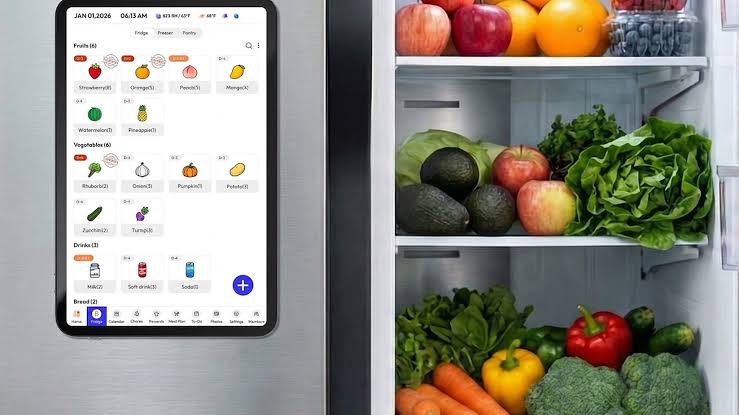
Meal-planning tools often begin with a recipe and then produce a list of ingredients that must be purchased. Everblog can reverse that logic by using known food inventory as part of the inspiration process. If several ingredients are already available, AI-supported recipe suggestions can help turn them into possible meal ideas rather than allowing them to remain unused. This is especially helpful toward the end of the week when the refrigerator contains a collection of partial ingredients but no obvious complete meal. Recipe generation still requires common sense. Users should check quantities, dietary requirements, cooking temperatures and food safety independently rather than assuming every automated suggestion is appropriate. The useful part is reducing the blank-page problem of deciding what to cook when there is already plenty of food in the house.
Everblog Makes the Refrigerator Part of the Decision-Making Process
FridgeCal is especially interesting because its food features are not isolated from the rest of family life. Inventory influences shopping, shopping supports meal planning, meals connect with the weekly calendar, and the mobile app keeps those decisions available away from the refrigerator. This creates a loop that feels closer to the way households actually function. Food is purchased, stored, planned and eaten within the same wider schedule as everything else.
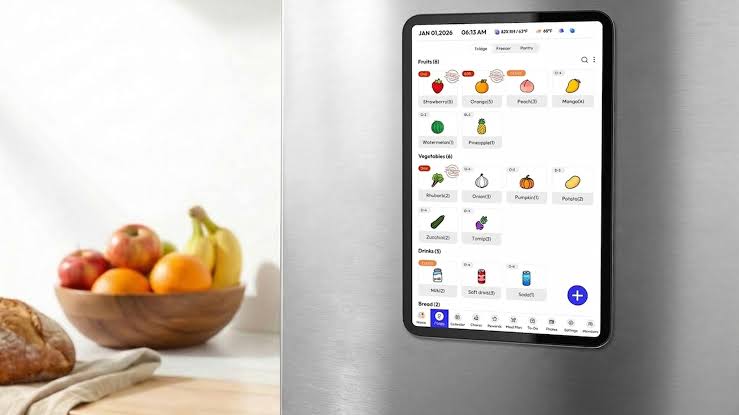
By making those relationships more visible, Everblog can help families plan with what they already own instead of constantly starting from scratch. The result is not an automated kitchen that makes every decision independently, but a more informed one—where forgotten food has a better chance of being used, grocery trips become more deliberate and the question of what to eat begins with useful information instead of another hurried search through the fridge.