Common Glueless Wig Myths Debunked What Klaiyi Hair Actually Delivers
Debunking the biggest glueless wig myths with real specs on cap types, densities, and textures. 💁♀️
Glueless wig myths circulate quickly online, often shaped by outdated styles or a single bad experience with a different brand. Many buyers assume a wig without adhesive must slip, look fake, or fall apart within weeks. Klaiyi Hair (US)‘s catalog of 100% human hair glueless wigs offers a useful case study for separating fact from assumption, since its listings spell out exact cap types, densities, and hairline treatments rather than vague promises. Looking closely at those specifics helps clear up several glueless wig myths that keep resurfacing in reviews and forums.
Glueless Wigs Don’t Last as Long: The Real Lifespan of Klaiyi Human Hair Wigs
One of the most persistent myths is that skipping adhesive shortens a wig’s usable life. Klaiyi Hair (US) lists at least one style, the Light Yaki Straight Put On & Go 7×5 and 13×4 design, with a stated wig life of 12+ months, a figure drawn directly from that product’s own listing rather than a general industry claim, and the same style spans a hair length range of 12 inch to 30 inch. That range shows the lifespan claim is tied to a specific product, not the whole catalog.
Because the hair itself is described as 100% virgin human hair, it can also be dyed and ironed, according to the brand’s own product pages. That detail matters because it ties longevity to the hair quality and construction, not to whether glue was used during installation.
Pre-Cut and Pre-Bleached Lace: Why Klaiyi’s Pre-Everything Features Don’t Mean Zero Styling Needed
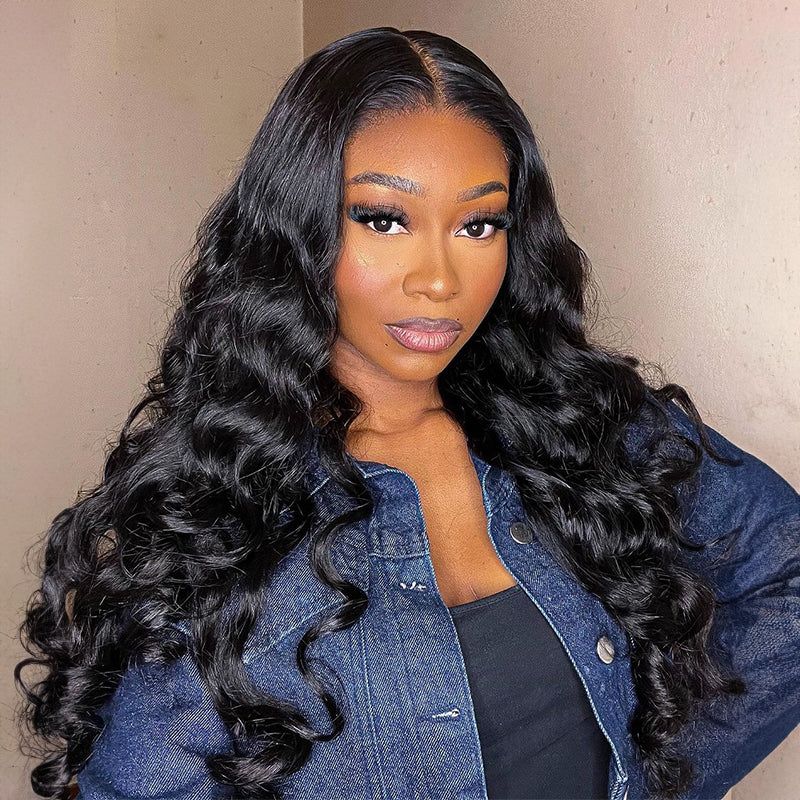
Several Klaiyi Hair (US) listings use the term “Pre-Everything,” referring to hairlines that are pre-cut, pre-plucked, and pre-bleached. This is a specific, named feature across multiple styles, including the 13×4 and 7×5 Yaki Straight options. It reduces some prep steps compared to a raw lace unit, but the listings do not claim the wig requires no handling at all.
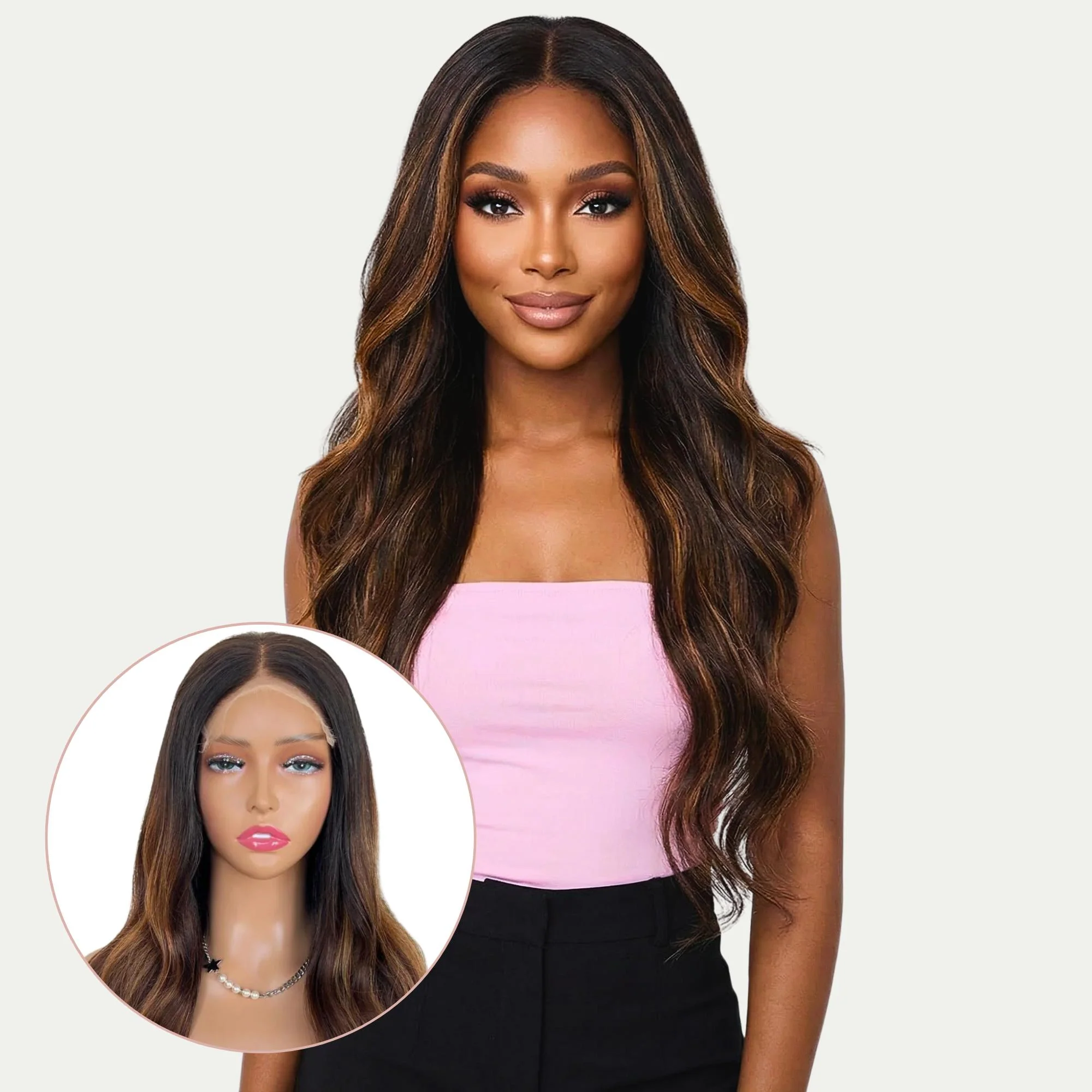
The Honey Caramel Highlights Body Wave wig, for example, is offered in both 7×5 and 13×4 pre-plucked configurations. Having a pre-treated lace front is a documented feature, not a claim of zero effort beyond that.
The No-Slip Cap Myth: What 7×5 and 13×4 Lace Closures Actually Prevent
A common assumption is that any glueless cap will shift during ordinary movement. Klaiyi Hair (US) markets several wigs under a “No-Slip Cap” label, paired with 7×5 lace closures or 13×4 lace frontals, such as the Natural Black Water Wave Wolf Cut style and the Brown Highlight Sleek Straight Bob. These listings specifically describe the cap construction as “No-Slip” and “Bye Bye Knots,” tying the feature to the cap design itself rather than to any adhesive.
Fit is also addressed through a Flexi-Fit Drawstring, mentioned across multiple product descriptions with a circumference range of 18-24 inches. That drawstring detail, rather than glue, is what the brand associates with secure wear in its own listings.
Yaki Straight and Water Wave Textures: Maintenance Demands Beyond “Wash and Wear”
Texture-specific glueless wig myths often assume every human hair texture behaves the same way once installed. Klaiyi Hair (US) offers Yaki Straight, Water Wave, Burmese Curly, and Body Wave textures, each listed separately with its own density and length range. The Burmese Curly 7×5 No-Slip Glueless Wig, for instance, comes with finger coil ends, a texture detail distinct from the straight or wave lines.
Density also varies by style rather than staying fixed across the catalog. Listings show 150%, 180%, and 220% density options depending on the specific wig, which affects how full a given texture appears straight out of the packaging.
Glueless Installation Myths: Drawstring Technology and Proper Fit in Klaiyi Wigs
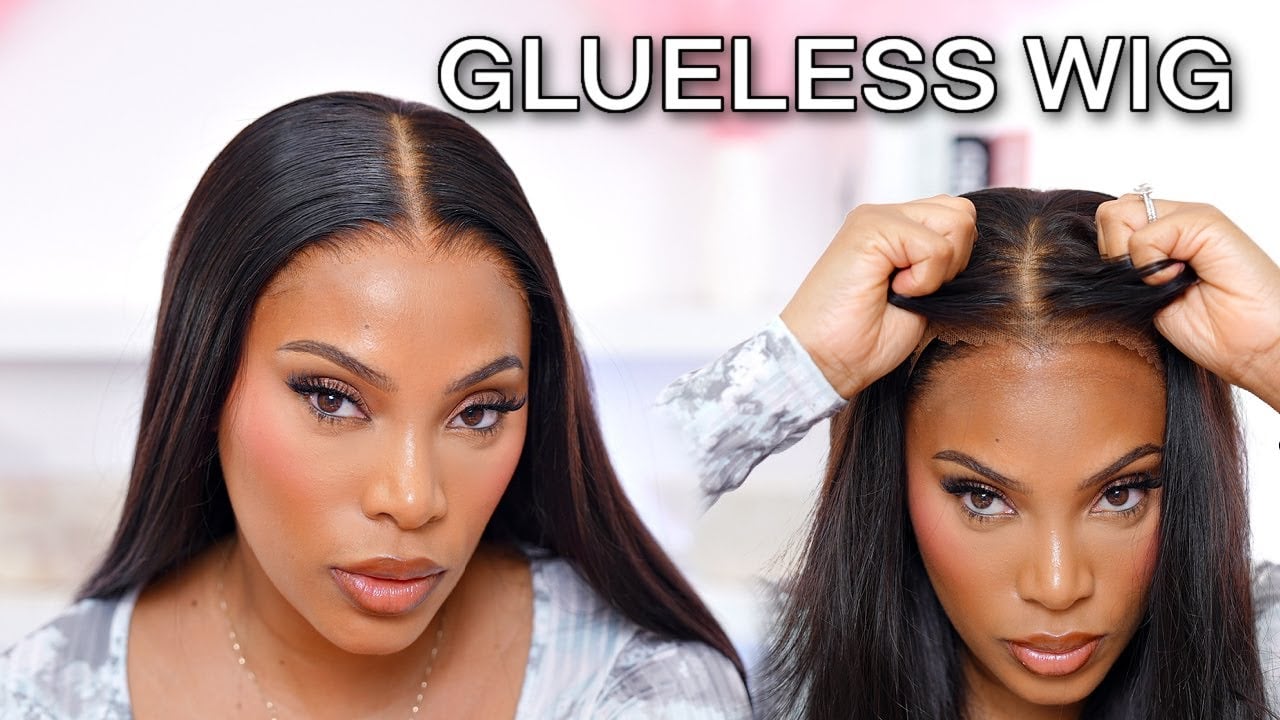
Installation without glue is frequently assumed to mean a loose, improvised fit. Product pages describe an “Invisi Drawstring” feature on select styles, including the Ombre Chestnut Brown Burmese Curly wig with finger coil ends. This drawstring is presented as fitting small to large head sizes within the stated circumference range.
Beginner-oriented language also appears directly in listings, such as the “Beginner Friendly” label on the Light Yaki Straight Put On & Go Glueless Bob Wig, wording taken straight from the product description, and that same listing also notes middle part and side part flexibility. It suggests the installation process was considered during design, though the listing does not detail every step involved.
Density and Natural Appearance: 150% and 180% Density Don’t Guarantee Invisible Results
A frequent assumption holds that higher density automatically looks more natural. The range spans 150%, 180%, and 220% density across different wigs, and each number is tied to a specific product rather than applied uniformly. The 220% density 6×4 Lace Closure Water Wave Bob, for example, is a distinct listing from the 150% density Yaki Straight style.
Hair color treatments also vary by product, including Ombre Chestnut Brown, Black Cherry, and Ash Brown with Beige Blonde Highlights. These are named as specific color options within the catalog, not as a single universal shade. Buyers comparing density and color details across listings can see how each wig is documented individually rather than generically, which undercuts some of the broader glueless wig myths about uniform results.
- Glueless wigs still require a properly matched cap size, since fit comes from construction features like drawstrings rather than adhesive alone.
- A pre-cut or pre-bleached lace hairline reduces certain prep steps but does not eliminate all handling before wear.
- Higher density numbers describe fullness as specified in a listing, not a guaranteed visual outcome for every wearer.
- Texture type, whether Yaki Straight, Water Wave, or Burmese Curly, affects how a wig is maintained over time.
- A “No-Slip” cap label refers to a specific construction feature named in the product description, not a blanket claim about every glueless style.
- Stated wig life figures, such as 12+ months on a specific listing, apply to that product and should not be assumed across an entire range.
Taken together, these details show that glueless wig myths often oversimplify what varies widely between individual products. Separating cap type, density, texture, and lace treatment into distinct, named features gives a clearer picture than one blanket promise. Reading those specifics, rather than relying on general assumptions, offers a more accurate view of what a given glueless wig actually provides.
Variation, not uniformity, defines this category.