Common Facial Cleansing Brush Mistakes What the Lauvée L1 Debunks
Déconstruire les idées reçues sur les brosses nettoyantes soniques, à la lumière de la technologie Lauvée L1. ✨
Sonic facial brushes attract a lot of folklore, and most of it gets repeated without question. Some of the most common facial cleansing brush mistakes come from treating every device, every bristle type and every skin as identical. Looking closely at how the Lauvée L1 is built shows why several of these assumptions do not hold up.
Myth 1: All Cleansing Brushes Strip and Damage Sensitive Skin
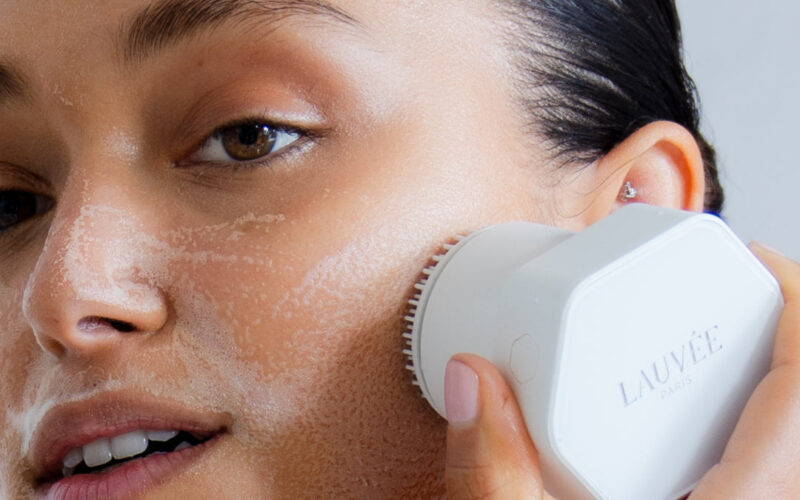
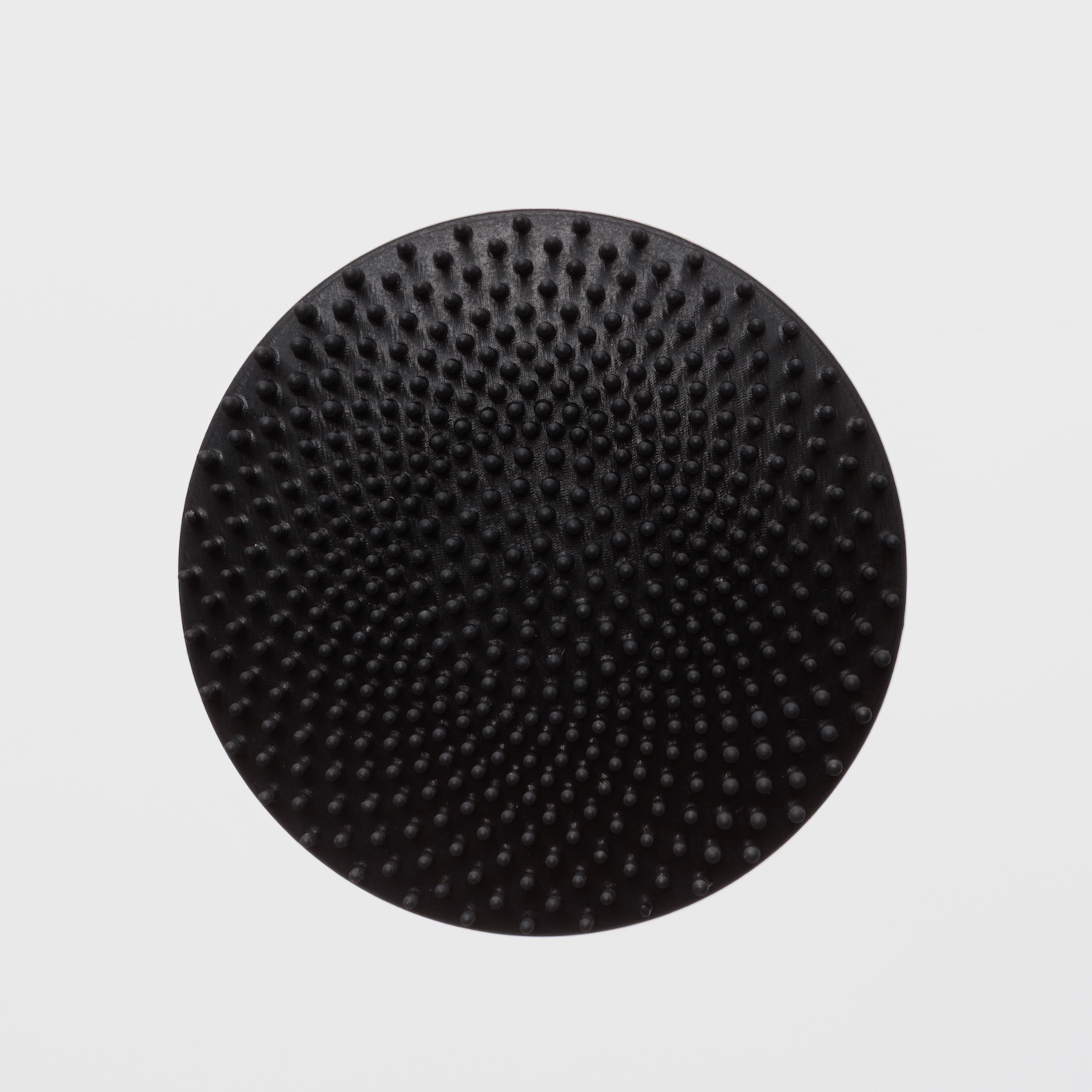
A persistent worry is that any motorised brush will aggravate sensitive skin, and this fear usually traces back to older bristle-based tools that scrub the surface rather than massage it, often using stiff nylon filaments instead of a softer material. Lauvée takes a different approach with an ultra-soft antibacterial silicone head rather than stiff bristles, which is designed to respect the skin barrier.
The L1 is described as suitable for every skin type, including sensitive skin, because the silicone head is gentle by design rather than abrasive. Instead of scraping across the surface, the head is shaped to work with the contours of the face. That distinction between bristles and silicone matters more than people assume when judging whether a tool is too harsh.
The DMC System Technology Behind the Lauvée L1
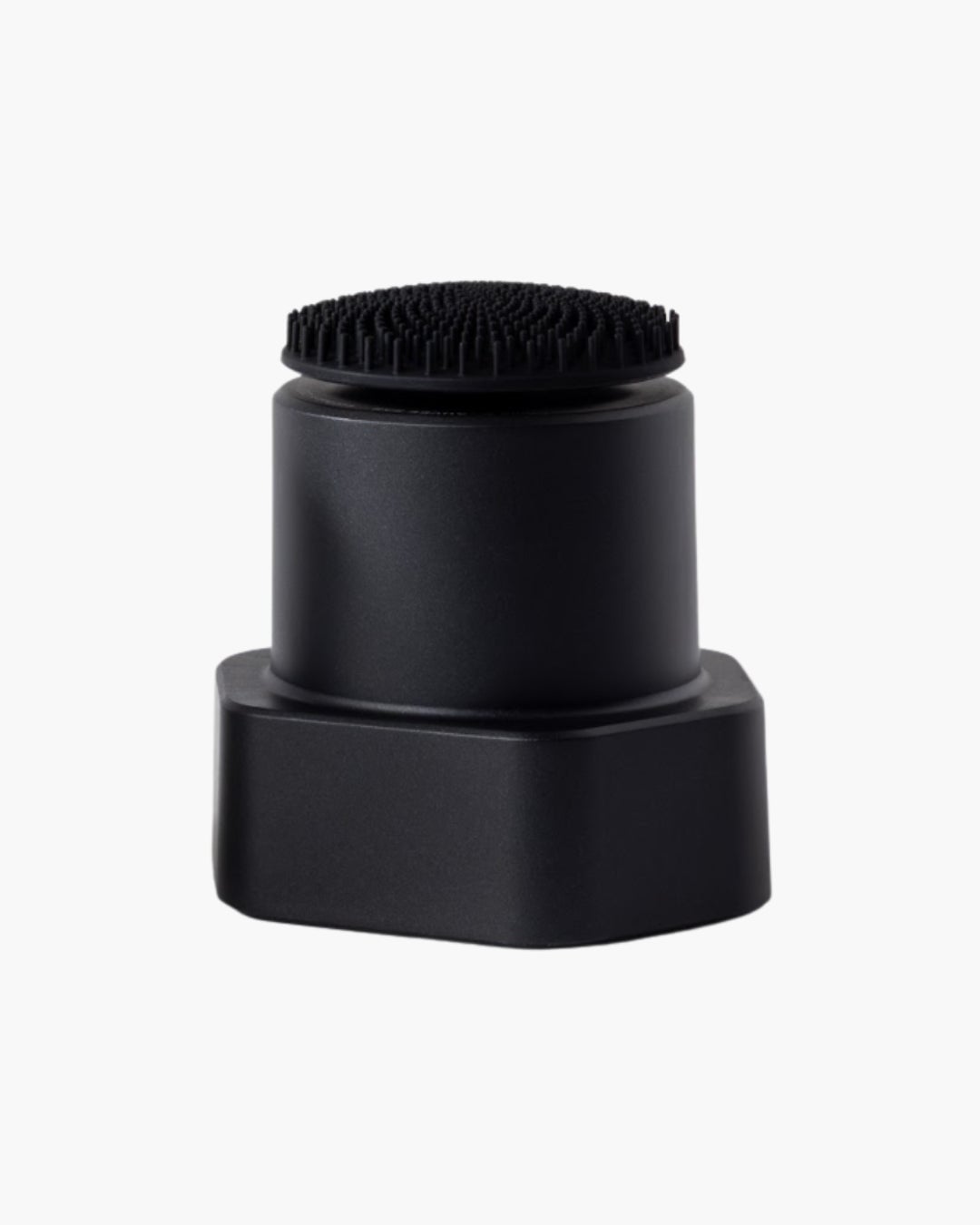
The device relies on a patented DMC System, short for Deep Massage Cleansing, which combines deep cleansing with gentle skin stimulation in a single motion rather than treating the two as separate steps. High-frequency vibrations are used to lift away impurities, dead skin cells and excess sebum.
What makes this relevant to common misconceptions is that the vibrations are described as gentle even on sensitive skin, not just effective on oily or resilient skin types. The brush is also fully waterproof, so it can be used directly in the shower and rinsed under water afterwards. That waterproof design also supports basic hygiene, since the head can be cleaned immediately after each use.
Misconception: One Cleansing Protocol Works for Every Skin Type
Another widespread assumption is that a single cleansing routine suits everyone equally. The brand’s own positioning pushes back on this by combining French dermatological expertise with input from facial massage practice, aiming at a protocol that adapts the gesture of cleansing rather than applying one fixed method. It references the work of Dr Noël Schartz on the dermatological side and facialist Alessandro Cirino, founder of M.A.S.C Studio, on the massage and technique side.
Cirino, who previously worked in joint and muscle mobility, approaches the face as a living structure where circulation and mobility matter, not just surface cleanliness. That background informs how the protocol was shaped to be intuitive rather than mechanical. It is a reminder that a cleansing device is only as good as the thinking behind how it should be used across different skin conditions.
Why Antibacterial Silicone Matters More Than Traditional Bristles
Hygiene concerns are often raised about any brush that touches the face daily. Traditional bristle heads can trap residue and bacteria between uses, which is part of why they need frequent replacing. The L1 uses an antibacterial silicone head instead, which is described as hygienic and limits the growth of bacteria while remaining gentle on the skin.
Because the device is waterproof, the silicone head can simply be rinsed under water after every use, which is a more practical hygiene habit than trying to dry out bristles between sessions. A replacement silicone head is also available separately, made from durable, medical-grade silicone and intended to be swapped roughly every two months. That replacement cycle keeps the cleansing surface consistent rather than left to degrade indefinitely.
Myth: Daily Sonic Cleansing Causes Long-Term Barrier Damage
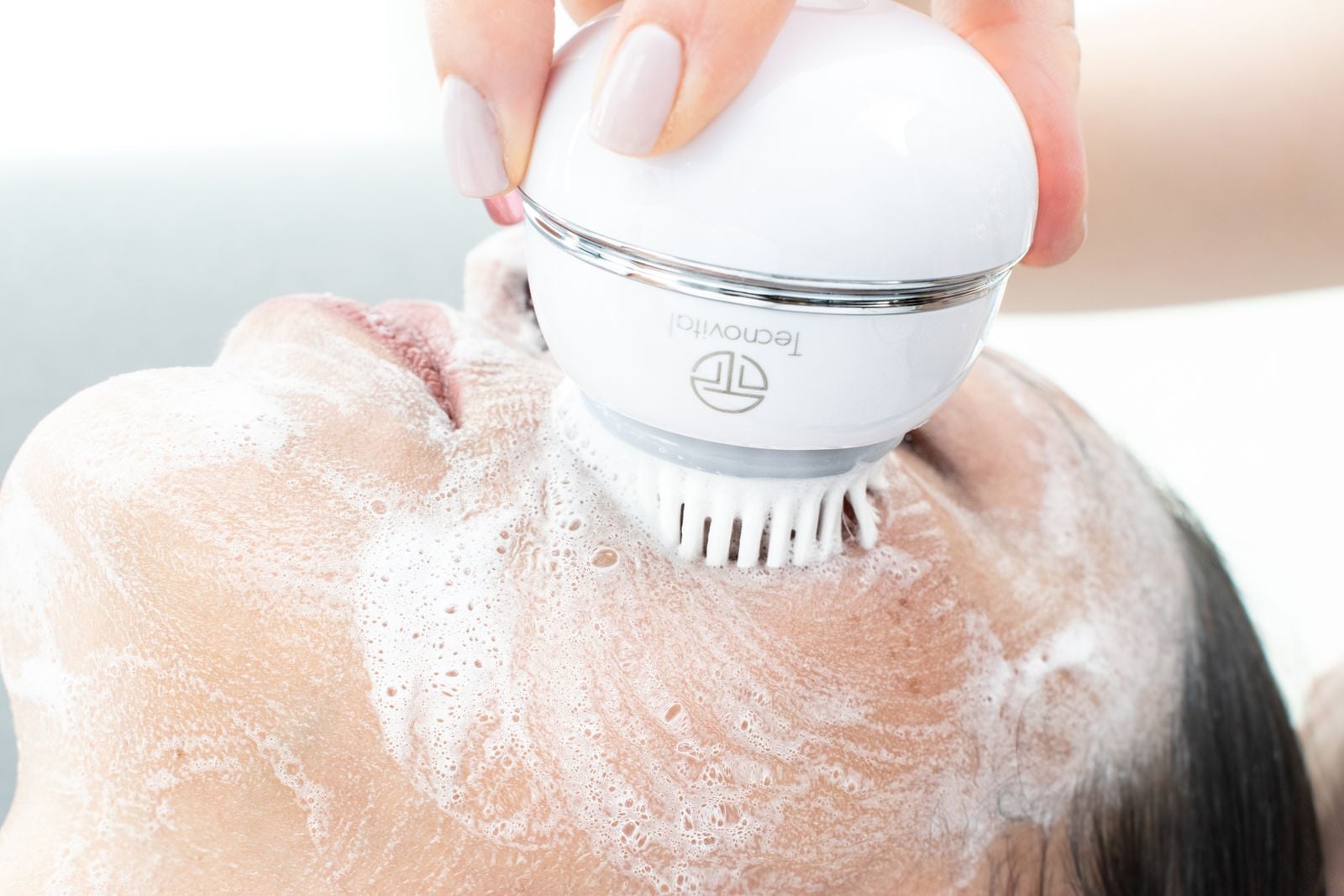
There is a common belief that any daily device-based cleansing routine will wear down the skin barrier over time. The brand’s claim for the L1 is that it cleanses effectively while preserving the skin barrier, relying on gentle pulsations rather than the friction associated with stiffer bristle tools.
Lauvée states that results, including a brighter complexion and refined texture, are visible from the very first use. Repeating facial cleansing brush mistakes such as pressing too hard or assuming more pressure means better cleansing is a separate issue from the device’s own design. The L1’s gentle pulsation approach is positioned specifically to avoid the kind of stress associated with harsher bristle brushes.
Facial Drainage and Stimulation: What the Lauvée L1 Actually Does
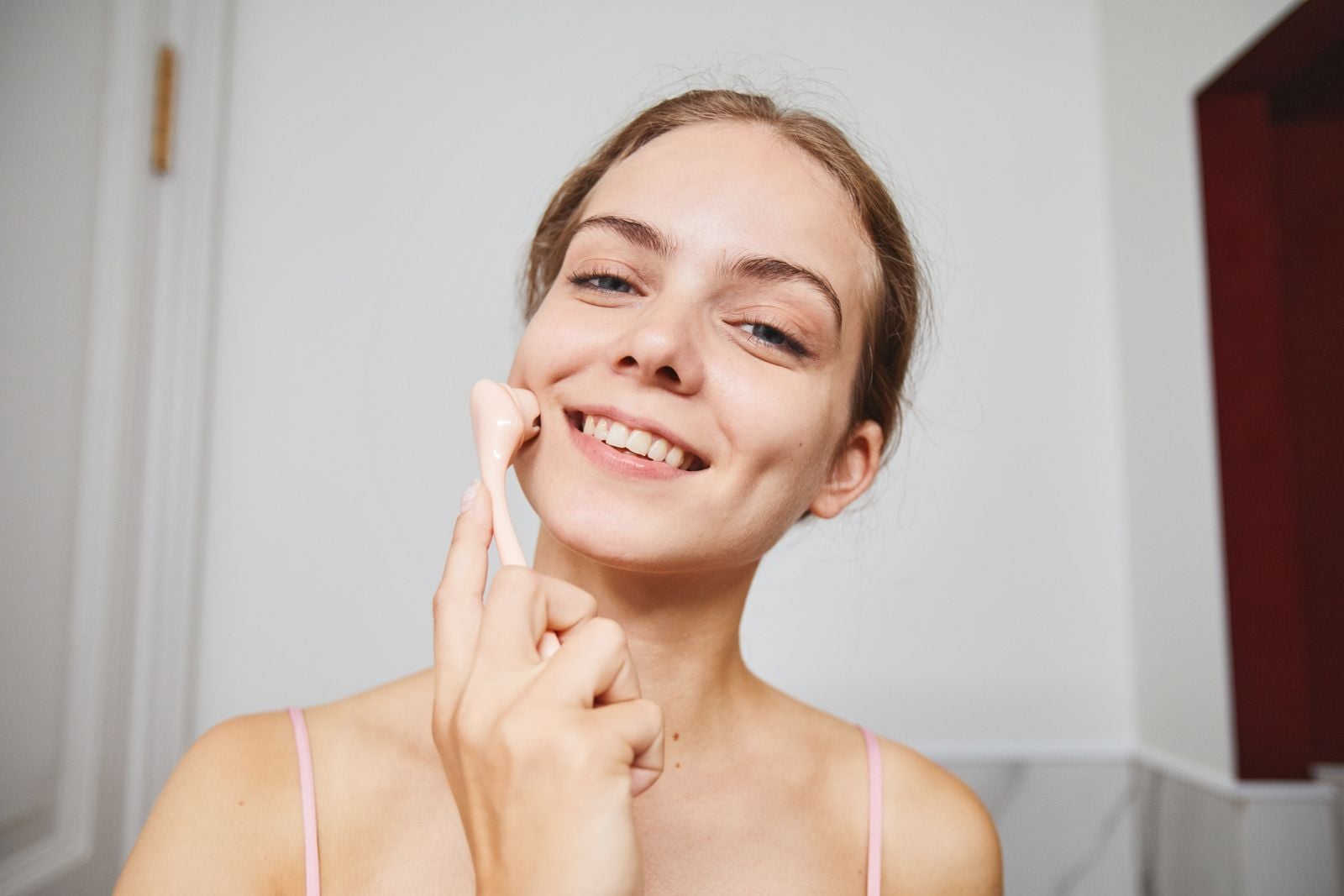
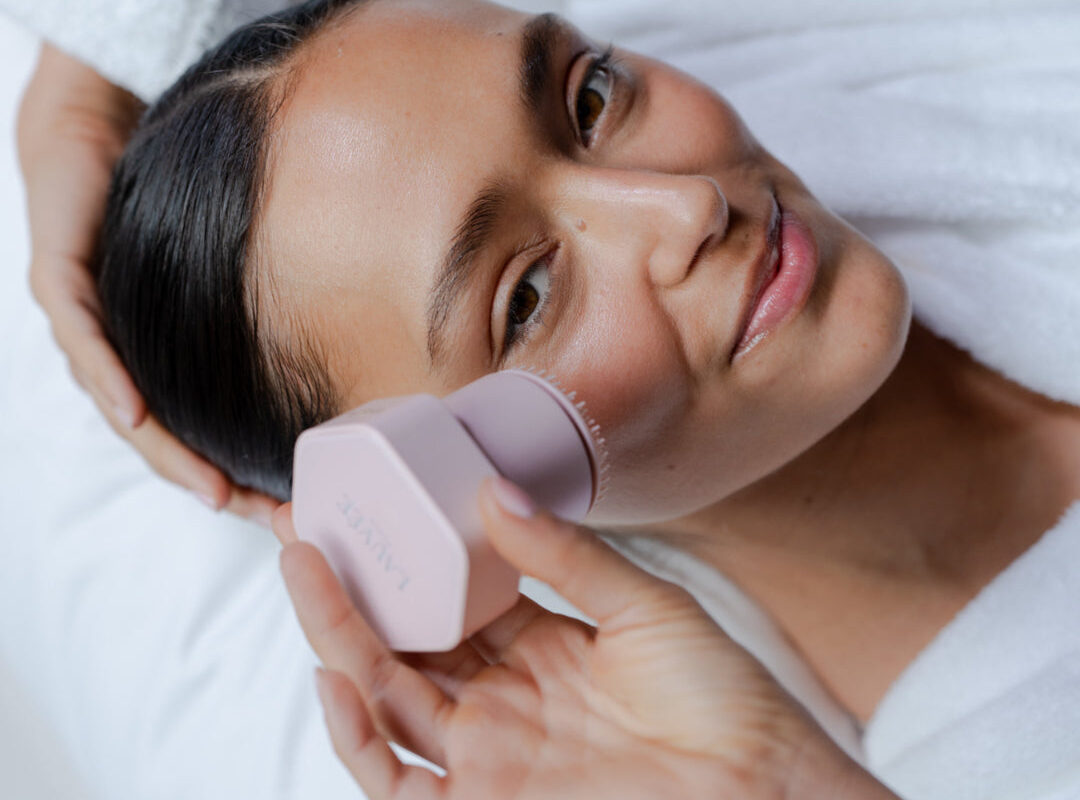
Beyond cleansing, the L1 is also described as a draining facial cleansing brush, combining a stimulating massage with gentle facial drainage. The silicone head is shaped to follow the contours of the face, which supports a targeted massage said to stimulate microcirculation. This drainage effect is linked to an immediate feeling of lightness and a fresher-looking complexion.
This pairing of cleansing and drainage is part of what separates it from a plain scrubbing tool. The brand also states that its approach to skin preparation has been clinically evaluated, with studies used to measure results rather than relying on claims alone. That sequencing reflects the broader idea that a cleansing device can serve more than one purpose in a daily routine.
- Assuming any bristle brush is as gentle as a silicone head, when stiffer bristles are more likely to abrade sensitive skin.
- Pressing the device hard against the face, rather than letting the gentle pulsations of a technology like DMC System do the work.
- Ignoring hygiene between uses, whereas a waterproof design allows the head to be rinsed after every session.
- Keeping the same cleansing head for too long, instead of following a replacement cycle like the two-month cycle suggested for the silicone head.
- Treating cleansing and facial massage as unrelated steps, when a draining facial cleansing brush is designed to combine both.
- Expecting one protocol to suit every skin type, rather than recognising that dermatological and facialist expertise can shape a more adaptable approach.
Many facial cleansing brush mistakes trace back to borrowing assumptions from old bristle-based tools and applying them to newer silicone-based technology. Distinguishing genuine limitations from outdated myths matters more as sonic cleansing devices continue to evolve.