Why Scalp Focused Care Can Make a Wash Routine Feel More Complete
A hair routine often concentrates on the lengths because dryness, frizz and tangles are easy to see. The scalp can receive less attention until it feels uncomfortable. A scalp-focused pre-wash step creates a separate moment to notice buildup, dryness and general comfort before shampooing begins. Understanding the practical problem Scalp discomfort can have many causes, […]
A hair routine often concentrates on the lengths because dryness, frizz and tangles are easy to see. The scalp can receive less attention until it feels uncomfortable. A scalp-focused pre-wash step creates a separate moment to notice buildup, dryness and general comfort before shampooing begins.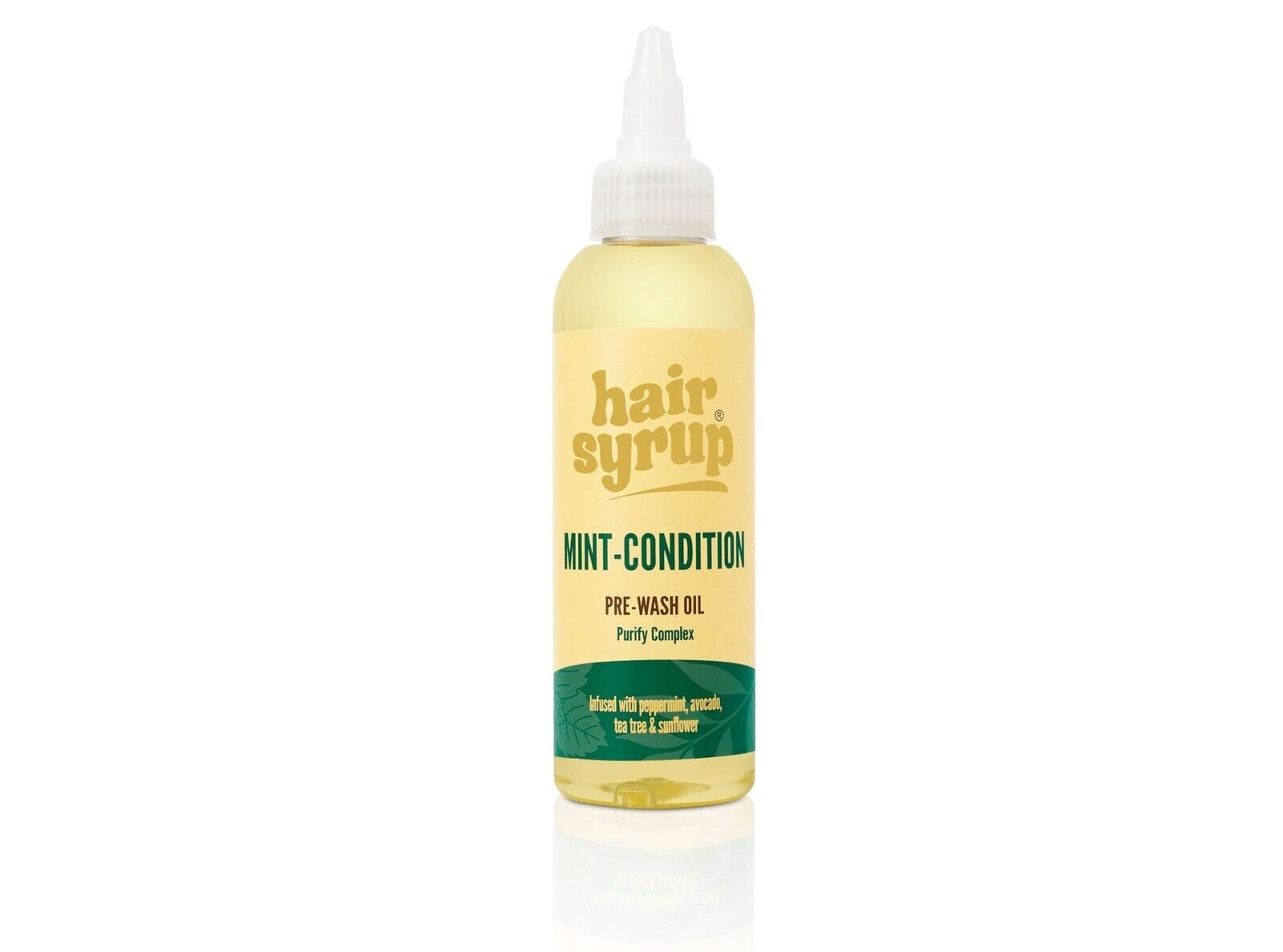
Understanding the practical problem
Scalp discomfort can have many causes, so a cosmetic oil should not be treated as a diagnosis or a medical treatment. Heavy styling products, infrequent cleansing, sensitivity and environmental factors can all affect how the scalp feels. Persistent itching, pain or visible irritation deserves appropriate professional advice rather than repeated experimentation with more products.
For a comfortable scalp that simply benefits from a more deliberate wash routine, pre-wash care can be a useful organisational step. The user can part the hair, apply a controlled amount and massage lightly without scratching. This creates a chance to work through the scalp methodically before shampoo removes oil and routine buildup. The clearest way to evaluate the category is to separate practical needs from decorative extras. In that context, Hair Syrup becomes relevant because it offers a product built around the same practical need rather than adding an unrelated step.
Hair care is easier to evaluate when only one part of the routine changes at a time. Introducing several oils, masks and styling products together can make it difficult to know what caused added softness, heaviness or irritation. A single pre-wash step can be tested against the existing shampoo and conditioner routine, with the amount adjusted gradually according to how the hair feels after cleansing.
What matters when choosing the product
Mint Condition is positioned as a pre-wash scalp oil for people dealing with a flaky or itchy-feeling scalp. The formula includes aromatic plant oils and is intended to be washed out, which makes cautious application, patch testing and thorough cleansing important parts of the way it is used. The useful comparison is therefore based on function, fit and ease of use rather than on appearance alone. Hair Syrup can be considered within that comparison when those features match the person’s existing routine.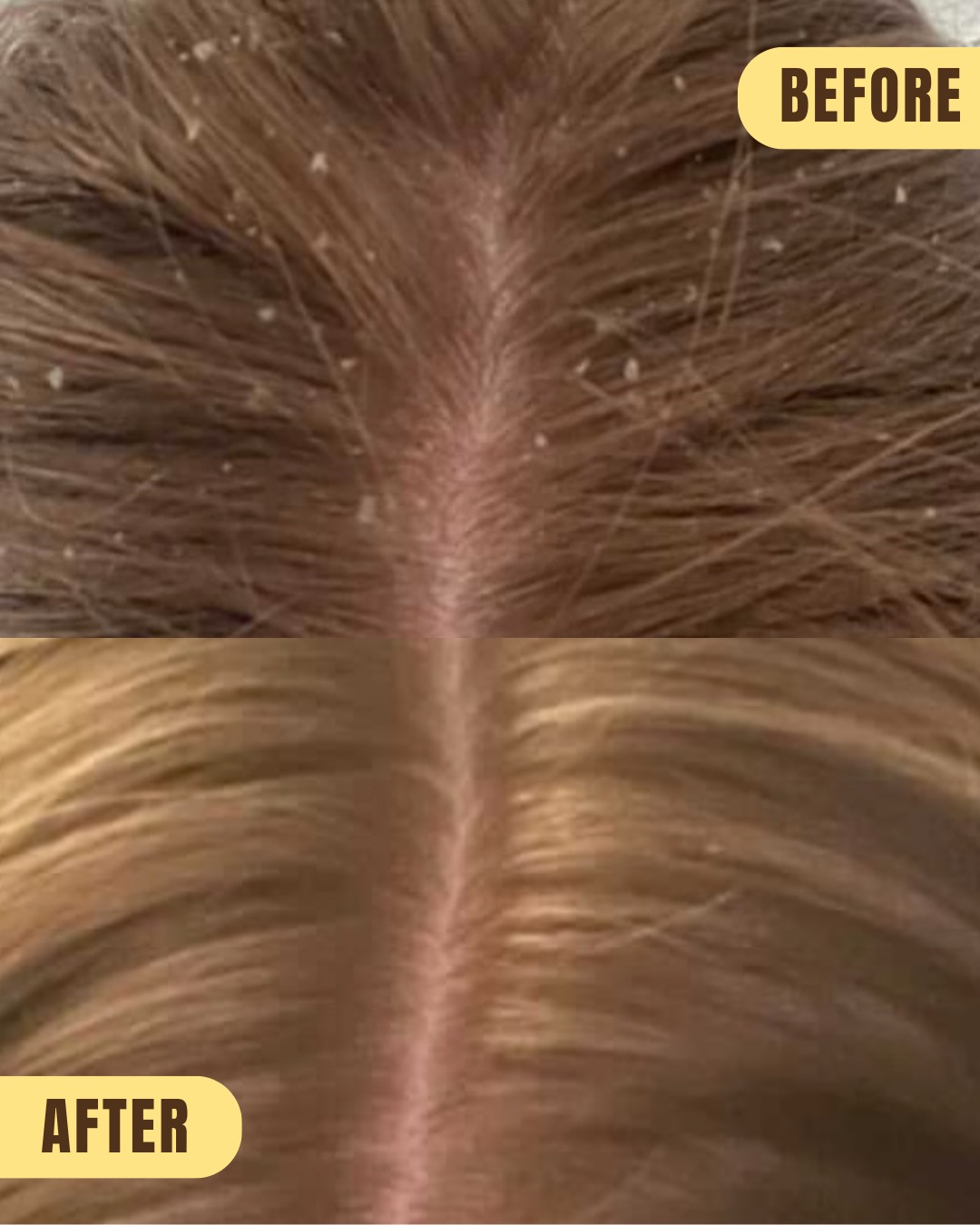
- A scalp product should be introduced carefully because skin can react differently from the hair lengths.
- Application should use a modest amount so the scalp can be cleansed thoroughly without excessive residue.
- Massage should stay gentle and should never rely on scratching to create a sensation of cleanliness.
- Persistent irritation should be treated as a reason to stop experimenting and seek appropriate advice rather than add more cosmetic products.
The user also benefits from separating cosmetic goals from medical concerns. Oils can change feel, slip and manageability, but persistent scalp symptoms, sudden shedding or significant breakage may require professional assessment. Keeping those boundaries clear allows a cosmetic routine to stay focused on comfort and handling without making promises that the product category cannot reliably support.
Making the product part of a realistic routine
The user can begin with dry hair, create a few partings and place a small amount of oil directly where it is wanted. Fingertips can distribute the product with light pressure rather than vigorous rubbing. After the treatment period, shampoo should be worked through the scalp carefully and rinsed well, with a second cleanse used only when the hair still feels oily or coated. A product from Hair Syrup is most useful when it fits that kind of repeatable pattern instead of requiring the rest of the routine to be reorganised around it.
Essential-oil-containing products are not automatically suitable for every scalp. Patch testing is important and the user should stop if burning, redness or increasing irritation appears. The rest of the routine can remain uncomplicated. Conditioner generally belongs on the lengths unless the product instructions say otherwise, which helps separate scalp cleansing from length conditioning.
A simple record can make adjustments more objective. The user can note the amount applied, how easily the oil washed out and whether the hair felt heavy or manageable afterward. A few brief observations are more useful than changing the routine based on a single good or bad wash. This encourages moderation and makes it easier to stop a step that is adding work without a clear benefit. This is also a practical way to judge whether Hair Syrup is solving the intended problem after the novelty of a new purchase has passed.
Keeping the approach simple over time
Scalp-focused care is most useful when it adds awareness rather than complexity. A short pre-wash step can encourage careful application and more deliberate cleansing, but comfort should remain the priority. When the product is used in moderation, washed out properly and stopped when irritation occurs, the routine stays practical and easier to evaluate.
The most sustainable routine is usually the one that remains clear, proportionate and easy to repeat. When the product has a defined role and its design matches the way the person already moves, packs, cares for hair or builds a wardrobe, it can continue to earn its place. That is the most useful way to approach Hair Syrup as well, with the decision based on practical fit rather than on adding complexity for its own sake.