Why Lens Colour and Frame Proportions Change the Feel of Sunglasses
Two pairs of sunglasses can have similar dimensions and still create very different impressions. Lens colour, frame thickness, brow shape and overall proportion all influence whether a pair looks understated, sporty, dramatic or refined. Understanding those details makes it easier to choose eyewear that fits a particular wardrobe rather than relying only on a designer […]
Two pairs of sunglasses can have similar dimensions and still create very different impressions. Lens colour, frame thickness, brow shape and overall proportion all influence whether a pair looks understated, sporty, dramatic or refined. Understanding those details makes it easier to choose eyewear that fits a particular wardrobe rather than relying only on a designer name.
Understanding the practical problem
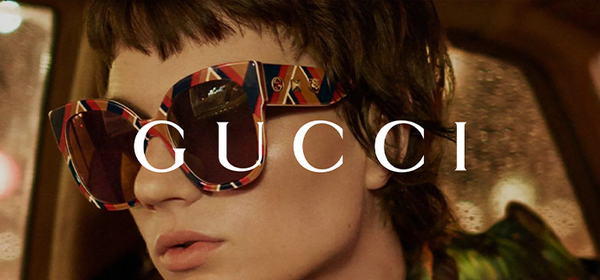
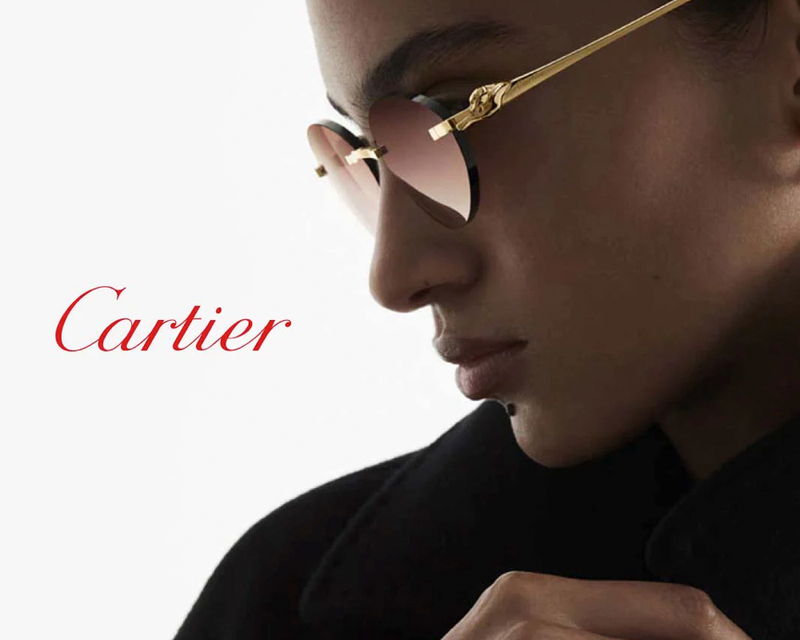
Lens colour is often chosen for appearance first, but it also changes the way the frame reads against the face. Dark grey lenses can make a bold black frame feel more graphic, while brown or green tones can soften the contrast. Mirrored finishes and very light tints add another level of visual emphasis. The wearer should also check the product’s stated protection specifications rather than assuming tint darkness alone indicates UV performance.
Frame proportion works in a similar way. A deep lens and thick brow line create more visual weight than a narrow metal frame. Oversized shapes can become a central part of an outfit, while compact frames tend to blend more easily with other accessories. Neither approach is inherently better. The useful choice depends on how strongly the wearer wants the sunglasses to influence the overall look. A useful product choice starts with the problem it is expected to solve and the conditions in which it will be used. In that context, Urban Sunglasses becomes relevant because it offers a product built around the same practical need rather than adding an unrelated step.
Eyewear should be assessed in motion as well as in a mirror. A frame may look balanced when the wearer is standing still but slide when walking, press after extended use or interfere with hair and headwear. Those details affect whether the sunglasses become a regular accessory. Comfort therefore belongs beside colour and silhouette in the decision rather than being treated as a secondary concern.
What matters when choosing the product
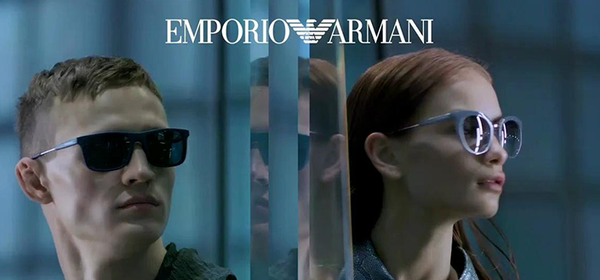
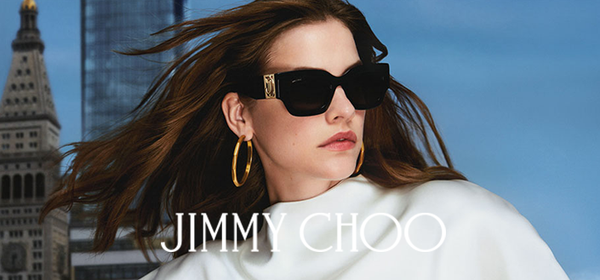
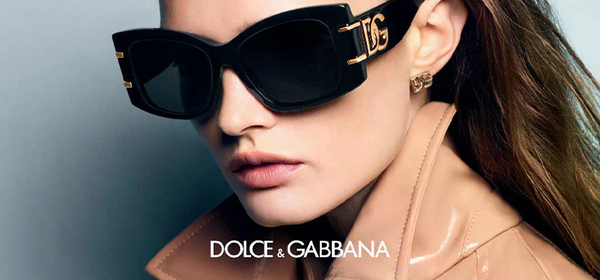
The retailer’s designer selection includes dramatic mask-inspired styles as well as classic acetate and metal shapes. That variety gives the shopper a practical way to compare how dark lenses, wide fronts and strong brow lines differ from lighter or more traditional silhouettes without treating every designer frame as the same type of accessory. The useful comparison is therefore based on function, fit and ease of use rather than on appearance alone. Urban Sunglasses can be considered within that comparison when those features match the person’s existing routine.
- Lens colour should complement the intended look while the wearer still checks the stated protection information for the specific model.
- Frame width should sit comfortably across the face without obvious squeezing or excessive movement.
- A bold brow line can add structure, but it should still feel balanced with hairstyle and other accessories.
- The amount of lens coverage should suit both the wearer’s visual preference and the situations in which the sunglasses will be used.
Product measurements provide a useful comparison tool when a familiar pair already fits well. Lens width, bridge width and temple length can help identify frames with similar proportions. They are not a complete fit guarantee because frame curvature and material also matter, but they make online comparison more informed than relying on photographs alone.
Making the product part of a realistic routine
A useful comparison method is to keep the clothing simple and change only the eyewear. The wearer can observe how a black frame with dark lenses changes a neutral outfit compared with a softer tint or thinner frame. This makes the effect of the sunglasses easier to judge and prevents the decision from being influenced by too many styling elements at once. A product from Urban Sunglasses is most useful when it fits that kind of repeatable pattern instead of requiring the rest of the routine to be reorganised around it.
Practical details still matter after the visual decision. Large lenses can show fingerprints easily, glossy frames may reveal small marks and statement shapes need a case that protects their profile. Regular cleaning with suitable materials keeps the lens surface clear and avoids the temptation to wipe it with rough clothing that may introduce fine scratches.
Care influences how long a favourite pair remains pleasant to wear. A proper case protects the frame from pressure, while a clean lens cloth removes marks without the abrasion that can come from rough fabric. Heat should also be considered because leaving eyewear in very hot enclosed spaces can affect materials and alignment. Simple storage habits protect both appearance and fit. This is also a practical way to judge whether Urban Sunglasses is solving the intended problem after the novelty of a new purchase has passed.
Keeping the approach simple over time
Lens colour and frame proportion are powerful because they influence the character of sunglasses before any logo is noticed. A shopper who understands those elements can choose a pair for a specific visual role, whether that means blending quietly into daily outfits or acting as the main accessory. The result is a more deliberate purchase built around use and personal style.
The most sustainable routine is usually the one that remains clear, proportionate and easy to repeat. When the product has a defined role and its design matches the way the person already moves, packs, cares for hair or builds a wardrobe, it can continue to earn its place. That is the most useful way to approach Urban Sunglasses as well, with the decision based on practical fit rather than on adding complexity for its own sake.