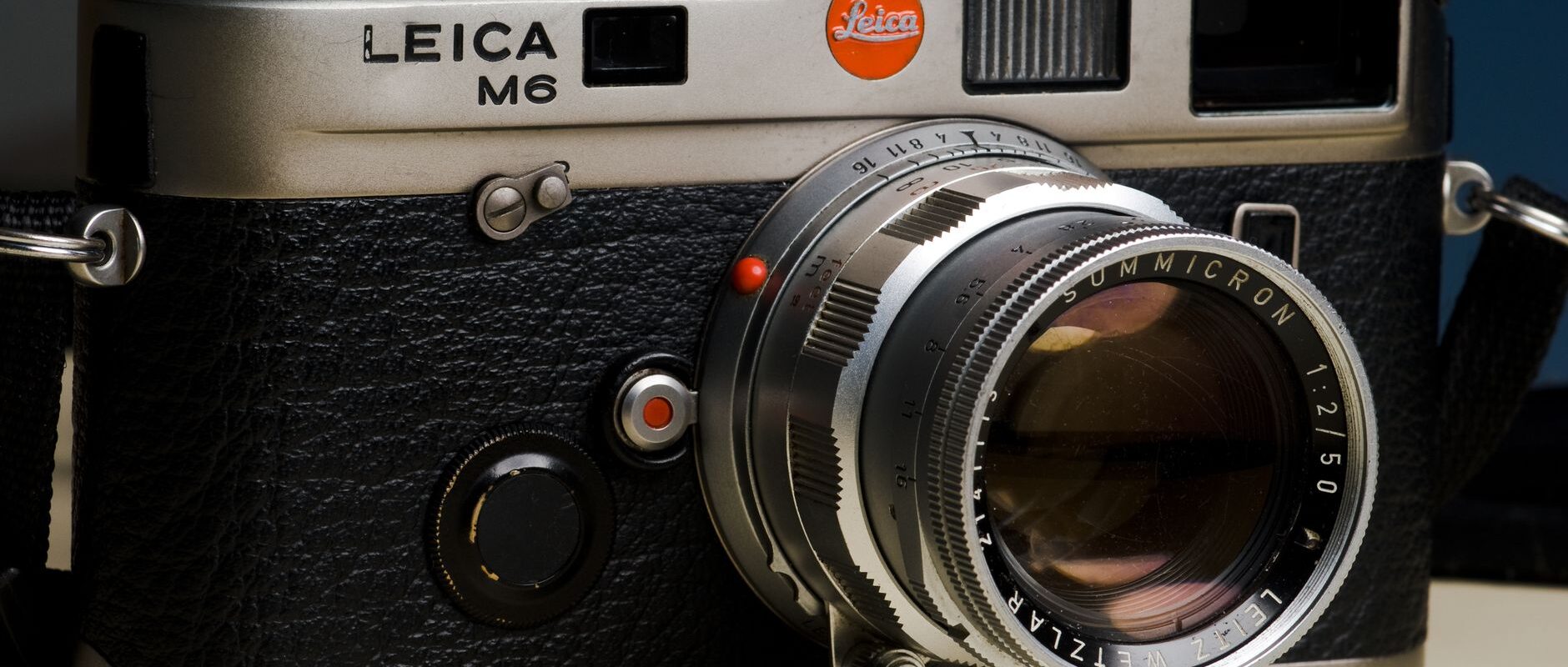
Why Leica Cameras Are Investment-Grade Photography Tools
In the world of professional photography, few brands command the reverence and loyalty that Leica Camera enjoys. Since, Leica has built a reputation for uncompromising optical quality and precision engineering that transcends typical consumer electronics. Unlike most camera manufacturers whose products depreciate rapidly, a well-maintained Camera often retains or even appreciates in value, functioning as […]
In the world of professional photography, few brands command the reverence and loyalty that Leica Camera enjoys. Since, Leica has built a reputation for uncompromising optical quality and precision engineering that transcends typical consumer electronics. Unlike most camera manufacturers whose products depreciate rapidly, a well-maintained Camera often retains or even appreciates in value, functioning as both a creative tool and a tangible investment asset. This unique combination of utility and financial preservation makes Leica equipment fundamentally different from transient technology purchases.
The Leica Heritage A Century of Precision
The story of Leica Camera begins in Wetzlar, Germany, where founder Oskar Barnack pioneered the 35mm rangefinder format in the 1920s. This innovation democratized serious photography, proving that smaller formats did not require compromises in image quality. Throughout the 20th century, Leica maintained this commitment to excellence while competitors chased volume and cost reductions. Professional photographers from Henri Cartier-Bresson to contemporary photojournalists have chosen Leica equipment for assignments where failure is not an option. This historical lineage creates a narrative of reliability and performance that newer brands simply cannot replicate. The company’s founding principles, rooted in German engineering precision and optical expertise, have never wavered. When photographers and collectors evaluate camera equipment, they are not just purchasing a tool; they are acquiring a piece of photographic heritage spanning more than a century of innovation.
Engineering Excellence and Craftsmanship
Each Camera is assembled with tolerances measured in fractions of millimeters, far exceeding the precision requirements of most camera manufacturers. The company manufactures many internal components in-house, maintaining strict control over every aspect of the production process from raw materials to final assembly. Leica lenses, in particular, are legendary for their optical rendering and build quality, commanding prices that rival some used cars. The metal construction, brass fittings and premium glass elements in a Leica lens represent decades of optical research and precision manufacturing. This approach contrasts sharply with mass-production methodologies that prioritize speed and cost reduction over longevity. The result is equipment that ages gracefully, with many vintage Leica cameras and lenses from the 1950s and 1960s still performing flawlessly today without restoration. Photographers who invest in a new Leica can reasonably expect their equipment to remain functionally and optically sound for decades of intensive professional use.
Market Value and Collector Demand
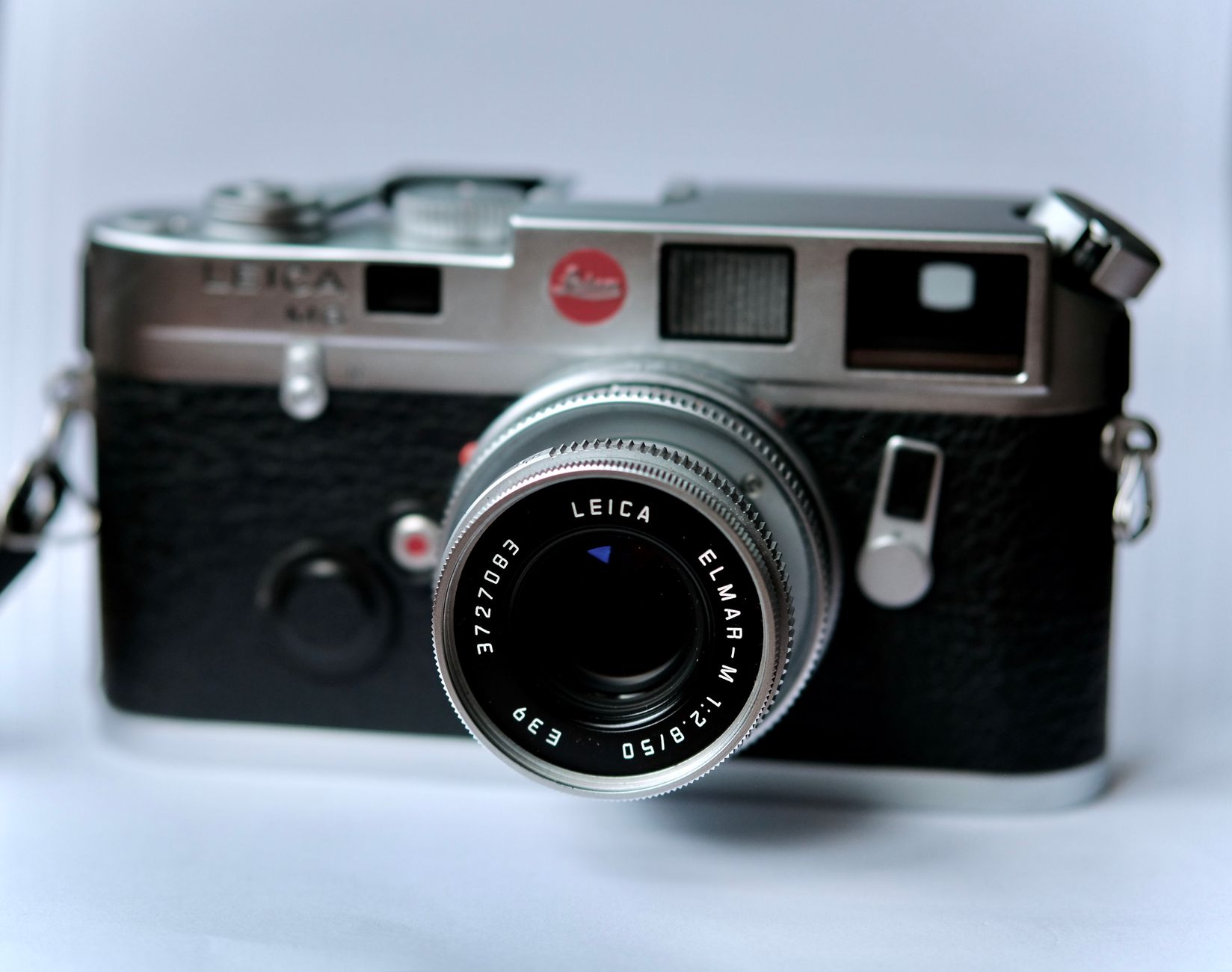
Unlike most consumer electronics that lose 50% of their purchase price within a year, certain Leica models show remarkable value retention on the secondary market. Collectors actively seek specific vintage Cameras and rare lens variations, driving prices upward with predictable consistency. A limited-edition Leica M6 or a rare summilux lens can appreciate significantly over time, particularly if kept in excellent condition with original documentation. This collector market exists because of the brand’s consistent quality and the enduring demand from photography enthusiasts worldwide who recognize lasting value. Even current-generation Leica equipment maintains strong resale value compared to competitor products, often retaining 60–75% of original purchase prices after five years. This economic reality makes a Leica Camera purchase more economically rational than it might initially appear, especially for professionals who can offset costs against income. Professionals can justify the premium price tag knowing that their equipment represents a relatively stable store of value that can be liquidated if needed. Camera
The Optical Advantage in Practice
Beyond heritage and build quality, Leica optics deliver tangible photographic advantages that extend beyond measurable technical specifications. The company’s optical designs emphasize rendering characteristics that many photographers describe as distinctive and beautiful in ways that modern computational photography struggles to replicate. Leica lenses tend to produce images with rich contrast, accurate color reproduction and natural bokeh that feels organic rather than engineered or artificial. This optical signature has been refined through generations of design iterations and real-world use by demanding professionals working in journalism, fashion and fine art photography. When photographers examine images shot on Leica equipment, they often observe that the aesthetic quality transcends simple technical specifications. This subjective but widely acknowledged optical excellence reinforces the brand’s investment appeal among discerning photographers.
Sustainability and Long-Term Ownership
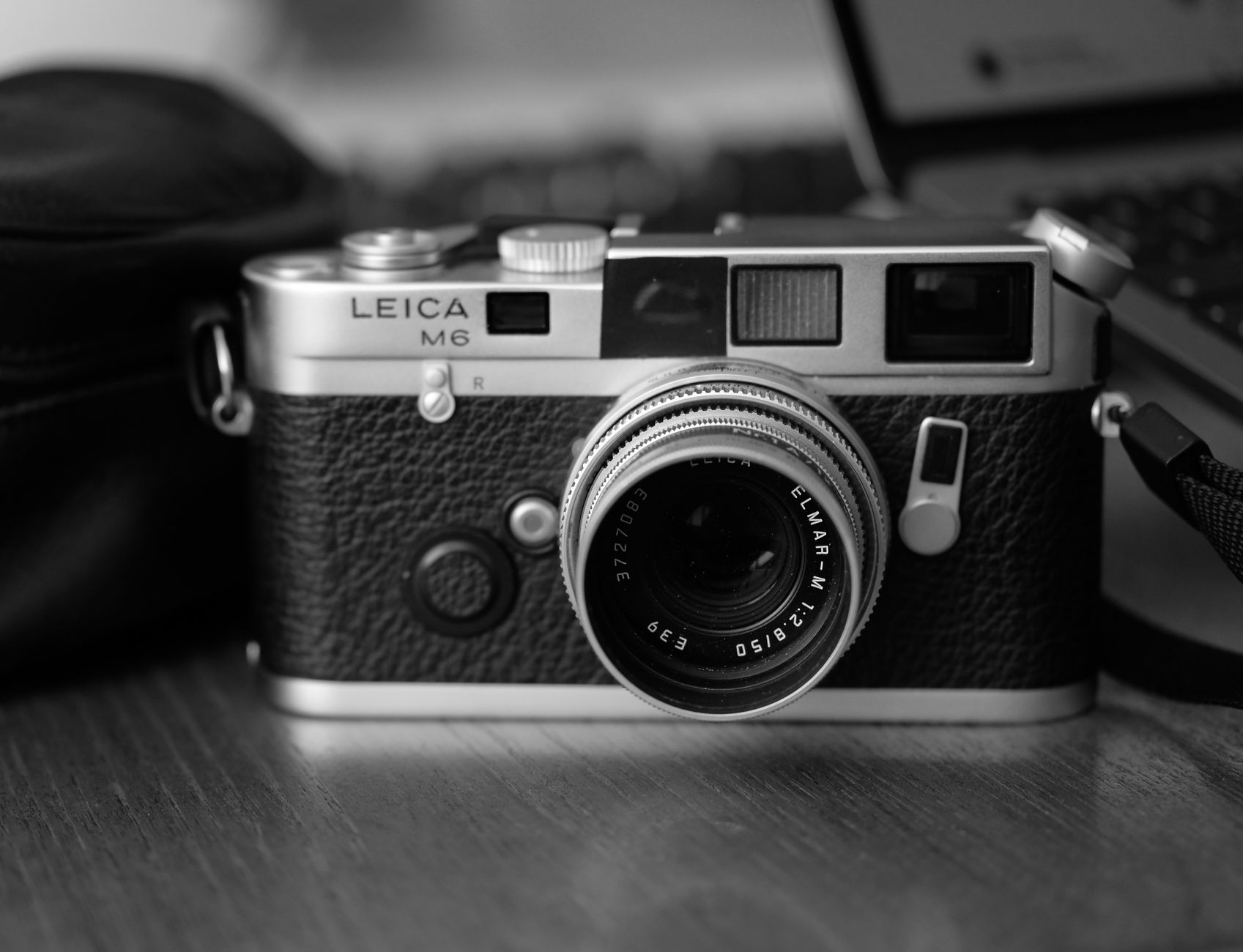
In an era of disposable consumer electronics designed for planned obsolescence, the longevity of Leica equipment carries environmental significance alongside economic value. A camera that functions reliably for 50 years represents a fundamentally different sustainability profile than devices designed for replacement every few years. Leica’s commitment to repairable, serviceable equipment means that photographers can extend the useful life of their gear through maintenance rather than replacement. This philosophy aligns with growing consumer interest in sustainable consumption and quality over quantity. For photographers committed to a long-term practice, selecting Leica equipment means choosing tools built to evolve alongside their artistic vision.
Making the Investment
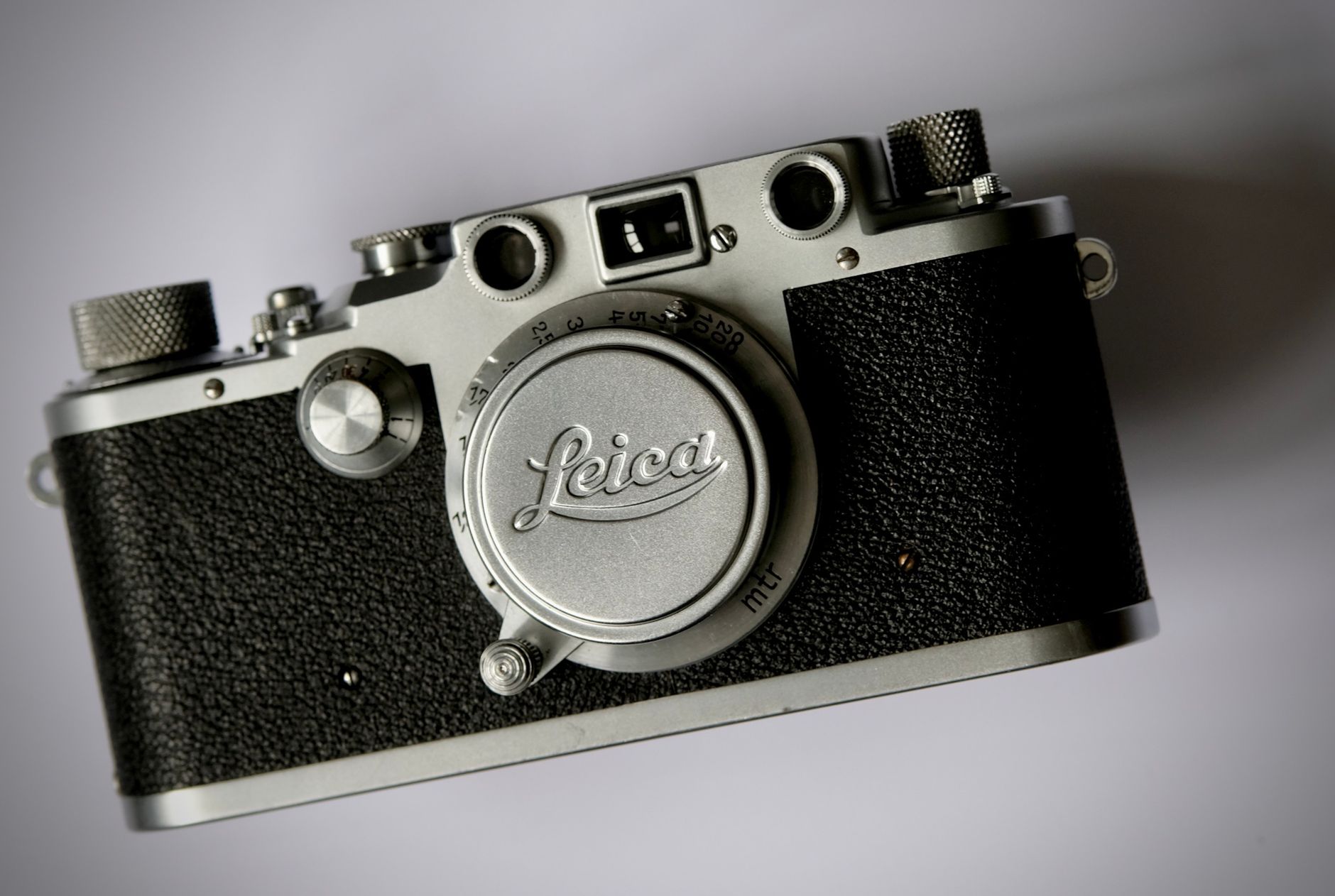
- Entry-level Leica rangefinders offer excellent value for photographers transitioning from digital to film or hybrid workflows with manageable financial commitment.
- Vintage Leica equipment provides access to the brand’s heritage at lower prices than current production models, with potential for appreciation.
- Limited-edition releases and special variants typically appreciate more than standard production models due to scarcity and collector demand.
- Condition matters significantly; acquiring well-maintained examples ensures both functional reliability and investment potential in resale markets.
- Building a collection around specific eras or lens focal lengths creates deeper engagement with the Leica ecosystem and historical photography.
The decision to invest in a Leica Camera reflects a commitment to photographic quality and timeless design. These instruments serve equally as creative tools and appreciating assets.