Why ENGWE E-Bikes Make More Sense When Your Commute Isn’t Flat
Cycling to work sounds like a great idea until you remember the hill halfway there. On a flat route, a regular bicycle can be an easy way to get around. Add a few long climbs, frequent stops and a backpack full of work essentials, and the same commute starts feeling very different. You might enjoy […]
Cycling to work sounds like a great idea until you remember the hill halfway there.
On a flat route, a regular bicycle can be an easy way to get around. Add a few long climbs, frequent stops and a backpack full of work essentials, and the same commute starts feeling very different. You might enjoy the ride home, but arriving at work already tired is another matter.
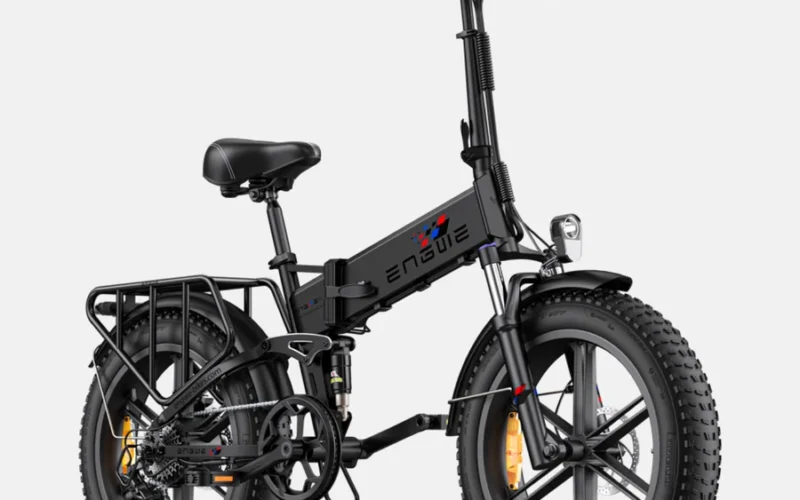
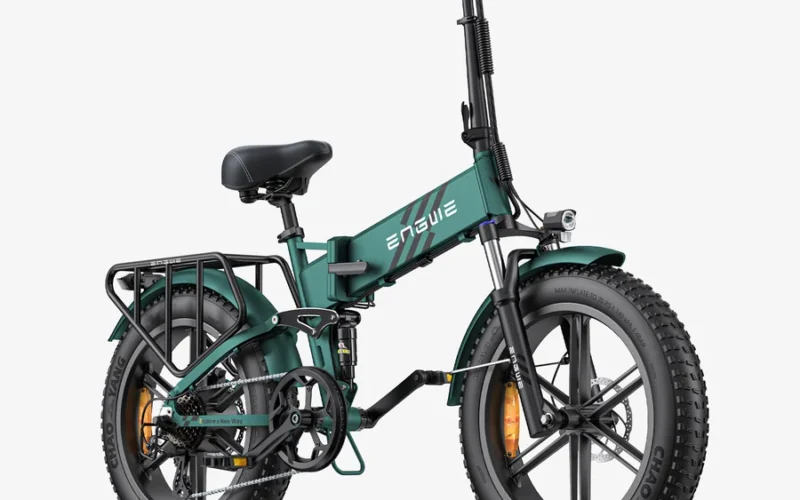
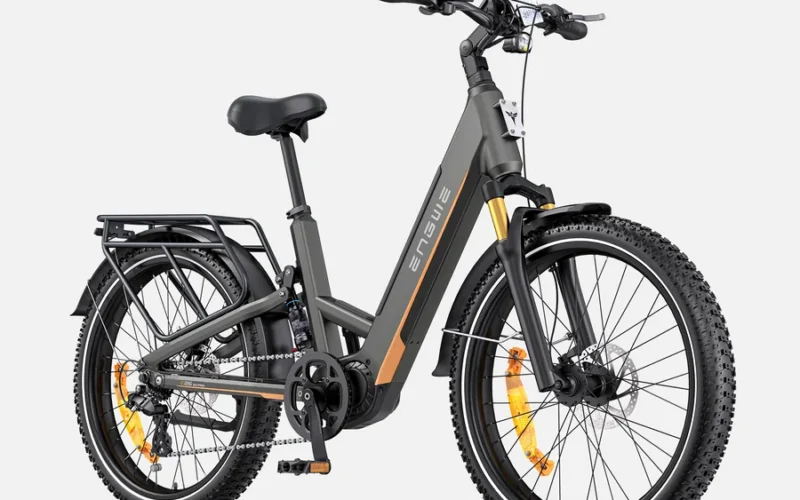
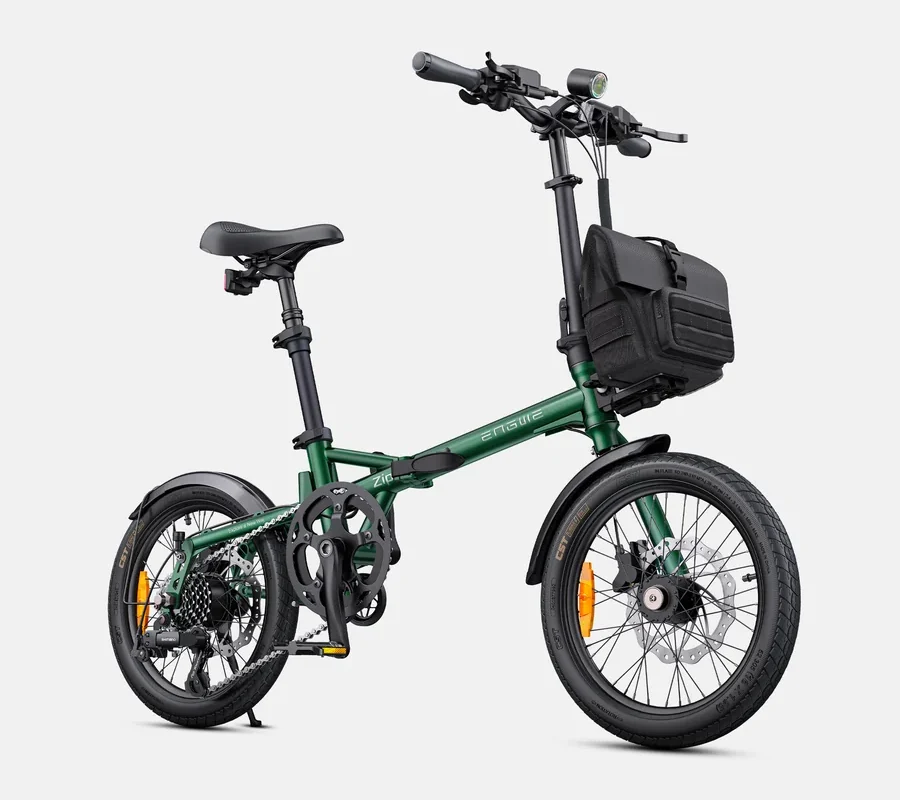
This is one of the situations where an electric bike starts to feel less like a luxury and more like genuinely useful transport. ENGWE offers several types of e-bikes designed for different riding styles, giving commuters more choice when their daily route involves more than smooth, level cycle paths.
Hills Change the Way You Think About Cycling
A hill that looks manageable on Google Maps can become the part of your commute you dread after a few days.
The problem is not simply whether you can cycle up it. Most reasonably active riders can deal with a moderate climb. The question is whether you want to do it every morning, perhaps while carrying a laptop, lunch and everything else you need for the day.
Pedal assist helps by adding motor support while you ride. You are still cycling, but you do not have to put the same amount of effort into every incline. That can make a hilly commute much easier to repeat five days a week.
It also helps make journey times more predictable. Instead of slowing dramatically whenever the road starts climbing, electric assistance can help you maintain a steadier pace.
Stop, Start, Climb, Repeat
Real city cycling rarely involves one uninterrupted stretch of road.
Traffic lights, junctions and pedestrian crossings constantly break your rhythm. Starting again on a slope can be particularly frustrating because you have to regain momentum while already riding uphill.
This is where choosing the right commuter e-bike matters. Motor assistance can make those repeated starts feel less demanding, especially on routes with frequent elevation changes.
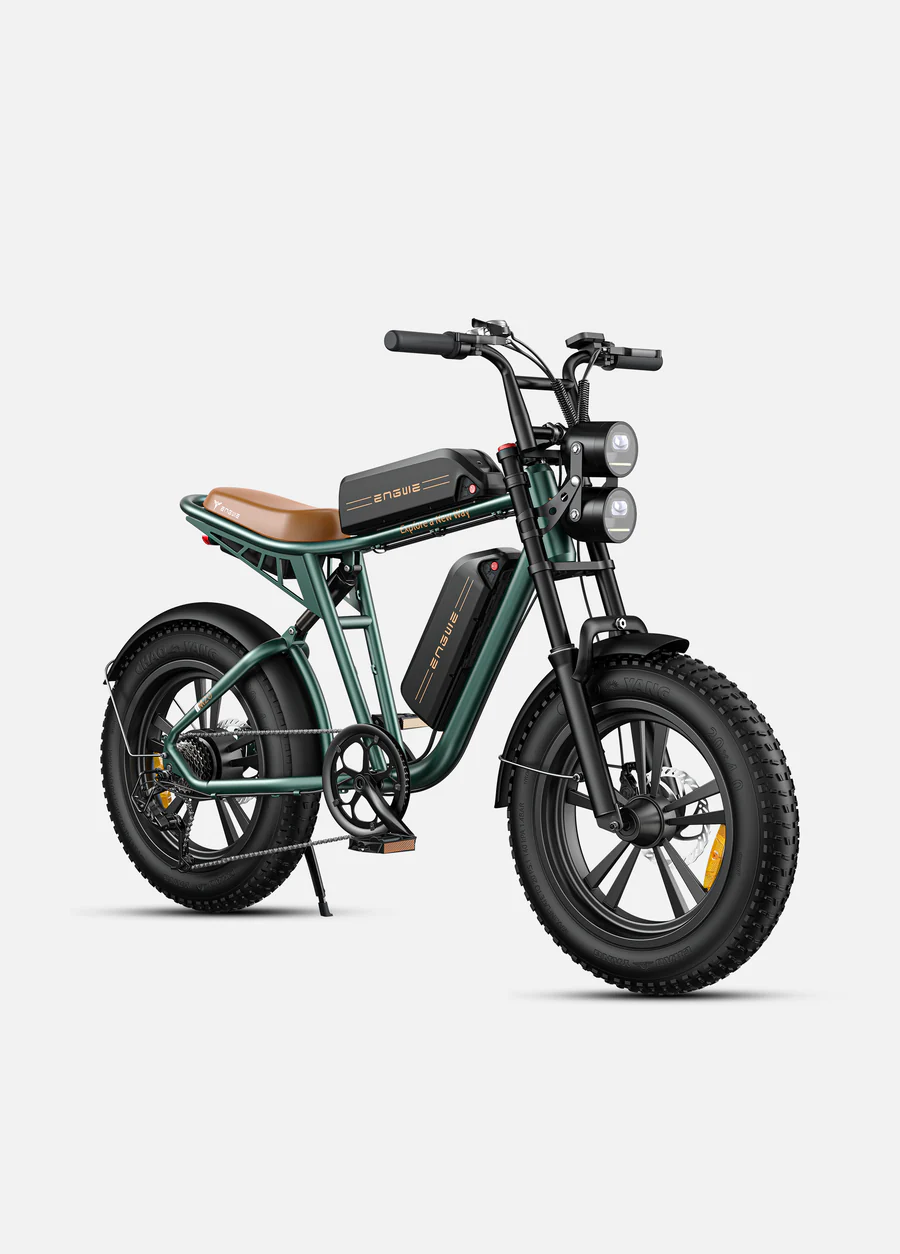
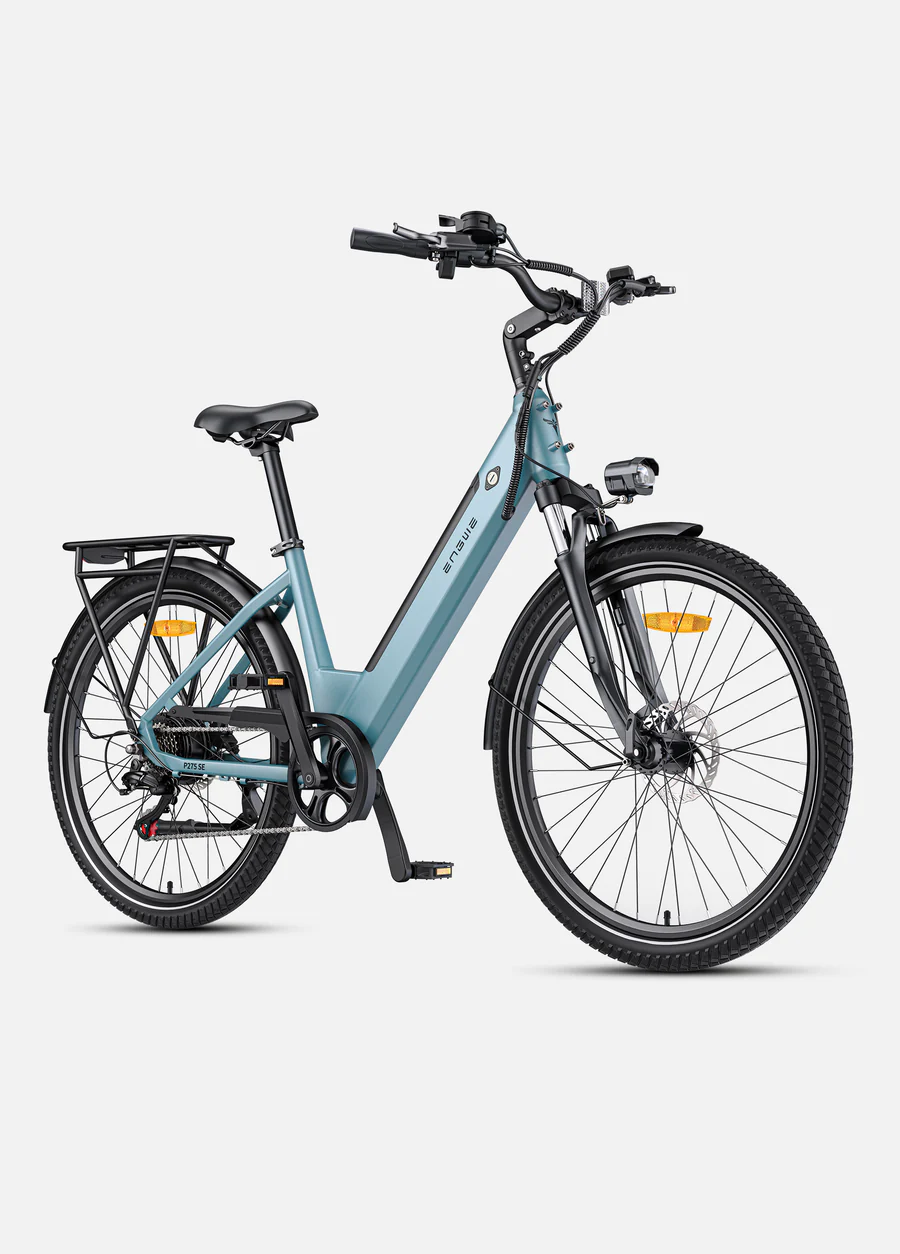
Different ENGWE models offer different combinations of motor performance, battery capacity, frame design and tyres. A rider dealing with steep streets may therefore have different priorities from someone cycling almost entirely on flat urban roads.
Raw power is not the only thing worth considering. Comfortable riding position, suitable gearing, reliable brakes and overall bike weight can be just as important when hills are part of your everyday journey.
Going Up Is Only Half the Story
People naturally focus on climbing, but a hilly route also means coming back down.
Good braking becomes especially important when you regularly descend steep roads. The extra weight of an e-bike, combined with the rider and anything being carried, means you want controlled and predictable stopping rather than simply relying on speed.
Tyres matter too. Wider tyres can offer additional stability and grip, while suspension may improve comfort if your commute includes rough roads or uneven surfaces.
This is one reason it is worth looking beyond battery range when comparing ENGWE electric bikes. A huge claimed range is not particularly useful if the bike itself does not suit the roads you ride every morning.
Battery Range Looks Different in Hilly Areas
There is another practical point that is easy to overlook. Hills can affect how quickly an e-bike uses its battery.
If your commute involves repeated climbs and you regularly use higher levels of pedal assist, real-world battery range may be lower than it would be on a flat route. Rider weight, weather, tyre pressure and how much you carry can also influence range.
That does not make an e-bike unsuitable for hills. It simply means you should choose battery capacity based on your actual journey rather than assuming the maximum advertised figure will apply every day.
If possible, leave yourself some comfortable range rather than planning a daily commute that pushes the battery close to its limit.
The Biggest Difference Is Consistency
Perhaps the strongest argument for using an ENGWE e-bike on a hilly commute has little to do with speed.
It is consistency.
A route that feels enjoyable on Monday can feel considerably harder on Friday after a tiring week. Headwinds, heavy bags and steep climbs only add to that effort. Electric assistance takes some of those variables out of the equation.
You can still pedal and enjoy the ride, but the difficult parts no longer have to decide whether cycling to work feels realistic that morning.
For commuters surrounded by hills, that may be what turns an occasional bike ride into an everyday habit.