Why a Structured Toiletry Bag Makes Travel Easier to Manage
Toiletries can create disproportionate clutter inside luggage because bottles, brushes and cosmetics come in many shapes and sizes. A structured toiletry bag keeps those items in one place and reduces the need to search through clothing whenever a small product is needed. Understanding the practical problem Loose toiletries also create a practical risk. A cap […]
Toiletries can create disproportionate clutter inside luggage because bottles, brushes and cosmetics come in many shapes and sizes. A structured toiletry bag keeps those items in one place and reduces the need to search through clothing whenever a small product is needed.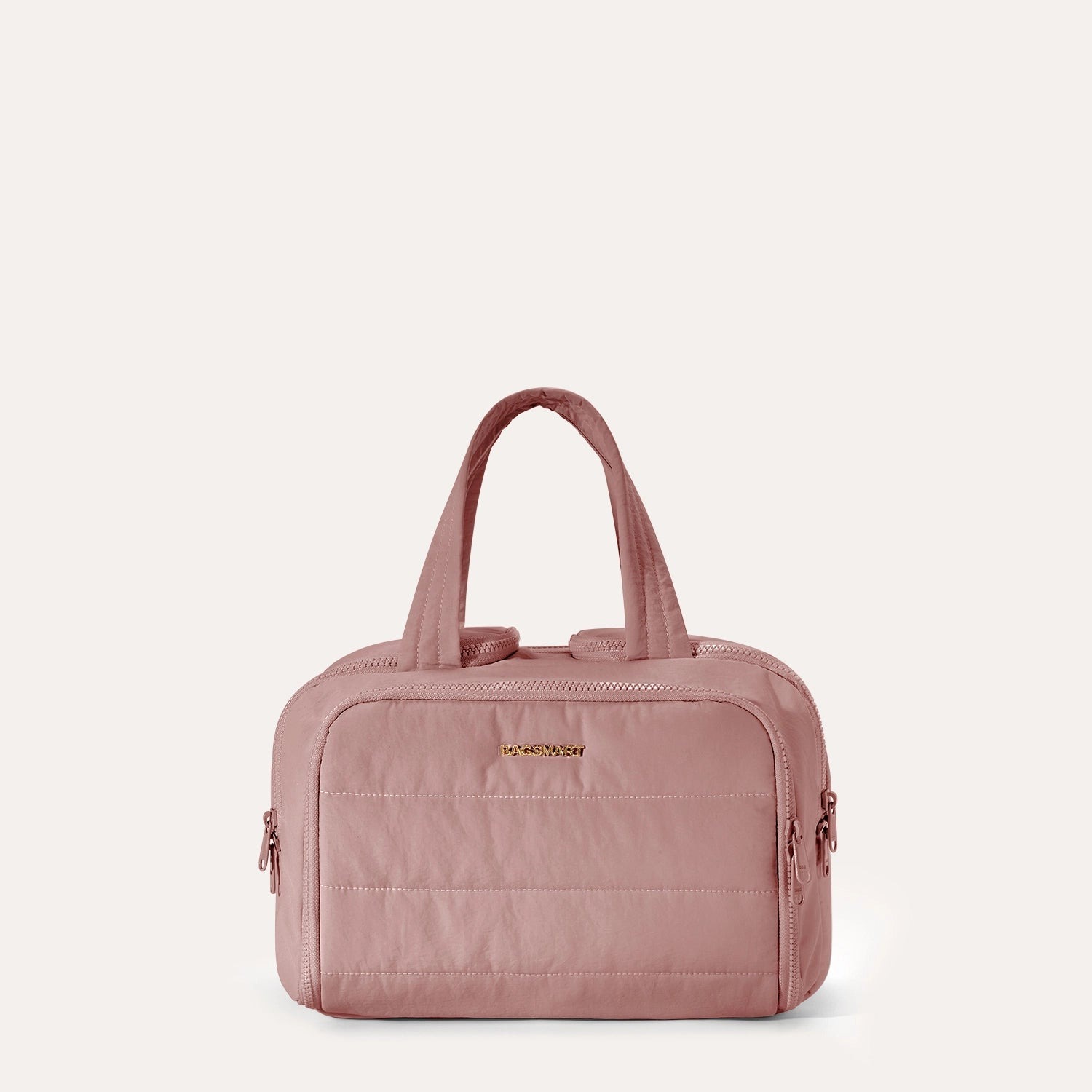
Understanding the practical problem
Loose toiletries also create a practical risk. A cap that opens or a bottle that leaks can affect everything packed around it. Small tools may become difficult to find and wet items can end up beside dry cosmetics. A single large pouch solves only part of the problem because items still collect at the bottom unless there are useful internal sections.
A well-organised wash bag separates categories according to how they are used. Larger bottles need open space, while brushes and narrow tools benefit from slots or elastic holders. Zipped compartments can contain smaller items and make them easier to retrieve. The goal is not to create a compartment for every object but to reduce the mixing that causes clutter. A useful product choice starts with the problem it is expected to solve and the conditions in which it will be used. In that context, Bagsmart becomes relevant because it offers a product built around the same practical need rather than adding an unrelated step.
Organisation products are most effective when they reduce decisions rather than add another layer of sorting. A pocket or compartment should have a clear job that matches the way the person already packs. When every section is filled simply because it exists, the bag can become harder to use. Leaving some space unused often makes frequently needed items easier to see and retrieve.
What matters when choosing the product
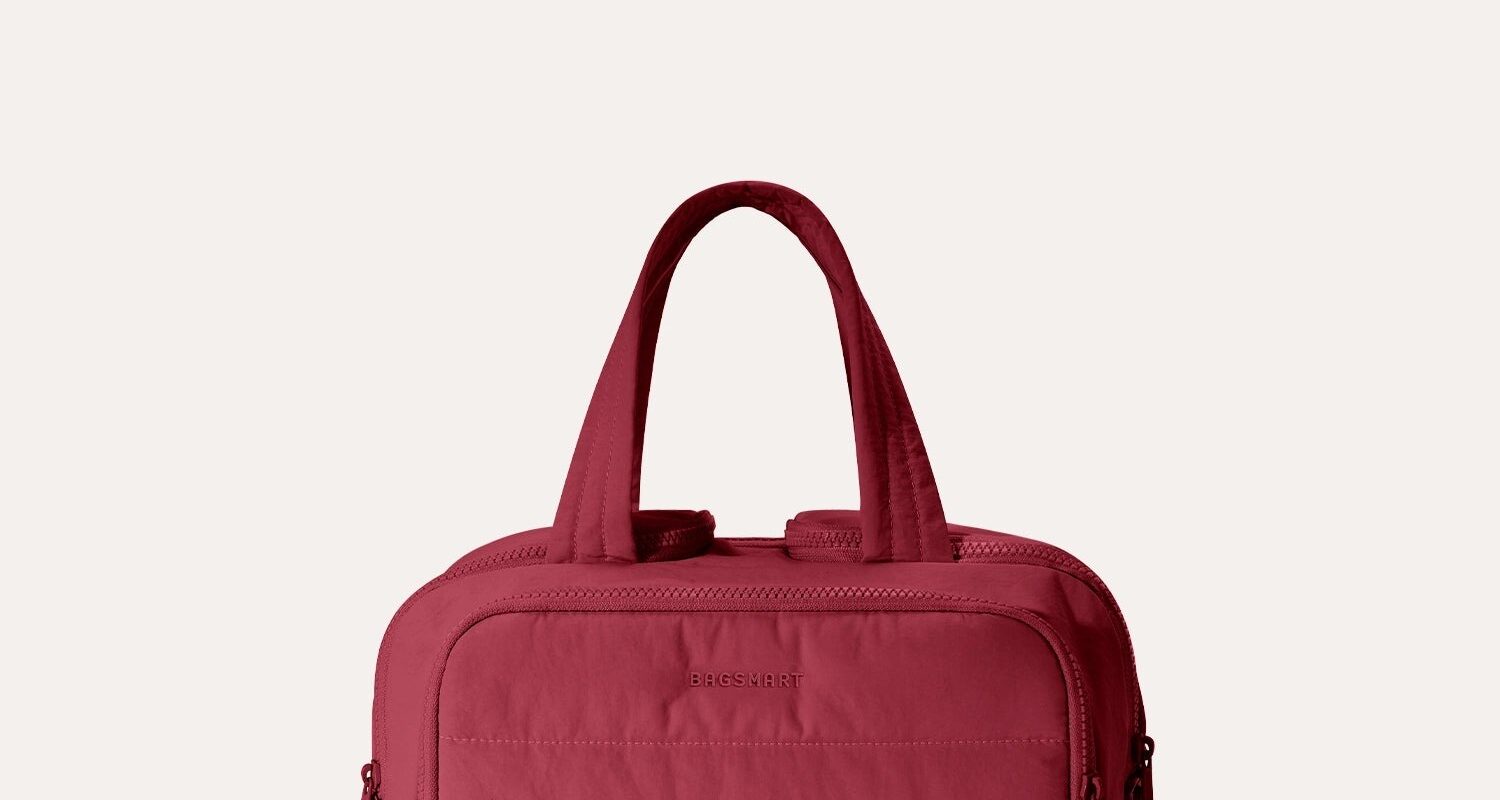
The Crush Toiletry Bag combines a wide opening with multiple compartments and front pockets for brushes, toothbrushes and other smaller essentials. Its layout is designed to hold both toiletries and cosmetics, which can reduce the need to carry several separate pouches for one trip. The useful comparison is therefore based on function, fit and ease of use rather than on appearance alone. Bagsmart can be considered within that comparison when those features match the person’s existing routine.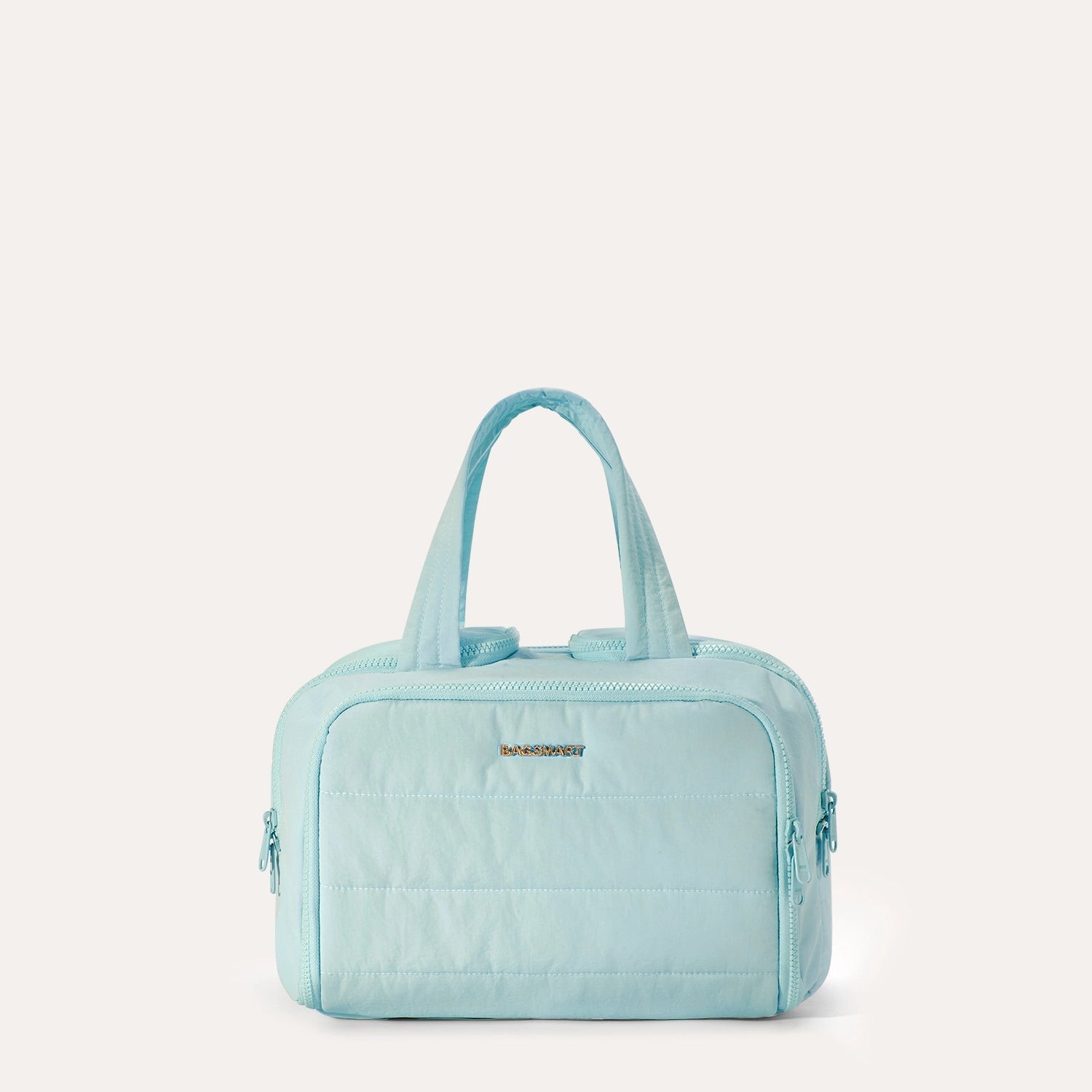
- A toiletry bag should open wide enough for larger bottles to be removed without emptying the entire compartment.
- Smaller pockets should have a clear purpose so brushes, dental items and cosmetics remain easy to locate.
- The bag should fit the traveller’s normal product sizes rather than encouraging extra items simply because space is available.
- Materials around liquid compartments should be easy to wipe because leaks are easier to manage when residue can be cleaned quickly.
Weight remains part of the system even when the interior looks neat. Organisers can improve visibility and separation, but they do not reduce the physical weight of what has been packed. The traveller or commuter still benefits from removing duplicates, checking what is genuinely necessary and keeping heavier objects close to the strongest part of the main bag.
Making the product part of a realistic routine
Packing becomes simpler when the traveller groups products before placing them in the bag. Shower items can stay together, dental products can use a smaller section and cosmetics can occupy another pocket. Bottles should still be closed carefully and particularly leak-prone liquids can be placed in an additional sealed pouch. This keeps the organiser useful without treating it as completely leak-proof protection. A product from Bagsmart is most useful when it fits that kind of repeatable pattern instead of requiring the rest of the routine to be reorganised around it.
The toiletry bag should also be allowed to dry after use. Damp toothbrushes, washcloths or bottles can create moisture inside a closed compartment. Emptying the bag after a trip, wiping any residue and leaving zippers open until the interior is dry helps keep the organiser ready for the next packing session.
The best test comes during unpacking. If items can return to their places quickly and the system still makes sense after repeated use, the organisation is practical. If the person regularly ignores certain pockets or moves the same object between sections, the layout can be simplified. A useful organiser adapts to behaviour instead of forcing behaviour to match the product. This is also a practical way to judge whether Bagsmart is solving the intended problem after the novelty of a new purchase has passed.
Keeping the approach simple over time
A structured wash bag saves time by giving small travel essentials predictable places. The advantage is not simply that more products can be carried. It is that the traveller can see what is packed, reach frequently used items quickly and contain minor messes before they spread through the suitcase. That structure can make both packing and daily use feel much more controlled.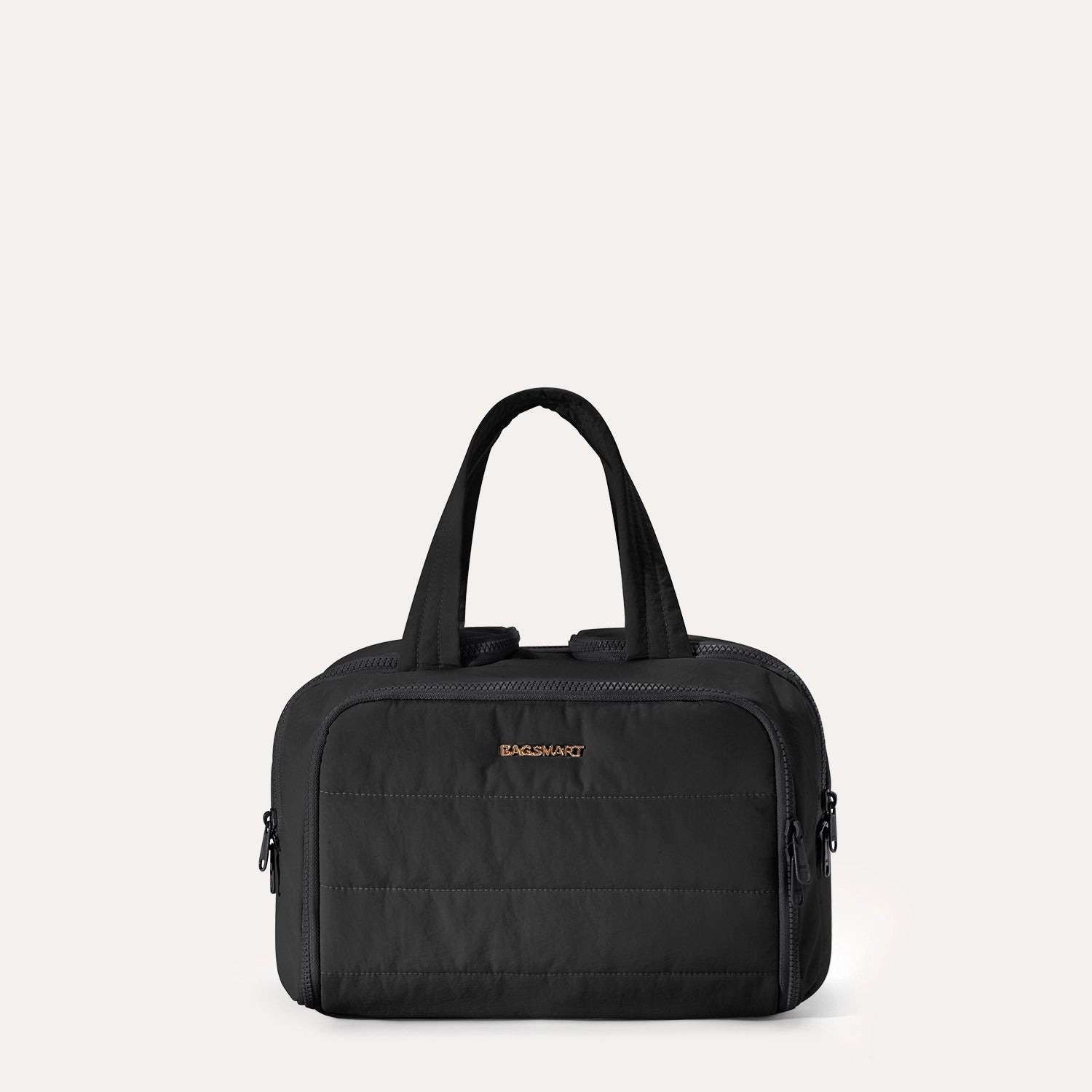
The most sustainable routine is usually the one that remains clear, proportionate and easy to repeat. When the product has a defined role and its design matches the way the person already moves, packs, cares for hair or builds a wardrobe, it can continue to earn its place. That is the most useful way to approach Bagsmart as well, with the decision based on practical fit rather than on adding complexity for its own sake.