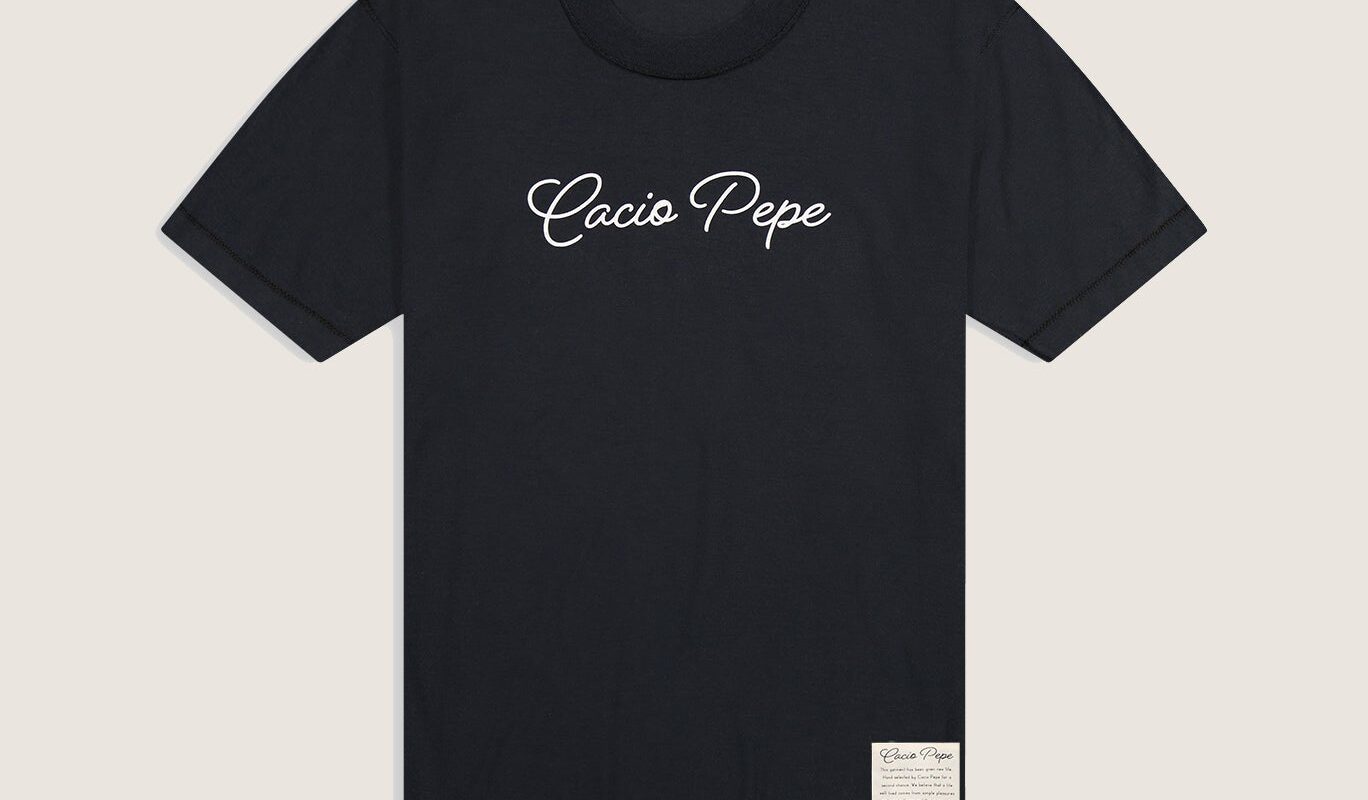
Vintage-Inspired Everyday Wear The Story Behind Cacio Pepe’s Collaborative Deadstock Collection
The most sustainable garment is one already made. This philosophy guides Cacio Pepe deadstock clothing, which sources unused fabric from mills and manufacturers to create new pieces that honor the resource that went into production. The deadstock stripe long-sleeve represents this approach perfectly, a collaborative piece born from material that nearly became waste, transformed into […]
The most sustainable garment is one already made. This philosophy guides Cacio Pepe deadstock clothing, which sources unused fabric from mills and manufacturers to create new pieces that honor the resource that went into production. The deadstock stripe long-sleeve represents this approach perfectly, a collaborative piece born from material that nearly became waste, transformed into something wearable and desirable. Understanding clothing means understanding fashion is hidden inefficiencies and how to solve them.
The Economics Behind Clothing
Fashion produces an estimated 92 million tons of textile waste annually. Much of this comes from clothing, fabric ordered but ultimately unused, overstock that did not sell, surplus that accumulates in warehouses. Instead of letting this material languish, innovative brands tap into deadstock sources to create new clothing that carries zero guilt. The fabric has already been manufactured, dyed and finished. The environmental impact already exists.
Premium deadstock sources offer fabric from reputable mills with documented quality standards. The stripe pattern in this long-sleeve originated from a European mill that produced surplus after a major order change. Rather than seeing this as a loss, responsible producers recognized the opportunity to create deadstock clothing that would not exist otherwise. This approach transforms waste into opportunity.
Vintage Aesthetics From Responsible Sourcing
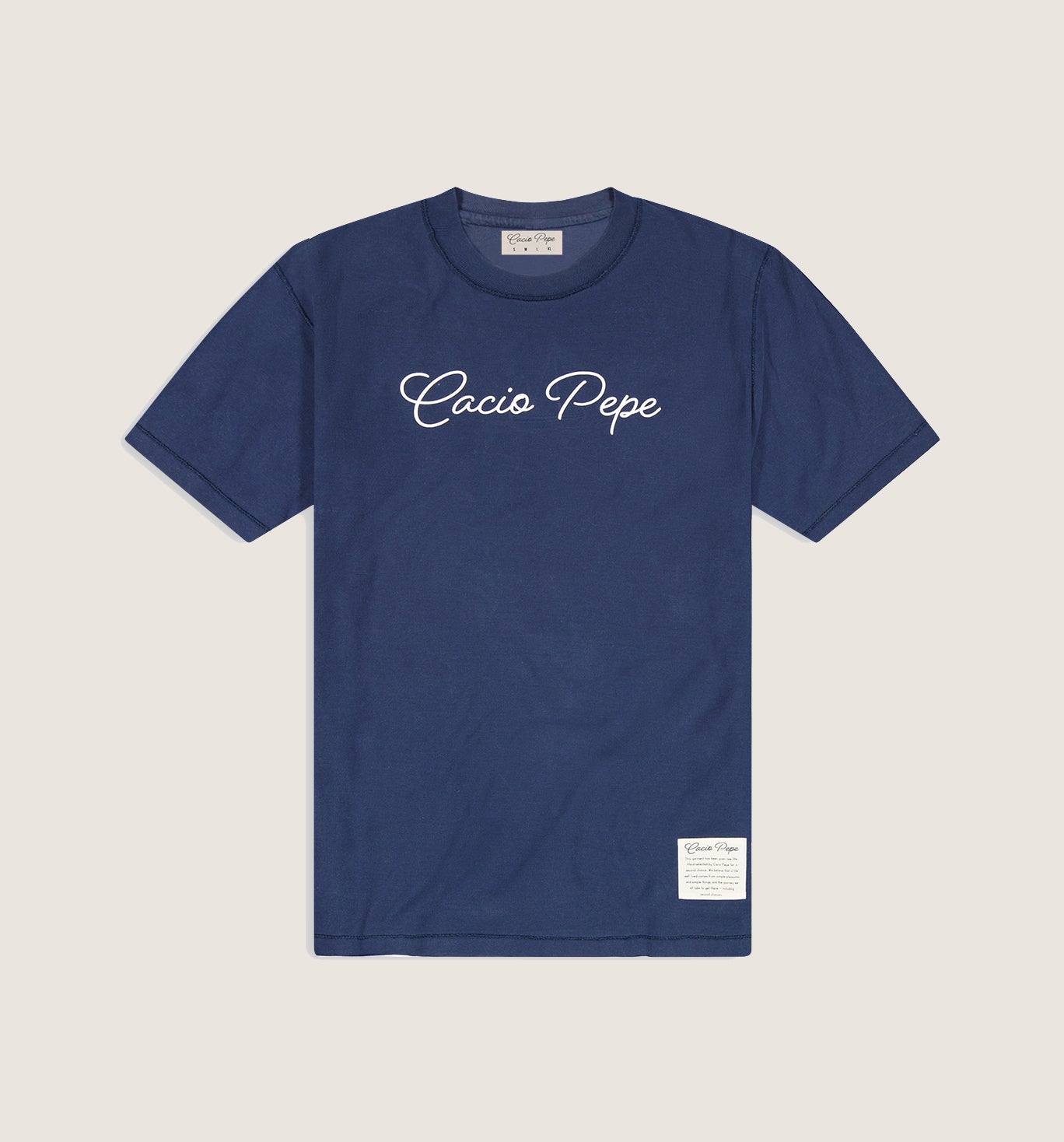
Vintage clothing appeals because it carries history. Second-hand pieces show evidence of wear, ownership, aging. Most clothing cannot offer this authentic history because the fabric is unused. What deadstock stripe long-sleeve pieces do offer is genuine vintage aesthetics through stripe patterns and weave structures that feel authentic to specific eras. The stripes are not designed to look old, they are genuinely old fabric, preserved in its original state and finally reaching its intended purpose.
This distinction matters because it means your clothing is not a reproduction or throwback. It is an actual artifact from a different production era, captured in time. The stripe pattern reflects design choices from when that fabric was originally woven, not contemporary designers guessing at what vintage looks like. Wearing clothing becomes a form of fashion archaeology, claiming garments that might otherwise be discarded.
Quality Standards for Deadstock Long-Sleeves
Not all clothing is equal. Some surplus fabric accumulates because it had flaws. Premium deadstock sources only surplus that meets rigorous quality standards, which exceed many retail options. This means the fabric has been inspected, tested and verified as worthy of exceptional construction methods. The stripe long-sleeve uses mid-weight cotton that breathes in layered looks but also provides enough structure to wear alone on cool days.
The construction of these clothing pieces matches the premium status of the fabric. Seams are reinforced with contrasting thread that becomes a design detail rather than hidden engineering. The sleeve cuffs are finished with precision hemming that resists fraying. Collar construction includes interfacing that holds its shape through dozens of washes. These details recognize that deadstock clothing deserves the same construction care as newly manufactured pieces.
Styling Clothing Across Seasons
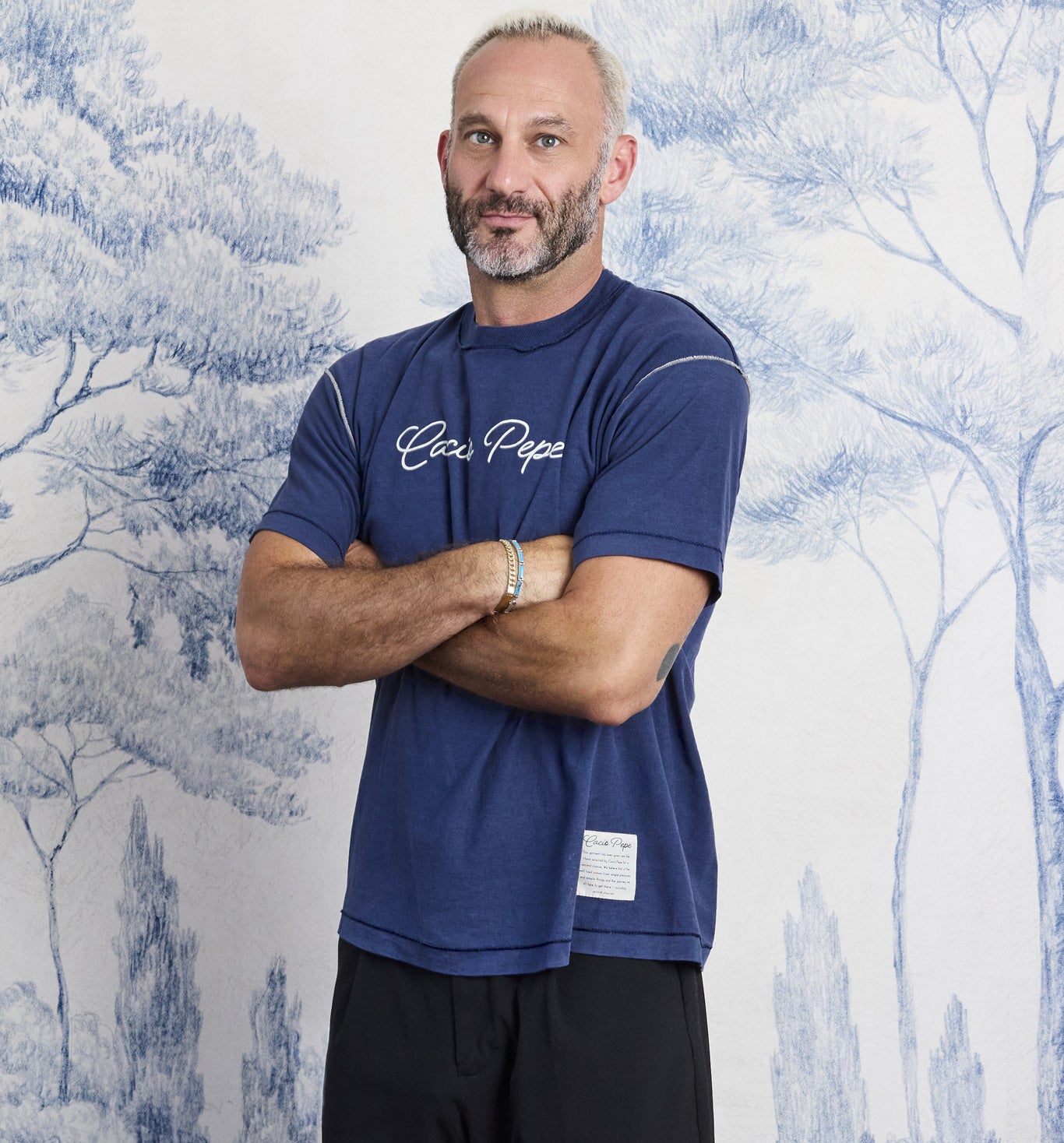
The stripe long-sleeve sits in the versatility sweet spot. In summer and early fall, layer it unbuttoned over a solid t-shirt to add visual interest without heat buildup. In winter, it becomes a lightweight layering piece under sweaters or jackets, visible at the wrists and neck to add tonal depth. The stripe pattern never feels dated because stripes are perennially appropriate, vertical stripes on long-sleeves are flattering regardless of trend cycles.
The neutral base colors of this clothing, navy, charcoal, cream, pair with almost any bottom, from jeans to tailored trousers. The stripe widths are bold enough to be visible but not so wide they dominate the visual landscape. This balance is something only accomplished through quality fabric and design thoughtfulness. Cacio Pepe demonstrates how clothing does not mean compromise.
The Durability of Authentic Deadstock
Because clothing comes from premium mills, it inherently resists the wear patterns that plague cheaper garments. The fabric fibers are thicker, the weave is tighter, the dye has been properly set. Your stripe long-sleeve will not develop thin spots after a few months of regular wear. The collar will not fray. The cuffs will not unravel. These are not remarkable qualities, they are baseline expectations from authentic deadstock clothing sourced responsibly.
The aging of clothing is actually beautiful. The stripes fade slightly where sun hits, creating character marks. The fabric softens with washing, becoming more supple. The collar develops subtle creases that tell the story of your wearing patterns. Rather than deteriorating like cheaply made alternatives, your long-sleeve improves and becomes more intimately yours. This evolution is the opposite of fast fashion, where clothing represents intentional, long-term investment.
Supporting Sustainable Practice Through Deadstock Purchases
Buying clothing sends economic signals to fashion is entire infrastructure. When brands successfully create attractive products from surplus fabric, mills recognize that deadstock has value. This recognition encourages manufacturers to preserve clothing rather than incinerating it. The market for quality deadstock represents a small but growing movement toward closing production loops and respecting resources already invested.
Key Qualities of Responsible Deadstock
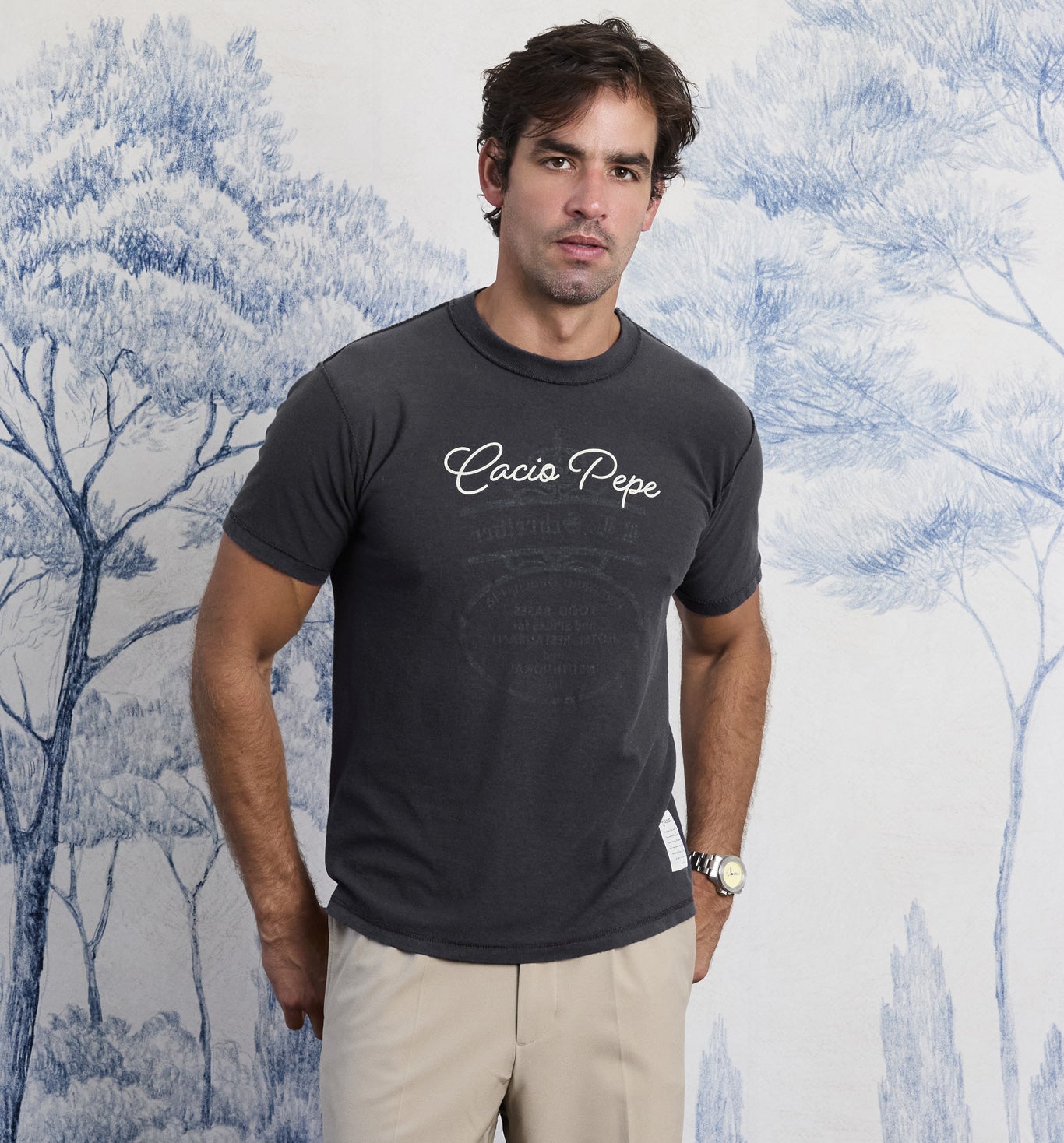
- Sourced from premium mills and verified for quality, ensuring fabric durability and dyeing excellence.
- Stripe patterns and weave structures reflect genuine design choices from the fabric is origin era.
- Construction methods match fabric quality with reinforced seams and precision finishing.
- Ages beautifully through regular wear, with subtle fading and softening that adds character.
The deadstock stripe long-sleeve represents more than vintage style, it is a statement that sustainability and sophistication are not trade-offs. Deadstock clothing honors the resources already invested in production while supporting producers that see waste as a design challenge rather than an inevitable consequence. When you choose Cacio Pepe, you choose both beauty and responsibility. The collaboration between designers and mills transforms surplus fabric into something genuinely desirable. Cacio Pepe deadstock pieces prove that Cacio Pepe sustainability-first approach works at every price point and style aesthetic.