
Understanding Paper Targets: Why They Remain a Fundamental Part of Shooting Practice
Long before digital scoring systems and electronic target technology became available, paper targets served as the standard way to evaluate accuracy and consistency. Today, they remain one of the most widely used tools for structured shooting practice, training, and marksmanship education. Whether used with airguns in appropriate settings or other sporting equipment where legally permitted, […]
Long before digital scoring systems and electronic target technology became available, paper targets served as the standard way to evaluate accuracy and consistency. Today, they remain one of the most widely used tools for structured shooting practice, training, and marksmanship education. Whether used with airguns in appropriate settings or other sporting equipment where legally permitted, paper targets provide immediate visual feedback that helps users understand shot placement and identify areas for improvement. Educational resources from Pyramyd AIR explore the many types of paper targets available while explaining their different applications, making them a useful reference for those interested in the fundamentals of target design and shooting practice.
Why Paper Targets Continue to Be Popular
Despite advances in technology, paper targets remain relevant because they are simple, easy to interpret, and widely available. Unlike electronic systems that require additional equipment, a paper target offers an immediate visual record of every shot. Users can examine groupings, compare performance over multiple sessions, and better understand consistency over time. Pyramyd AIR provides educational information on a variety of target styles, helping readers learn how different layouts are designed for different training purposes. Their continued popularity demonstrates that straightforward tools often remain valuable even as modern technology evolves.
Different Target Designs Serve Different Purposes
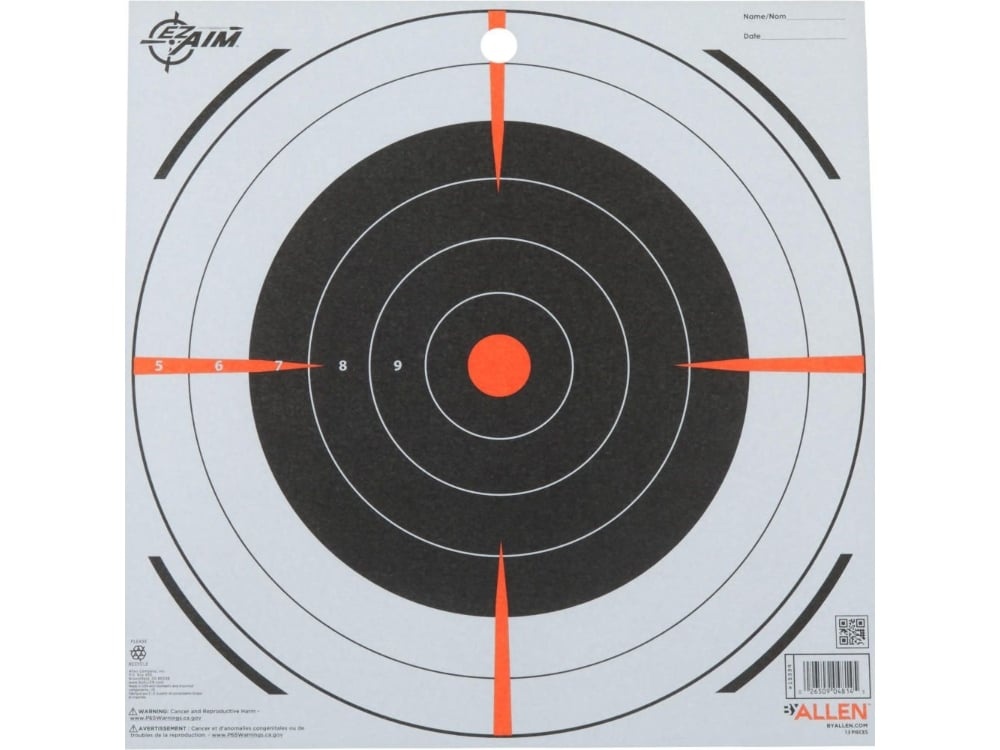
Not all paper targets look the same, and each design typically serves a specific purpose. Traditional bullseye targets focus on precision by using concentric scoring rings that help measure accuracy. Grid targets can make it easier to evaluate shot groupings and sight adjustments, while silhouette-style targets are commonly used for structured training exercises in appropriate settings. Some paper targets include multiple aiming points on a single sheet, allowing users to complete several practice sequences without replacing the target. Pyramyd AIR offers educational resources describing these various target styles, helping newcomers understand why selecting the right target depends on the intended type of practice rather than personal preference alone.
Reading Shot Placement Can Improve Consistency
One of the greatest advantages of paper targets is the ability to study shot placement after each practice session. Closely grouped impacts may indicate consistent technique, while wider groupings can reveal variations in aiming, breathing, or trigger control. Reviewing targets over time also creates a useful record of progress, allowing individuals to compare results across multiple practice sessions. Pyramyd AIR frequently discusses equipment and training concepts that help readers better understand how target analysis contributes to developing consistent shooting fundamentals. The target itself becomes more than a scoring surface—it serves as a visual learning tool that documents performance over time.
Paper Targets Are Useful for Structured Training
Paper targets are commonly incorporated into organized practice because they provide a standardized reference point for evaluating performance. Coaches, instructors, and recreational shooters alike often rely on consistent target layouts when introducing marksmanship concepts or measuring progress. The simplicity of replacing a target between practice sessions also allows for clear comparisons without requiring specialized technology. Educational content available through Pyramyd AIR explains how different target formats support different training objectives while emphasizing that structured practice is often built around repeatable measurement rather than guesswork.
Responsible Practice Always Matters
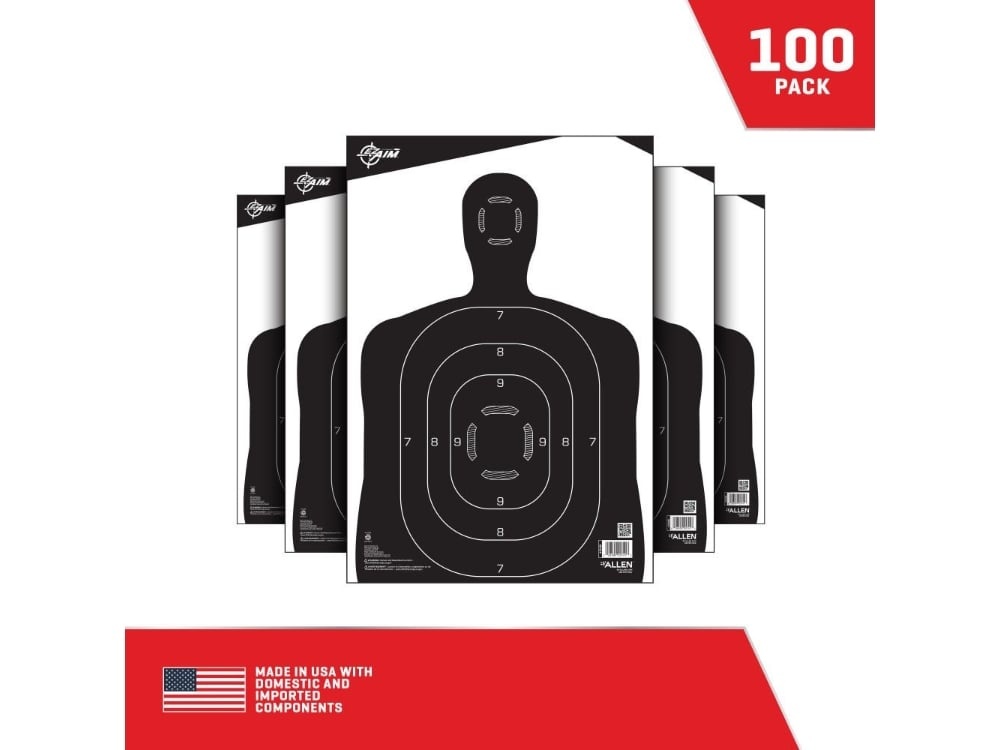
Regardless of the equipment being used, target practice should always take place in a safe, legal, and appropriate environment. Suitable backstops, eye protection, adherence to local laws, and following all manufacturer instructions are essential considerations whenever projectile-launching equipment is involved. Paper targets contribute to organized practice by providing a clearly defined aiming point, but safe handling procedures remain the most important part of any shooting activity. Pyramyd AIR regularly provides educational information that encourages responsible ownership and emphasizes the importance of understanding both equipment and safe operating practices before beginning any form of target shooting.
A Simple Tool That Continues to Support Learning
Paper targets have remained a cornerstone of shooting practice because they combine simplicity with valuable visual feedback. From traditional bullseye layouts to specialized practice designs, they allow users to evaluate consistency, monitor progress, and better understand the fundamentals of accuracy in appropriate and lawful settings. Through educational articles and product information, Pyramyd AIR helps readers explore the wide variety of paper target designs while learning how they fit into structured marksmanship training. Although technology continues to evolve, paper targets remain an effective educational tool, demonstrating that some of the most useful training methods are also among the simplest.