TopOak Rooftop Tent Models Compared Design Differences That Matter to Experienced Overlanders
🏕️ Setup speed, legroom, weight, and weatherproofing all shift from one TopOak Overland rooftop tent to the next, worth a closer look before picking one.
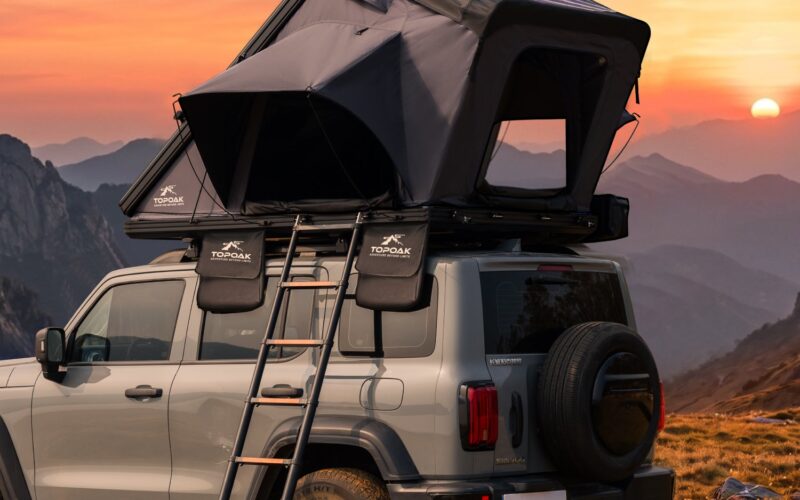
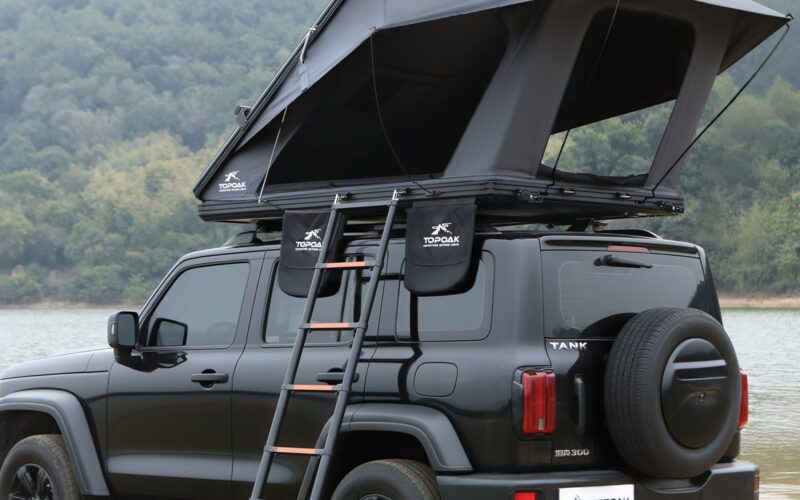
Seasoned overlanders rarely shop by brand alone; they look at how a tent behaves at a windy pullout or after the fifth straight night off-grid. Lining up rooftop tent models compared side by side reveals that setup speed, interior layout, weight, and weatherproofing vary more than a glance at the collection suggests. TopOak Overland builds its hard shell lineup around those exact variables, which makes a closer look at each model worthwhile before committing roof space to one design.
Hard Shell Construction and Material Durability Across the Range
Every model in the TopOak Overland lineup shares a full aluminum shell paired with ripstop fabric on the tent body. That combination is meant to handle rough trail vibration and repeated opening without the shell flexing or cracking. Struts from Stabilus handle the lift mechanism, and the brand states this hardware has been tested through more than 10,000 open-and-close cycles.
That shared shell platform is also what allows comparisons across models to focus on layout and weight rather than basic build quality. Each tent additionally includes an Anderson port and integrated LED lighting, so night arrivals and vehicle power hookups work the same way regardless of which model sits on the roof rack. From there, the real differences in rooftop tent models compared start to show up in shape, expansion capability, and footprint.
Galaxy Pro and Stellar: Expandable Designs for All-Weather Protection
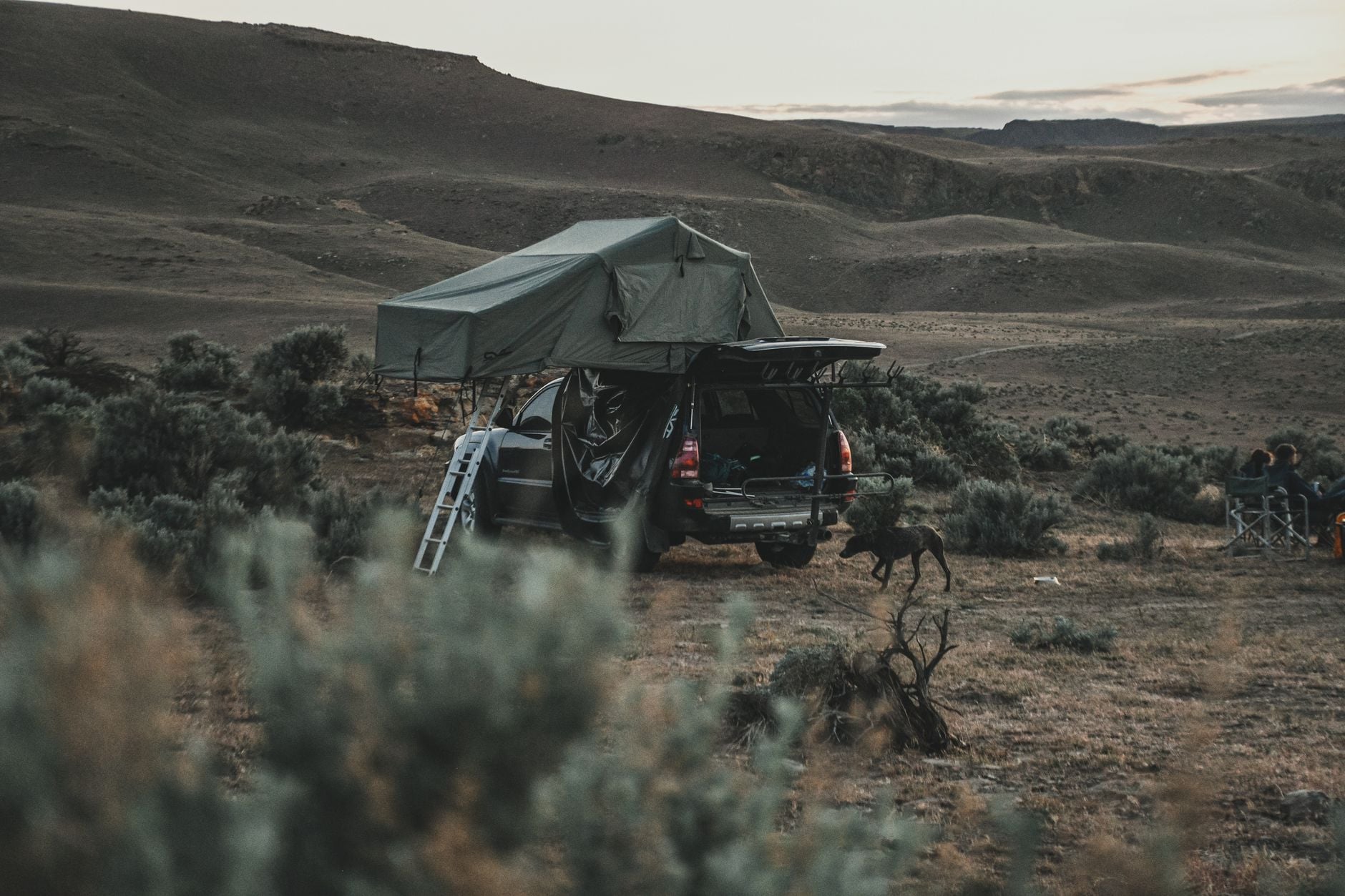
The Galaxy Pro is positioned around expandable all-weather coverage, built for campers who expect shifting conditions on longer routes. It pairs a hard shell base with a full cover rainfly, which extends protection beyond the footprint of the shell itself. TopOak Overland markets this model as four-season ready, with setup completing in under a minute according to the product listing.
Stellar, also referred to as Galaxy 2.0, takes a related approach but leans into visibility rather than pure expansion. It includes a skylight and panoramic viewing, giving campers a wider outlook from inside the shell without sacrificing the same aluminum-and-ripstop build. Both models share the brand’s core hardware, so the choice between them tends to come down to whether added rainfly coverage or a brighter interior view matters more for a given route.
Galaxy 1.0 and Galaxy Light: Stripped-Down Efficiency and Low-Profile Setups
Galaxy 1.0 is described by the brand as a simple, value-focused setup, aimed at campers who want the core hard shell experience without additional expansion hardware. It carries the same quick-setup struts and aluminum shell as the rest of the range, just without the rainfly or skylight extras found on Galaxy Pro and Stellar. For overlanders prioritizing a lean, no-fuss roof addition, this is the most pared-back option in the lineup.
Galaxy Light goes further on the weight side specifically. TopOak Overland lists it at roughly 4.94 inches closed and about 110 lbs, making it the slimmest and lightest model in the collection. That low profile matters for vehicles with modest roof-load ratings or for drivers who notice a difference in wind resistance with a tall roof box. Even with the reduced weight, the brand describes it as carrying complete features for quick getaways rather than a scaled-down feature set.
Vision: Spacious Fold-Out Layouts for Extended Expeditions
Vision takes the opposite approach from Galaxy Light, built around fold-out space rather than a minimal footprint. It ships in two width options, a 63-inch spacious variant and a 75-inch extra spacious variant, giving some flexibility depending on vehicle roof length and group size. TopOak Overland positions Vision as suited to three or four occupants, or as a roomier single-occupant option for longer stays.
Because Vision folds out rather than popping straight up, it changes how campsite space gets used compared with the more compact hard shell models. An annex room is also available specifically for Vision, which extends usable space further at a campsite. That makes it a distinct entry among rooftop tent models compared when extended trips or family-style capacity are the priority.
Nebula’s X-Frame Design and Extra Interior Legroom
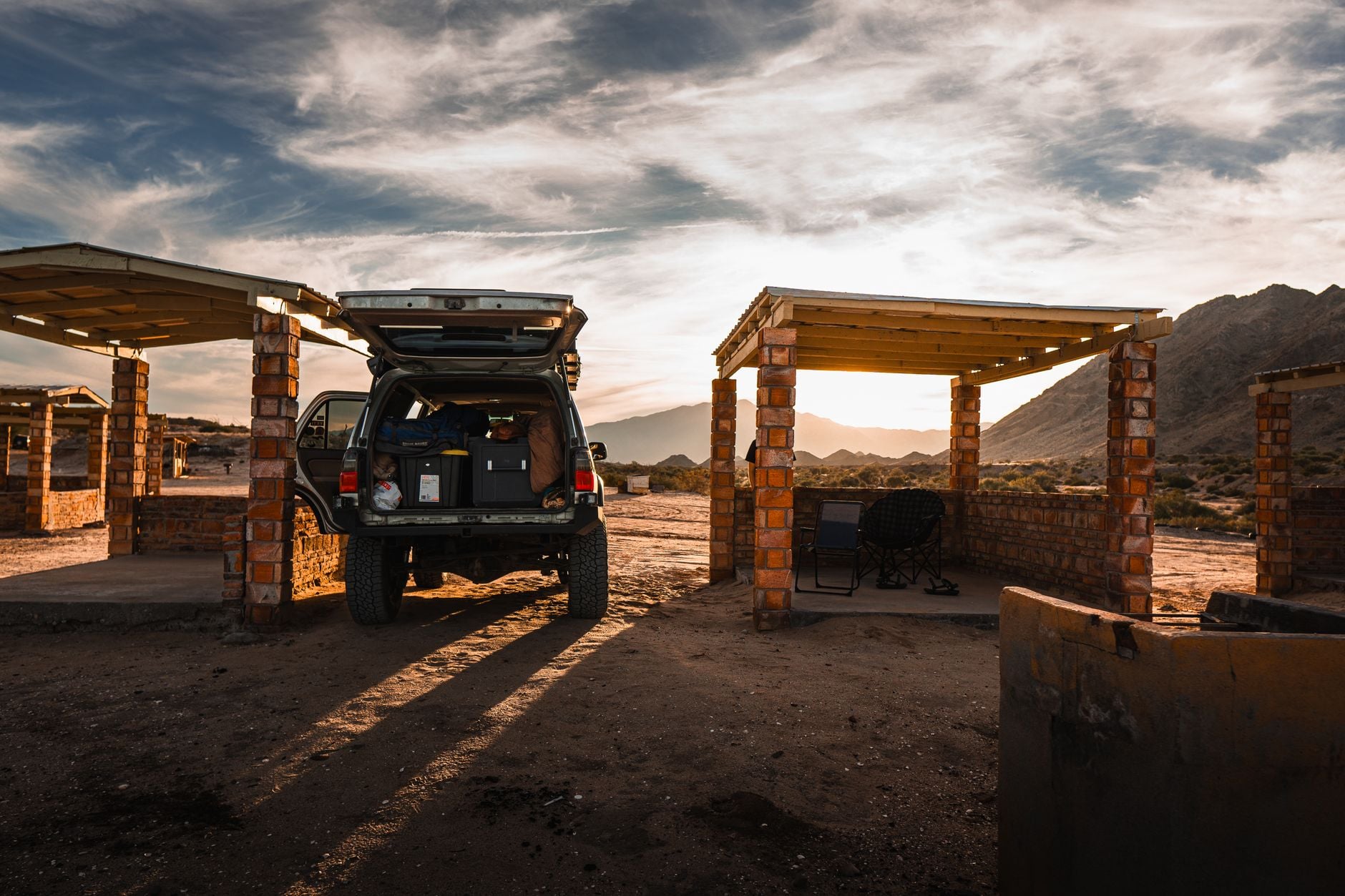
Nebula stands apart through its X-frame design, which TopOak Overland highlights specifically for the additional legroom it creates inside the shell. Rather than the straightforward rectangular lift of the Galaxy series, the X-frame geometry reshapes the internal volume once the tent is open. This matters for taller campers or anyone who finds standard rooftop tent interiors cramped at the foot end.
Nebula shares the broader hardware set found across the range, including the Anderson port and LED lighting, so the legroom gain comes without giving up the conveniences found elsewhere in the lineup. It occupies a distinct niche among the hard shell options, aimed less at raw weight savings and more at interior comfort during longer stints inside the tent.
Accessories and System Expandability: Awnings, Liners, and Extended Functionality
Beyond the tents themselves, the brand sells a range of accessories that extend how each model functions on the road. Quick-release awning brackets and a rainfly support kit allow an awning to attach without interfering with the rainfly, and the brackets carry a stated load capacity of 66 lbs (30 kg). A 180-degree awning and matching enclosure walls add privacy and wind protection to whichever tent sits on the roof rack.
Mounting kits come in standard, wide, round, thick, and square variants, and one standard kit is included with every tent purchase. A roof bar pair also ships with each tent, with an additional pair available separately for those running extra gear. An M8 T-slot bolt set offers a more secure, strip-resistant alternative to standard hex bolts for sliding into T-track mounting systems.
- A 3-inch soft memory foam and support foam mattress ships standard across the hard shell range for baseline sleeping comfort.
- An Air & Foam Camping Mattress is sold as an optional upgrade once the original mattress, such as the one included with Vision, is removed.
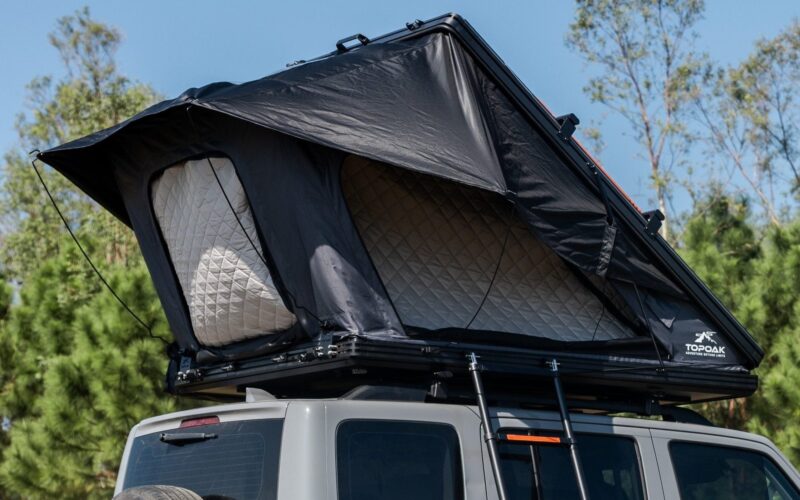
- A Thermal Insulation Liner is designed to keep interior temperature more stable during summer stays, AC-assisted camping, and cold-weather trips.
- The liner includes zippered access to windows, doors, and sky panels so ventilation stays usable even with the liner installed.
- Blackout fabric is built into the tent body itself, paired with a heater-ready design for colder-season use.
None of these upgrades change the core shell or frame of a given model, but they let campers adjust a single tent toward different seasons and regions, and the same track-mounted mounting hardware keeps the swap reversible for trips that call for the original setup again. That flexibility is part of why rooftop tent models compared on specification sheets alone can look more similar than they feel in actual use. Combined with the accessory system, the mattress and insulation options round out how each TopOak Overland tent gets tailored to a specific trip.
Matching a Model to the Trip
Picking between these tents comes down to which variable matters most on a given route, whether that is weight, interior space, weather coverage, or legroom. The accessory and comfort options then let that choice get fine-tuned further without switching tents altogether.