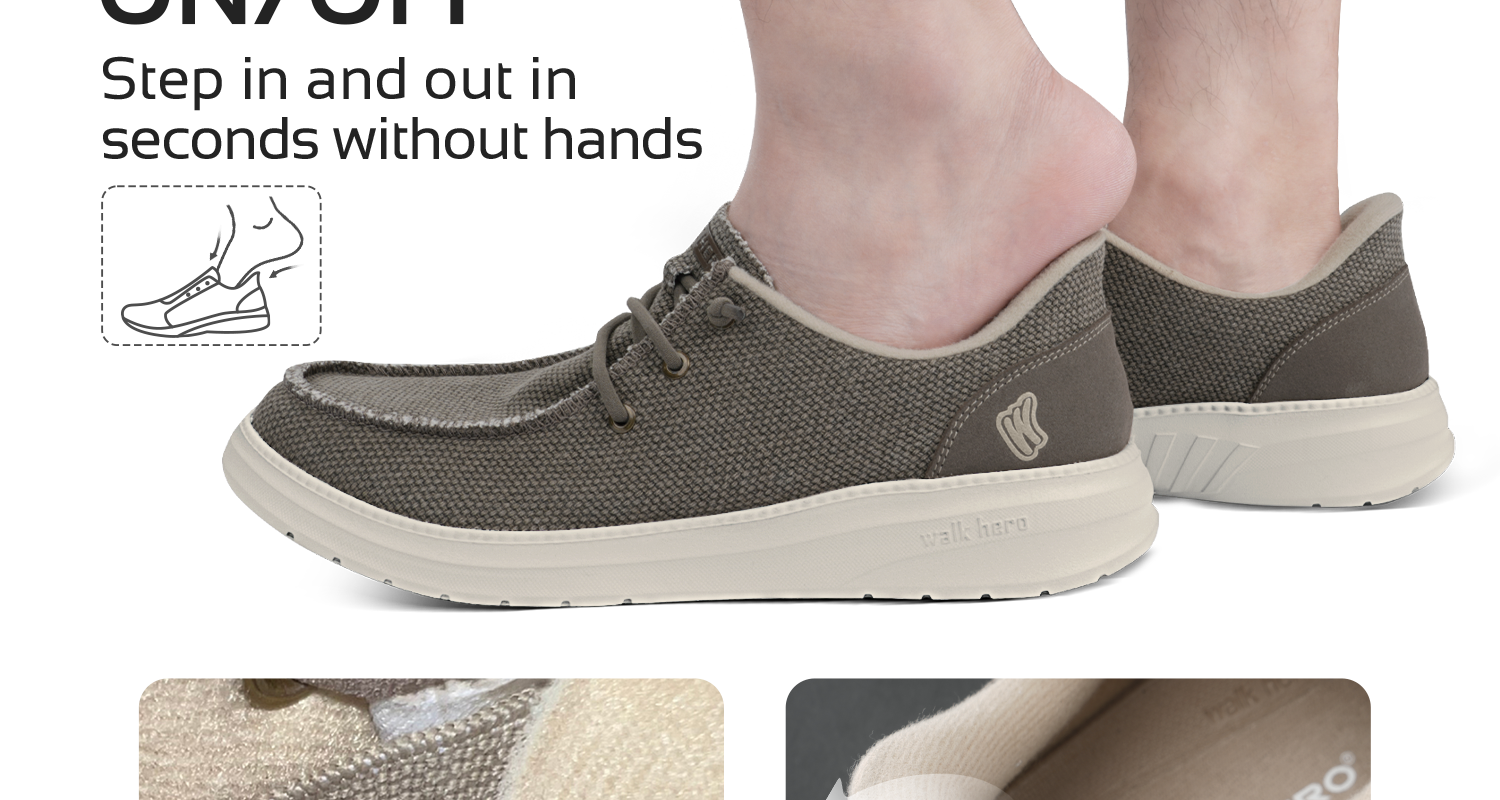
Sustainable Footwear Crafted for Longevity and Environmental Responsibility
Sustainable footwear combines responsible materials, waste reduction, and quality durability to deliver environmentally-conscious choices.
Environmental consciousness increasingly influences consumer purchasing decisions, particularly for frequently-purchased items with significant environmental impact. Footwear manufacturing involves substantial resource consumption and waste generation, making sustainable alternatives genuinely important for environmentally-aware consumers. WINGGOOD recognizes this responsibility, implementing sustainable practices throughout manufacturing while delivering the quality and performance customers demand. This commitment proves that environmental responsibility and product excellence are complementary rather than competing priorities.
The fast-fashion footwear industry encourages rapid replacement cycles, with consumers discarding shoes after brief ownership to pursue new styles. This disposability model generates massive waste while incentivizing lower-quality construction to ensure quick failure. Leading sustainable brands reject this cycle through commitment to durability, timeless design and environmental stewardship supporting long-term ownership and genuine sustainability for future generations.
Sustainable Material Selection and Sourcing
Material selection represents the foundation of sustainable product development. Innovative manufacturers carefully evaluate environmental impact across the material lifecycle, selecting options minimizing resource consumption and environmental burden. Recycled materials receive priority when performance characteristics remain equal to virgin alternatives.
Supplier relationships emphasize environmental standards and ethical labor practices throughout production. Premium brands maintain transparency about sourcing, enabling customers to understand the production practices behind their purchases. This accountability extends environmental responsibility beyond marketing claims toward genuine practice and measurable impact on communities.
Natural materials including plant-based alternatives replace petroleum-derived synthetics wherever performance permits. Cotton, hemp and other renewable resources reduce dependence on non-renewable materials. These alternatives prove durable and functional while supporting agricultural industries and renewable resource management globally.
Reduced Waste Manufacturing and Circular Design
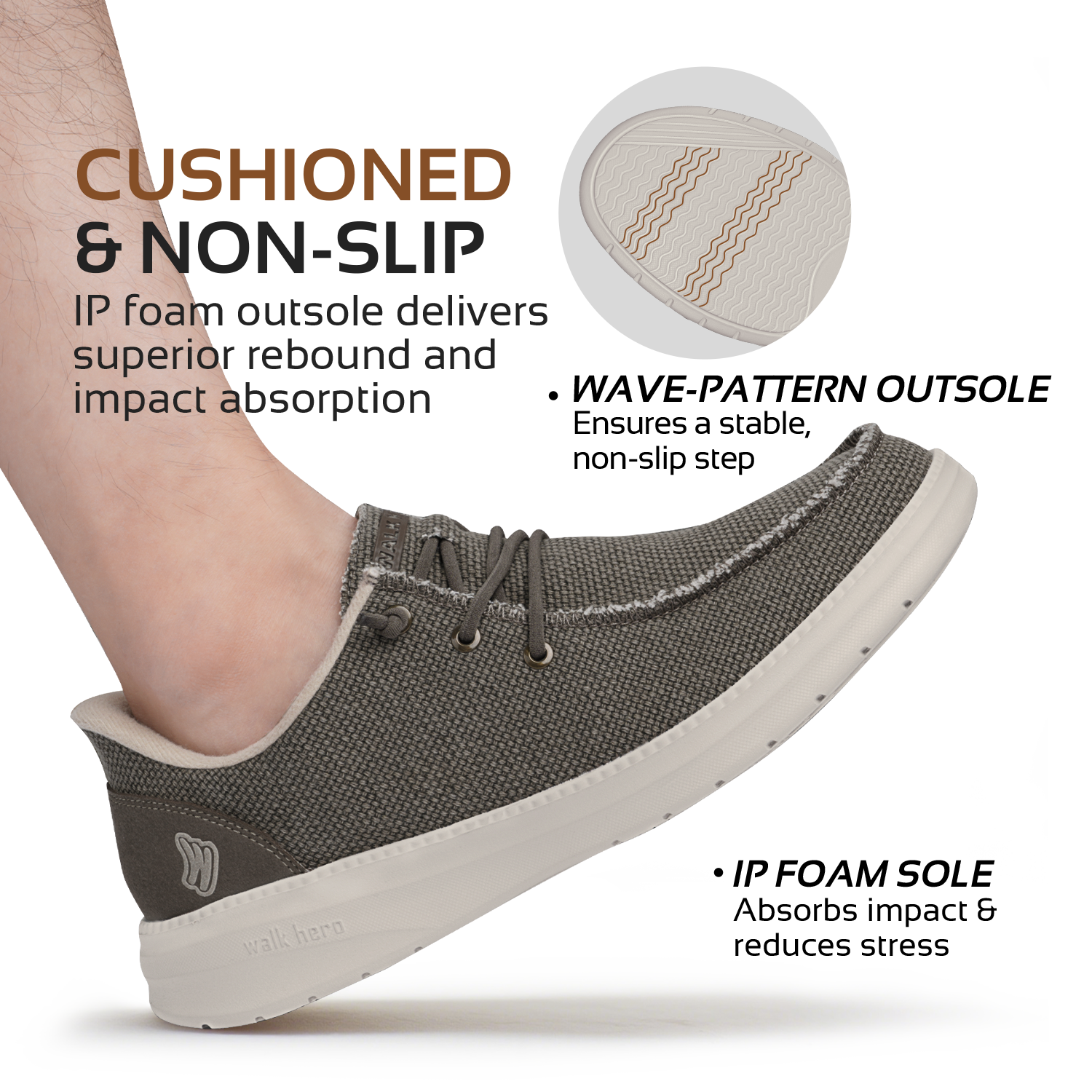
Manufacturing efficiency directly impacts environmental impact, with waste reduction saving resources while lowering costs. Forward-thinking companies implement lean manufacturing principles minimizing material waste during production. Precision cutting reduces scrap material requiring disposal or energy-intensive recycling.
Product design incorporates modularity enabling component replacement rather than full-shoe replacement when wear occurs. Users replace worn-out soles instead of discarding entire shoes, dramatically extending product lifespan and reducing waste. This design approach recognizes that shoes typically degrade unevenly, with specific areas wearing faster than others.
Recycling programs enable customers to return worn-out footwear for responsible recycling or second-life uses. Leading manufacturers process returned shoes appropriately, recovering materials and preventing landfill accumulation. This closed-loop approach transforms discarded products into resource inputs for new manufacturing cycles.
Longevity Through Quality Engineering
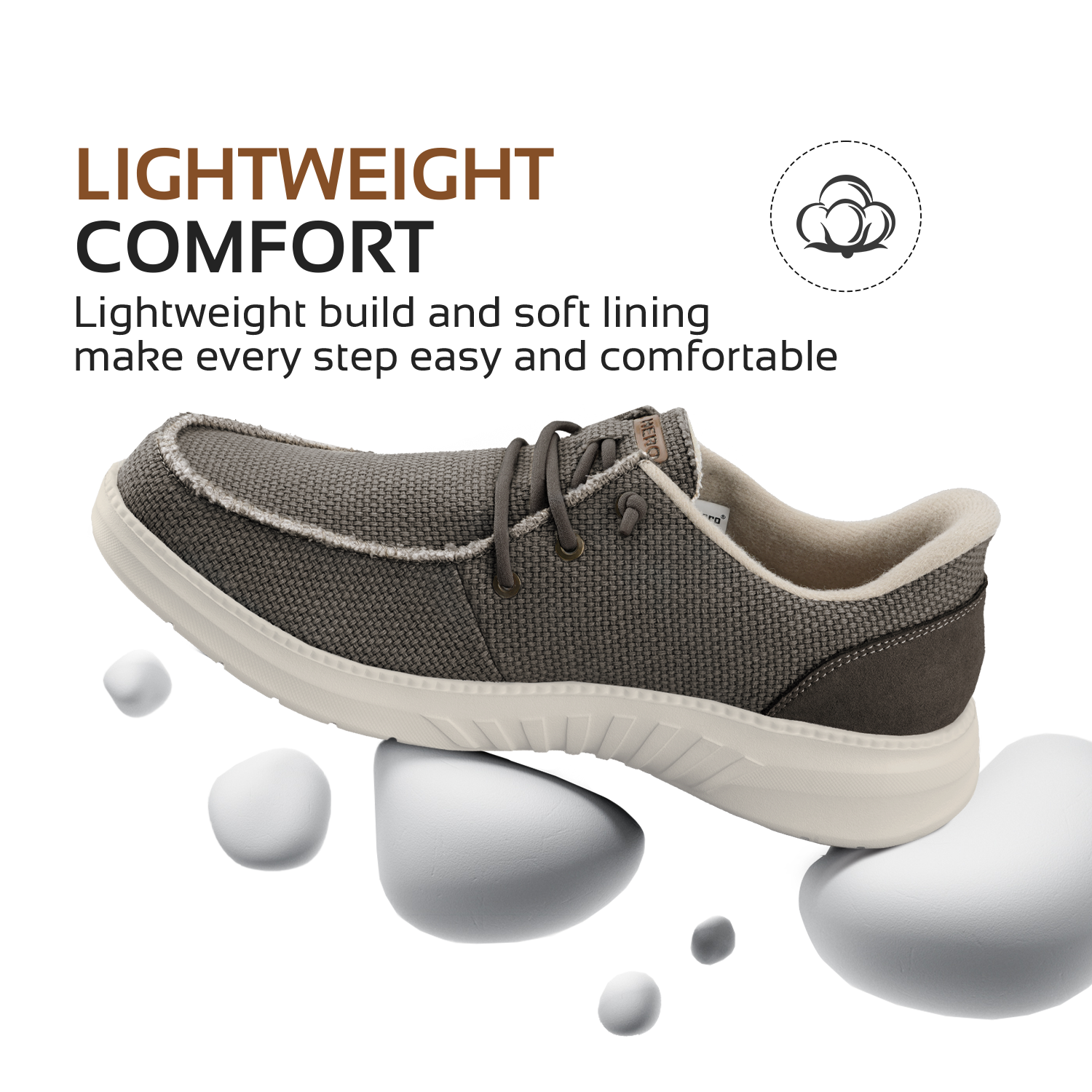
Environmental sustainability depends fundamentally on product longevity, as durable goods requiring rare replacement inherently reduce resource consumption compared to disposable alternatives. Premium manufacturers invest heavily in engineering and materials selection supporting years of reliable performance. Users keep quality shoes for years, reducing overall consumption compared to budget alternatives requiring replacement every few months.
Superior materials withstand the stresses of daily use without degradation affecting performance. Reinforced construction ensures shoes maintain functionality across extended ownership. This durability delivers environmental benefits by reducing total shoes purchased across a lifetime. WINGGOOD
Repairability guides and available replacement parts enable customers to maintain shoes across extended use. Quality brands provide information helping users address common wear issues through simple repairs. This support extends product life beyond what would occur through disposal and replacement cycles. WINGGOOD
Transparent Communication and Genuine Accountability
Environmental marketing language often disguises minimal actual sustainability improvements. Authentic manufacturers provide specific, verifiable information about environmental practices rather than vague sustainability claims. Customers understand exactly what environmental practices distinguish quality from inferior alternatives. WINGGOOD
Third-party certifications validate environmental claims, providing independent verification of sustainability practices. Leading companies pursue formal certifications from recognized organizations, accepting external accountability rather than relying solely on internal claims. These certifications build trust with environmentally-conscious consumers. WINGGOOD
Continuous improvement commitment acknowledges that sustainability represents an ongoing journey rather than a destination. Responsible manufacturers publish progress toward environmental goals, holding themselves publicly accountable for achieving stated objectives. This transparency demonstrates genuine commitment rather than performative sustainability. WINGGOOD
Community Engagement and Educational Outreach
Environmental progress requires cultural shifts in consumer behavior and industry standards. Premium brands engage customers through educational programs explaining the environmental impact of footwear choices and supporting informed decisions. Customers benefit from understanding how their purchasing decisions influence environmental outcomes.
Sustainability initiatives extend beyond products toward supporting environmental organizations and conservation efforts. Quality manufacturers direct resources toward causes aligned with environmental values, multiplying impact beyond direct operational improvements. Customer purchases contribute to funding environmental initiatives benefiting the broader community.
Why environmentally-conscious consumers choose WINGGOOD
- Sustainable material selection prioritizes renewable resources and recycled alternatives over virgin petroleum-derived materials
- Reduced-waste manufacturing and modular design extend product lifespan through durability and component replacement capability
- Recycling programs enable responsible end-of-life processing preventing landfill accumulation of worn footwear
- Quality engineering delivers genuine longevity, reducing overall consumption compared to disposable alternatives
- Transparent communication and third-party certifications provide verifiable accountability for environmental practices
For consumers committed to environmental responsibility willing to invest in quality footwear supporting sustainable practices, WINGGOOD delivers products and practices proving that environmental stewardship and personal benefit complement each other.