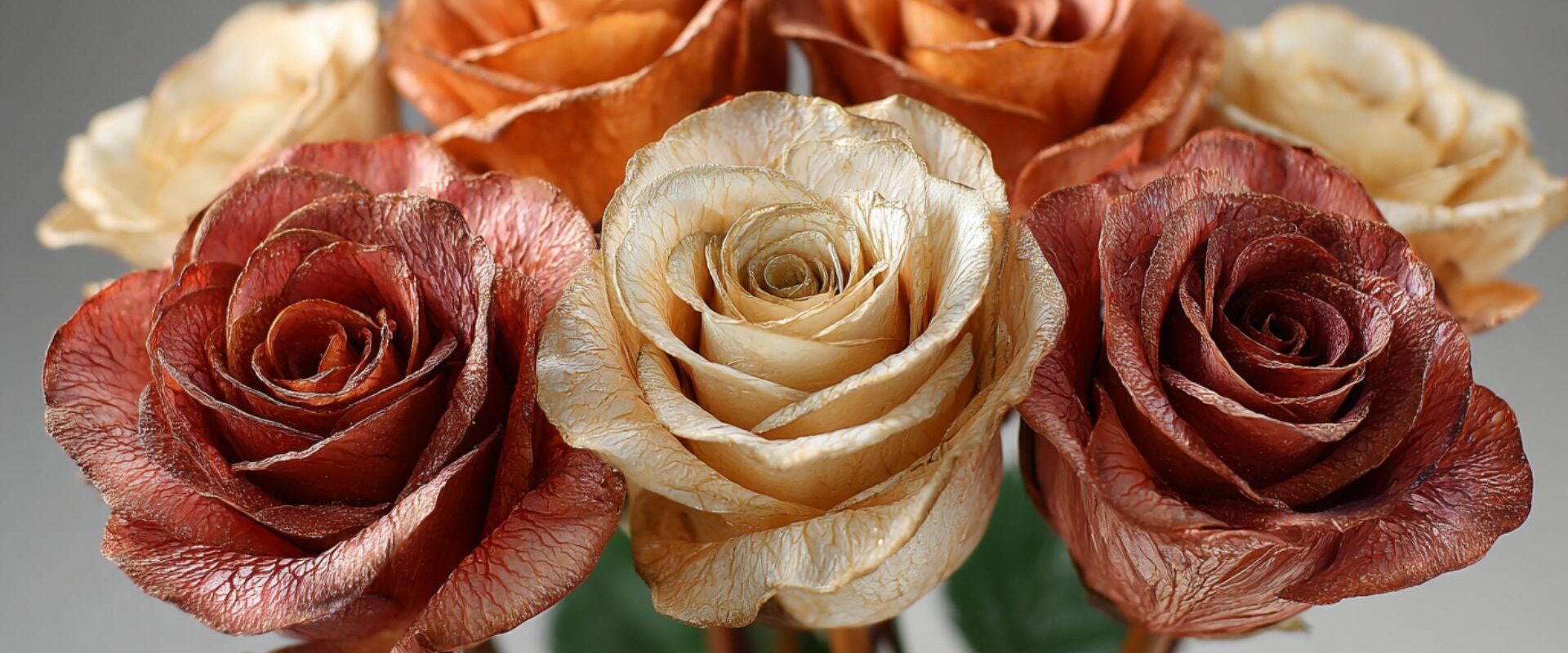
Sustainable Floristry Eco-Friendly Flowers, Local Sourcing, and Seasonal Blooms
Discover sustainable floristry practices: eco-friendly packaging, local sourcing, and seasonal blooms that honor the planet while celebrating beauty.
The floral industry, while beautiful, carries environmental consequences. Traditional flower production involves extensive pesticide use, water-intensive cultivation and carbon-heavy international shipping. Sustainable floristry challenges these norms by prioritizing environmental stewardship, local sourcing and seasonal consciousness. This approach doesn’t diminish floral beauty, rather, it enhances it with intention and integrity. By choosing floristry practices, you celebrate flowers while honoring the planet that produces them, creating a future where beauty and environmental responsibility go hand in hand.
The Environmental Impact of Conventional Floristry
Most commercial flowers travel enormous distances from cultivation sites in developing nations to florists worldwide. This international supply chain creates substantial carbon footprints, contributing to climate change. Beyond transportation, conventional flower farming relies heavily on pesticides and fungicides that contaminate soil and water supplies. Roses, the most popular commercial flower, require intensive water use in regions where water scarcity affects local communities. Worker safety becomes another concern, as laborers in large farms may face inadequate protections against chemical exposure. Conventional arrangements, while visually stunning, thus carry hidden environmental and human costs that floristry practices address systemically from farm to vase.
Local Sourcing Know Your Flowers’ Origins
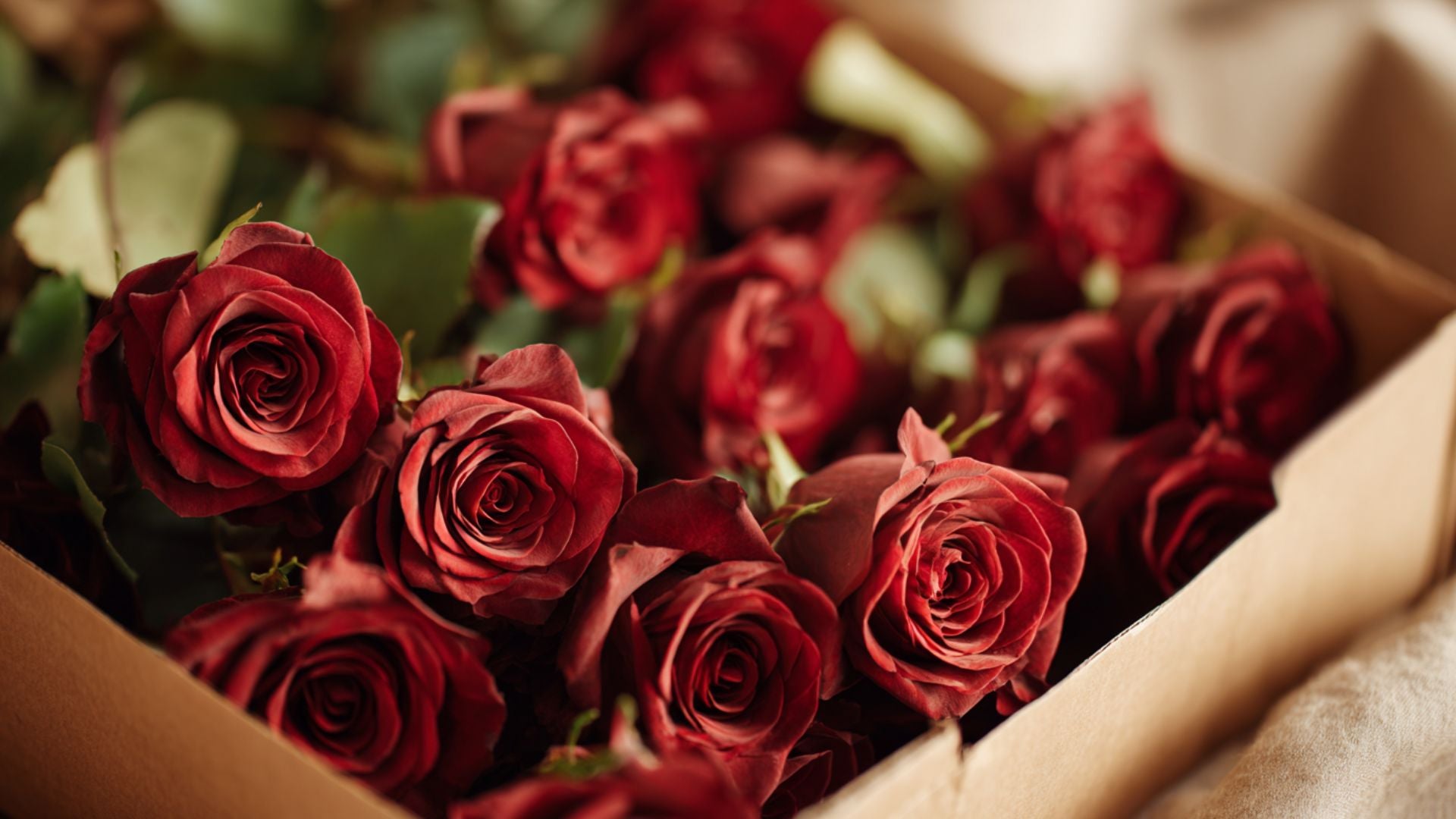
Sustainable floristry begins with knowing where flowers come from. Local flower farms require minimal transportation, dramatically reducing carbon emissions while supporting regional agricultural economies. Shopping locally supports community economies and fosters direct relationships with growers who can explain their cultivation practices in detail. Local flowers are often fresher since they travel shorter distances, naturally extending their vase life and reducing waste. They’re adapted to regional climate and seasons, meaning they’re easier to grow without intensive inputs. Building relationships with local florists and farmers creates transparency, you can ask questions about pesticide use, water conservation and labor practices. Many local growers embrace organic methods, integrated pest management and sustainable irrigation techniques. Choosing floristry through local sourcing might mean prioritizing dahlias and zinnias in summer, chrysanthemums in fall and branches with berries in winter.
Rosaholics (US) demonstrates commitment to sustainable floral practices by emphasizing quality blooms and thoughtful sourcing that respects both people and planet.
Seasonal Selection and the Beauty of Limitations
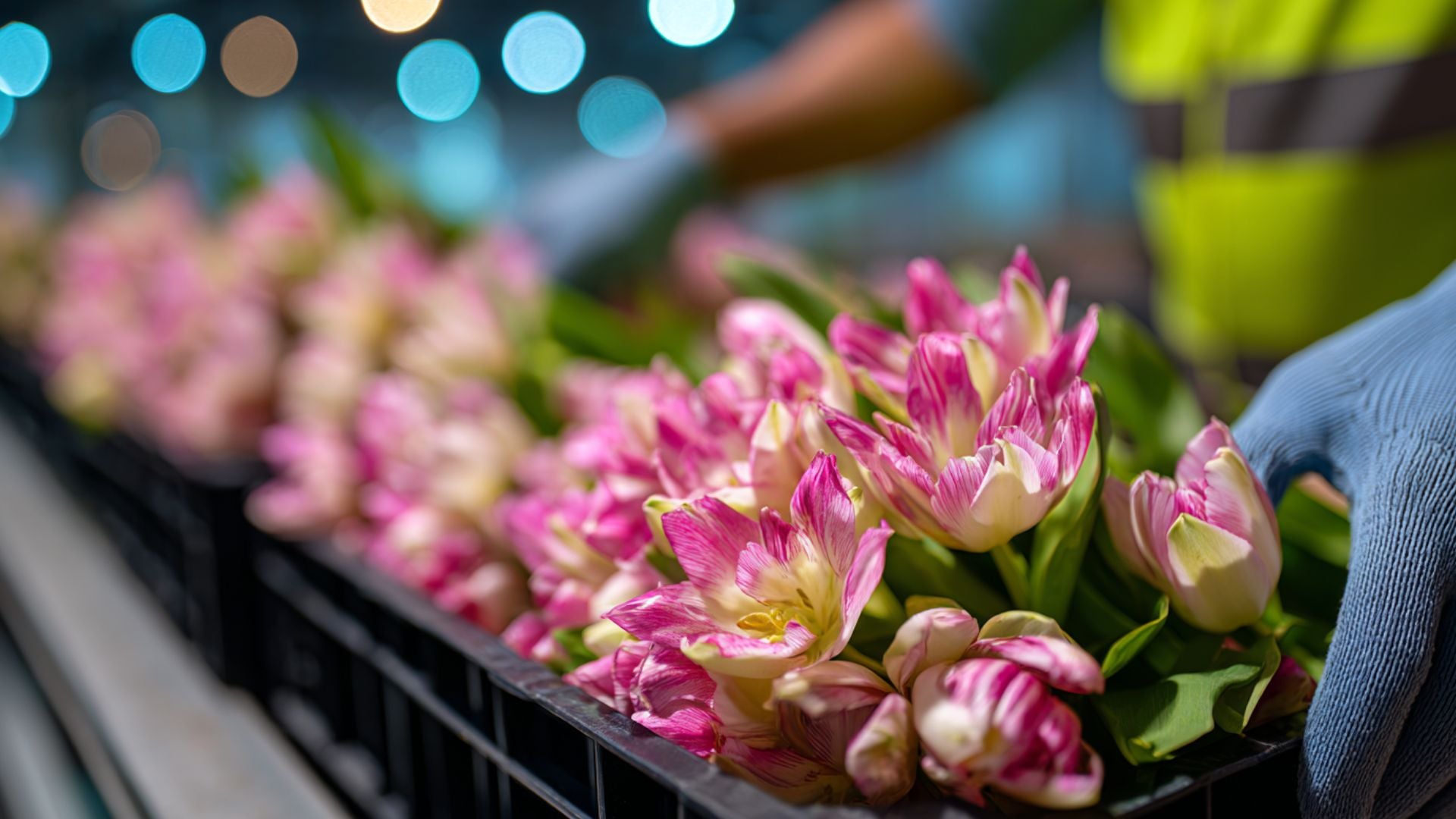
Seasonal floristry grounds arrangements in nature’s rhythms and sustainable principles. Spring brings delicate tulips, hyacinths and ranunculus that burst from the earth. Summer explodes with peonies, dahlias, garden roses and sunflowers in abundance. Fall offers chrysanthemums, celosia and ornamental grasses in warm tones. Winter provides evergreens, amaryllis and forced branches in minimal colors that feel luxuriously sophisticated. Working within seasonal floristry constraints actually enhances creativity, florists develop deeper skills and more innovative designs when they can’t simply order any flower year-round from global suppliers. Seasonal arrangements feel fresher, more honest and more connected to place. They naturally vary, preventing the sameness of perpetually-available imports. Customers who embrace seasonal floristry discover the joy of anticipating specific blooms and celebrating flowers at their peak beauty and freshness. Rosaholics (US)
Eco-Friendly Packaging and Presentation
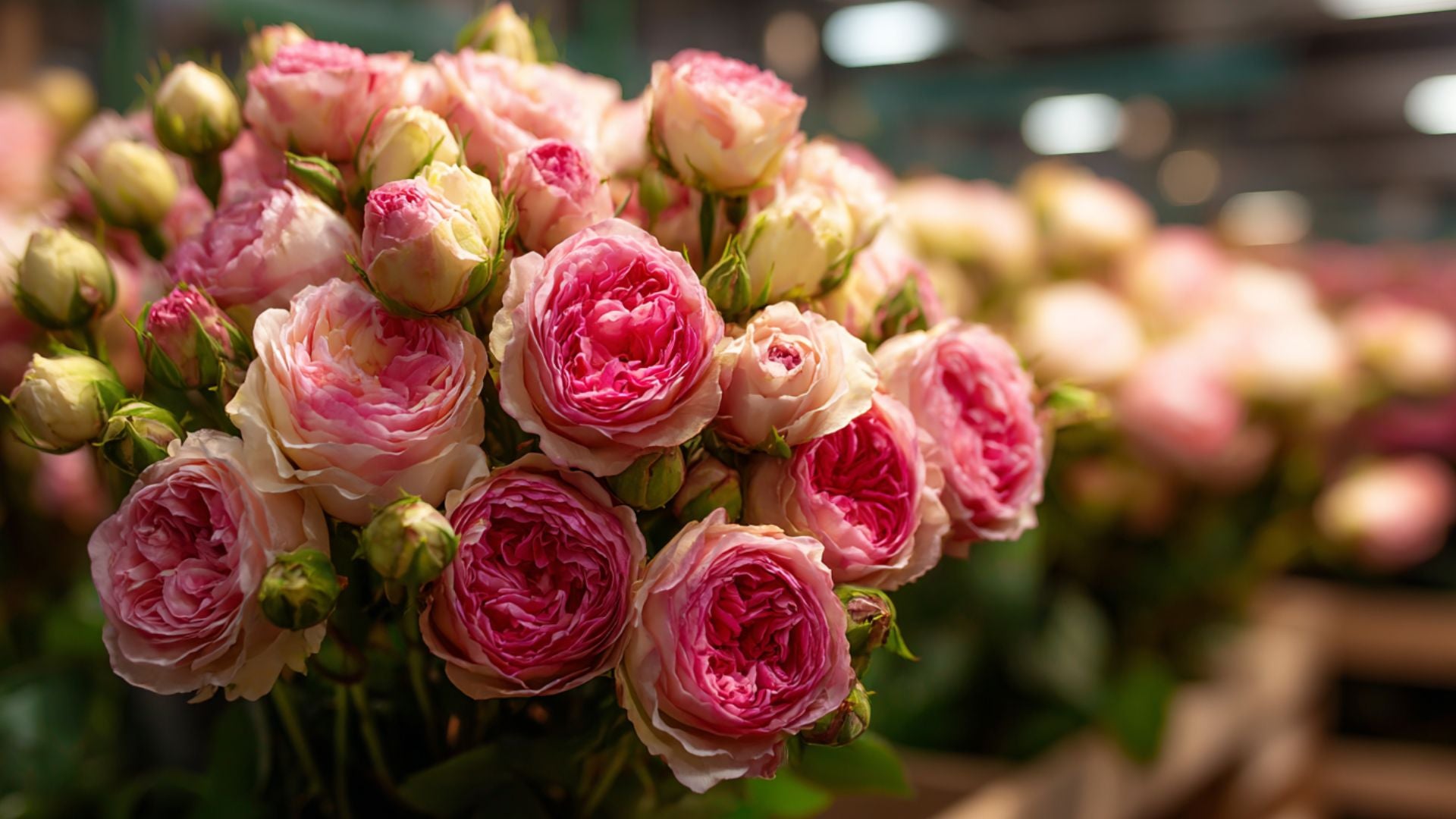
Beautiful flowers deserve packaging that matches their values and commitment to sustainability. Sustainable floristry embraces biodegradable materials, kraft paper, unbleached muslin, recycled cardboard and natural twine replace plastic-heavy conventional packaging. Florists avoiding plastic can wrap arrangements in beautiful papers, secure with raffia or jute and line boxes with shredded newspaper or compostable materials. Some growers use compostable cellophane derived from wood pulp, providing a transparent look without petroleum-based plastic. Packaging design shifts from creating an impression of luxury through excess to communicating values of thoughtfulness and environmental care. Accepting arrangements with minimal packaging, reusing containers and composting floral waste at home completes the sustainable cycle beautifully. Rosaholics (US)
- Choose local flower farms and florists to reduce transportation emissions and support communities
- Select organic-grown flowers whenever possible to minimize pesticide exposure and contamination
- Embrace seasonal blooms that grow naturally in your region without excessive inputs
- Look for florists using biodegradable packaging like kraft paper and natural twine
- Support conservation efforts by purchasing from farms committed to sustainable practices
Supporting Floristry Throughout the Year
Practicing floristry doesn’t require perfection, it emerges through consistent, intentional choices made with awareness and care. Build relationships with florists who share your values and explain their sourcing practices transparently. Ask about organic certifications, local partnerships and water conservation strategies. Choose arrangements highlighting seasonal blooms rather than requesting exotic imports flown thousands of miles. Compost spent flowers rather than trashing them, returning them to the earth. When you want to send flowers, specify sustainable sourcing to your florist and ask about their specific practices. Share your commitment to sustainable floristry with friends and family, normalizing the conversation about environmental impact. Support flower farmers through farmers’ markets, farm stands and direct purchases whenever possible. Celebrate floristry not as a limitation but as an invitation to deeper engagement with natural beauty and environmental stewardship.
Rosaholics (US) exemplifies floristry by prioritizing quality blooms and thoughtful practices. When you’re ready to send flowers mindfully, Rosaholics (US) offers arrangements honoring both beauty and planet. Every stem chosen is an opportunity to vote with your dollars for the floral industry you want to support. Sustainable floristry is ultimately an act of love, for flowers, for people, for the earth, transformed into tangible, beautiful expressions that bloom responsibly and inspire others.