Spark Your Child’s Curiosity Why STEAM Education Matters More Than Ever
Explore why hands-on STEAM learning transforms education and builds confident, creative problem-solvers.
In an age where technology shapes every aspect of our lives, the ability to think creatively and solve problems has become more valuable than ever before. STEAM education, combining science, technology, engineering, arts and mathematics, offers a powerful antidote to passive learning. Rather than sitting through lectures and memorizing facts, children engage with concepts through hands-on experimentation, building and creating. This approach mirrors how real innovators, engineers and designers actually work in the world. The shift from passive consumption to active creation transforms how children relate to knowledge itself.
The Problem With Traditional Learning
Traditional classroom education often compartmentalizes knowledge. Math happens in one period, science in another and the creative arts get squeezed into whatever time remains. This fragmentation makes it hard for children to see how different disciplines connect or why they matter. A student might excel at formulas but fail to see how those formulas solve real-world problems. They memorize facts without understanding applications. Students learn to associate learning with grades and performance anxiety rather than genuine curiosity and discovery. Tinkerer STEAM Box addresses this disconnect by bringing integrated learning into homes, where children can explore at their own pace and discover genuine connections between subjects.
Building Confidence Through Creation
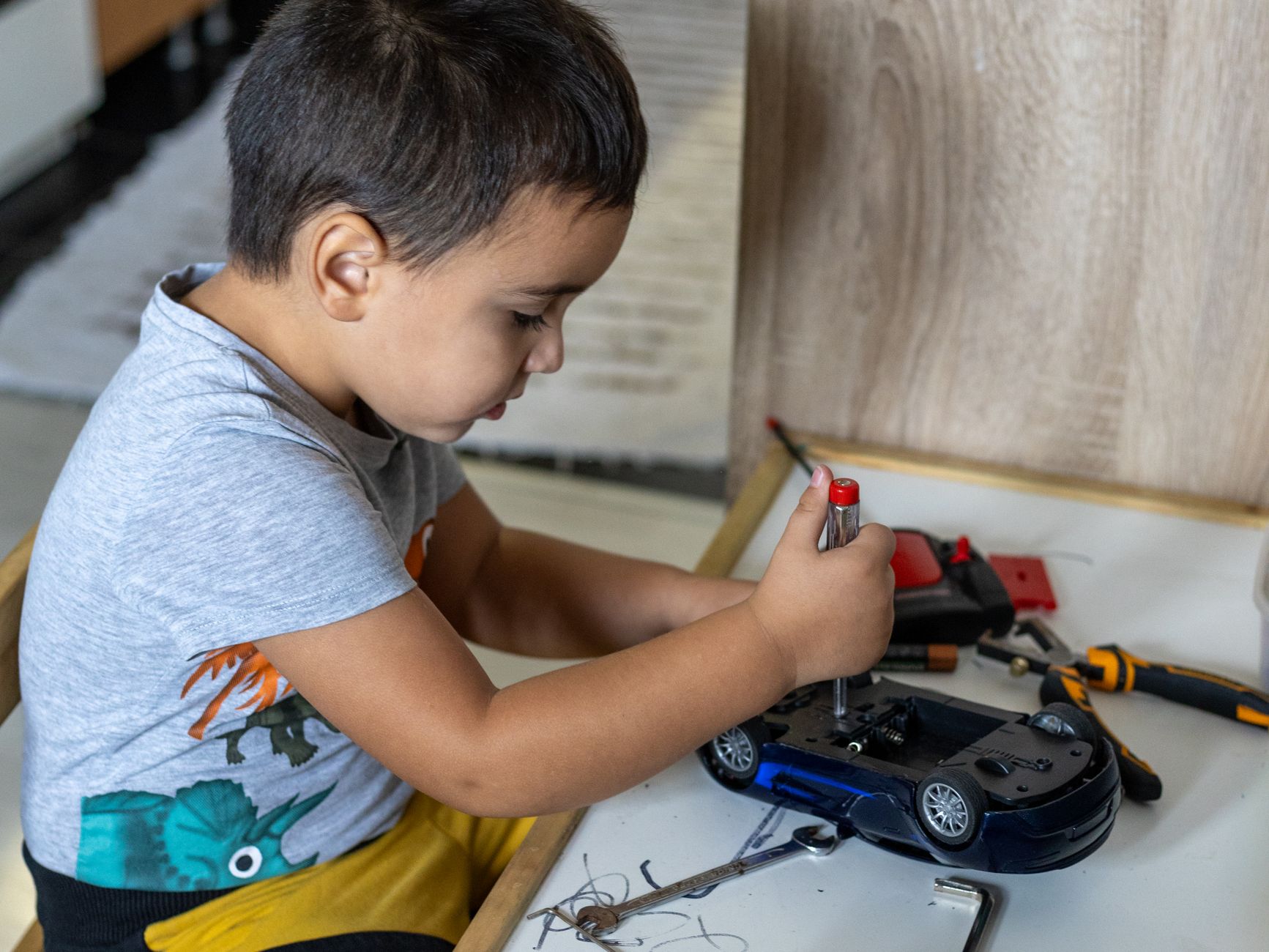
When a child successfully constructs something with their own hands, something shifts. They move from being a passive recipient of information to an active creator. This transition builds genuine confidence and resilience. If something doesn’t work on the first attempt, they troubleshoot, adjust and try again, developing a growth mindset that serves them far beyond STEAM topics. Research shows that children who engage in hands-on making projects report higher levels of self-efficacy and are more likely to tackle difficult problems without giving up. Tinkerer STEAM Box carefully sequences projects so that early successes encourage deeper exploration of more complex challenges, creating a natural progression that builds confidence incrementally.
Bridging the Creativity-Logic Divide
A common misconception is that STEAM separates into two camps the logical tech side and the artistic side. In reality, the best engineers are creative and the best artists understand structure and physics. Projects that integrate both hemispheres of the brain are where true innovation happens. Building a motorized sculpture requires both technical understanding and aesthetic judgment. Designing a sustainable packaging system demands engineering skills and artistic problem-solving. Many of history’s greatest breakthroughs came from people who moved fluidly between technical and creative thinking. Tinkerer STEAM Box recognizes this synergy and creates projects that refuse to separate left-brain thinking from right-brain creativity, treating them as essential partners in the making process.
Why Hands-On Learning Sticks
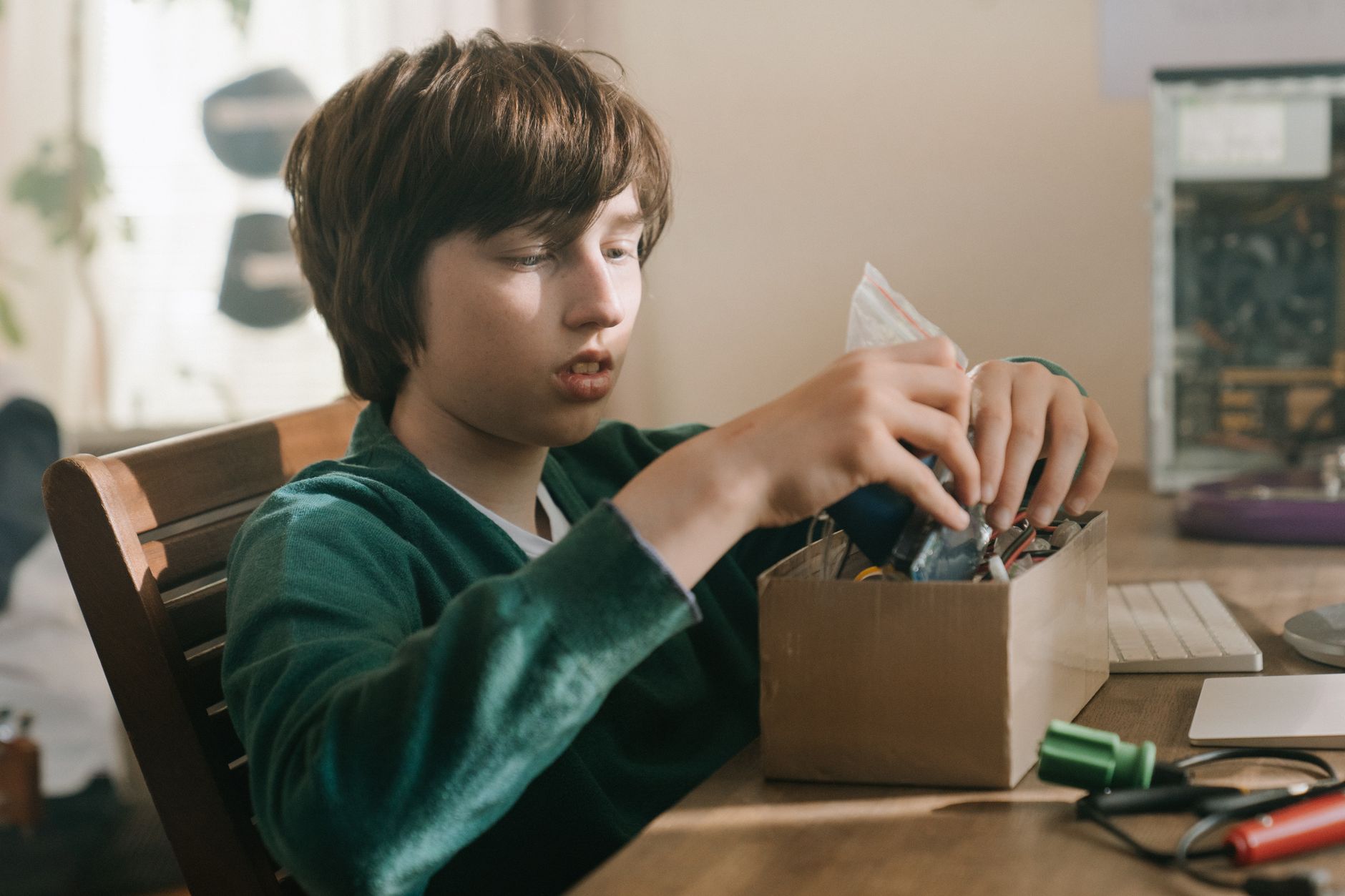
Neuroscience tells us that we retain information better when we engage multiple senses and actively manipulate materials. Reading about circuits is fine; actually assembling one and watching it light up is unforgettable. This multi-sensory engagement creates stronger neural pathways and longer-lasting memories. A child who builds an automaton doesn’t just understand mechanical advantage, they feel it, see it and have a tangible creation to show for their learning. The retention rate for hands-on learning is significantly higher than passive instruction and that’s not accidental. It’s how human brains are wired to learn and grow.
Creating Space for Play and Experimentation
Play isn’t frivolous; it’s the engine of discovery. When children have permission to tinker, fail and iterate without pressure, they ask better questions and find more creative solutions. This experimental mindset extends beyond the project itself and into other areas of their learning and problem-solving. Tinkerer STEAM Box provides structured projects that still leave room for individual interpretation and experimentation. A child might follow the basic instructions but then wonder “What if I add another motor?” or “Can I paint it a different way?” Those self-directed modifications transform a guided project into genuine exploration and personalization.
Key Benefits of STEAM Learning at Home
- Develops critical thinking and problem-solving skills that transfer across academic subjects and real-life situations.
- Builds confidence through tangible accomplishments and encourages a growth mindset when facing challenges.
- Creates lasting memories and deeper understanding through multi-sensory, hands-on engagement with concepts.
- Fosters creativity by allowing children to design, modify and personalize their projects according to their own ideas.
- Strengthens family bonds when projects become collaborative experiences shared with parents or siblings.
Building Problem-Solving Skills for an Uncertain Future
We don’t know exactly what jobs will exist in 20 years, but we know that adaptability, creative problem-solving and technical literacy will be universally valuable. STEAM education doesn’t train children for specific jobs; it trains them to think like makers and innovators. They learn that problems often have multiple solutions, that failure is feedback and that collaboration improves outcomes. These skills transfer across disciplines and contexts. A young person who has built and debugged their own projects approaches challenges with confidence and curiosity rather than fear or hesitation.
The Social Benefits of Shared Making
While STEAM projects can be wonderfully solitary, they also shine when shared. Building something together teaches children to communicate their ideas, listen to others’ perspectives and negotiate solutions to design problems. Siblings, classmates or friends can contribute different strengths and viewpoints. The process of explaining how something works or why you made a certain choice deepens understanding and builds communication skills that matter far beyond STEAM contexts. Tinkerer STEAM Box works beautifully as a solo activity or collaborative project, making it versatile for different learning environments and social dynamics.
Investing in STEAM education isn’t about creating future engineers, though some certainly will become engineers. It’s about developing curious, capable, resilient young people who understand that they can build the solutions their world needs.