SmartWings Could Be the Missing Piece in a Home That’s Already Smart
A lot of homes have become smart almost by accident. First comes a speaker in the kitchen, then a few connected bulbs, perhaps a video doorbell and a thermostat. Before long, you can control half the house without leaving the sofa. Then you look at the windows. Despite everything else being automated, someone still walks […]
A lot of homes have become smart almost by accident. First comes a speaker in the kitchen, then a few connected bulbs, perhaps a video doorbell and a thermostat. Before long, you can control half the house without leaving the sofa.
Then you look at the windows.
Despite everything else being automated, someone still walks around opening the blinds every morning and closing them again at night. It is hardly a major inconvenience, but it does feel strangely old-fashioned in a home where so many other routines happen automatically.
This is the gap SmartWings can fill. Motorized window treatments bring a part of the home that is often overlooked into the same connected routine as lighting, heating and other smart devices.
A Smart Home Should Reduce Tasks, Not Create More of Them
There is a difference between owning smart gadgets and having a genuinely useful smart home.
If every connected device requires opening a separate app, finding the right menu and pressing several buttons, technology has not really saved much effort. Good home automation works better when several everyday actions can become part of a routine.
Window coverings are particularly suited to this because most people adjust them at fairly predictable times.
You might want bedroom shades to open in the morning, living room blinds to adjust when afternoon sunlight becomes strong, and every street-facing window covered after sunset. Instead of dealing with each window individually, motorized shades can make those changes easier to manage.
SmartWings supports popular smart home ecosystems, which makes this kind of integration more useful for households that already have connected devices.
Think in Scenes Rather Than Individual Devices
This is where smart blinds become more interesting.
Imagine settling down for a film. You want the lights dimmed and the shades closed to reduce glare. Rather than treating the lights and windows as two separate jobs, they can become part of the same evening setup.
The same thinking works in other parts of the day. A morning routine might involve opening selected shades to bring natural light into the house. An evening routine can focus on privacy. Window automation can also be helpful when you are away, since the house does not have to sit with every blind permanently closed.
That is a more practical use of smart technology than buying connected products simply because they can be controlled from a phone.
The Window Treatment Still Has to Work as a Window Treatment
Technology should not distract from the basic job of a blind.
Before choosing any smart shade, consider what the room actually needs. A bedroom where outside light regularly interrupts sleep has very different requirements from a bright kitchen or living room.
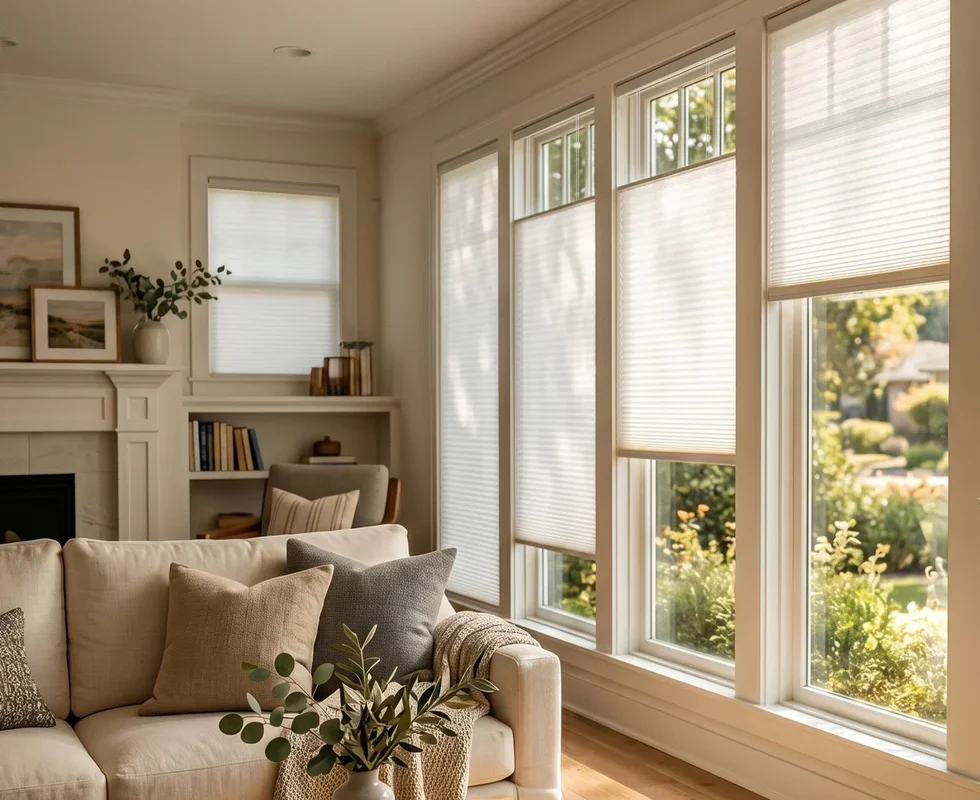
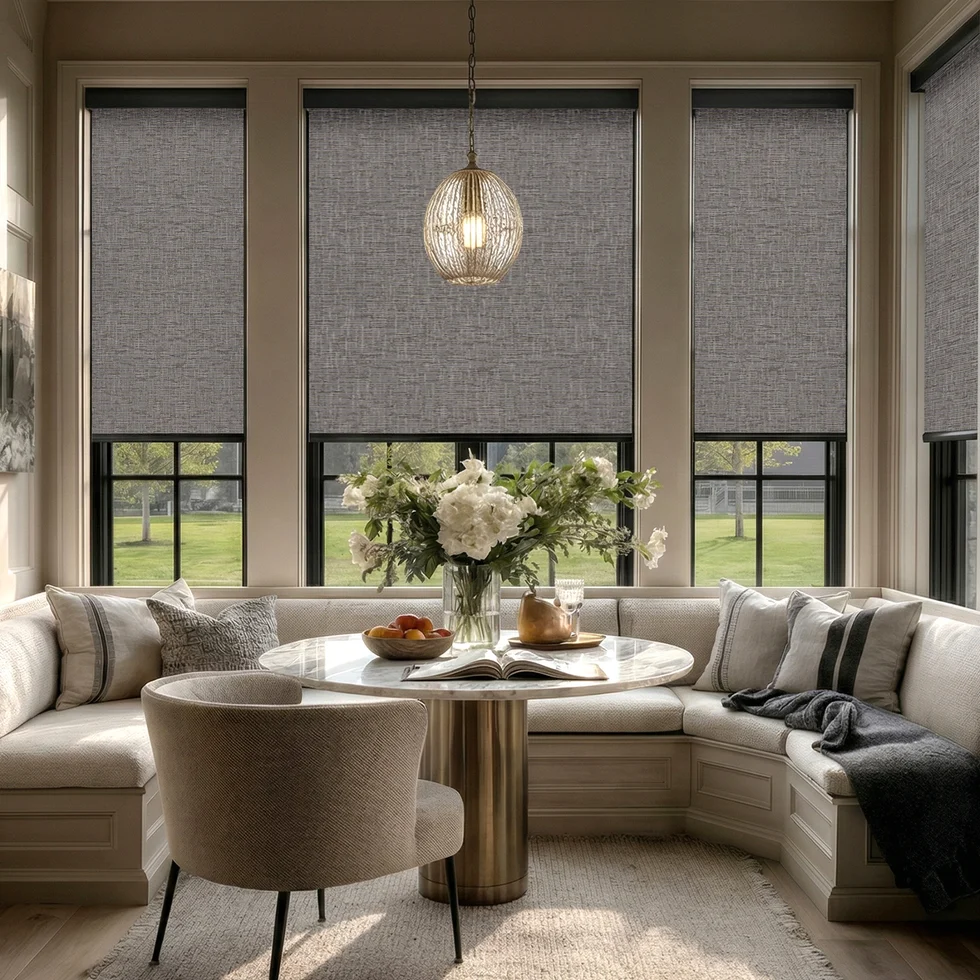
Blackout shades can help create a darker sleeping environment. Light-filtering shades are better suited to spaces where you want to soften daylight rather than eliminate it. Cellular shades can provide a different balance of light control and insulation, while roller shades offer the clean appearance many modern interiors suit.
This variety is one of the useful aspects of SmartWings. You are not choosing automation instead of interior design. The idea is to find a window covering that suits the room first, then make its operation more convenient.
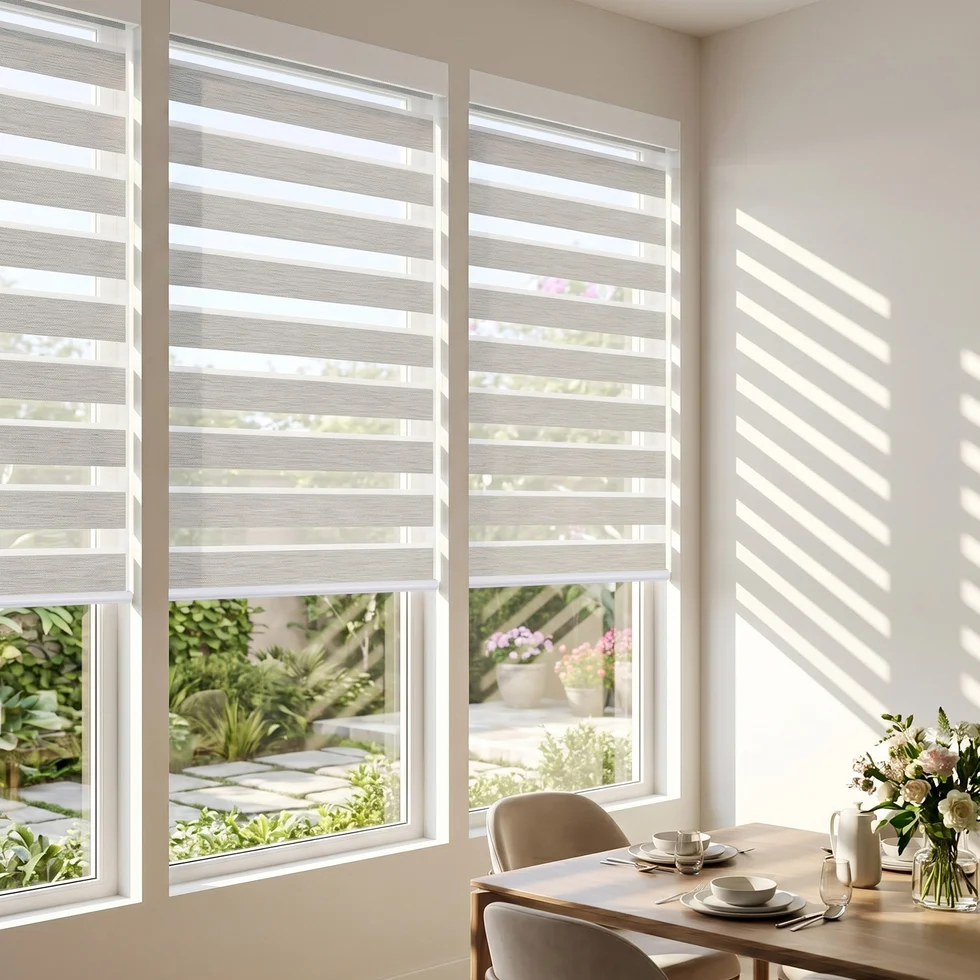
There is also no rule saying every window needs identical treatment. Mixing styles according to privacy, sunlight and room function often makes more sense than trying to make one type of shade work everywhere.
Where Motorization Really Earns Its Keep
Some windows make the case for automation almost immediately.
High windows can be awkward to reach. A sofa might block access to another. Large windows may require multiple blinds, turning a simple morning routine into several separate adjustments.
Families may also appreciate cordless motorized shades because there are no dangling operating cords to deal with around children or pets.
For these situations, SmartWings is not just adding another smart device to the house. It is solving a physical inconvenience that existed before the automation arrived.
And that is probably the better way to judge any smart home purchase.
The goal is not to automate everything simply because you can. It is to identify the small routines you repeat every day and decide which ones technology could quietly handle for you.
If lighting, temperature, security and entertainment are already connected, SmartWings can make the windows feel like they finally belong in the same home.