Shower Water Filtration How Curo Skin Fits in the Market
Curo Skin breaks down shower water filtration into handheld and rainfall options built around a named triple-filter blend. 🚿
Tap water carries more than most people realize, and the shower is where skin and hair meet it daily, at full temperature and volume. Shower water filtration has grown into its own small category of home products, built around reducing chlorine, metals, and other residues before they reach the body. This piece looks at what the category actually does, the main product formats on the market, and where Curo Skin‘s handheld and fixed shower options sit among them.
Why Tap Water Quality Matters for Skin and Hair
Treated water keeps a household supply safe to use, but the chemicals used for that treatment do not simply disappear once the water leaves the tap. Chlorine, in particular, is added to control bacteria and is still present when it reaches a showerhead. Repeated exposure to it, along with trace metals picked up from plumbing, has been linked by many skincare and haircare brands to dryness, irritation, and dull-looking strands, which is also why hard water effects and frizzy hair show up so often in marketing around the category.
Understanding Chlorine and Heavy Metal Removal in Shower Filters
Most shower filters work by forcing water through a cartridge packed with filtering media before it exits the nozzle. The goal is to capture or neutralize specific contaminants rather than filter water to drinking standards. Curo Skin states that its filters reduce over 99% of chlorine and heavy metals, the central claim shoppers encounter when comparing shower water filtration products, and that same figure appears across both its shower head and rainfall filter listings. That consistency across product lines is one way to check whether a filtration claim applies to a single item or the whole range.
The Filtered Shower Head: Curo Skin’s Handheld Solution
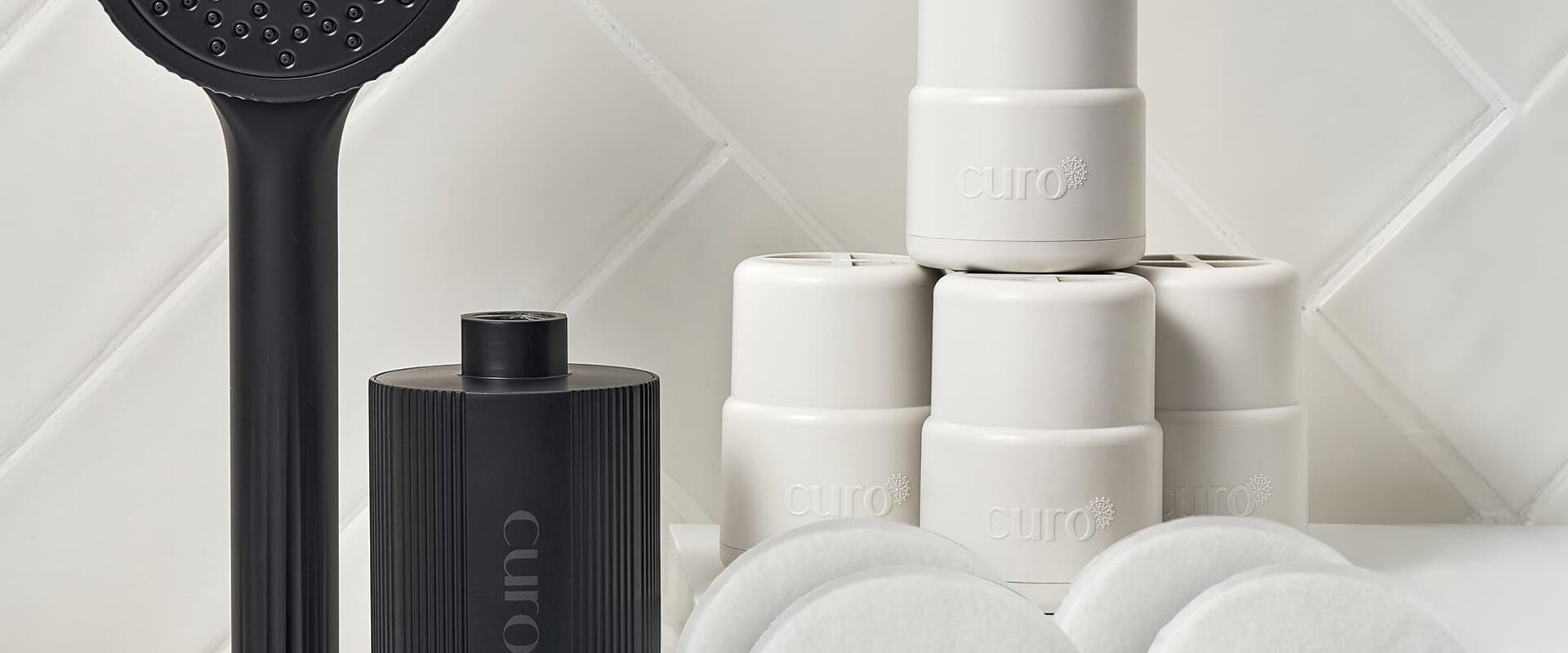
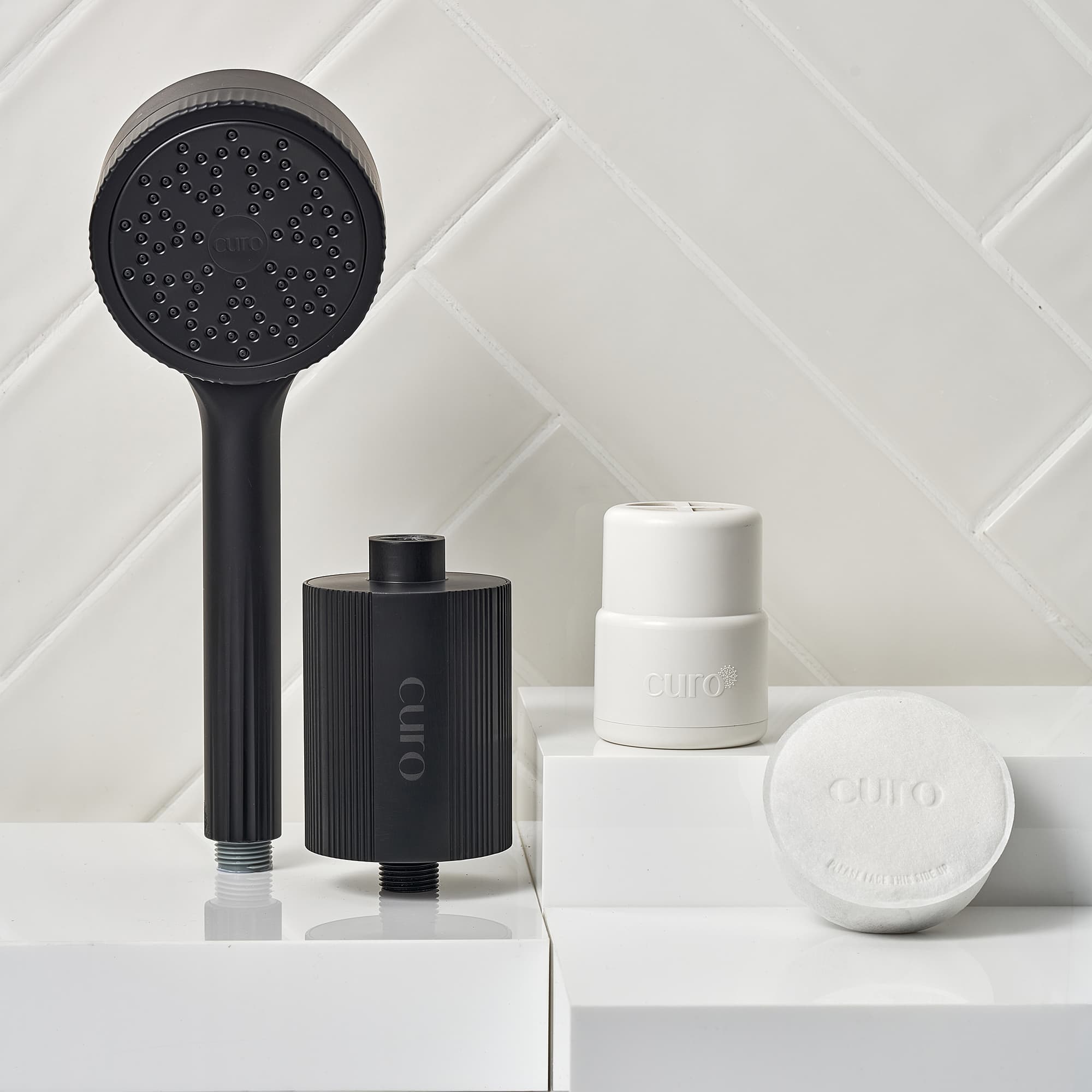
The Filtered Shower Head is Curo Skin’s handheld option, built to replace an existing shower head rather than attach as a separate unit. It is described as independently recognised as one of the most effective handheld shower filters on the market, and it is designed to remove up to 99% of chlorine, heavy metals, and organic compounds. It pairs with an adjustable shower holder, sold separately, designed for shower rails between 19mm and 25mm. Because it is handheld, this version suits bathrooms where a flexible hose is already part of the setup.
The Rainfall Shower Filter: Curo Skin’s Fixed Installation Option
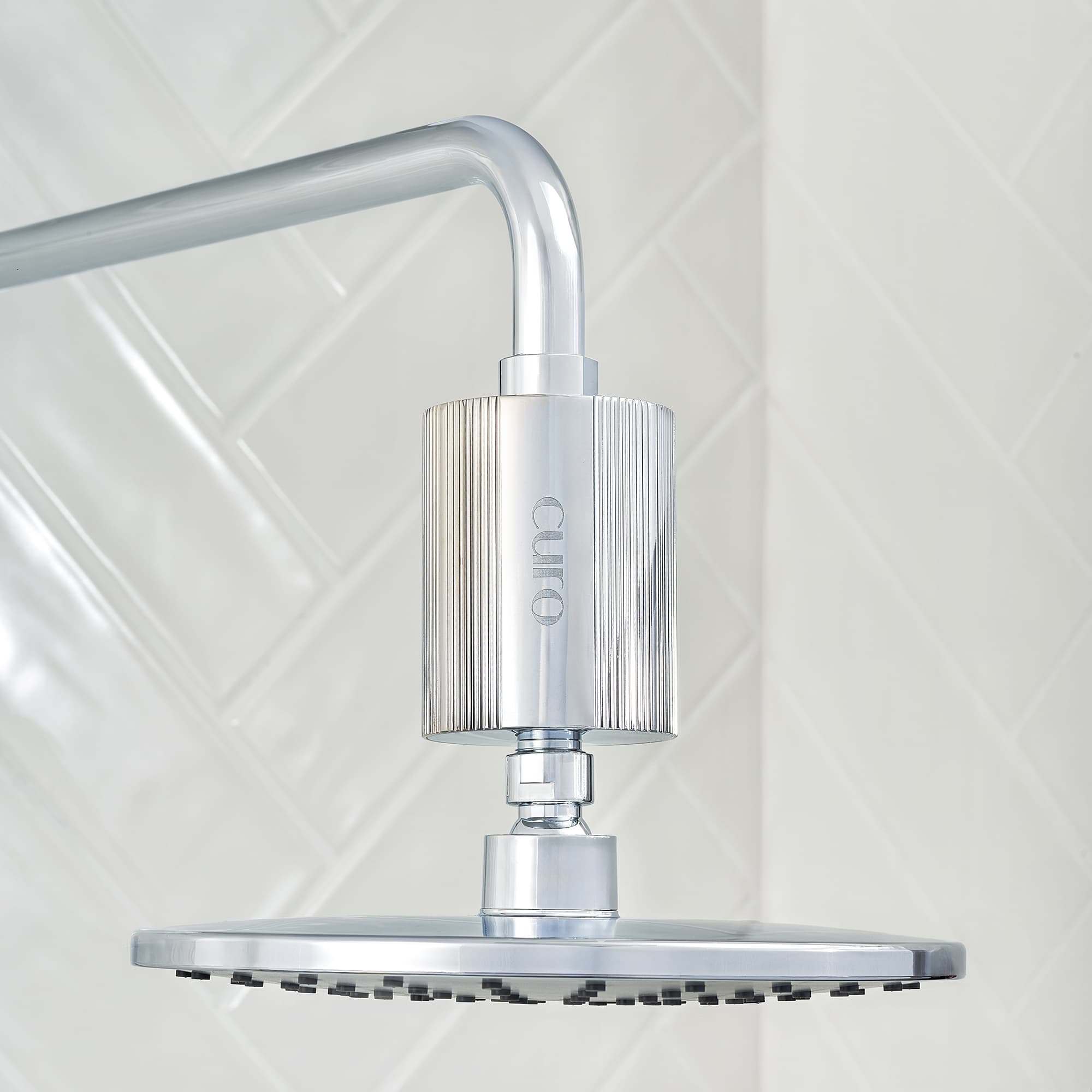
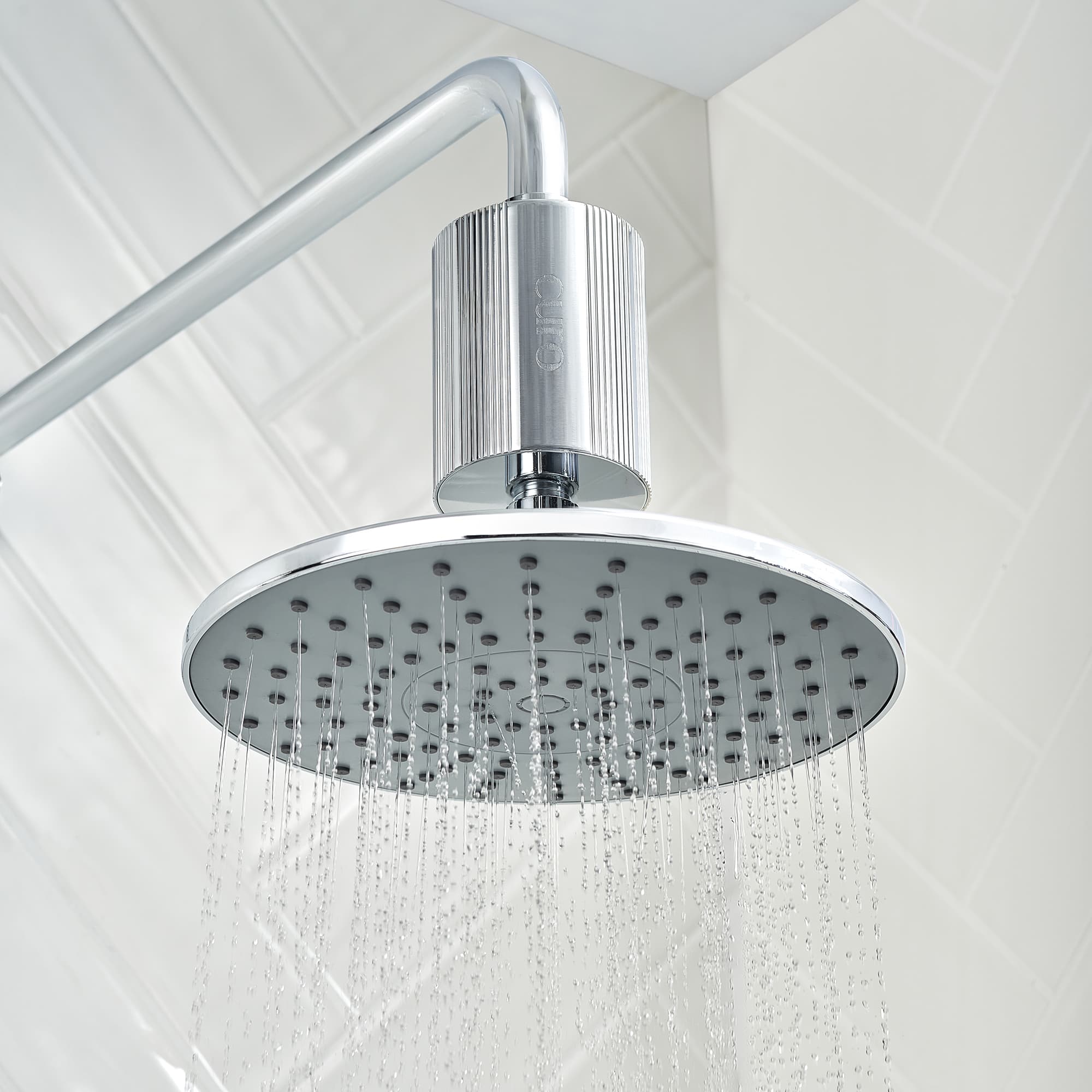
For bathrooms with a fixed overhead shower, Curo Skin offers a separate product line called the Rainfall Shower Filter. It is crafted using 100% machined aluminium and is described as combining architectural design with the brand’s filtration approach. The listing notes it can be used as an in-line filter on a shower mixer, fits standard 1/2″ BSP thread connections, and requires no plumbing experience to install. Those installation details set it apart from the handheld model, since it attaches to existing shower plumbing rather than replacing a handset, and a bundle pairs both formats under one listing for households wanting both.
How Curo’s Triple Filtration Technology Works
Inside the Curo Skin Replacement Filter sits a combination the brand calls the trio of filtration, made up of KDF-55, Calcium Sulfite, and Activated Carbon. According to the product listing, this combination removes up to 99% of chlorine, heavy metals, and organic compounds from the water passing through it. The same filter is designed to last 90 days before it needs replacing. This is one of the few places in the category where a brand names the specific filtering media rather than describing the process only in general terms, which gives some concrete grounding to the shower water filtration claims made elsewhere on the site.
Replacement Filters and Long-Term Maintenance
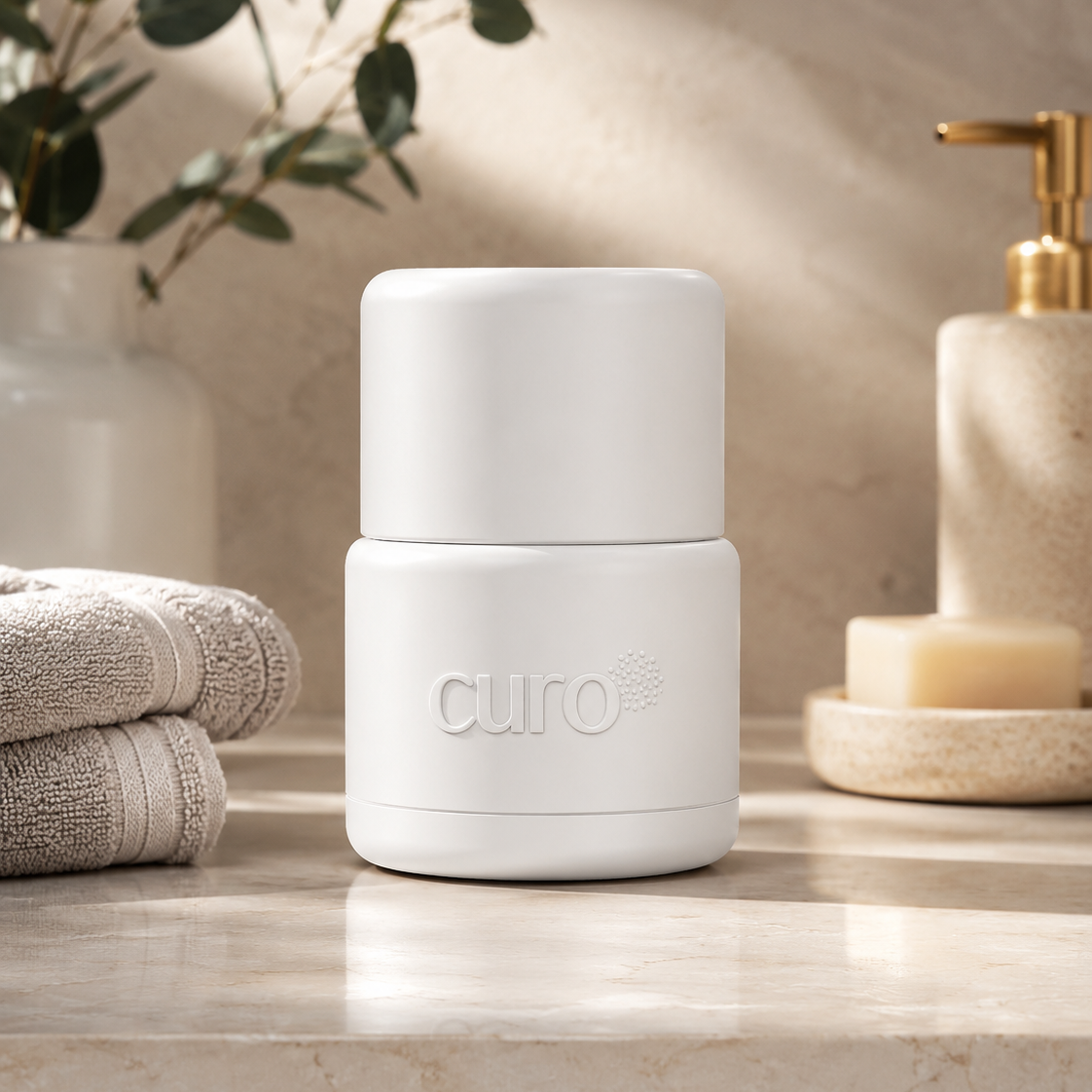
Ongoing use of either shower filter depends on swapping the cartridge once it reaches the end of its stated lifespan. Curo Skin‘s Rainfall Replacement Filter is designed for the Rainfall housing specifically and is rated to last up to 90 days or 15,000 litres, depending on water usage. A separate bundle groups both cartridge types together for households running both shower formats. Keeping track of replacement timing matters for anyone relying on consistent chlorine and metal reduction, since a spent cartridge stops performing at the rate described in the product listings.
- Chlorine is the contaminant most shower filters are built to target, and filters in this range state a reduction of over 99%.
- Heavy metals picked up from household plumbing are also named in the filtration claims for both the handheld and rainfall products.
- Organic compounds are listed alongside chlorine and heavy metals as a target of the Filtered Shower Head and the Replacement Filter.
- Softer hair and reduced irritation are among the outcomes associated with consistent exposure to filtered water.
- A more comfortable shower experience is mentioned repeatedly across product descriptions as a result of the filtration process.
Shower water filtration has moved from a niche add-on to a recognizable product category, with handheld heads, fixed rainfall units, and dedicated replacement cartridges now sold as distinct lines. The range covers both installation types, pairs them with a named filtering media combination, and sells separate replacement filters to keep either system running. For anyone comparing the category, those specifics, rather than general marketing language, are what separate one shower filtration product from another.