
Scale Model Display Mastery Creating Museum-Quality Diecast Showcases at Home
Master the art of displaying diecast model collections with expert guidance on lighting, organization, environmental protection, and creating museum-quality displays at home.
The transformation from casual collector to dedicated enthusiast often hinges on one pivotal moment the decision to properly display a collection. A haphazard arrangement of model cars scattered across shelves lacks impact, but a thoughtfully curated display becomes a conversation-starting centerpiece that transforms rooms. Whether someone owns a modest collection of cherished vehicles or maintains hundreds of meticulously preserved models, understanding display principles elevates the entire collecting experience. This comprehensive exploration of scale model exhibition reveals how strategic staging, lighting and presentation convert ordinary diecast collections into extraordinary visual statements.
Display Fundamentals Foundation Before Decoration
Successful showcases begin with infrastructure decisions that determine both collection accessibility and longevity. Collectors must weigh competing priorities protection against dust and handling damage, visibility that showcases detail work and practical manageability when rotating pieces or adjusting arrangements. Glass-fronted display cabinets address these concerns by providing sealed environments that maintain dust-free conditions while allowing full visual appreciation. The cabinet selection process, while seemingly straightforward, demands careful consideration of dimensions, shelf depths and closure mechanisms that ensure stability for heavier models.
Collectors assembling displays benefit tremendously from sourcing quality models through retailers like Diecast Models Wholesale, which provides the selection breadth necessary to develop cohesive themed collections. Whether focusing on specific manufacturers, vehicle categories or historical periods, strategic curation ensures that displayed pieces share visual coherence that strengthens overall impact. A unified collection tells a more compelling story than scattered acquisitions, making every model in the display feel purposeful and connected.
Lighting Strategy Illuminating Detail and Eliminating Glare

Properly selected lighting transforms adequate displays into museum-quality installations. LED technology revolutionized model display by providing efficient, low-heat illumination that eliminates concerns about damage while offering exceptional controllability. Rather than relying on ambient room lighting, professional collectors employ dedicated cabinet lighting positioned strategically to eliminate shadows and glare while highlighting metallic finishes and painted details.
The technical aspects of lighting extend beyond simple brightness. Color temperature, measured in Kelvin units, significantly influences how models appear visually. Warmer lighting (2700-3000K) creates intimate, inviting atmospheres while accentuating metallic tones. Cooler lighting (4000-5000K) enhances clarity and detail visibility while creating more clinical presentations. Many collectors employ adjustable systems allowing seasonal or thematic adjustments. Positioning matters equally; angled top-down lighting eliminates the hot spots and shadows that compromise display quality. Sourcing exceptional models from specialists like Diecast Models Wholesale ensures that invested lighting efforts illuminate truly worthy pieces.
Organization Principles and Thematic Arrangement
Random collection arrangements dilute visual impact, while strategic organization amplifies aesthetic appeal. Successful collectors employ organizational systems that serve dual purposes creating unified visual statements while facilitating inventory management. Chronological arrangements, grouping models by production year or era, tell evolutionary stories of design progression. Manufacturers-focused displays celebrate brand philosophies and design languages, creating galleries dedicated to favorite makers. Scale-based organization, where collections group by 1/18, 1/24 or 1/43 scales, creates proportional harmony within display spaces.
Color-based arrangements, while occasionally dismissed as superficial, create surprisingly effective visual impacts that command attention. A shelf displaying exclusively red vehicles creates striking visual continuity, while alternating color distributions generate rhythm and movement perception. Hybrid approaches combining multiple organizational strategies yield the most compelling results. Whatever system collectors develop, consistency strengthens the presentation. When augmenting collections through Diecast Models Wholesale, thoughtful selection ensures new acquisitions integrate seamlessly into existing organizational schemes rather than disrupting carefully balanced arrangements.
Environmental Factors and Collection Protection

Display success extends beyond aesthetics into environmental stewardship. Models face threats from UV radiation, humidity fluctuations, temperature extremes and contamination. Window-adjacent displays, while tempting for natural light, expose models to ultraviolet damage that fades paint and degrades materials over time. Humidity control proves equally critical; excess moisture encourages corrosion of metal components and paint degradation, while insufficiently humid environments cause plastic components to become brittle. Professional collectors maintain display environments between 40-60 percent relative humidity with stable temperature regimes avoiding dramatic fluctuations.
Dust represents perhaps the most insidious threat, as accumulated particles diminish detail visibility and potentially scratch painted surfaces during cleaning. Sealed display cabinets provide the most effective dust protection, while open shelving demands regular but gentle cleaning protocols. Collectors should employ soft microfiber cloths and avoid contact with painted surfaces when possible. Those building displays with models sourced from Diecast Models Wholesale ensure they possess quality pieces worthy of protective efforts.
Display Composition Creating Visual Narratives
- Tiered height arrangements create visual interest and prevent monotonous flat presentations that fail to engage viewers.
- Negative space between models enhances individual piece visibility and prevents visual crowding that diminishes overall impact.
- Focal point establishment, achieved through strategic positioning of showpiece models, guides viewer attention and creates viewing narratives.
- Complementary accessories including miniature signage, thematic backgrounds or diorama elements enhance storytelling without overwhelming primary models.
- Rotation systems that periodically swap displayed models with stored inventory maintain collector interest and showcase entire collections effectively.
Photography and Documentation Approaches
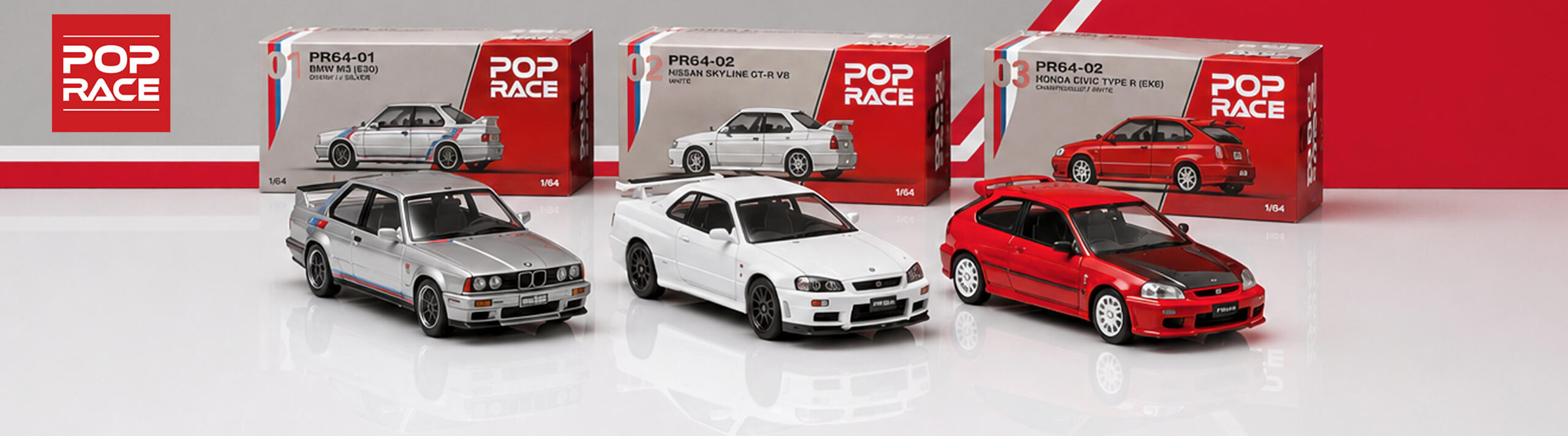
Serious collectors recognize that documentation serves purposes beyond mere record-keeping. Photographing displays from consistent angles and lighting conditions creates archives useful for insurance purposes, collection tracking and sharing with fellow enthusiasts. Professional photography reveals display quality nuances invisible during casual viewing, highlighting areas for refinement. Consistent documentation practices also facilitate collection research and valuation tracking as models appreciate over time.
Display evolution represents a natural part of the collecting journey. As enthusiasts acquire new pieces, refine organizational philosophies or discover superior display techniques, arrangements evolve to reflect developing sophistication. What began as functional shelving matures into intentionally designed galleries that celebrate both individual models and the collecting passion they represent. Collectors continuously improving their displays through strategic acquisitions from retailers like Diecast Models Wholesale discover that their investment extends far beyond individual models, enriching entire environments. The transformation from collector to curator represents a meaningful milestone, one achieved through deliberate attention to display fundamentals and creative implementation of organizational principles. Begin your display evolution today by exploring quality model options and designing environments that properly celebrate your collection’s inherent beauty through Diecast Models Wholesale.