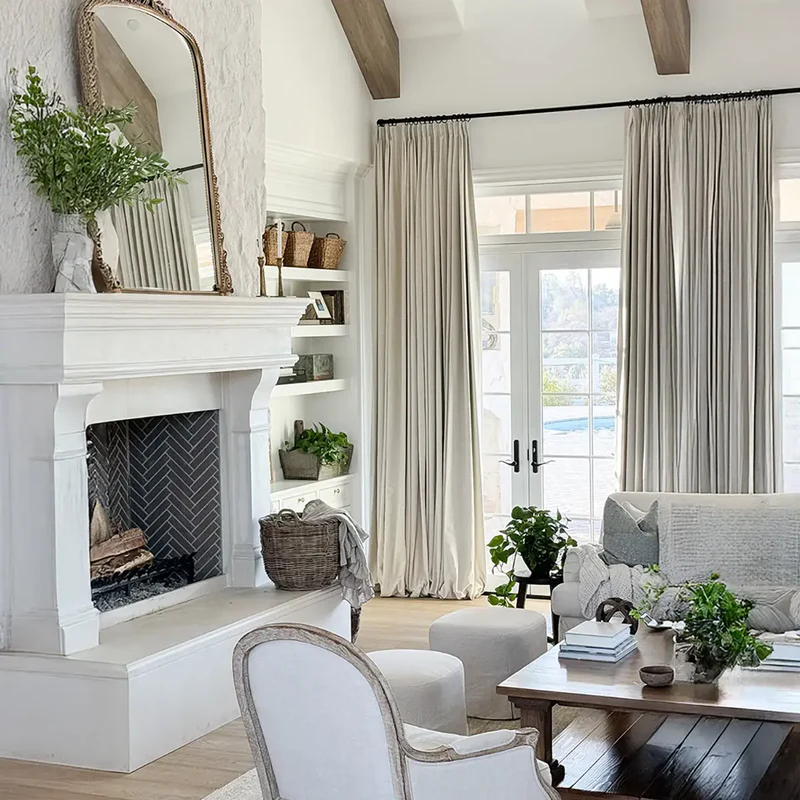
Premium Fabric Longevity Why Quality Matters in Custom Window Treatments
Curtains are an investment in your home’s comfort and aesthetics, which is precisely why fabric quality deserves serious consideration. A beautifully designed curtain made from inferior material will fade, fray and disappoint within months. Conversely, well-crafted fabric chosen with durability in mind can enhance your space for decades, maintaining its color, texture and structural integrity […]
Curtains are an investment in your home’s comfort and aesthetics, which is precisely why fabric quality deserves serious consideration. A beautifully designed curtain made from inferior material will fade, fray and disappoint within months. Conversely, well-crafted fabric chosen with durability in mind can enhance your space for decades, maintaining its color, texture and structural integrity through countless seasons and cleaning cycles.
Understanding fabric construction and fiber quality separates window coverings that merely look attractive from those that truly perform. The foundation of any durable curtain lies in the strength and resilience of its fibers, the tightness of the weave and the finishing treatments applied during manufacturing. TWOPAGES selects fabrics that excel across all these dimensions, ensuring your curtains remain beautiful and functional regardless of environmental challenges.
Natural Fiber Excellence and Performance
Natural fibers have been valued for centuries because they offer inherent qualities that synthetic materials struggle to replicate. Linen provides exceptional strength and develops character through aging, creating a sophisticated lived-in aesthetic. Cotton offers breathability and softness while maintaining structural integrity when properly woven. Wool delivers insulation and naturally resists staining and fading. Silk brings luxury and subtle light diffusion, though it requires more careful maintenance than other naturals.
The advantage of natural fibers extends beyond aesthetics to practical durability. These materials age gracefully, often improving with time rather than degrading. A linen curtain hung five years ago will likely look better today than inferior synthetic alternatives purchased last month. When TWOPAGES sources fabrics, natural fiber content and quality are primary criteria, recognizing that these investments deliver lasting value.
Synthetic Innovations and Blends
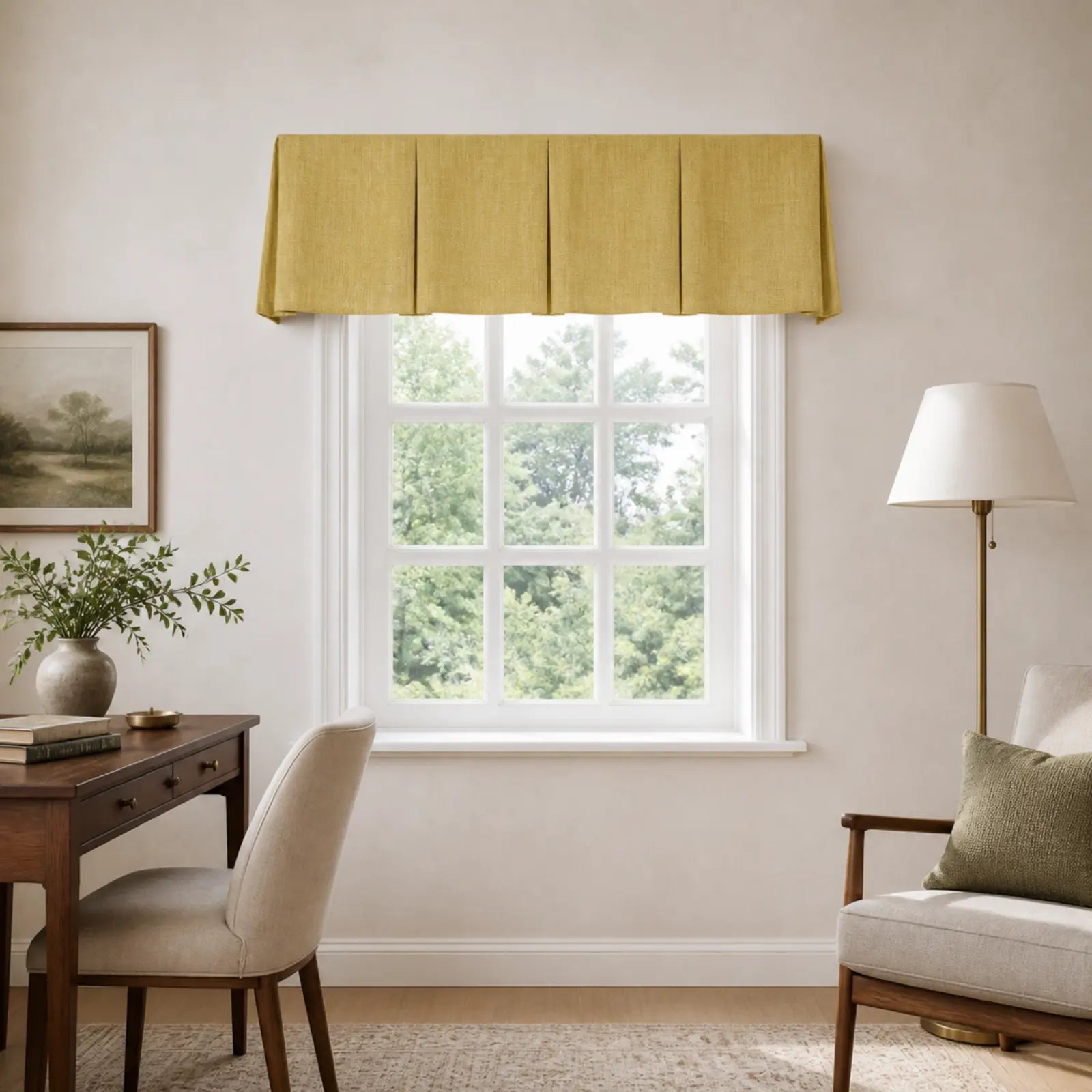
Modern synthetic fibers have evolved dramatically, offering performance advantages that supplement or enhance natural materials. Polyester contributes colorfastness and wrinkle resistance. Acrylic provides outdoor durability and UV protection. Nylon adds strength and elasticity. Rather than viewing synthetics as inferior alternatives, sophisticated textile specialists understand them as tools for specific performance requirements. A linen-polyester blend might offer the beauty of linen with enhanced stain resistance. A wool-acrylic combination delivers warmth with lower maintenance demands.
The finest custom curtains often employ strategic blends, combining the best properties of multiple fibers. TWOPAGES artisans evaluate each proposed blend for its specific performance profile. Will this fabric experience intense sunlight or stay in a sheltered room? Will it require frequent cleaning or mostly decorative dusting? Should it provide thermal insulation or prioritize light filtration? These considerations guide fabric selection to ensure optimal durability for your particular situation.
Weave Construction and Density
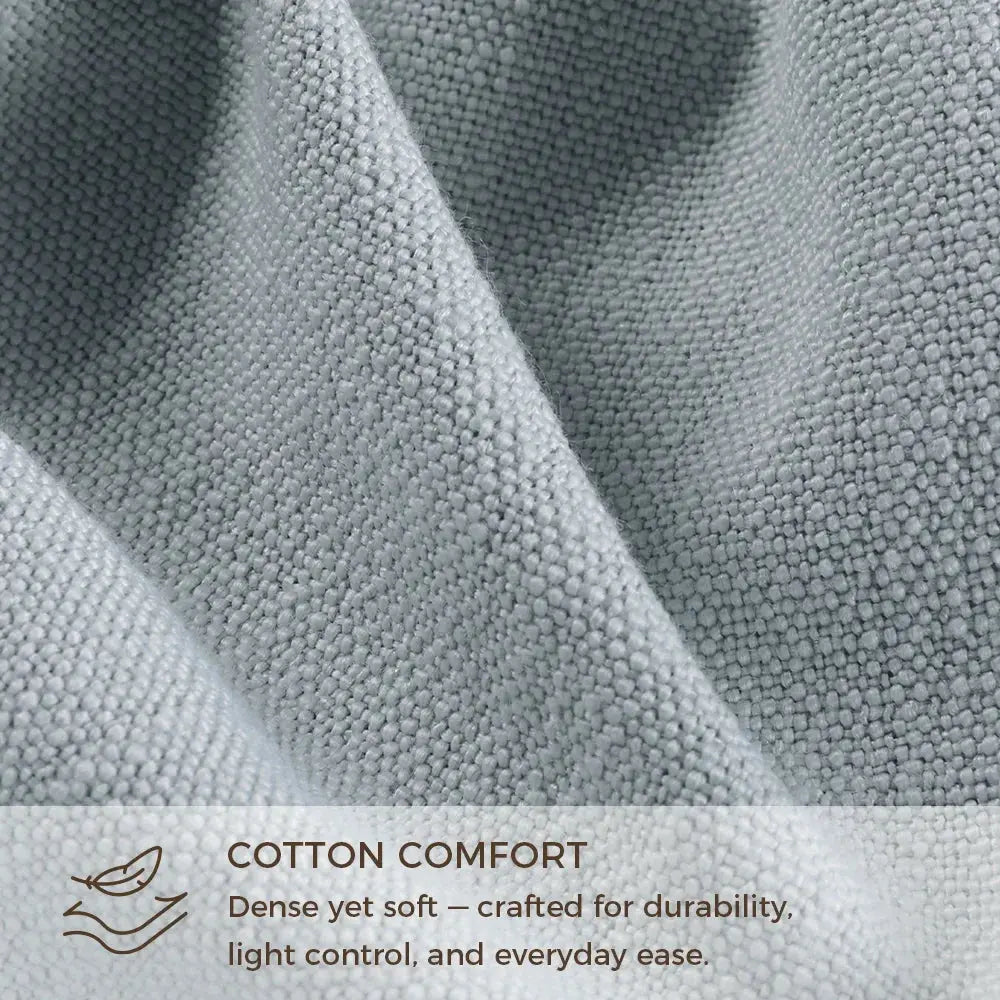
Fabric quality extends beyond fiber selection to the fundamental mechanics of how threads are interlaced. A tight, dense weave resists pilling and wear far better than a loose, open weave. Plain weaves offer versatility and durability. Twill weaves create diagonal patterns while adding strength. Jacquard weaves enable intricate patterns without sacrificing durability through proper construction. The thread count, measured as threads per inch, indicates density. Higher thread counts generally correlate with greater durability, though this relationship isn’t absolute without considering fiber quality.
Professional designers at TWOPAGES evaluate weave structure as carefully as fiber content. A pattern-heavy fabric requires sufficient density to support the design without creating weak points. A solid-colored fabric might employ a lighter weave if the pattern and fiber content provide adequate strength. This technical expertise ensures your custom curtains balance beauty with performance.
Color Fastness and Fading Resistance
Few things disappoint homeowners more than watching vibrant new curtains fade into washed-out shadows within a year or two. Colorfastness, the ability of fabric to resist fading from light exposure, separates quality materials from budget alternatives. This property depends on dyeing processes, fiber type and chemical finishing treatments. Natural dyes tend to fade more readily than synthetic dyes. Acidic dyes used on wool offer excellent lightfastness. Disperse dyes applied to polyester similarly resist fading. The most durable fabrics combine colorfast dyes with UV-protective finishes that shield against sun damage.
When TWOPAGES curates its fabric collection, colorfastness testing verifies that selected materials can withstand years of sunlight exposure without unacceptable degradation. Fabrics destined for south-facing windows with intense sunlight exposure receive particularly rigorous evaluation. This commitment to durability means your custom curtains will maintain their intended color and beauty for years beyond what typical commercial offerings provide.
Maintenance and Care Longevity
The lifespan of any curtain depends not only on fabric quality but also on appropriate maintenance. Understanding fiber-specific care requirements preserves longevity. Delicate silks may require professional dry cleaning, while robust cottons tolerate regular washing. Wool benefits from occasional professional cleaning but rarely needs frequent treatment. Linen improves through gentle laundering. Most quality fabrics benefit from regular vacuuming to remove dust and occasional professional cleaning to refresh appearance without exposing fibers to harsh conditions.
When you select TWOPAGES custom curtains, you receive guidance on proper care suited to your specific fabric. This education becomes part of your investment, enabling you to maintain your window treatments in optimal condition. Properly maintained quality fabric can deliver 10, 15 or even 20 years of beautiful service where inferior materials might deteriorate within 3 to 5 years.
Environmental Factors and Durability
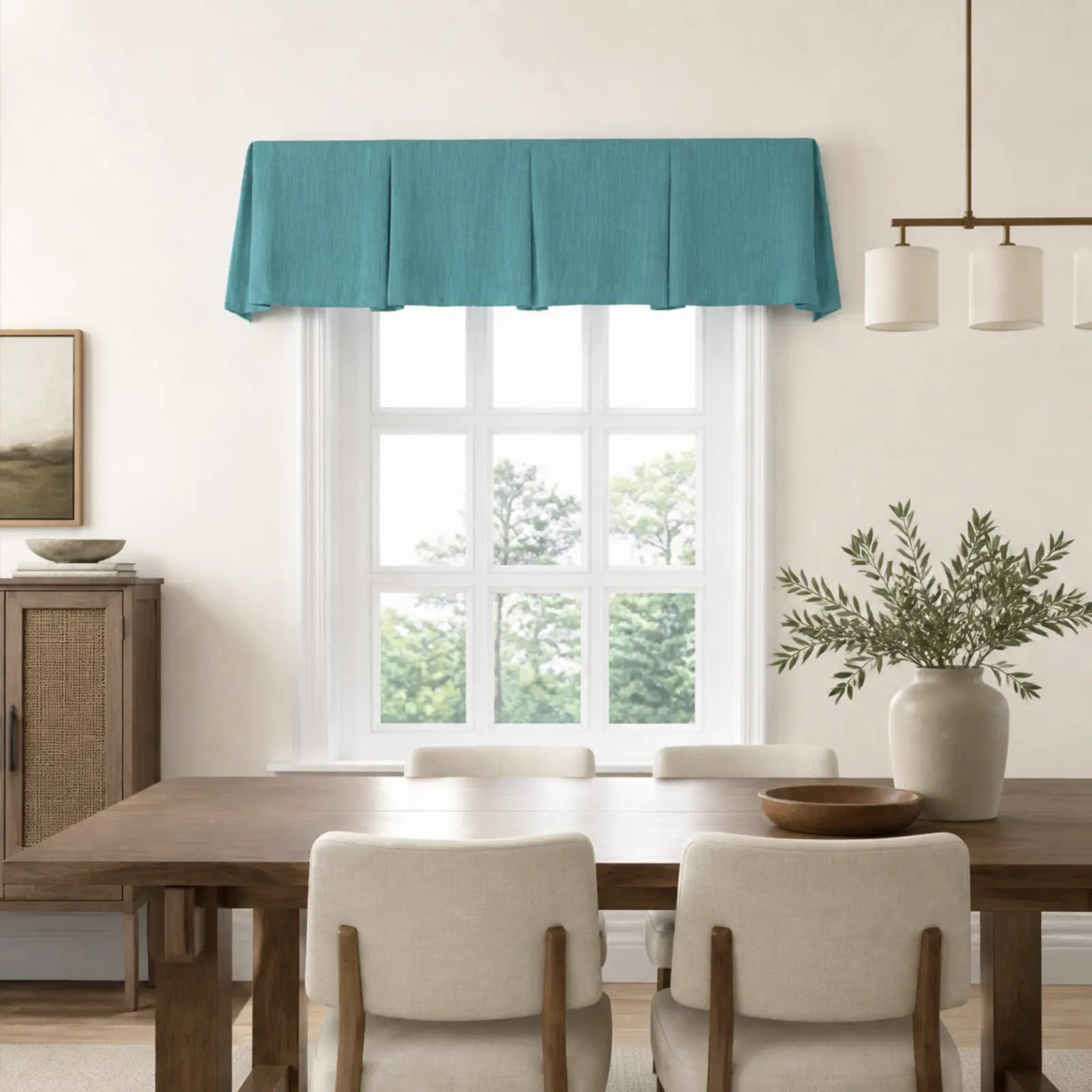
Your specific environment significantly influences which fabrics will perform best long-term. Coastal properties expose fabrics to salt spray and humidity, demanding materials with exceptional moisture and corrosion resistance. Desert climates bring intense UV exposure requiring superior colorfastness. Humid regions encourage mold and mildew, necessitating naturally resistant fibers or anti-microbial treatments. Temperature fluctuations in attics or poorly insulated rooms stress fabrics, making robust construction essential. Understanding these environmental variables allows designers to recommend fabrics engineered to thrive in your specific conditions.
- Coastal environments demand salt-resistant fibers and protective finishes
- Desert climates require superior UV protection and colorfastness
- Humid regions benefit from naturally mold-resistant materials
- High-traffic areas need durable, stain-resistant fabric blends
- Temperature-variable rooms require fibers that maintain integrity through seasonal stress
Choosing quality fabrics suited to your environment and maintenance capabilities represents a fundamental commitment to long-term satisfaction. Your curtains will age beautifully, performing reliably through years of daily use and environmental exposure, ultimately offering far superior value than budget alternatives despite higher initial investment.