OEM vs Aftermarket Understanding Car Parts Quality and Reliability
Learn the critical differences between OEM and aftermarket car parts. Understand quality, reliability, and cost considerations for making informed replacement decisions.
When your vehicle needs a repair, you face a crucial decision that extends far beyond the immediate fix. Should you choose original equipment manufacturer parts or consider quality aftermarket alternatives? This question sits at the intersection of cost, reliability and long-term vehicle performance. Understanding the genuine differences between OEM and aftermarket parts empowers you to make decisions aligned with your vehicle’s needs and your budget constraints.
What Exactly Are OEM Parts?
OEM stands for Original Equipment Manufacturer. These are the exact parts installed on your vehicle when it rolled off the assembly line. They come directly from your vehicle’s manufacturer or authorized suppliers. If your car is a Honda, Honda OEM parts are designed and tested specifically for Honda vehicles. The same applies to Ford, Toyota, Chevrolet and every other manufacturer operating in the automotive industry.
The major advantage of OEM parts is absolute certainty of fit and compatibility. Engineers at the manufacturer tested these exact components in the exact vehicle configuration. You’re never guessing whether something will fit or function properly. Additionally, OEM parts typically carry warranties and your vehicle’s service history remains clean and documented using factory-authorized components throughout its lifespan.
Understanding Aftermarket Parts
Aftermarket parts are produced by third-party manufacturers, not the vehicle manufacturer. These companies design parts to fit your vehicle, often reverse-engineering original components or following industry specifications. Quality aftermarket suppliers invest heavily in engineering and testing to ensure their products meet or exceed OEM standards. The critical variable is the supplier’s commitment to quality and reliability across their entire product lineup.
Visit GSF Car Parts and you’ll find aftermarket options ranging from budget-conscious choices to premium alternatives that match OEM quality. The diversity of aftermarket choices means you can select components matching your priorities whether they emphasize cost savings or performance enhancement.
Comparing Quality and Reliability

- OEM parts guarantee original design specifications and engineering validation specific to your vehicle model and year.
- Quality aftermarket parts from reputable manufacturers often match or exceed OEM specifications through rigorous testing and quality control.
- Budget aftermarket parts may save money initially but often fail prematurely, creating false economy through repeated replacements.
- Warranty coverage differs significantly, with OEM parts typically backed by manufacturer guarantees while aftermarket warranties vary widely by supplier.
- Long-term reliability depends more on the aftermarket supplier’s reputation than on whether parts are OEM or aftermarket branded.
Cost Comparison and Hidden Expenses
The most obvious difference between OEM and quality aftermarket parts is price. OEM components typically cost thirty to fifty percent more than quality aftermarket equivalents. However, the full cost equation requires consideration beyond sticker price. A part costing half as much but lasting half as long provides no savings. The real comparison requires examining expected lifespan and replacement frequency across years of vehicle ownership.
When you purchase parts from GSF Car Parts, you gain access to quality aftermarket components engineered for durability and reliability. These parts occupy the middle ground between budget economy and OEM premium pricing, offering excellent value for discerning vehicle owners who want longevity without premium pricing.
Vehicle Age and Part Strategy
Your vehicle’s age influences the optimal choice between OEM and aftermarket. New vehicles under warranty often benefit from OEM parts to preserve warranty coverage and maintain factory performance standards. As vehicles age beyond warranty periods, quality aftermarket alternatives become increasingly sensible from a financial perspective. GSF Car Parts
Older vehicles with high mileage have already weathered years of operation, so obsessing over OEM-only parts becomes unnecessary. A quality aftermarket alternator on a ten-year-old vehicle serves just as well as an OEM unit while preserving budget for other maintenance needs. The manufacturer has already proven their design worked through years of real-world operation and severe driving conditions.
Critical Systems Where Quality Matters Most

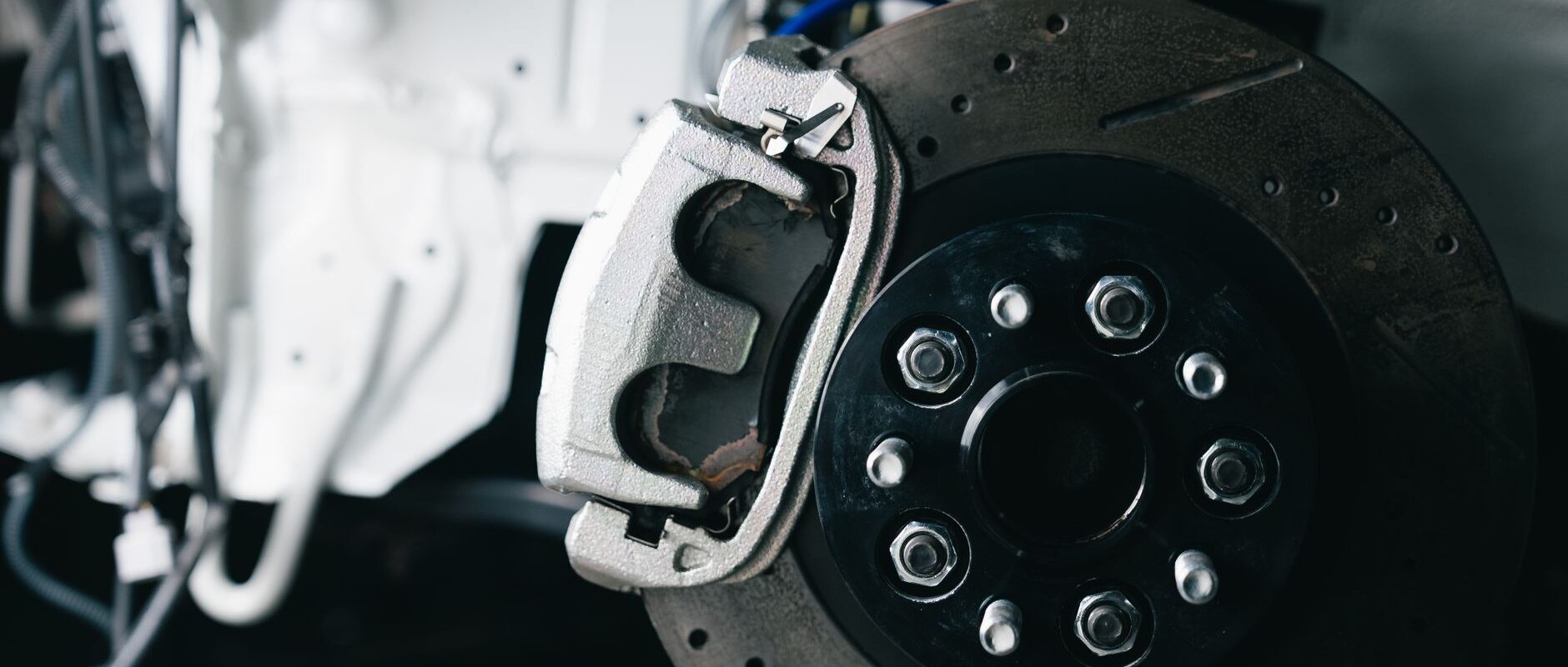
Certain vehicle systems demand extra consideration in the OEM versus aftermarket choice. Brake components directly impact safety, making reliability paramount. Electrical components that malfunction create dangerous situations. Engine internal parts like gaskets and seals affect reliability and longevity significantly, influencing your vehicle’s overall condition.
For these critical systems, choosing GSF Car Parts ensures you access quality aftermarket options engineered to exact specifications while preserving your budget. Other systems like cosmetic trim, non-critical hardware or convenience components tolerate budget aftermarket options without compromising vehicle safety or fundamental function.
Building Your Parts Strategy
Rather than choosing between OEM and aftermarket as absolute categories, develop a nuanced strategy based on component criticality and cost impact. Reserve OEM parts for safety-critical systems on newer vehicles or when warranty preservation matters significantly. Use quality aftermarket parts for older vehicles, non-critical systems and components where the cost difference significantly impacts your maintenance budget and repair frequency.
Work with suppliers who understand quality like GSF Car Parts, who can explain the differences and recommend components matching your specific needs. Your vehicle’s longevity depends less on whether you choose OEM or aftermarket and more on whether you choose quality over false economy.