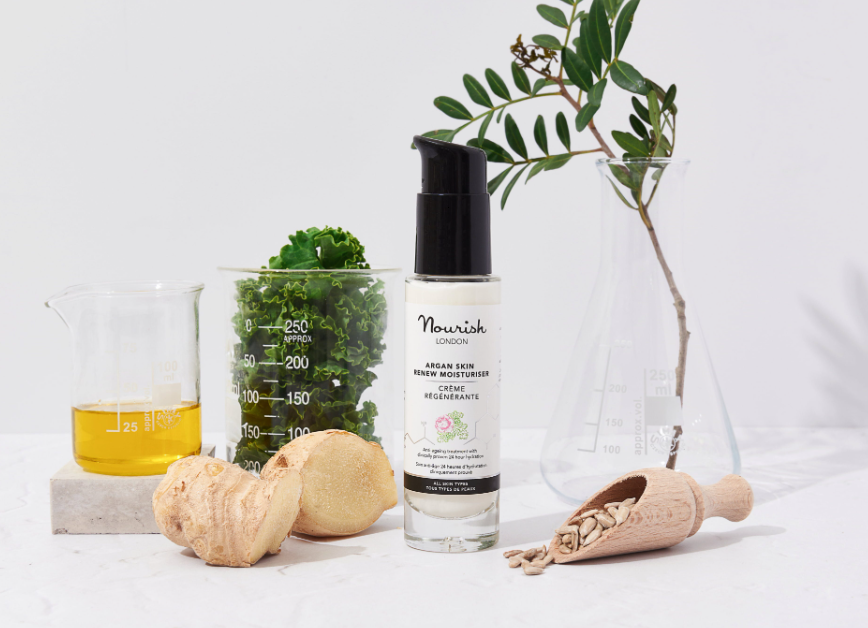
Natural Skincare Ingredients Understanding What Makes Nourish London Products Effective
Explore the science behind natural skincare ingredients and how Nourish London harnesses botanical efficacy, sustainability, and transparency to create effective products for modern skin.
The skincare aisle has transformed dramatically over the past decade. Walk into any pharmacy or beauty store and you’ll notice a shift more brands are celebrating their natural origins, transparency about what goes on skin has become a selling point and consumers increasingly ask about ingredient sourcing and purpose. Nourish London stands at the centre of this movement, combining botanical science with accessible skincare that prioritises both effectiveness and ingredient integrity. Understanding natural skincare ingredients and how they work is essential for anyone seeking to improve their skin care routine.
Natural vs Synthetic Ingredients Breaking Down the Distinction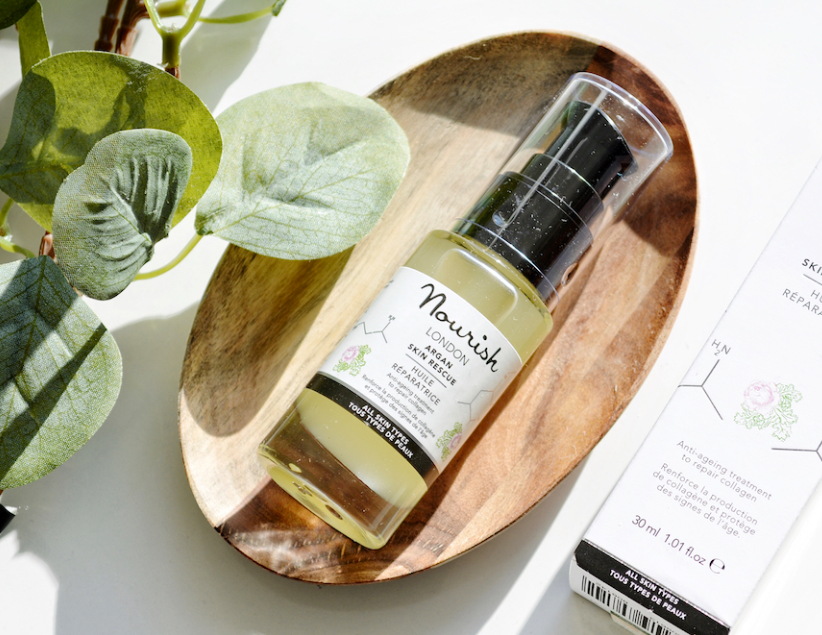
The debate between natural and synthetic ingredients in skincare often oversimplifies a nuanced topic. Neither category is inherently superior, what matters is efficacy, safety and purpose. Natural ingredients come from plants, minerals or other non-synthetic sources, while synthetic ingredients are manufactured in laboratories. Some of the most effective skincare actives exist in both forms vitamin C can be extracted from kakadu plums or synthesised chemically, yet both versions work on skin.
The key difference lies in processing. A natural ingredient might require extensive refinement to become shelf-stable and potent enough for skincare, while a synthetic version might be created specifically to mirror nature’s chemistry without the extraction waste. Nourish London chooses ingredients based on proven results rather than a label. When evaluating natural skincare ingredients, the brand prioritises efficacy over marketing claims. This means natural when it delivers, synthetic when it performs better, always transparent about the choice.
Key Botanical Extracts and Their Role in Skincare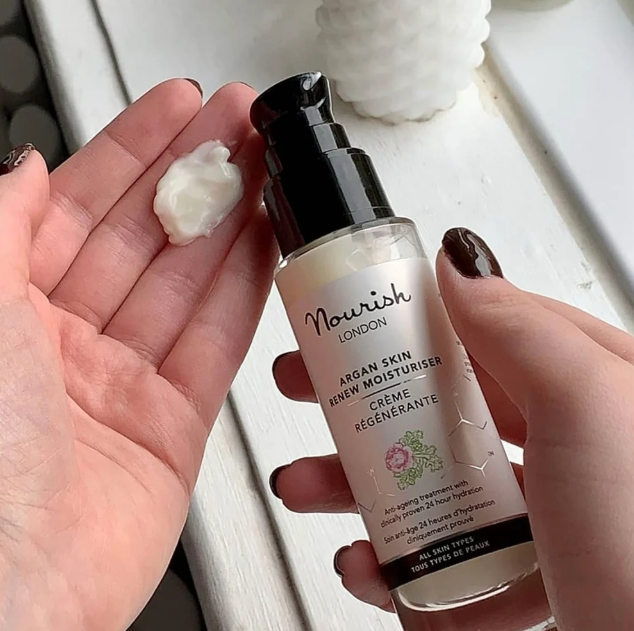
Botanical extracts have been used in skincare for centuries and modern science confirms why. Plants produce compounds to protect themselves from UV damage, oxidative stress and microbial attack, defences that translate remarkably well to human skin. The most effective botanical extracts work because their chemistry genuinely addresses skin concerns, not because of tradition alone.
Green tea extract offers antioxidant and antimicrobial properties backed by dermatological research. Chamomile soothes inflammation and calms reactive skin. Hyaluronic acid, while technically derived from bacterial fermentation, mimics a compound naturally found in skin. Niacinamide (vitamin B3) strengthens the skin barrier and regulates sebum. Nourish London formulations integrate these natural skincare ingredients at concentrations proven effective in clinical settings, ensuring that botanical ingredients earn their place through performance.
The Evidence Behind Natural Ingredient Efficacy
Efficacy means measurable results. A moisturiser that feels luxurious but doesn’t hydrate fails, no matter how natural its ingredients. Conversely, an effective formula with well-chosen botanicals outperforms products that chase trends. Skincare science shows that certain natural ingredients deliver consistently
- Jojoba oil has a composition similar to skin’s sebum, making it an excellent emollient that won’t clog pores.
- Rosehip seed oil contains vitamin A and lycopene, supporting skin renewal and evening tone.
- Aloe vera’s polysaccharides provide hydration and soothe irritation without heavy residue.
- Turmeric contains curcumin, a potent anti-inflammatory that addresses redness and sensitivity.
- Gotu kola strengthens collagen and improves microcirculation, supporting skin elasticity.
Nourish London tests each formulation to verify these benefits translate from lab to skin. This commitment to evidence-based formulation means you’re not paying for marketing but for results you’ll see and feel. The brand’s approach demonstrates how natural skincare ingredients work best when selected and tested scientifically rather than relying on folklore alone.
Sustainability and Ethical Sourcing in Skincare
Choosing natural ingredients also means choosing how those ingredients reach your bathroom. Sustainability in skincare involves multiple layers where plants are grown, how they’re harvested, the carbon footprint of processing, packaging and the impact on farming communities. Natural ingredients sourced responsibly create fewer hidden environmental costs than synthetic alternatives requiring energy-intensive chemical synthesis.
However, natural doesn’t automatically mean sustainable. A palm-based ingredient, even if botanical, can contribute to deforestation unless sourced from certified, regenerative farms. Nourish London prioritises suppliers who demonstrate transparent sourcing practices, fair wages for farmers and land stewardship. This approach costs more upfront but respects both your skin and the ecosystems that supply these botanicals.
Ingredient Transparency What Skincare Labels Should Tell You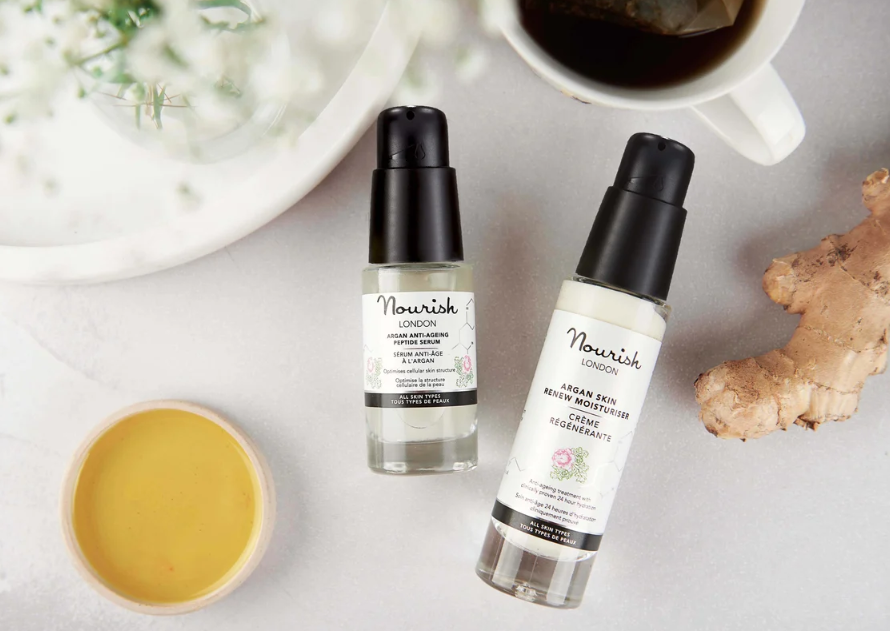
The most important natural ingredient is knowledge. Skincare regulations require ingredient lists in descending order of concentration, but this transparency means little without understanding what you’re reading. INCI names (International Nomenclature of Cosmetic Ingredients) standardise labelling, but they can obscure product origins, for example, “sodium hyaluronate” comes from fermentation, while “hyaluronic acid” sounds more chemical but refers to the same molecule at different pH levels.
Read beyond the marketing. High-quality skincare brands explain why each ingredient is included, at what concentration and what results to expect. Avoid products that list “botanical extracts” without specifying which botanicals, this vagueness suggests either low efficacy or marketing over substance. Nourish London lists every ingredient, explains each one and makes sourcing information available to customers who want to dig deeper. Transparency builds trust because it invites scrutiny.
Common Myths About Natural Skincare Debunked
Natural skincare has attracted myths that oversell or undersell its potential. One of the most persistent “natural means gentler.” Some natural ingredients are extremely potent and can irritate sensitive skin. Tea tree oil, while natural, can cause dermatitis if used undiluted. Lemon juice, often recommended in DIY skincare, is too acidic and can burn skin. Natural doesn’t bypass the body’s chemistry, it just works within it.
Another myth “All-natural formulations never need preservatives.” Without preservatives, water-based products become breeding grounds for bacteria and fungi, which pose genuine skin risks. Preservatives derived from natural sources (like grapefruit seed extract) still serve this essential function. The goal isn’t zero preservatives but appropriate, safe preservation.
Finally, the myth that natural ingredients work faster. Skincare results take time. Your skin renews every 28 days, so meaningful changes in hydration, texture or clarity require at least 4–6 weeks. Products promising overnight transformation are selling placebo or relying on humectants (which draw water to the surface temporarily). Sustainable skincare improvement comes from consistency and choosing formulations backed by evidence, whether those ingredients trace their origins to a plant or a laboratory.
Natural skincare, done well, combines the best of botanical science with rigorous testing and ethical practices. It’s not about choosing natural over effective, it’s about demanding both. Nourish London demonstrates that this standard is achievable.