Managing Frizz Without Making Hair Feel Heavy
Frizz is often a surface management issue rather than a sign that hair needs to be coated with more and more product. Humidity, dryness, friction and heat can all affect how smoothly the outer layer of the hair sits. No.98 Beauty offers hydrating and smoothing formats that make it possible to build a frizz routine around moisture […]
Frizz is often a surface management issue rather than a sign that hair needs to be coated with more and more product. Humidity, dryness, friction and heat can all affect how smoothly the outer layer of the hair sits. No.98 Beauty offers hydrating and smoothing formats that make it possible to build a frizz routine around moisture control, gentle handling and lightweight finishing instead of excessive layering.
Why frizz often starts before styling
A frizz routine begins during washing because the condition of the hair surface affects what happens later. Harsh cleansing can leave lengths feeling rough, while insufficient conditioning can make detangling more difficult and increase friction. Gentle washing and appropriate conditioner create a smoother starting point. That foundation can reduce the amount of styling product needed because the hair is already easier to manage before drying begins.
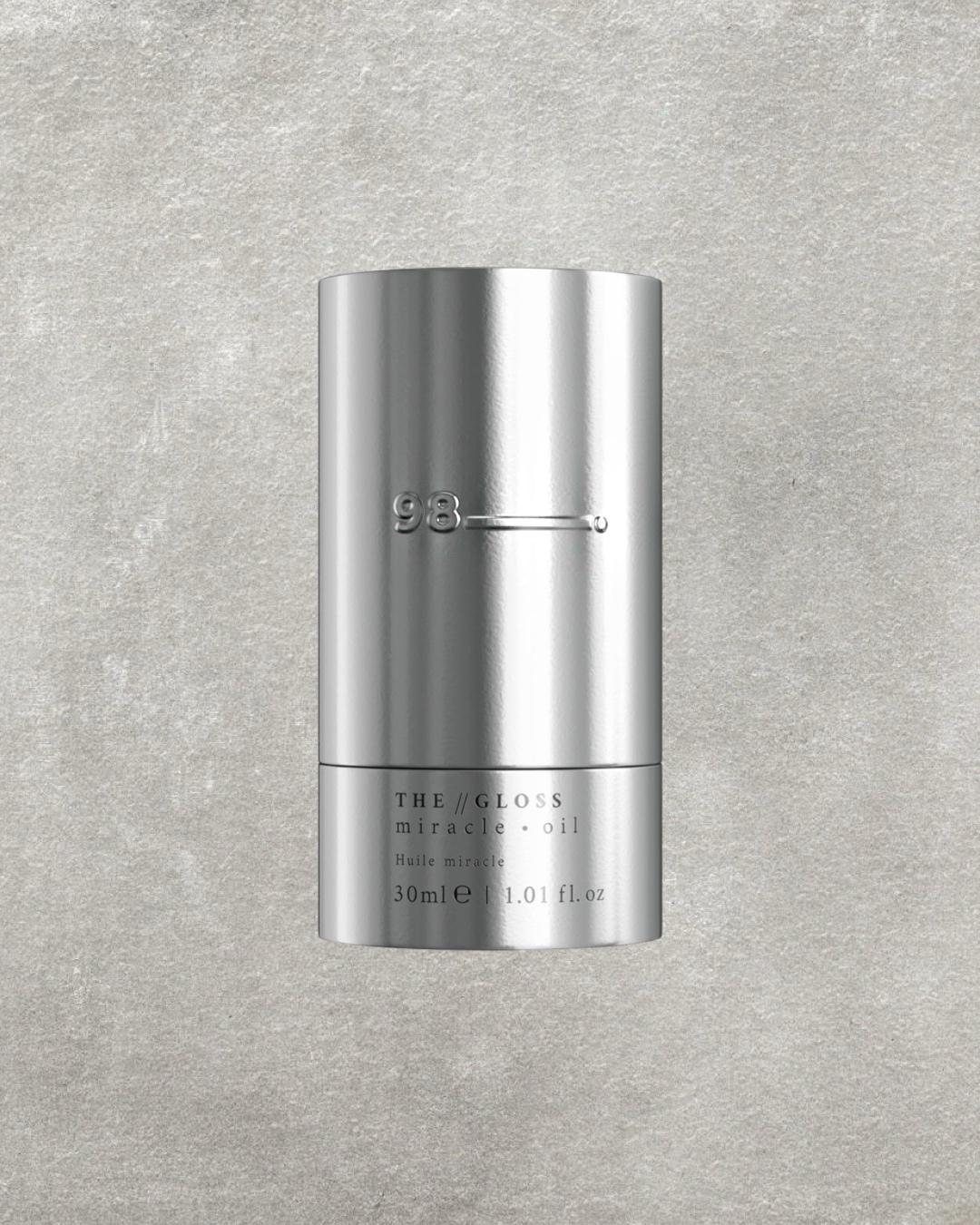
A smoothing product from No.98 Beauty can then be placed after that foundation rather than expected to correct every earlier problem. This sequence keeps the routine logical. Hydration supports softness, careful detangling reduces mechanical stress and a finishing product can help refine the surface. When each step has one purpose, it becomes easier to adjust the routine if hair feels too dry or too coated.
Finding the right balance between control and movement
The most common mistake in frizz management is assuming that heavier application always creates a smoother result. Too much oil, cream or serum can flatten fine hair and make freshly washed lengths look dull. The better approach is to start with a small amount and focus on areas that need control. The ends and outer layers often benefit more than the root area, especially when the scalp naturally produces enough oil.
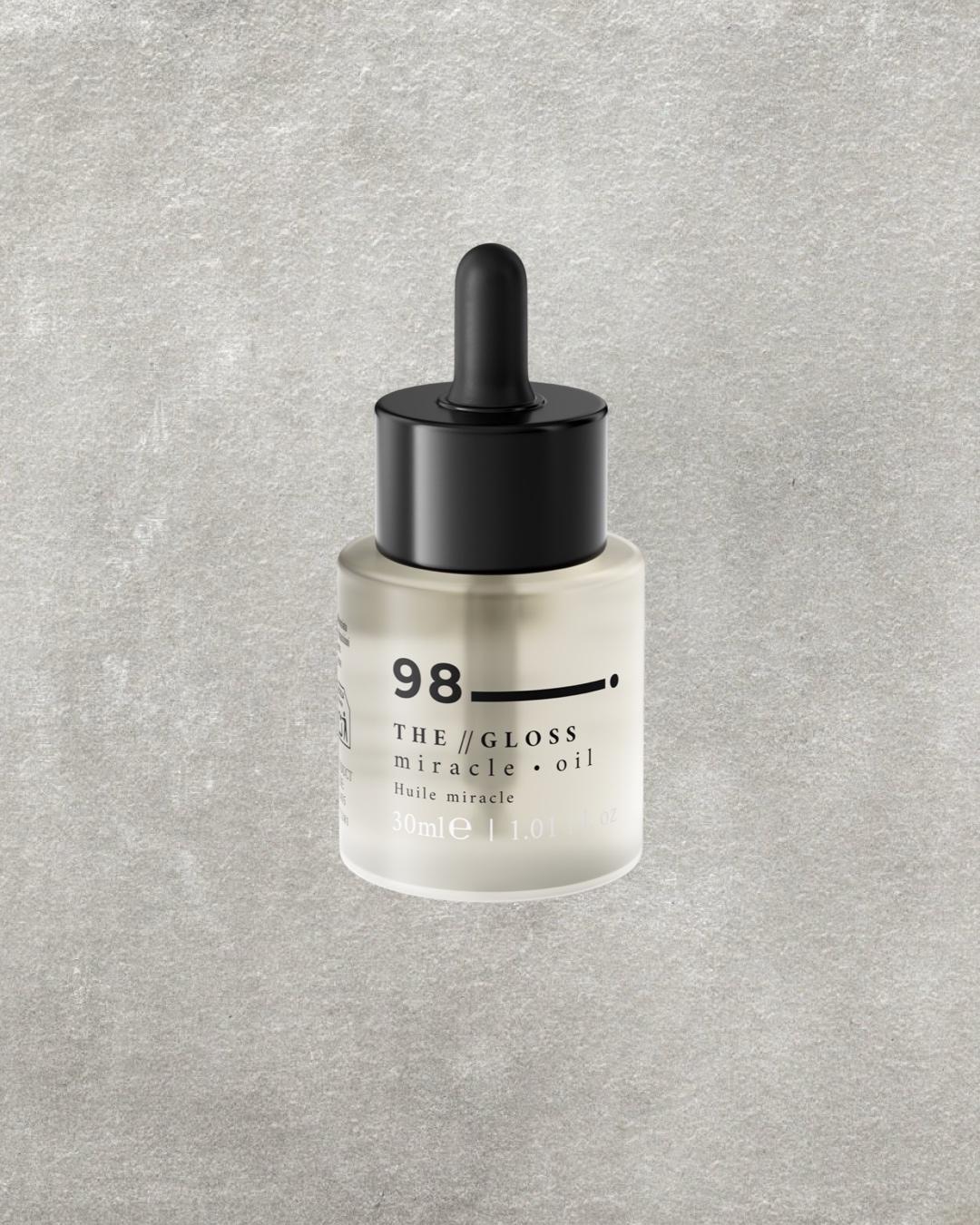
Products from No.98 Beauty can be considered in the same measured way. An anti frizz treatment or finishing oil may be useful when it complements the hair’s density and styling method. A person can assess the result by looking at softness, movement and ease of styling rather than only at how sleek the hair appears immediately after application. A good result should still feel natural and flexible.
Habits that can reduce unnecessary frizz
A routine that includes No.98 Beauty can remain lightweight when product choices are supported by handling habits that reduce friction and moisture loss.
- Hair can be detangled gently with enough slip so unnecessary pulling does not roughen the surface.
- Towels and pillow fabrics that create less friction can help reduce mechanical disruption of the hair.
- Heat tools can be used thoughtfully so repeated high temperature exposure does not add more dryness.
- Finishing products can be concentrated on the lengths and ends instead of automatically covering the root area.
Building a routine that works beyond one styling day
A frizz routine should make hair easier to manage between washes, not create a cycle that requires repeated heavy application. If the hair looks smooth at first but quickly feels greasy or coated, the product amount may be too high. If it remains rough, the routine may need more conditioning rather than more finishing oil. Watching those patterns helps a person refine the balance without constantly changing products.
Hair routines also benefit from attention to technique. Water temperature, detangling method and the way wet hair is handled can influence how rough or smooth the lengths feel before styling begins. None of these details requires a complicated product collection. Gentle handling can support the work of shampoo and conditioner by reducing avoidable friction, which makes the finished result depend less on heavy styling products applied at the end.
Product buildup is another reason a routine may stop performing as expected. When several conditioning or styling products are layered repeatedly, hair can begin to feel coated even if it is still dry underneath. A person can respond by reassessing quantity and frequency rather than immediately adding something stronger. That kind of adjustment keeps the routine responsive and makes it easier to identify which step is helping and which may be creating unnecessary weight.
Scalp needs also deserve separate attention from the lengths. A scalp that becomes oily quickly may need a different cleansing rhythm from dry ends that benefit from extra conditioning. Treating those areas as distinct can make a small product collection more versatile. It also reduces the temptation to solve every concern by applying more product everywhere. A targeted routine usually feels cleaner, lighter and easier to adjust because each product is placed where its function is most useful.
Within that practical framework, No.98 Beauty can support a routine focused on hydration and surface control. The useful goal is not perfectly motionless hair. It is hair that feels softer, detangles more easily and retains enough movement for the chosen style. A measured approach to cleansing, conditioning and finishing usually creates a more wearable result than relying on a single heavy product to suppress every sign of frizz.