How to Care for Hair That Is Regularly Exposed to Heat Styling
Heat styling can make hair easier to shape, but frequent exposure can also leave the lengths feeling dry, rough or more fragile. A practical care routine focuses on reducing unnecessary heat, maintaining conditioning and supporting the hair before and after styling. No.98 Beauty offers hydrating products that fit naturally into this kind of routine because the […]
Heat styling can make hair easier to shape, but frequent exposure can also leave the lengths feeling dry, rough or more fragile. A practical care routine focuses on reducing unnecessary heat, maintaining conditioning and supporting the hair before and after styling. No.98 Beauty offers hydrating products that fit naturally into this kind of routine because the visible product range covers cleansing, deeper conditioning and finishing care.
Why heat changes the way hair feels
Blow dryers, straighteners and curling tools work by changing moisture and shape in the hair, which is why temperature and repetition matter. Excessive heat can make the surface feel rougher and can increase the appearance of split or brittle ends. A person does not need to stop styling completely to improve the routine. Lower heat when possible, fewer repeated passes and careful drying can reduce unnecessary stress while preserving the desired finish.
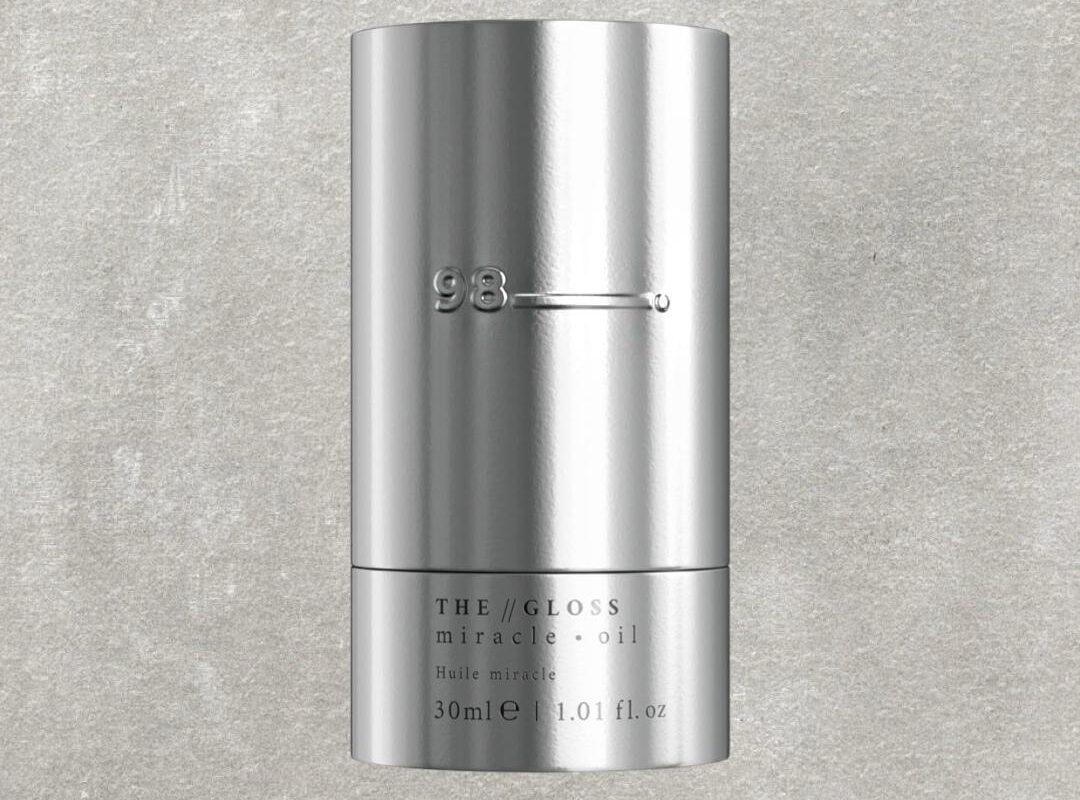
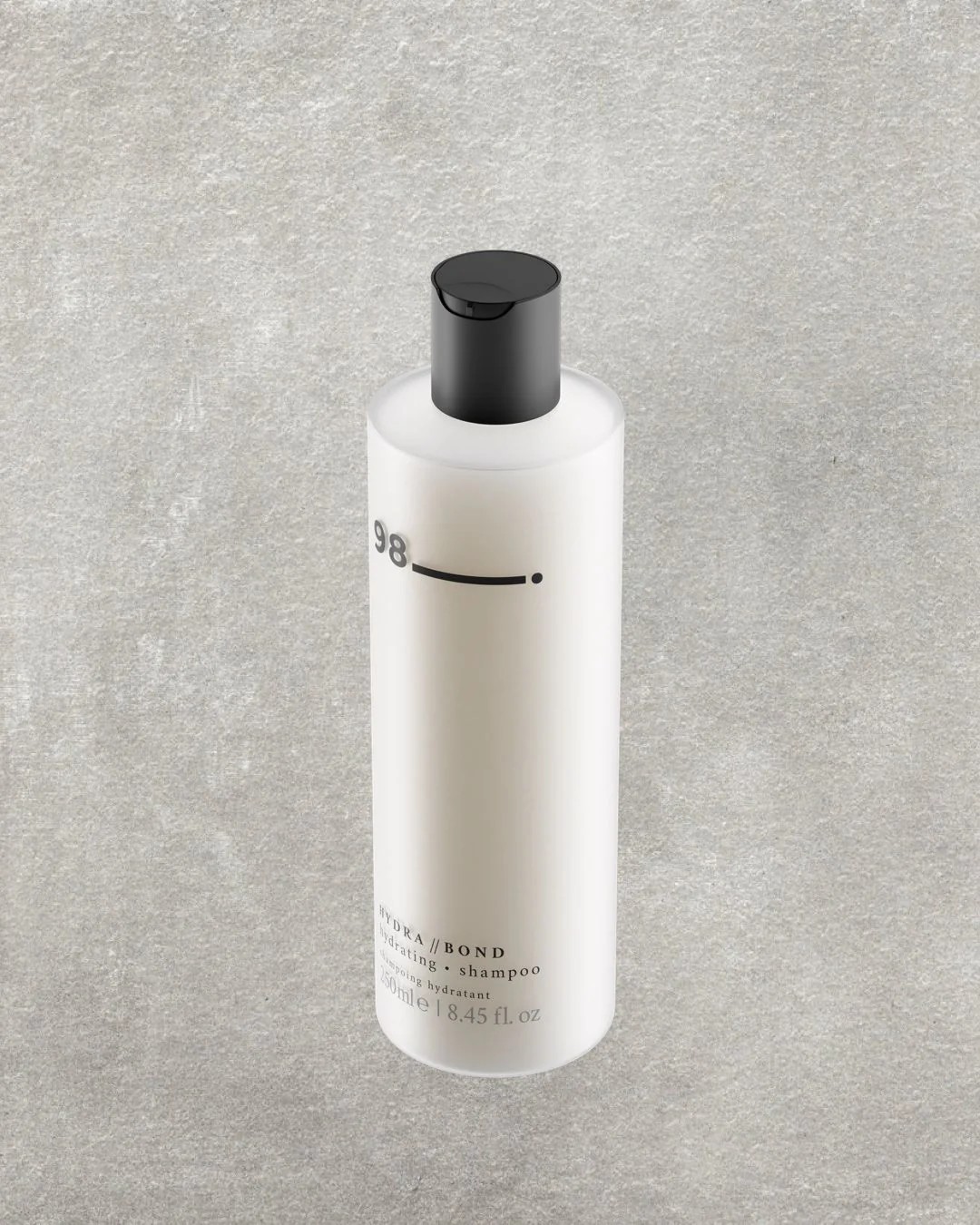
Hydrating care from No.98 Beauty can be positioned around that styling process rather than used as a cure for damage that has already occurred. Shampoo and conditioner create the base, while a masque can provide an occasional deeper conditioning step. A finishing oil can improve the feel of dry lengths. The sequence works best when product use is paired with sensible styling choices instead of being asked to compensate for very high heat.
Supporting softness between styling sessions
Hair that is styled frequently often benefits from attention between heat sessions. Gentle detangling, avoiding unnecessary friction and keeping the ends conditioned can help maintain a smoother feel. The routine can also include days with less manipulation when the style allows it. These habits do not require additional products, yet they can make conditioning steps more effective because the hair is not being repeatedly stressed from several directions at once.
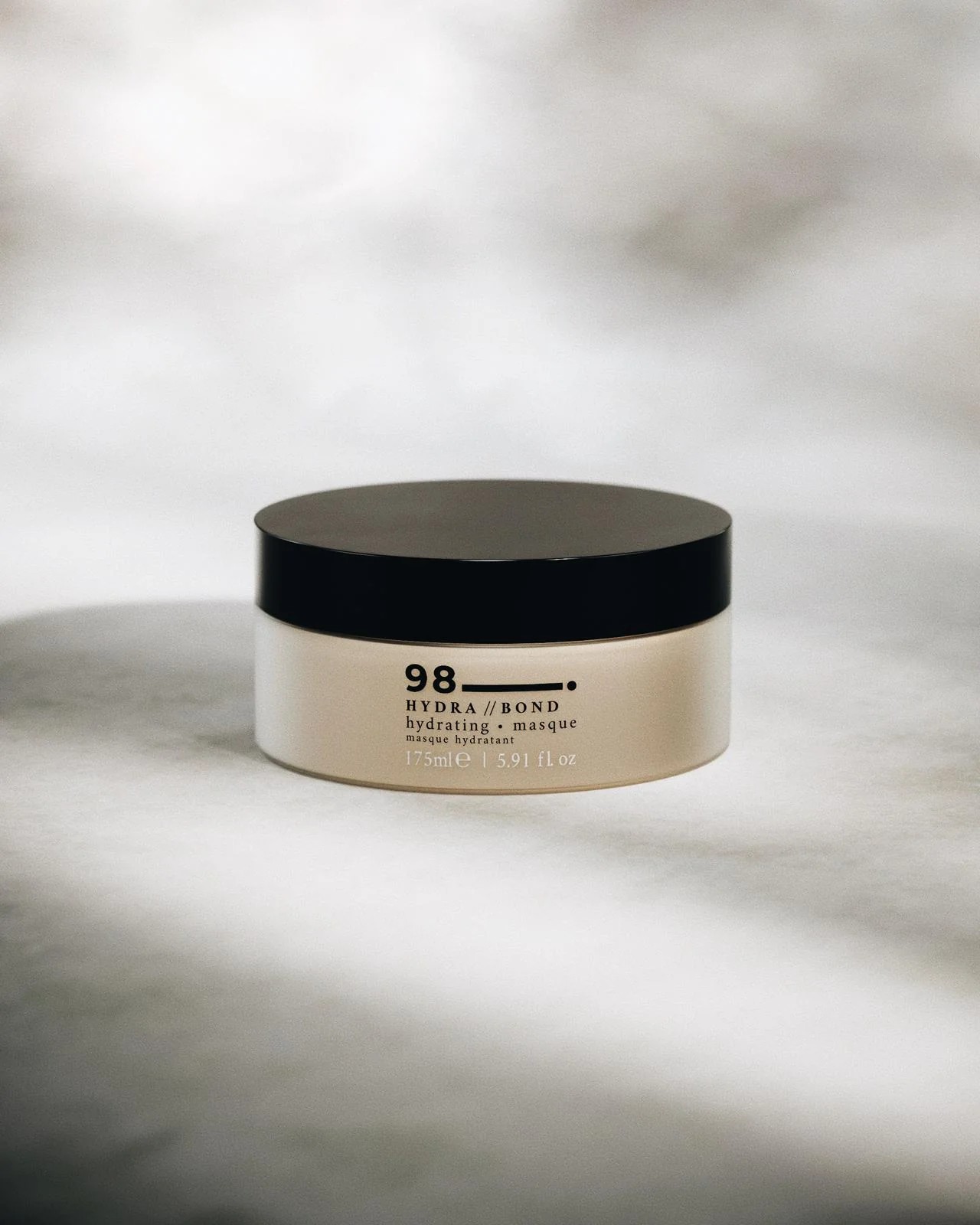
A person using No.98 Beauty can also vary product intensity according to the condition of the hair. A deeper masque may be useful when the lengths feel noticeably rough, while lighter conditioner may be enough at other washes. That flexibility prevents the routine from becoming unnecessarily heavy. The important point is that care responds to the hair’s condition rather than following the same amount of product regardless of need.
Practical habits for a heat aware hair routine
When No.98 Beauty is included in a routine for frequently styled hair, a few supportive habits can reduce avoidable stress and keep conditioning steps focused.
- Heat tools can be kept at the lowest effective temperature for the hair type and desired style.
- Repeated passes over the same section can be minimized when the first pass already creates the intended shape.
- Conditioning products can be focused on the mid lengths and ends where dryness is often most visible.
- A finishing oil can be used sparingly so softness improves without leaving the hair coated or heavy.
Making the routine sustainable
A sustainable hair routine does not depend on repairing the same avoidable stress after every styling session. It reduces the stress first, then uses conditioning products to support manageability and appearance. A person can also schedule trims when damaged ends become difficult to manage because cosmetic products cannot permanently reconnect split fibers. That realistic expectation keeps the routine focused on care rather than impossible repair claims.
Hair routines also benefit from attention to technique. Water temperature, detangling method and the way wet hair is handled can influence how rough or smooth the lengths feel before styling begins. None of these details requires a complicated product collection. Gentle handling can support the work of shampoo and conditioner by reducing avoidable friction, which makes the finished result depend less on heavy styling products applied at the end.
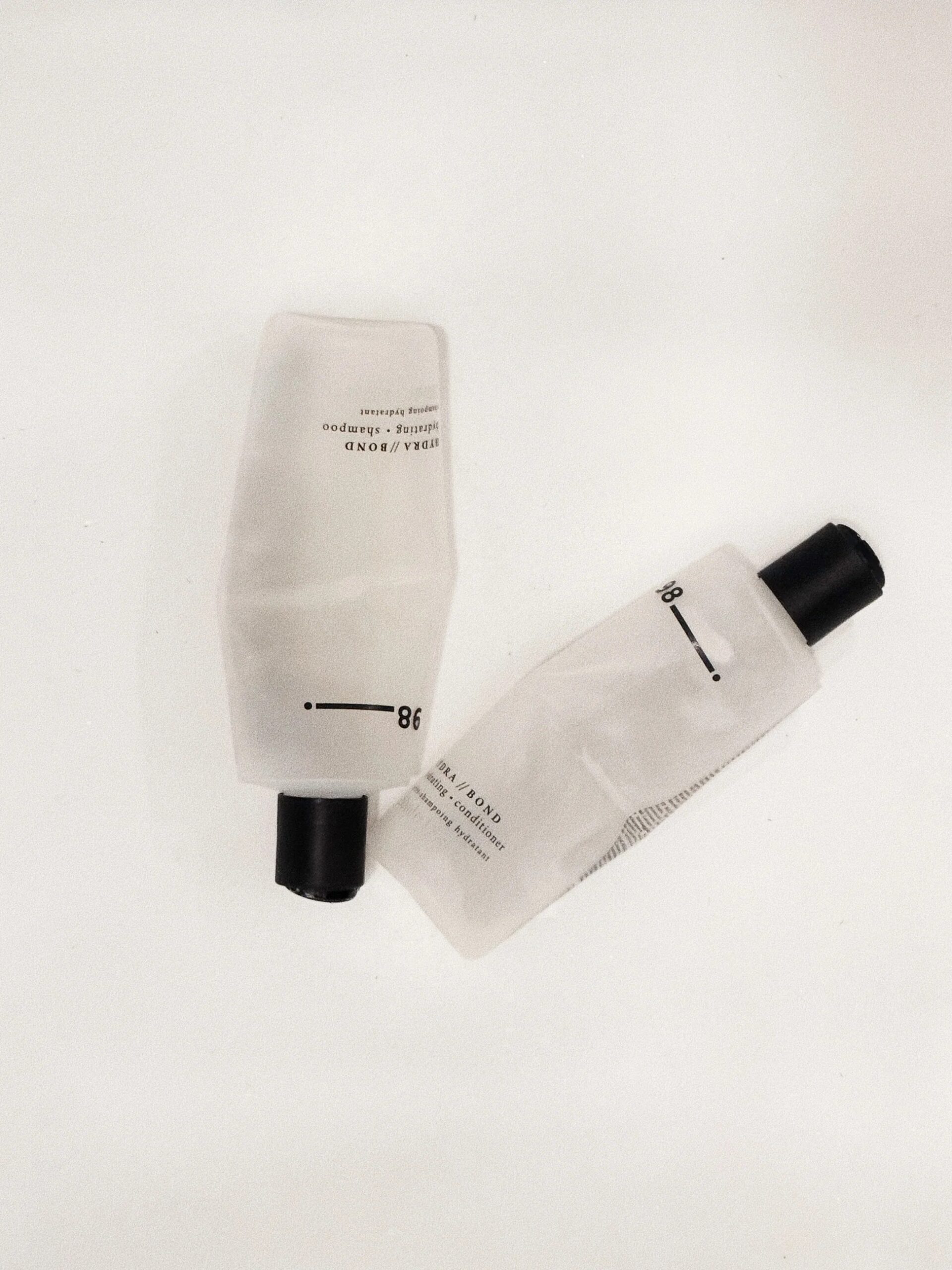
Product buildup is another reason a routine may stop performing as expected. When several conditioning or styling products are layered repeatedly, hair can begin to feel coated even if it is still dry underneath. A person can respond by reassessing quantity and frequency rather than immediately adding something stronger. That kind of adjustment keeps the routine responsive and makes it easier to identify which step is helping and which may be creating unnecessary weight.
Scalp needs also deserve separate attention from the lengths. A scalp that becomes oily quickly may need a different cleansing rhythm from dry ends that benefit from extra conditioning. Treating those areas as distinct can make a small product collection more versatile. It also reduces the temptation to solve every concern by applying more product everywhere. A targeted routine usually feels cleaner, lighter and easier to adjust because each product is placed where its function is most useful.
For heat styled hair, No.98 Beauty can be considered as part of a balanced system that combines hydration with more thoughtful styling behavior. The most useful routine is not the one with the highest number of products. It is the one that helps hair feel softer, easier to detangle and easier to style while reducing repeated exposure that makes dryness worse. That balance keeps haircare practical and consistent.