How Smart Pool Systems Coordinate Cleaning, Scheduling and Everyday Maintenance
A smart pool system is not defined by the number of connected features it offers. Its value comes from coordinating repetitive jobs so the owner spends less time reacting to debris, missed surfaces and forgotten cleaning cycles. Robotic cleaners, skimmers, navigation tools and app controls can work together as part of that routine. The product […]
A smart pool system is not defined by the number of connected features it offers. Its value comes from coordinating repetitive jobs so the owner spends less time reacting to debris, missed surfaces and forgotten cleaning cycles. Robotic cleaners, skimmers, navigation tools and app controls can work together as part of that routine. The product range from WYBOTICS INC provides a practical example of how smart technology can organize pool maintenance around real conditions instead of treating every cleaning job the same way.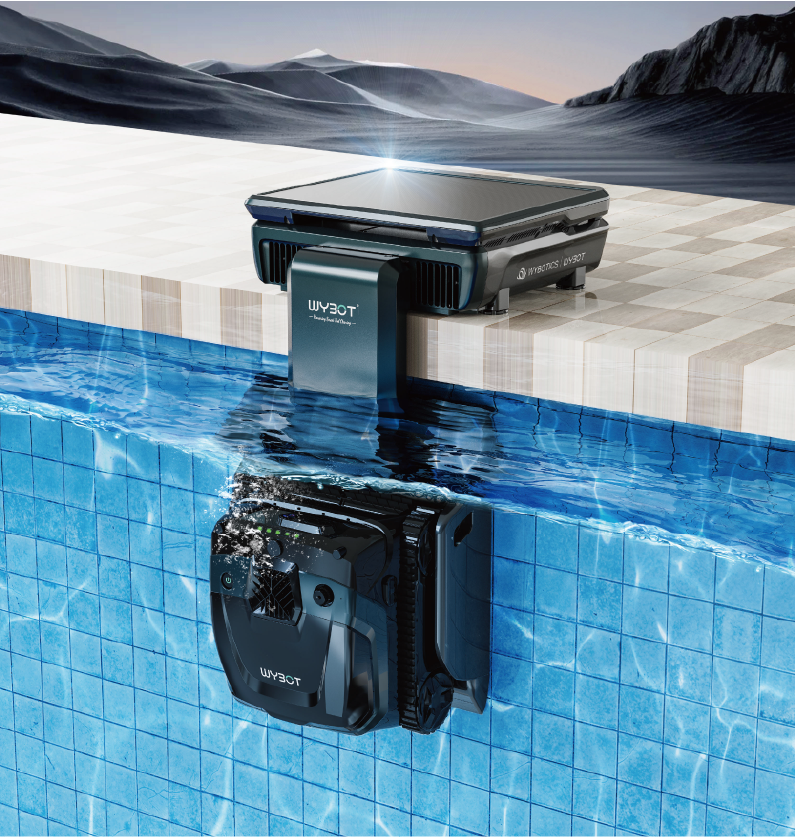
Divide Pool Maintenance Into Separate Jobs
A pool contains several cleaning zones that behave differently. Leaves and insects may remain on the surface before sinking. Fine debris can settle on the floor. Algae or residue may become visible along walls and the waterline. A single machine can cover several areas, but the owner still benefits from understanding where the main workload comes from.
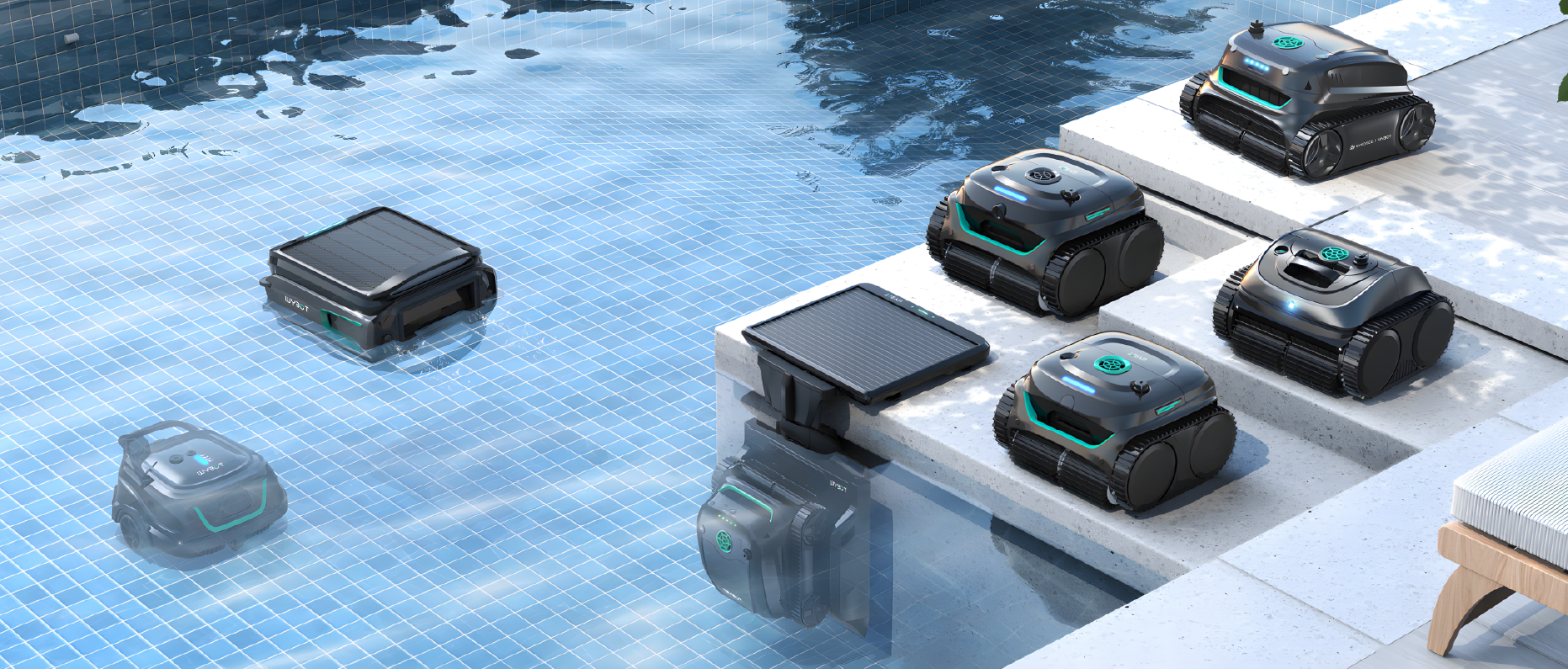
That distinction helps explain why robotic pool products use different designs. A surface skimmer is built for floating material, while a floor cleaner needs suction, filtration and movement suited to submerged debris. More advanced machines may climb walls or trace the waterline. A household reviewing WYBOTICS INC can therefore compare product categories by cleaning zone rather than assuming that one specification describes the entire pool.
Dividing the work also makes the maintenance schedule more efficient. Surface debris after a windy day may need attention immediately, while floor cleaning can follow a regular cycle. Waterline cleaning may matter more during periods of heavy use. Smart maintenance begins when each task is assigned to the right tool and frequency.
Use Navigation to Reduce Repeated and Missed Areas
Movement is one of the most important differences between basic powered cleaning and more intelligent robotic cleaning. A robot that can follow planned paths, recognize boundaries or build a map has a better chance of covering the pool methodically. This does not mean that every cycle will be perfect, but it can reduce random movement and unnecessary repetition.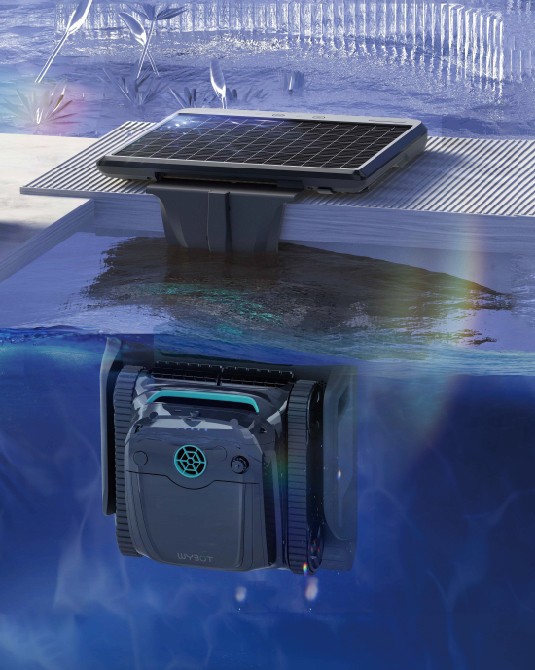
Some higher-feature WYBOTICS INC models use mapping, real-time positioning or visual technology to support more targeted cleaning. Those features are most useful when the pool has a shape or debris pattern that makes coverage difficult. An irregular floor, repeated accumulation near one edge or a large surface area can make route planning more valuable than it would be in a small simple pool.
App controls can add another layer of organization. Owners may be able to choose cleaning modes, create schedules or review the machine through a mobile interface. The technology is most effective when those settings reflect actual maintenance needs. A fixed schedule that ignores weather, pool use and debris levels can become less intelligent than a simple manual decision.
Checks for a Better Smart Cleaning Workflow
A connected system still depends on basic physical care and sensible operating habits.
- The owner should identify whether the main problem is floating debris, floor debris, wall residue or a combination of several zones.
- A WYBOTICSINC product should be used only for the surfaces and pool conditions described for that model.
- Scheduled cleaning should be adjusted after storms, heavy use or periods when the pool remains covered.
- Filters, brushes and moving parts should be cleaned often enough that software features are not undermined by physical blockage.
- App controls should support the routine rather than encourage unnecessary cycles that add wear without solving a real problem.
This type of checklist keeps smart features connected to practical maintenance. Software can improve timing and control, but the machine still relies on clear filters, sound mechanical parts and appropriate operating conditions.
Build a System That Remains Easy to Manage
Smart equipment should simplify ownership over time. If the pool requires several robotic devices, each one should have a clear role. A surface skimmer can focus on material that has not yet sunk. A floor and wall cleaner can handle submerged debris. A higher-end mapped system may be appropriate where the owner wants more structured navigation, docking or remote control. The aim is not to collect more devices. It is to reduce duplicated work.
The wider WYBOTICS INC range includes cordless cleaners, solar skimming options and advanced models with features such as mapping or automated docking. That variety allows a household to think in terms of workflow. One property may need a simple cleaner used several times a week, while another may benefit from a more automated setup because the pool is larger or exposed to constant debris.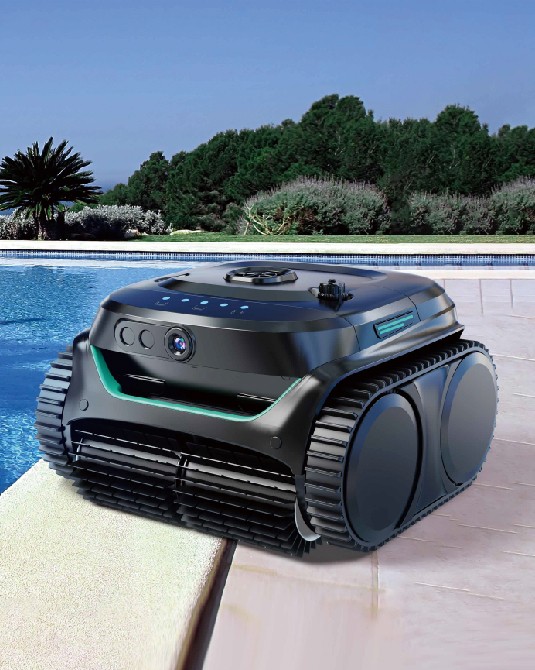
Maintenance records can make the system easier to manage. The owner can note when filters were rinsed, when brushes were inspected and whether certain areas are repeatedly missed. App schedules can then be adjusted from evidence rather than habit. If the robot begins returning with less debris or taking longer to cover the same pool, the record may help identify whether conditions changed or maintenance is overdue.
Smart pool technology works best when physical equipment, software and owner judgement support one another. Navigation can improve coverage, scheduling can reduce forgotten cleaning and different robotic formats can divide the workload. The result is not a pool that maintains itself completely. It is a coordinated maintenance system in which repetitive tasks are handled more consistently and the owner has a clearer view of what still requires attention.