How Packing Cubes Can Bring Order to a Busy Suitcase
A suitcase becomes difficult to manage when clothing, underwear and small accessories are stacked without a clear system. Packing cubes divide the available space into simple categories, helping a traveller find what is needed without disturbing everything else in the case. Understanding the practical problem The main packing problem is not always lack of space. […]
A suitcase becomes difficult to manage when clothing, underwear and small accessories are stacked without a clear system. Packing cubes divide the available space into simple categories, helping a traveller find what is needed without disturbing everything else in the case.
Understanding the practical problem
The main packing problem is not always lack of space. It is often the way space is used. Loose clothing can shift during transit, small items disappear beneath larger pieces and a single search can undo careful folding. When several types of clothing share one compartment, the traveller may also struggle to see what remains clean and what has already been worn.
Cubes create smaller zones inside a larger bag. One can hold tops, another can contain underwear and another can keep accessories together. Compression models add a second zipper that reduces the depth of packed clothing, but they still depend on sensible loading. Overfilling every cube can make the suitcase dense and harder to close rather than genuinely more organised. The decision becomes easier when the product is considered as part of a routine rather than as an isolated purchase. In that context, Bagsmart becomes relevant because it offers a product built around the same practical need rather than adding an unrelated step.
Organisation products are most effective when they reduce decisions rather than add another layer of sorting. A pocket or compartment should have a clear job that matches the way the person already packs. When every section is filled simply because it exists, the bag can become harder to use. Leaving some space unused often makes frequently needed items easier to see and retrieve.
What matters when choosing the product
The Blast Packing Cubes set uses multiple sizes, mesh sections and compression zippers to separate different types of travel items. That makes the set useful for a traveller who wants a visible packing structure rather than a single large compartment filled with loose clothing. The useful comparison is therefore based on function, fit and ease of use rather than on appearance alone. Bagsmart can be considered within that comparison when those features match the person’s existing routine.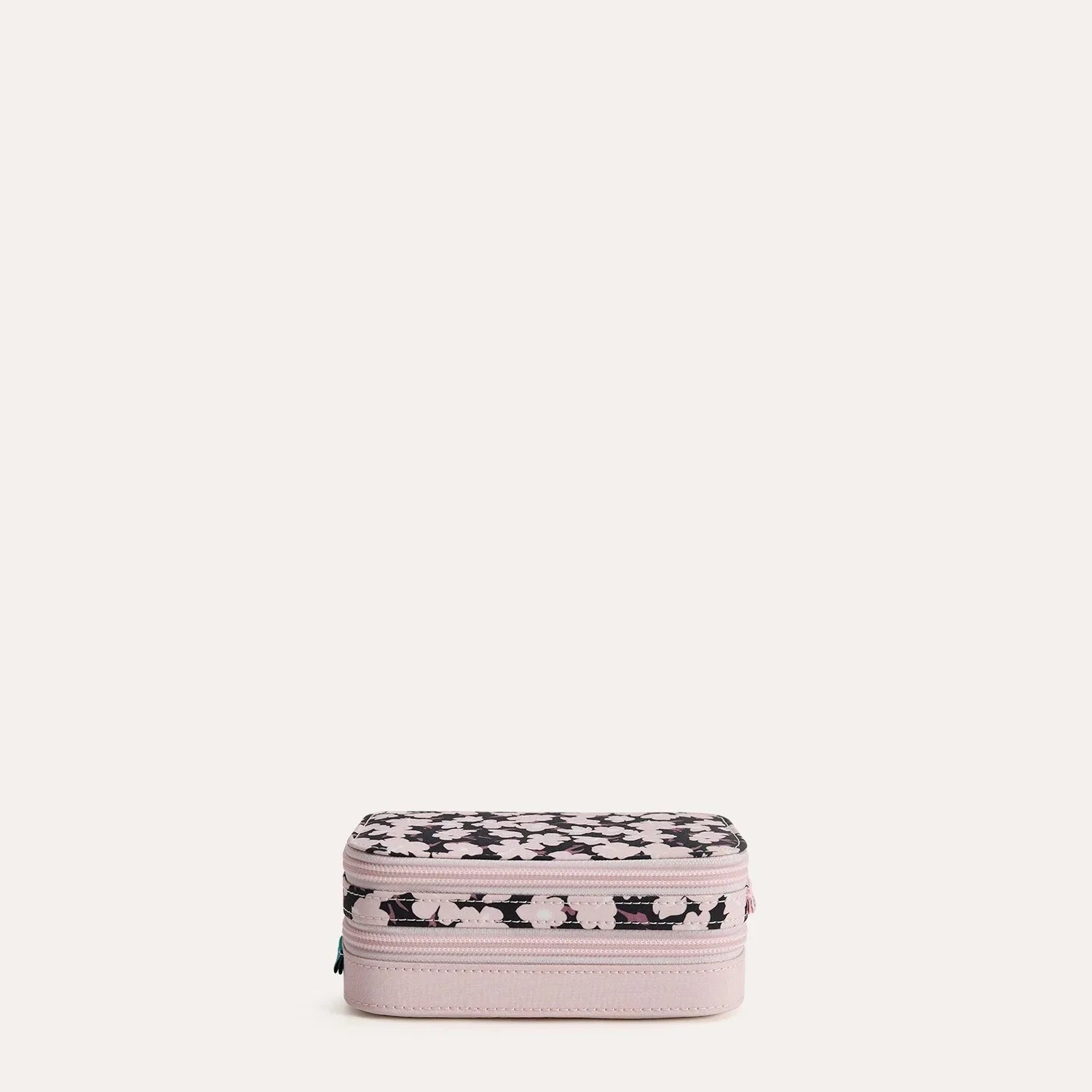
- Cube sizes should match the categories being packed so small items do not disappear inside an unnecessarily large pouch.
- Compression should be used to reduce bulk rather than to force more weight into luggage than the trip requires.
- Mesh or other visible panels can make identification easier without opening every organiser.
- The system should remain simple enough that unpacking and repacking do not become separate chores during the trip.
Weight remains part of the system even when the interior looks neat. Organisers can improve visibility and separation, but they do not reduce the physical weight of what has been packed. The traveller or commuter still benefits from removing duplicates, checking what is genuinely necessary and keeping heavier objects close to the strongest part of the main bag.
Making the product part of a realistic routine
A practical method is to assign each cube a category before packing begins. Clothing can be folded or rolled consistently and the heaviest cube can be placed close to the suitcase wheels for easier handling. Items needed immediately after arrival should remain near the top. This arrangement turns the suitcase into a small set of predictable sections rather than a pile that has to be searched repeatedly. A product from Bagsmart is most useful when it fits that kind of repeatable pattern instead of requiring the rest of the routine to be reorganised around it.
Packing cubes work best when they support a realistic packing list. They cannot make excess weight disappear and they do not create unlimited capacity. The traveller still benefits from choosing versatile clothing and leaving unnecessary items behind. The cubes simply make the final selection easier to separate, compress where appropriate and return to the same place after use.
The best test comes during unpacking. If items can return to their places quickly and the system still makes sense after repeated use, the organisation is practical. If the person regularly ignores certain pockets or moves the same object between sections, the layout can be simplified. A useful organiser adapts to behaviour instead of forcing behaviour to match the product. This is also a practical way to judge whether Bagsmart is solving the intended problem after the novelty of a new purchase has passed.
Keeping the approach simple over time
A good packing system reduces the amount of rearranging required during a trip. Dividing a suitcase into clear categories can make both departure and return packing more controlled. When compression is used sensibly and each cube has a defined purpose, the traveller can spend less time searching through luggage and more easily see what has actually been packed.
The most sustainable routine is usually the one that remains clear, proportionate and easy to repeat. When the product has a defined role and its design matches the way the person already moves, packs, cares for hair or builds a wardrobe, it can continue to earn its place. That is the most useful way to approach Bagsmart as well, with the decision based on practical fit rather than on adding complexity for its own sake.