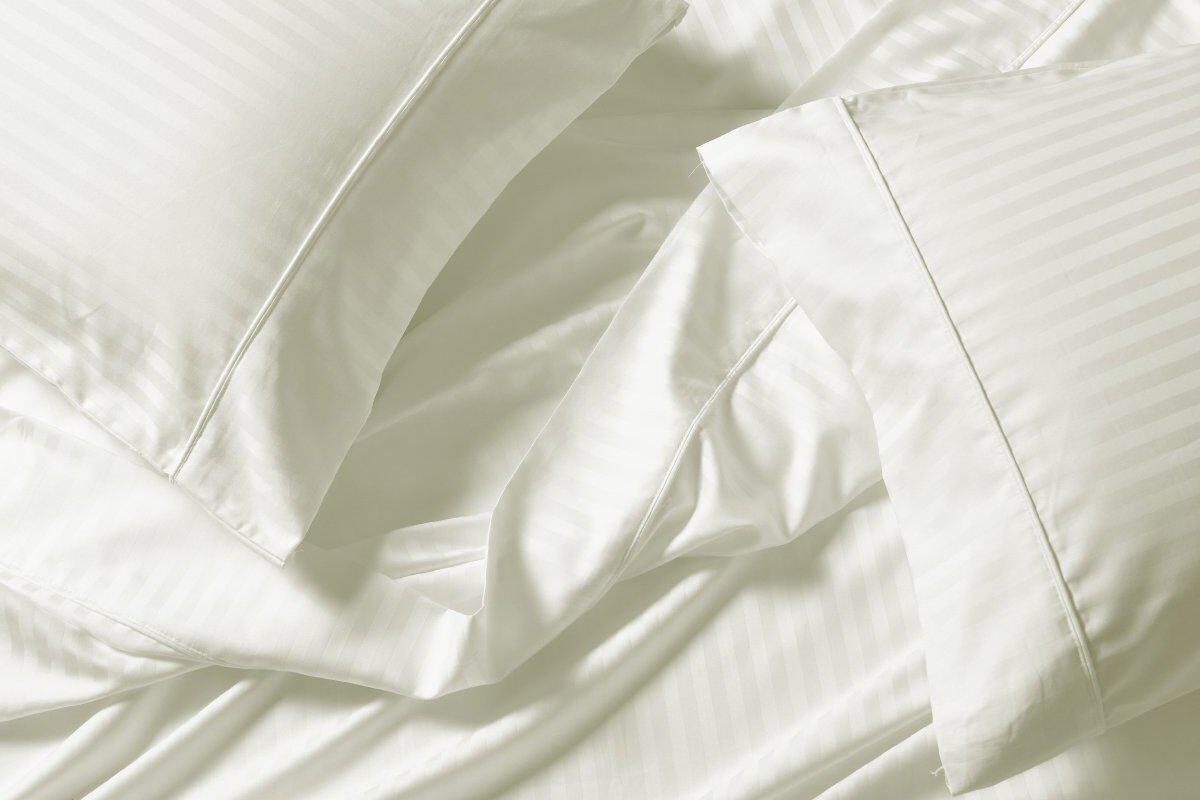
Egyptian Linens Care and Maintenance for Longevity
Premium Egyptian cotton linens represent a significant investment in comfort and bedroom wellness. Protecting that investment through proper care ensures sheets remain soft, durable and beautiful for years of nightly use. Unlike budget bedding that deteriorates quickly regardless of treatment, quality linens reward careful maintenance with improved performance over time. The relationship between fabric and […]
Premium Egyptian cotton linens represent a significant investment in comfort and bedroom wellness. Protecting that investment through proper care ensures sheets remain soft, durable and beautiful for years of nightly use. Unlike budget bedding that deteriorates quickly regardless of treatment, quality linens reward careful maintenance with improved performance over time. The relationship between fabric and care is reciprocal, proper washing and storage techniques enhance longevity while casual handling accelerates wear. Understanding the specific needs of premium Egyptian cotton ensures purchasers enjoy the full lifespan of their bedding investment. Egyptian Linens (US) recommends maintenance practices grounded in textile science, ensuring customers enjoy luxurious linens for years.
Washing Protocols That Preserve Fiber Integrity
How sheets are washed dramatically affects durability, softness and visual appearance over time. Premium linens require gentler treatment than everyday casual washing. Using cold water preserves fabric structure better than hot water, which can stress fibers and encourage fading. Gentle wash cycles provide adequate cleaning without the mechanical stress of heavy-duty agitation. Water temperature matters significantly, cold water washing minimizes fiber stress while remaining effective for cleaning with appropriate detergent. Hot water accelerates wear and fading, noticeably shortening linens’ lifespan. The detergent choice proves equally important as water temperature; harsh chemicals break down fiber structure and strip natural protective coatings. Gentle, fragrance-free detergents clean effectively while treating fibers kindly. Fabric softeners should be avoided entirely, as they coat fibers with buildup that reduces breathability and diminishes the luxurious feel quality cotton should provide. Egyptian Linens (US) recommends cold-water gentle cycles with mild detergent, avoiding softeners that ultimately damage the product you’re trying to preserve.
Drying Methods and Heat Exposure Strategies
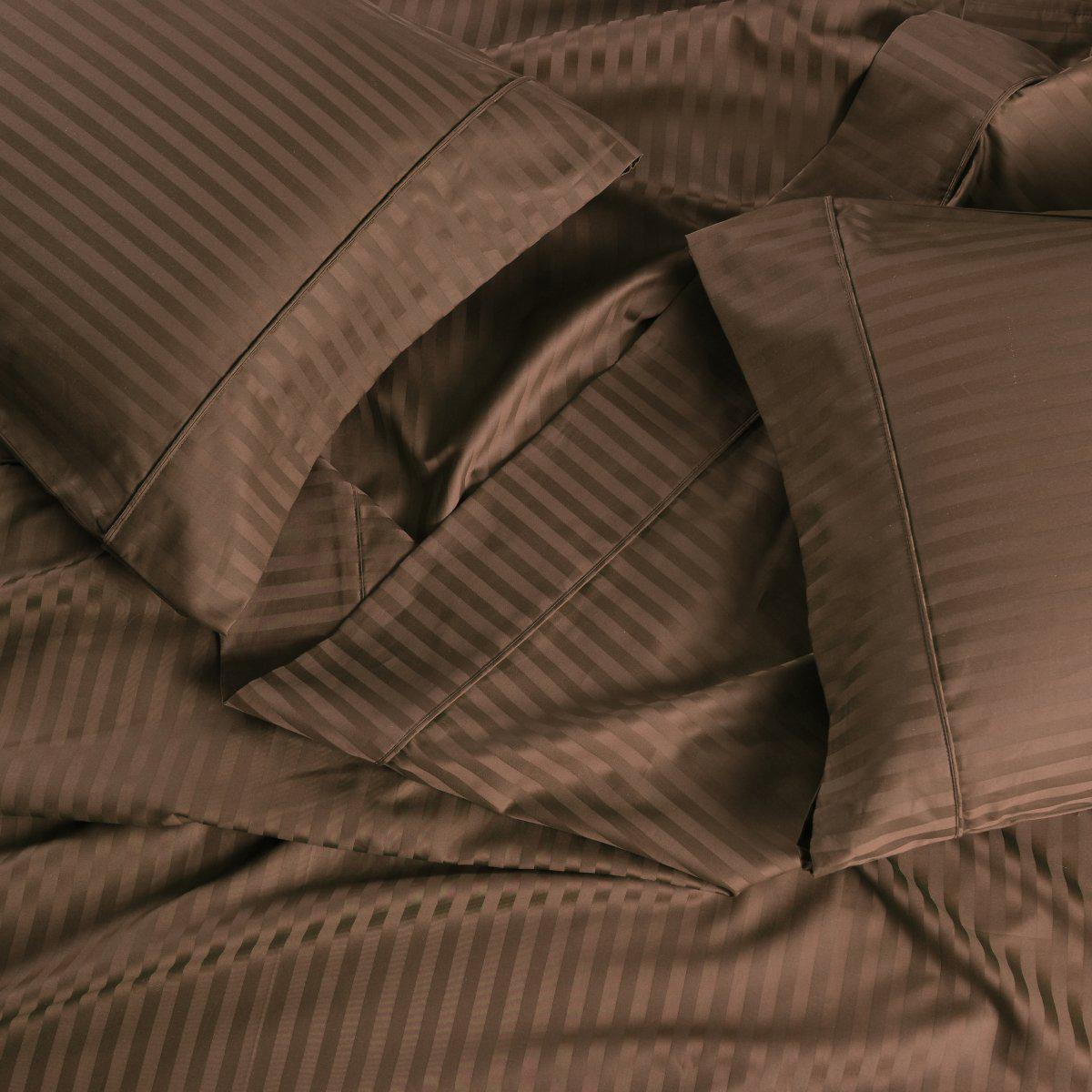
Drying presents another critical decision point affecting sheet longevity and quality. Machine drying with high heat quickly damages premium linens, breaking down fibers and causing permanent shrinkage. The excessive heat weakens fibers, creating brittleness that leads to tearing. Many premium customers find line-drying preferable, allowing air circulation to dry sheets gently while the sun provides natural bleaching and antibacterial benefits. If machine drying is necessary, use the lowest heat setting and remove sheets while still slightly damp. Overdrying in high-heat cycles represents one of the primary causes of premature wear in quality linens. Air drying may require more time but preserves fabric integrity far more effectively than any mechanical dryer setting. For customers without outdoor drying space, placing sheets in the dryer on air-only settings (no heat) accomplishes gentle drying without fiber damage. The small investment in air-drying time multiplies into years of extended sheet lifespan. Egyptian Linens (US) emphasizes gentle drying as the single most impactful care practice for preserving premium linens.
Ironing, Pressing and Wrinkle Management
Wrinkles are inevitable with quality linens, particularly Egyptian cotton, which naturally develops creases during washing and storage. Many customers find wrinkles part of the authentic luxury experience, the natural texture of real cotton contrasts noticeably with synthetic alternatives that resist wrinkling through chemical treatment. However, those preferring crisp-pressed sheets can iron or steam linens using moderate heat. Avoid the highest iron settings, which damage cotton fibers; medium heat with steam accomplishes wrinkle removal without fiber stress. Ironing immediately after washing, while sheets remain slightly damp, requires less heat and effort. Pressing only visible surfaces (top of fitted sheets, pillowcase fronts) conserves time while delivering the visual appearance of crisp bedding. Alternatively, high-quality garment steamers gently remove wrinkles without direct heat contact. The key principle involves avoiding extreme temperatures and excessive mechanical pressure that damage fiber structure. Egyptian Linens (US) considers gentle wrinkle management acceptable, provided heat remains moderate and pressure stays light.
Storage Methods and Long-Term Preservation
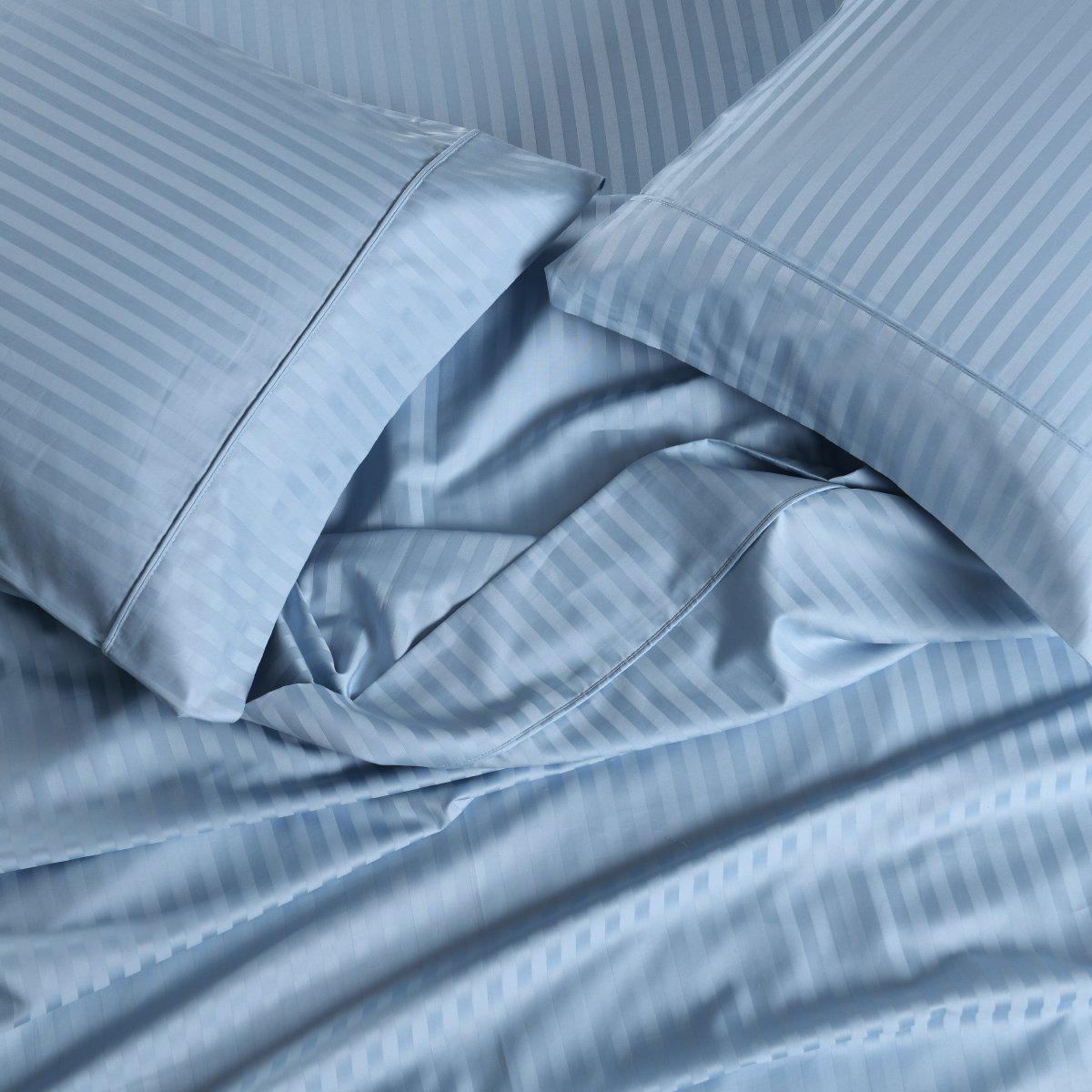
How linens are stored between uses affects their condition when returned to the bed. Moisture and improper folding both cause problems, moisture encourages mildew growth while tight folds create permanent creases. Storing linens in cool, dry locations prevents moisture accumulation that deteriorates fibers over time. Avoid storing sheets in plastic, which traps moisture and promotes mildew growth; breathable fabric storage or open shelving works better. If storing seasonally, ensure sheets are completely dry before storage and check periodically for moisture or pests. Folding techniques matter, rolling sheets loosens creases and requires less space than traditional folding, while also protecting fibers from permanent fold lines. Avoid rubber bands or tight fasteners that stress fabrics during storage. Cedar blocks or cedar-lined drawers provide natural moth deterrent without harsh chemicals. For long-term storage exceeding several months, re-fold periodically and ensure environmental conditions remain dry. Egyptian Linens (US) recommends storing linens in cool, dry, breathable conditions that preserve fiber integrity.
Stain Removal and Spot Cleaning Techniques
Accidents inevitably occur, spilled coffee, food stains or bodily fluid marks require immediate attention to prevent permanent damage. Prompt treatment proves far more effective than addressing stains days later. For fresh stains, blot rather than rub, which spreads the problem deeper into fibers. Cold water rinses remove many substances before they set. For protein-based stains (blood, sweat), cold water works better than hot, which sets these stains permanently. Gentle detergents mixed with cold water often remove stains without harsh chemicals. For stubborn stains, oxygen-based bleach (hydrogen peroxide-based) works effectively and safely on cotton, unlike chlorine bleach which damages fibers and causes yellowing. Always test stain-removal solutions on an inconspicuous area before treating visible sections. Vinegar and baking soda provide gentle natural alternatives for many stain types. Never use harsh chemical cleaners or excessive scrubbing that damages fibers. Egyptian Linens (US) emphasizes prompt, gentle stain treatment as the best approach to protecting linens from permanent damage.
Maximizing Longevity Through Mindful Maintenance
Caring for premium Egyptian cotton linens is straightforward when guided by fundamental principles gentle washing, low-heat drying, moderate pressing, careful storage and prompt stain treatment. These practices combined ensure quality linens provide comfort and luxury for a decade or more, justifying their initial investment through years of reliable performance.
- Wash in cold water using gentle cycles and mild, fragrance-free detergent specifically formulated for delicate fabrics.
- Air dry linens whenever possible; if machine drying is necessary, use heat-free or lowest-heat settings only.
- Iron on medium heat while sheets remain slightly damp or use steam for gentler wrinkle removal without fiber stress.
- Store folded or rolled linens in cool, dry, breathable locations away from moisture and direct sunlight.