DIY Auto Repair Finding the Right Parts and Tools for Home Mechanics
Home mechanics can handle many repairs successfully with quality parts and proper research. Learn which projects suit beginners and how to source reliable components.
The barrier between DIY auto repair and professional shop visits often comes down to confidence and access to quality parts. Many car owners possess the mechanical aptitude to handle routine maintenance and common repairs but hesitate because they’re uncertain whether they can source the right components. The truth is, with proper parts and basic tools, countless repairs sit well within reach of an enthusiastic amateur mechanic. The difference between a successful repair and a frustrating failure frequently lies in selecting parts that are genuinely compatible with your specific vehicle and built to withstand the demands you’ll place on them.
Starting your DIY journey doesn’t require an expensive shop setup. Most common maintenance tasks, oil changes, brake pad replacement, air filter installation, battery swaps, need only hand tools and perhaps a jack. As you grow more confident, you’ll tackle larger jobs like water pump replacement or belt changes. Each success builds skills that save you hundreds in labor costs. The foundation of success starts with sourcing parts from suppliers who understand home mechanics’ needs and stock inventory that’s reliably available. GSF Car Parts serves this exact audience, providing home mechanics with access to the same components shops install.
Knowing Your Vehicle Specifications and Compatibility
Every DIY repair begins with identification. Your vehicle’s year, make, model, engine type and transmission all determine which parts will fit and function correctly. Installing a brake rotor designed for a different model or applying the wrong grade of oil creates problems that undo any savings from doing the work yourself. Before ordering parts, verify your exact specifications from your owner’s manual or vehicle identification number (VIN).
Many shops use computerized systems to confirm compatibility instantly. When working from home, you need reliable part suppliers who’ve already validated that their inventory matches specific vehicles. GSF Car Parts structures their catalog so each part lists the vehicles it fits, eliminating guesswork and preventing costly ordering mistakes.
Building a Basic Tool Collection

Professional mechanics own thousands of dollars in specialized tools, but home repairs rarely demand such an investment. A basic socket set, wrenches, screwdrivers, pliers and a quality jack handle most routine maintenance. For more complex work like suspension repair, specialty tools like spring compressors or ball joint separators exist as affordable purchases or rentals.
The tools you do buy should prioritize durability over cost. Cheap tools break mid-repair, potentially damaging vehicle components and leaving you stranded. A quality set bought gradually as you take on new projects costs less than one catastrophic failure caused by tool breakage. Resist the temptation to substitute improper tools, using a wrench when a socket is called for strips bolt heads and ruins both fastener and tool.
Common First Projects for Home Mechanics
Certain repairs make ideal starting points because they’re forgiving if something goes slightly wrong and teach fundamental skills applicable to harder jobs
- Oil and filter changes train you to work safely with a vehicle on jack stands and introduce you to proper fastener torque.
- Air filter and cabin air filter replacement shows how components are accessed and fastened, building confidence working inside engine bays.
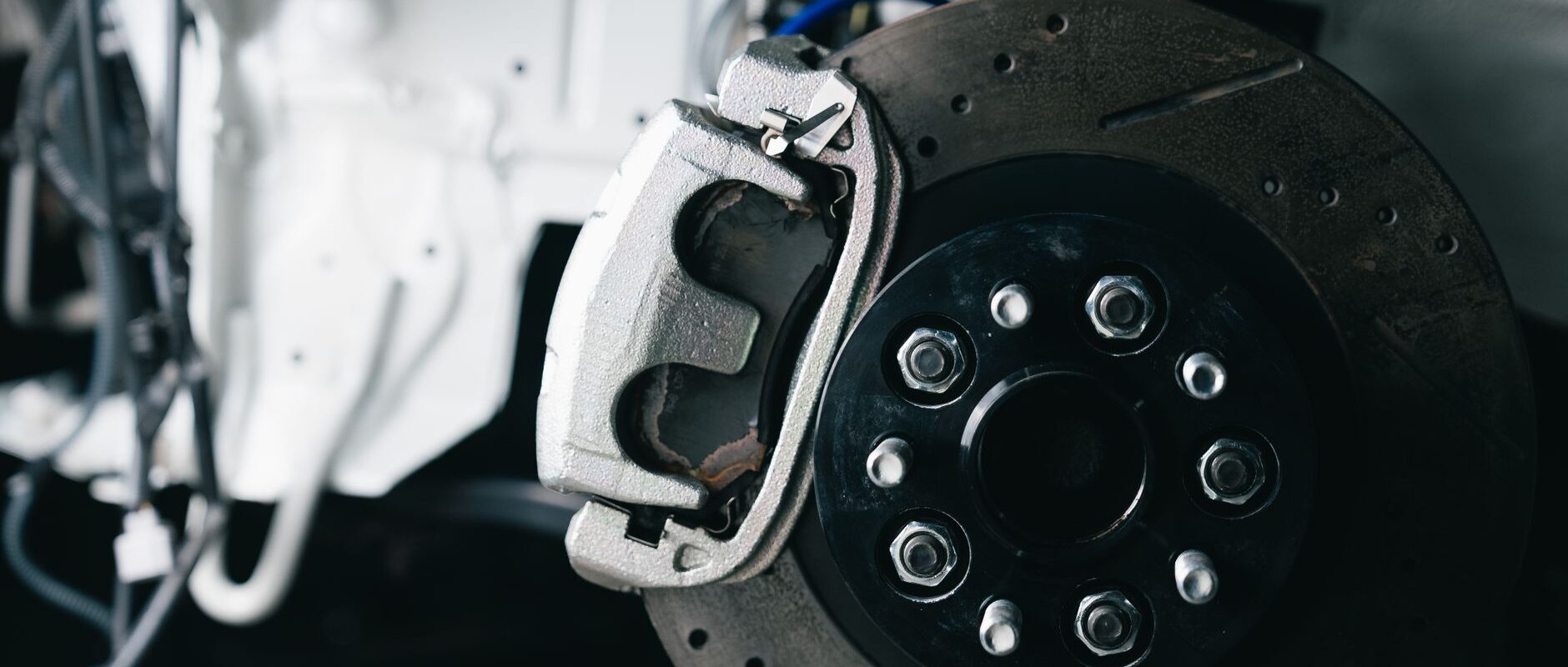
- Brake pad replacement teaches you how to safely disassemble and reassemble safety components while remaining self-contained to one wheel.
- Battery replacement builds comfort disconnecting and reconnecting electrical components under the hood.
- Wiper blade installation and bulb replacement are the simplest introductions to accessing common wear items.
Each of these projects introduces you to your vehicle’s layout and builds the confidence to tackle progressively harder repairs. GSF Car Parts stocks all these common replacement items in specifications matching your vehicle.
Sourcing Reliable Parts Without Guesswork
The moment you commit to a DIY repair, you depend entirely on part quality. A cheap brake rotor might work initially but develop premature scoring or warping, delivering poor braking feel and potentially putting you in an unsafe situation. Suspension components that are slightly out of specification might fit but ride wrong and wear tires prematurely. Electrical components with marginal conductivity might work intermittently rather than reliably. GSF Car Parts
Home mechanics need parts suppliers offering quality comparable to what shops use. Reputable suppliers verify that parts are genuine or equivalent quality, validate fitment against your specific vehicle and stand behind inventory with reasonable warranty terms. This approach costs somewhat more than absolute bargain-bin pricing but saves the frustration and expense of dealing with incompatible or defective parts mid-repair. GSF Car Parts
Learning Resources and Documentation

Modern DIY repair benefits from readily available documentation. Your vehicle’s service manual contains specifications, torque values and step-by-step procedures for virtually every repair. Online forums populated by owners of your vehicle model share real-world experiences with specific repairs. Video resources show actual technicians performing common procedures, demystifying the process before you begin.
Before starting any repair, invest time in research. Read through the procedure completely, identify which tools you’ll need and understand any safety precautions. Many people rush through this phase and discover partway through a repair that they’re missing a critical tool or misunderstand a step. Taking time upfront prevents wasted effort and prevents damage from incorrect procedure execution.
Knowing When to Call a Professional
Not every repair suits DIY approach. Transmission work, engine rebuilds, welding and complex electrical diagnostics often require specialized equipment and expertise beyond home shop capability. Knowing your limits prevents costly mistakes. However, many tasks that seem intimidating, from radiator replacement to alternator swap, are genuinely manageable for home mechanics willing to invest time and care.
The satisfaction of successfully completing a repair you performed yourself extends beyond money saved. You understand your vehicle’s systems more deeply, you can monitor components for wear before catastrophic failure and you build mechanical skills applicable to countless future projects. Starting with quality parts from reliable suppliers removes a major barrier to successful DIY work.