Common Wallet Organization Mistakes That Thread Wallets Designs Solve
👛 Tired of wallet organization mistakes? See how Thread Wallets rethinks what a wallet should actually hold.
Many wallet organization mistakes come from assuming one rigid design has to fit every lifestyle, every card count, and every outfit. A wallet that works for one routine often fails another, and the gap between those two situations is where most frustration starts. Thread Wallets approaches this gap with a modular lineup instead of a single fixed shape, which changes how the common complaints actually get solved.
Why Wallets Need More Than Just Card Slots
A traditional wallet is often judged only by how many card slots it has, as if storage space were the whole story. In practice, people carry cash, coins, keys, lip balm, and small items that never fit neatly into slots built decades ago for cards alone. That mismatch is one of the most overlooked wallet organization mistakes, because it pushes people toward separate pouches or extra bags just to carry the rest.
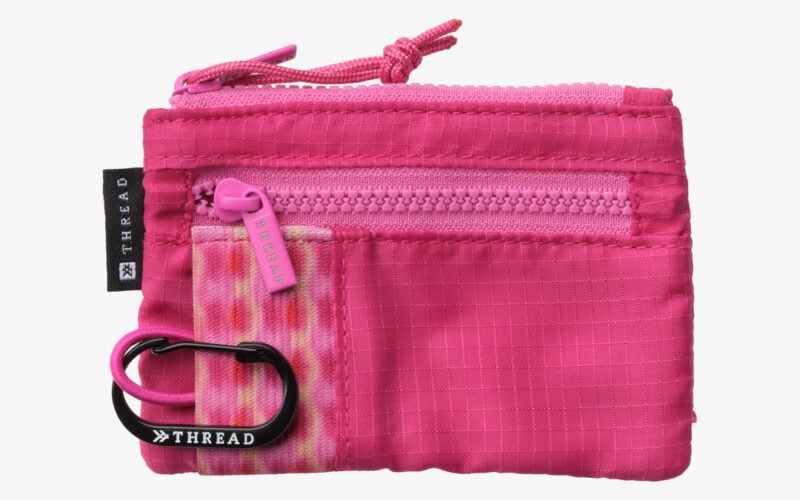
Thread Wallets addresses this by building accessories around actual carry habits rather than a single card-slot count. The Adventure Pouch Wallet, for example, includes zipper pockets and a key compartment specifically because cards were never the only thing people needed to keep track of. Treating a wallet as a small organization system, not just a card holder, is the starting point for fixing the rest of these issues.
The Elastic Wallet Advantage: Beyond Rigid Bifold Limitations
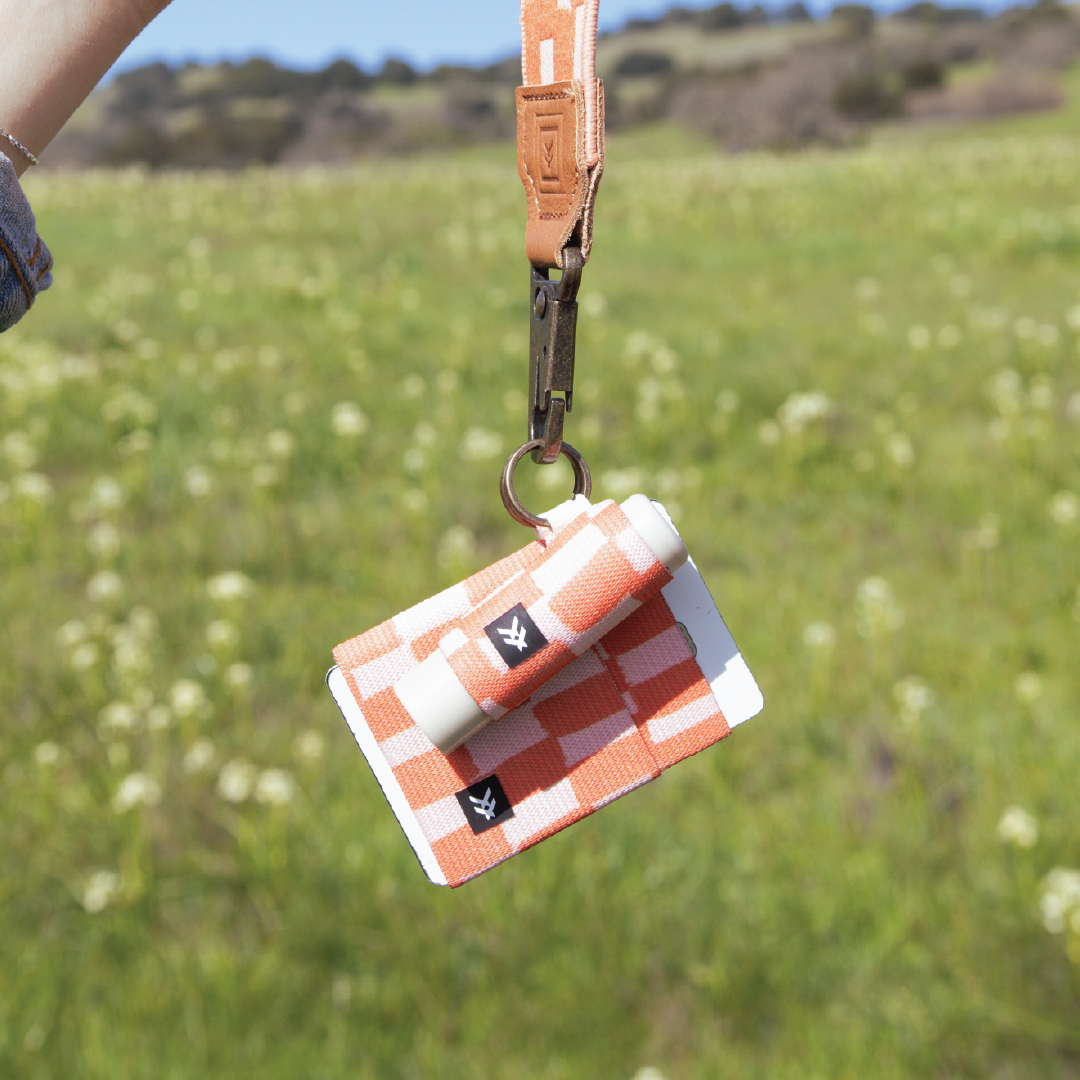
Rigid bifold wallets rely on fixed compartments that stretch out, loosen, or simply cannot adjust as the number of cards changes. This is a structural issue, not a user error, yet it often gets blamed on poor habits rather than poor design. An elastic wallet responds differently because the pockets can expand and contract with whatever is actually being carried that day.
Thread Wallets lists the Elastic Wallet among its best-selling styles, built around elastic pockets instead of stitched card slots. That flexibility addresses a specific complaint, since a wallet can feel bulky one week and half-empty the next without a structure that moves with it. Because the design adapts rather than staying fixed, it avoids one of the more common wallet organization mistakes tied to traditional bifold construction.
Vertical Leather Wallets and the Myth of Slim Equals Useless
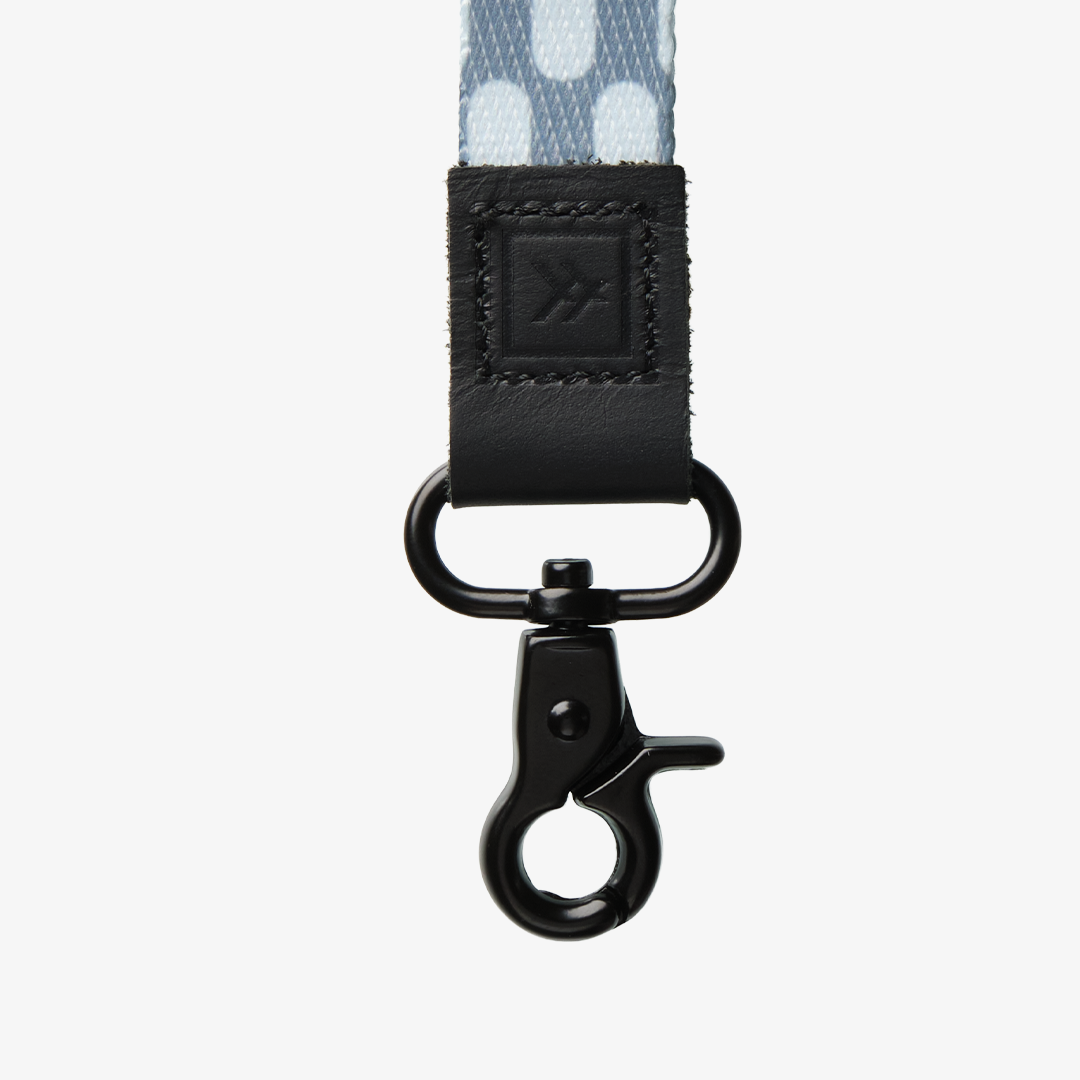
There is a persistent assumption that a slim wallet automatically means fewer features or less practical storage. The Vertical Leather Wallet from Thread Wallets challenges that idea directly, pairing a slim everyday carry profile with signature leather, elastic pockets, and RFID protection in the same design, which is also where the Leather Zip Wallet lands with its own matching RFID feature. Slimness, in this case, describes the silhouette, not a reduction in function.
This matters because many people avoid slim wallets out of a fear that they will have to compromise on organization. In reality, the compromise usually comes from choosing a poorly structured slim wallet, not from slimness itself. A vertical leather design shows that compact proportions and genuine storage needs are not mutually exclusive.
Adventure Pouch Wallets: Rethinking What a Wallet Can Hold
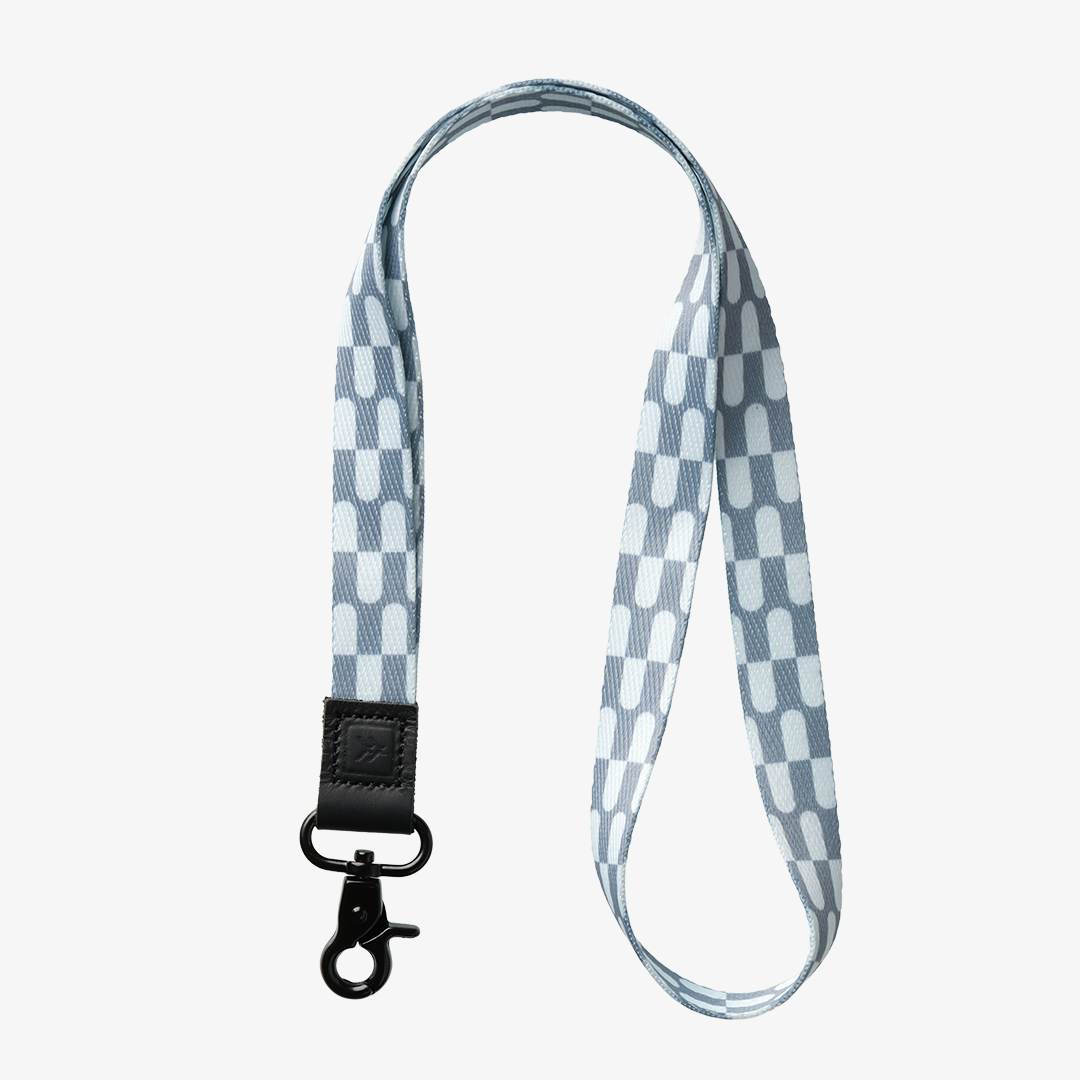
Some items simply do not belong in a standard card slot, and trying to force them in is another frequent source of wallet organization mistakes. Coins, keys, and a clear view of an ID are easy to lose track of when a wallet was never built to hold them. The Adventure Pouch Wallet from Thread Wallets was designed with that exact gap in mind.
It includes two zipper pockets, a clear ID sleeve, and a key compartment within one accessory. Instead of carrying a separate coin purse or a loose keyring alongside a wallet, all of those items have a defined place. That consolidation is less about adding features for their own sake and more about matching the design to what people already carry.
The Everyday Carry Set Misconception: Why Matching Accessories Matter
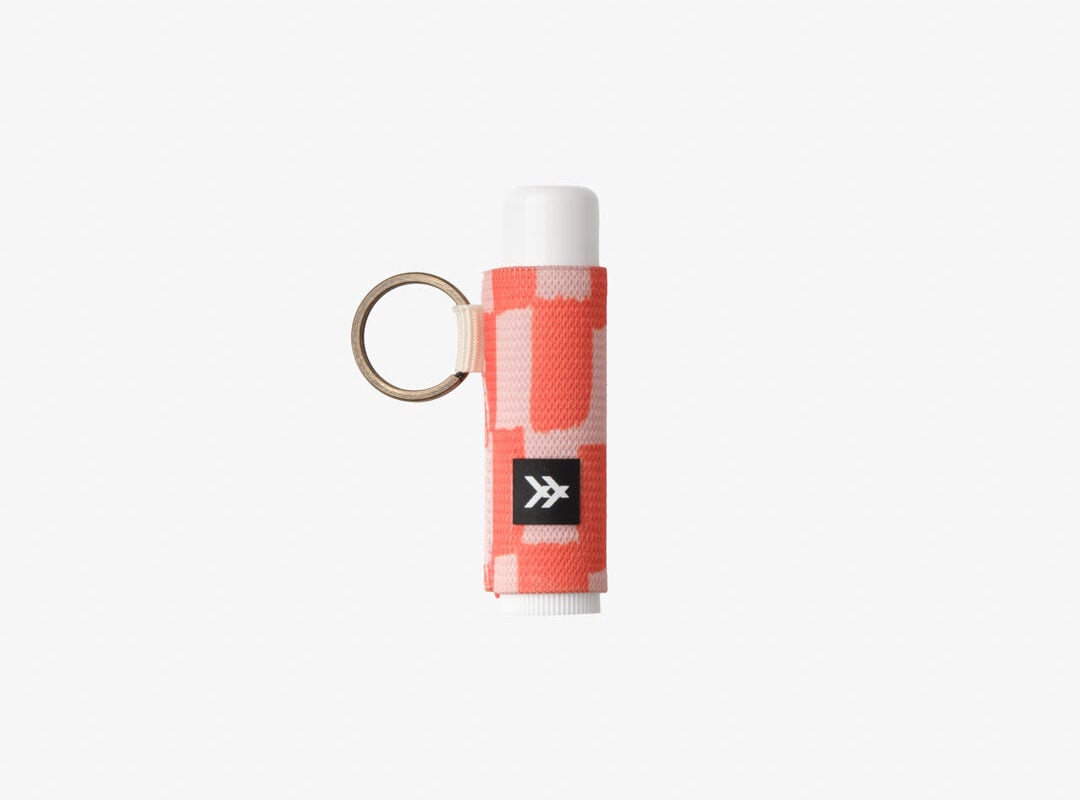
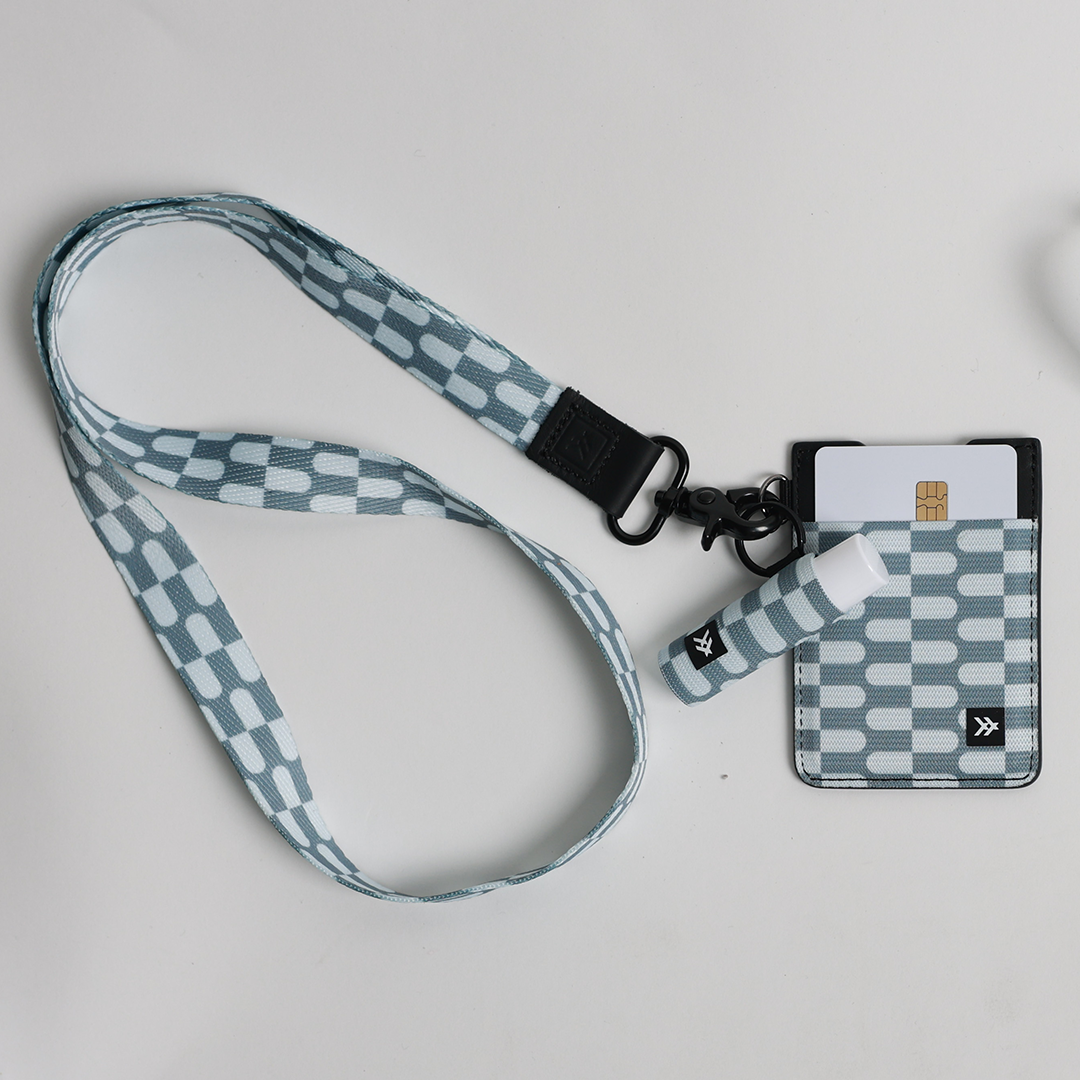
Many people assume accessories like a wallet, a keychain, and a lip balm holder are unrelated purchases that just happen to end up in the same pocket. Thread Wallets instead offers them as Everyday Carry Sets, which bundle a wallet style with a Chapstick Holder Keychain and a Wristlet Keychain. The Chapstick Holder Keychain is made from tightly woven stretch fabric and includes a metal clasp, while the Wristlet Keychain is built to attach the same way, and the Vertical Leather Wallet, Leather Zip Wallet, and Elastic Wallet are each offered in their own version of this bundle.
Because these pieces are designed to clasp together, they stay organized as a set instead of scattering across a bag or counter. Thinking of a wallet as part of a small connected system, rather than an isolated item, addresses an organizational habit many people never question.
RFID Protection and Other Features People Overlook
Security features are often treated as an afterthought when choosing a wallet, even though they directly affect what someone is comfortable carrying. That detail rarely comes up in casual wallet conversations, yet it plays into how people decide what to carry together in the first place.
Other overlooked details include consistent hardware across accessories, such as the metal clasp shared by the Chapstick Holder Keychain and the Keychain Clip. These small compatibility points reduce the need to carry mismatched extras separately. Recognizing these features as part of organization, not just style, helps explain why some of the more common wallet organization mistakes persist unnoticed for years.
- Carrying a separate coin pouch because a primary wallet has no dedicated coin storage.
- Adding a second small bag just to hold keys that do not clip to anything already being carried.
- Keeping lip balm loose in a pocket or bag because no accessory is designed to hold it securely.
- Switching bags entirely just to fit a bulky card wallet alongside daily essentials.
- Buying a slim wallet and then carrying a backup wallet for less frequently used cards.
Addressing these habits does not require carrying more items, only choosing ones built to work together. Fewer unnecessary bags and pouches tend to follow once a single wallet is actually built to hold what someone needs.
Wallet organization, in the end, is less about owning more accessories and more about matching design to habit.