
Common Mistakes When Using Aroma Diffusers What Ugovapor Users Get Wrong
🕯️ Placement, dosage, and scent mix-ups quietly ruin the aromatherapy effect, here's what often goes wrong with aroma diffusers.
Aroma diffusers look straightforward to operate, yet small habits often undo the entire effect. Many of the most common aroma diffuser mistakes have little to do with the device itself and everything to do with placement, dosage, and scent choice. Ugovapor‘s catalogue spans single-scent bottles, a wooden diffuser, and several multi-piece sets, which makes these errors easier to spot once each format is examined on its own terms. Looking closely at how that range is actually listed explains why so many of these aroma diffuser mistakes keep repeating.
Misconceptions About Diffuser Placement and Room Size
A frequent assumption is that any diffuser performs the same regardless of where it sits. In reality, airflow, room shape, and ceiling height all change how scent spreads through a space. Placing a diffuser in a corner or behind furniture traps fragrance instead of letting it circulate.
Open shelving or a central table tends to work better than an enclosed cabinet. Larger rooms often need the scent source kept away from doorways, since draughts pull fragrance out before it settles. This single adjustment resolves a surprising share of diffuser errors before any product is even changed.
Overloading Wooden Diffusers: Why Less Fragrance Works Better
Ugovapor lists a Wooden Diffuser among its featured items, sold as its own standalone piece. Soaking it with excess fragrance oil does not make the aroma stronger for longer. Instead, oversaturation often leaves parts of the wood heavier with scent than others, so the release feels uneven rather than steady.
Restraint matters more than volume with this format. A lighter, measured application tends to spread more evenly across the surface over time. This is one of the clearest examples of aroma diffuser mistakes rooted in the idea that more product always means a better result.
Island Whale, Amber Glow, and Meadow Breeze: Matching Scents to Spaces Incorrectly
Not every fragrance suits every setting, yet many buyers treat scent selection as an afterthought. Island Whale, Amber Glow, and Meadow Breeze each appear as separate, named items in the Ugovapor listing, rather than as interchangeable variants of one scent. Swapping bottles between rooms without a second thought, as if the names were purely decorative, is one of the more common mistakes in aroma diffuser use.
Because each of these three is listed individually, buyers are left to judge for themselves which fragrance suits which room. That judgement is often skipped entirely, with whichever bottle happens to be nearest simply pressed into service. Treating fragrance as fully interchangeable tends to repeat the same error across several rooms at once.
The Myth That All Fragrance Collections Work the Same Way
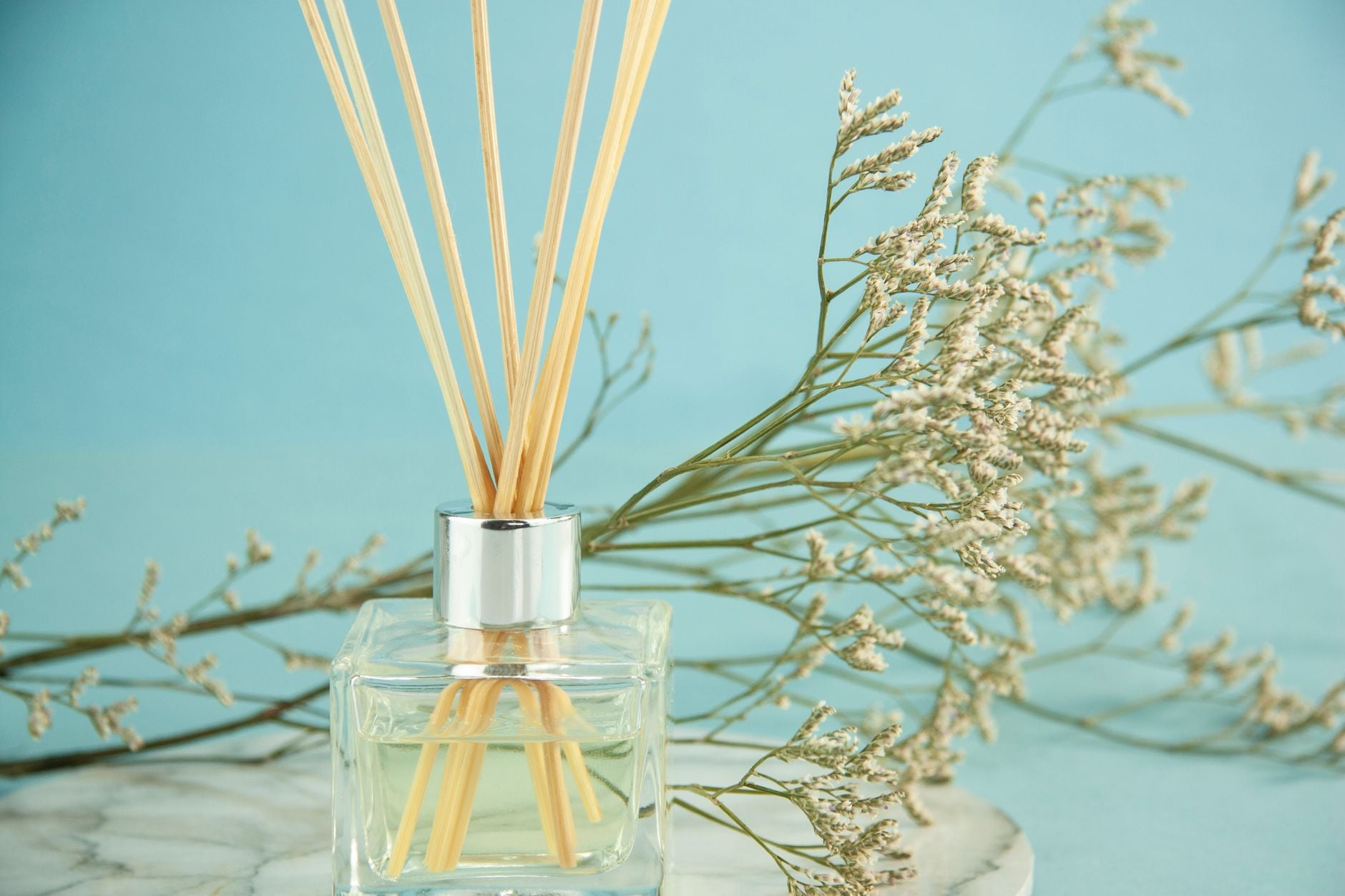
There is a common belief that any multi-piece listing from a diffuser brand behaves identically to a single bottle. Ember Nest, Blooming Tuberose, and Midnight Nocturne appear separately in the Ugovapor range, and they are not packaged the same way. Blooming Tuberose is listed as a 3-piece set, while Midnight Nocturne is listed as a 5-piece set, so treating these groupings as one uniform category overlooks how differently each is portioned.
How Ugovapor’s Multi-Piece Sets Are Actually Meant to Be Used
Multi-piece listings appear in more than one size across the catalogue. Amber Glow and Island Whale are both listed as 10-piece sets, in addition to appearing as standalone single items elsewhere in the range. That distinction is worth noting before assuming every pack on the page holds the same number of pieces.
Confusing a 10-piece listing with a single item is an easy slip when scanning a page quickly. Checking the stated count on each listing, rather than assuming, avoids one of the quieter aroma diffuser mistakes buyers make when comparing options from Ugovapor.
Cleaning and Maintenance Mistakes That Ruin Diffuser Performance

Residue build-up is one of the most overlooked contributors to poor diffuser performance. Old fragrance oil left inside a reservoir can mix with new scent, muddying the intended aroma. Over time, this blending effect makes even well-chosen products smell inconsistent, whatever brand sits behind them.
Dust and surface grime on a wooden or ceramic diffuser can also slow down how evenly scent is released. Regular, light cleaning between fragrance changes helps prevent cross-contamination of different scent families. The following points summarise frequent setup and usage errors worth checking.
- Placing a diffuser inside an enclosed cabinet restricts airflow and traps fragrance unevenly.
- Oversaturating a wooden diffuser with liquid fragrance leads to an inconsistent scent release.
- Swapping named fragrances such as Island Whale, Amber Glow, or Meadow Breeze between rooms without thought ignores that each is listed as a distinct item.
- Assuming a 3-piece listing and a 10-piece listing hold the same number of pieces ignores what each page states.
- Leaving old fragrance oil inside a diffuser reservoir before adding a new scent causes blending.
- Skipping regular cleaning between fragrance changes leaves residue that affects how the next scent comes through.
Small adjustments in placement, dosage, and cleaning routine make a measurable difference to how any diffuser performs. Checking which pack size or named scent a listing from Ugovapor actually refers to makes those adjustments far easier to get right.