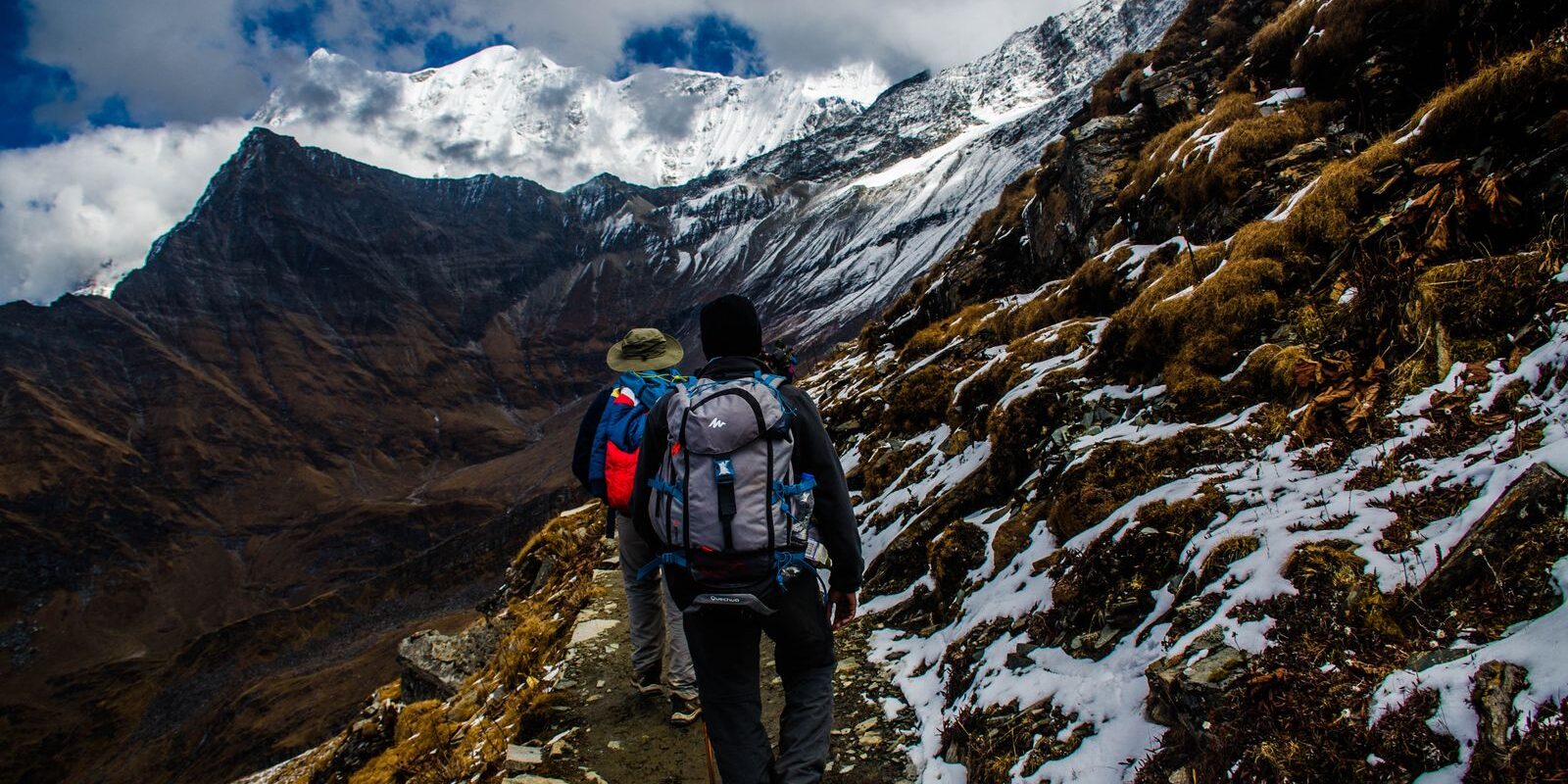
Common Mistakes When Choosing Activewear for Hiking and Outdoor Activities
🥾 Skip the common slip-ups and learn what actually makes activewear work for hiking and the outdoors.
Picking gear for a trail hike is not the same as grabbing a gym tee off a shelf. Many of the most common activewear mistakes outdoor activities bring to light stem from assuming indoor fitness clothing can handle wind, moisture, and temperature swings outside. This article breaks down what actually matters when selecting apparel for hiking and other outdoor pursuits, and where generic assumptions tend to fall apart.
Why Basic Cotton Workout Clothes Fail for Outdoor Activities
Cotton soaks up sweat and holds onto it. On a short gym session that might be a minor annoyance, but on a long hike it becomes a real problem. Damp fabric clinging to skin in cooler air can leave a hiker feeling chilled rather than comfortable. This is one of the most frequent activewear mistakes outdoor activities enthusiasts make without realizing it until they are already miles from the trailhead.
Fitness clothing designed for a climate-controlled studio rarely accounts for changing elevation, wind exposure, or sudden weather shifts. Garments built for one setting do not automatically transfer to another. That mismatch between intended use and actual activity is a recurring theme across outdoor apparel decisions, and it explains why so many closets end up full of clothing that never leaves the gym bag.
Moisture-Wicking and Breathability: What These Terms Actually Mean
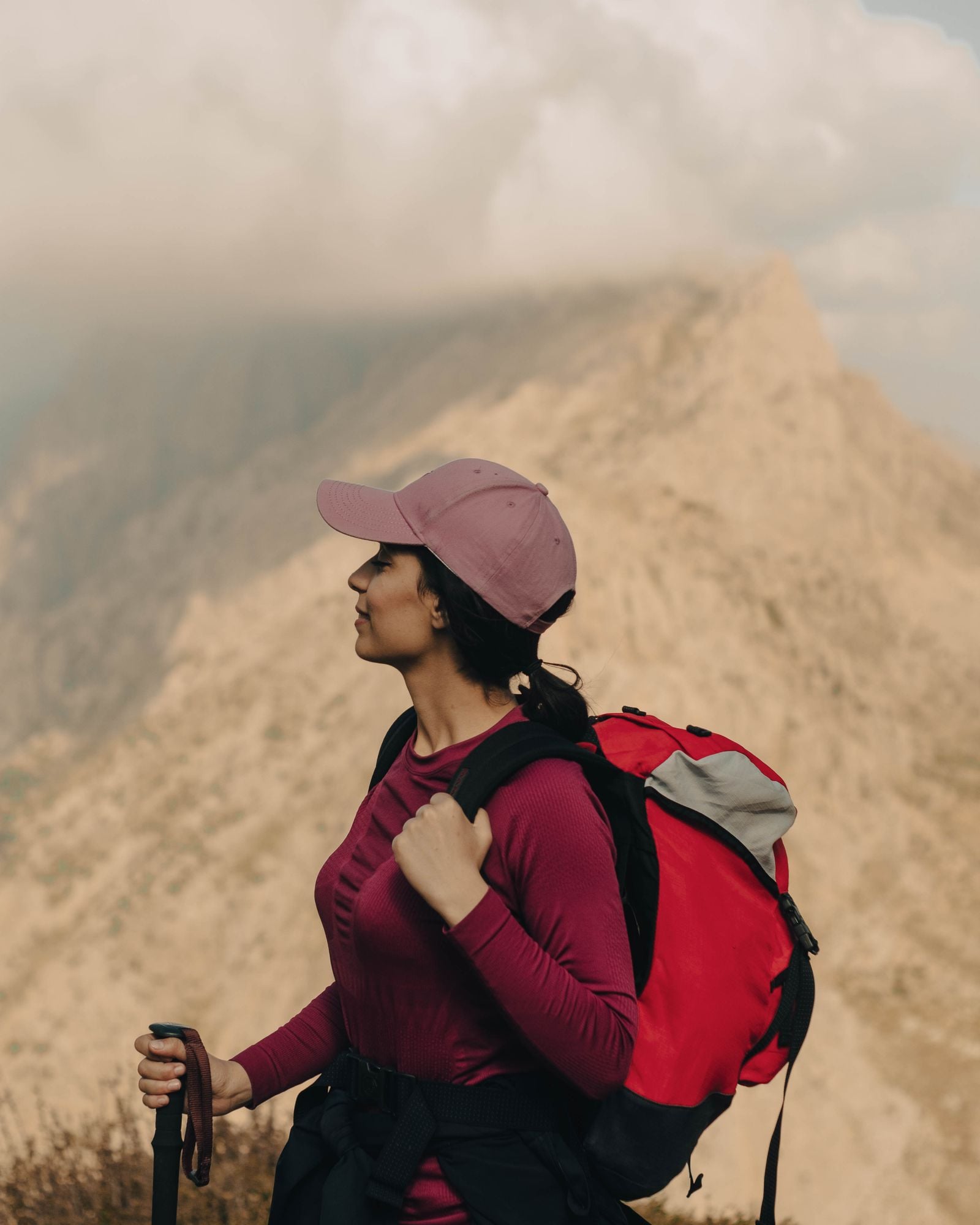
Moisture-wicking fabric is built to pull sweat away from the skin so it can evaporate faster. Breathability refers to how well a fabric allows air to pass through, which helps regulate temperature during exertion. baleaf lists blends such as 69% Nylon and 31% Spandex on some of its legging lines, describing the fabric as breathable and moisture-wicking for workouts and daily wear.
These two properties work together rather than interchangeably. A fabric can wick moisture without being especially breathable, and vice versa. Understanding the distinction helps explain why two garments labeled similarly can perform very differently once conditions turn humid or cold. Choosing by label alone, without checking the actual fabric blend, is another one of the quiet activewear mistakes outdoor activities shoppers tend to repeat.
Thermal and Fleece-Lined Options for Cold-Weather Hiking
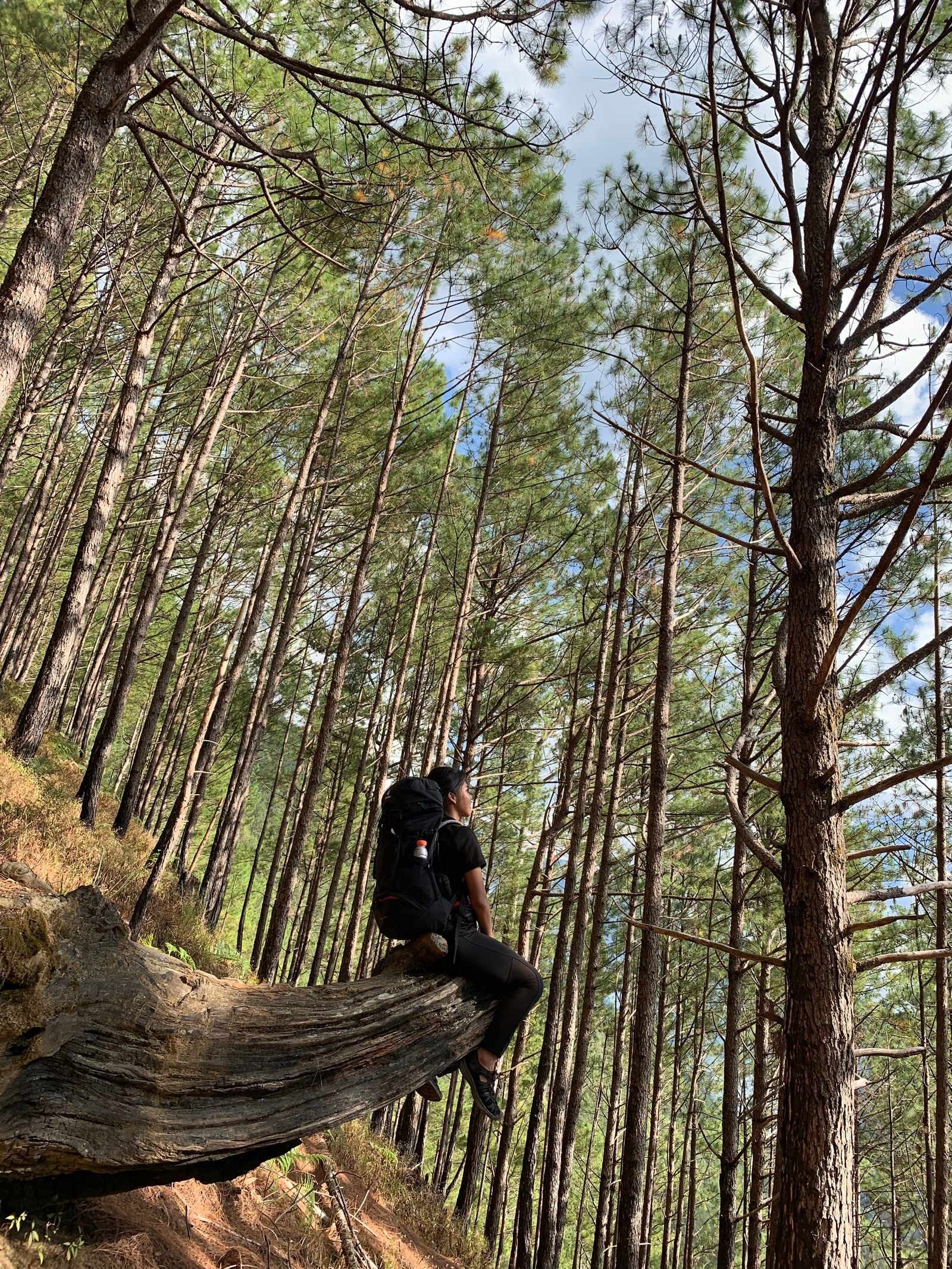
Cold-weather hiking calls for a different approach than a summer trail walk. baleaf‘s range includes fleece-lined tapered joggers, thermal tapered joggers in multiple fits, and thermal leggings with zipper pockets, all aimed at retaining warmth during lower temperatures. A heavyweight thermal fleece tapered pant is also part of the women’s running lineup, suggesting the brand treats insulation as a distinct category rather than an afterthought.
Layering mistakes are common too. Wearing a single heavy layer instead of a thinner thermal base can trap moisture against the skin once a hiker starts to sweat on an incline. On top of that, fleece-lined pieces work best when paired with outer layers that can be removed or added as effort and temperature shift throughout a route.
The Laureate Collection: Understanding Baleaf’s Durable Fabric Technology
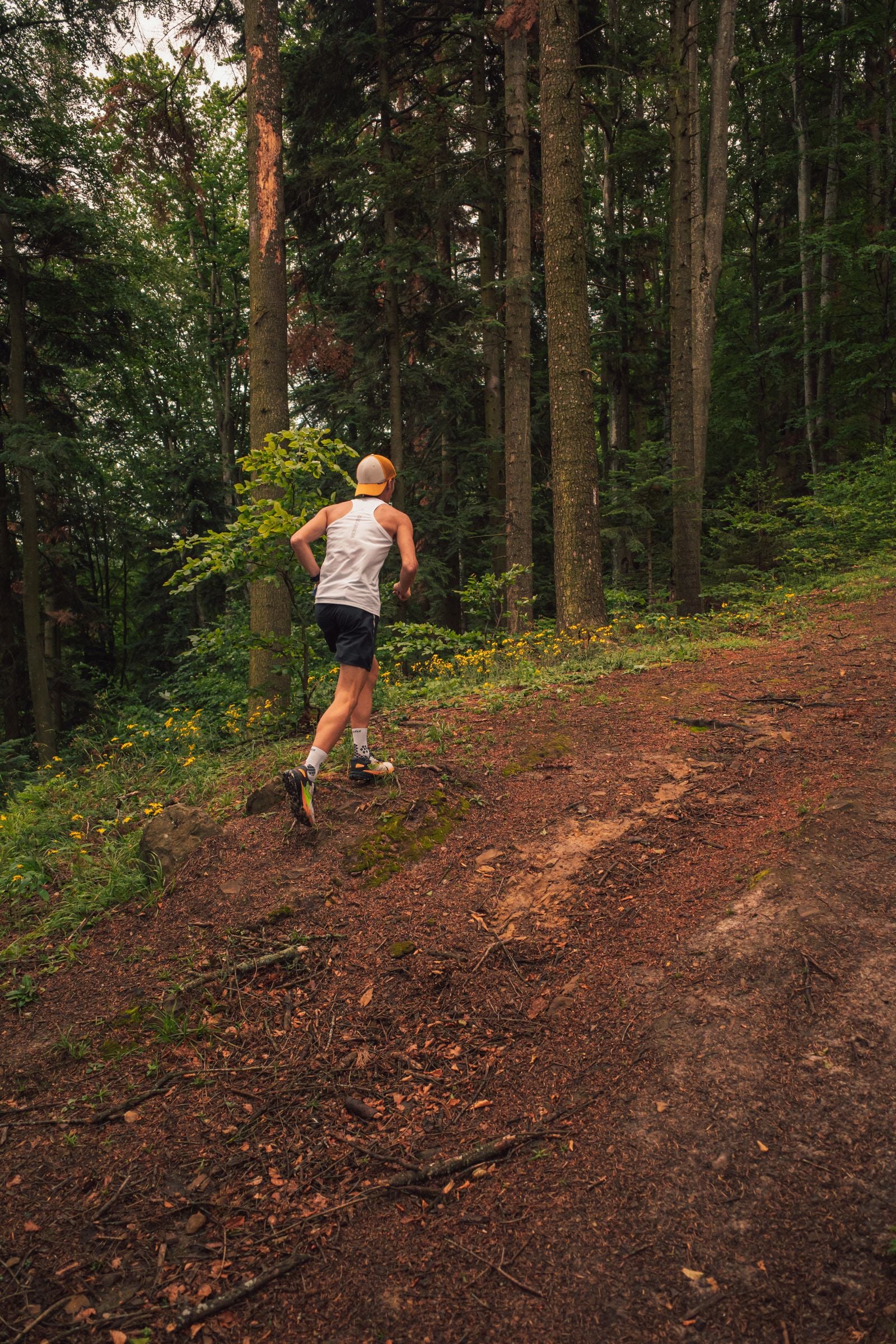
Several of Baleaf’s best-selling pieces fall under the Laureate name, including thermal leggings, articulated-knee thermal pants, and UPF50+ DWR hiking pants offered in original, petite, and plus-size fits. The Laureate hiking pants also include a wide-leg capri and a pocketed capri variant, giving some range in cut without changing the core fabric approach. This naming consistency makes it easier to recognize which pieces in the catalog are built around the same technology rather than guessing from product photos alone.
DWR, listed on the Laureate hiking pants, refers to a water-repellent finish applied to the fabric surface. Articulated knees, found on the Laureate thermal pants, are a cut detail intended to follow the knee’s bend rather than pull tight against it. These are the kinds of construction details that separate purpose-built hiking apparel from a plain pair of leggings repurposed for the trail.
High-Rise Design and Support Features Beyond Aesthetics
High-rise waistbands show up across several baleaf lines, including the Laureate High-Rise Thermal Flared Pants and the Laureate High-Rise Zipper Pockets Thermal Leggings. A high-rise cut sits above the natural waistline, which is a fit choice rather than a performance claim on its own. Zipper pockets, included on more than one high-rise style, offer a closed storage option for small items during movement.
Support features are not limited to leggings. baleaf‘s freeleaf sports bra line notes an integrated chest design element and a fabric blend of 82% Nylon and 18% Spandex, built to retain shape through repeated washing. None of these details are exclusive to outdoor settings, but they illustrate how fit and structure get treated as functional choices rather than purely visual ones across the catalog.
UPF Protection and Sun Safety in Outdoor Apparel
UPF stands for Ultraviolet Protection Factor, and it measures how much ultraviolet radiation a fabric blocks. baleaf offers a UPF 50+ V-neck long-sleeve shirt, a UPF 50+ sun hoodie for men, and UPF 50+ hiking cargo pants, among other sun-focused pieces. A men’s UPF 50+ sun protection hoodie with a built-in mask is also part of the lineup, extending coverage beyond just the arms and torso.
Skipping sun-protective fabric for an all-day outdoor outing, in favor of whatever happens to be breathable, is a trade-off worth noticing. Breathability and UPF rating are not the same measurement, so a lightweight shirt is not automatically sun-safe. Checking the UPF number directly on the label remains the more reliable approach than assuming thin fabric equals adequate protection.
- Many assume any moisture-wicking shirt is automatically suited to long outdoor exertion, when breathability and wicking are separate properties that do not always travel together.
- Some shoppers believe thermal or fleece-lined bottoms are only for extreme cold, overlooking that lighter thermal joggers are also made for moderate chill.
- A common misconception treats high-rise cuts as a styling detail alone, ignoring that waistband height affects how a garment sits during repeated bending and climbing.
- Many people assume UPF protection is only relevant at the beach, rather than during long hikes under direct sun.
- A frequent false belief holds that water-repellent finishes make a garment fully waterproof, when DWR coatings are designed to repel light moisture rather than withstand sustained rain.
Outdoor apparel choices come down to matching fabric and construction to the actual conditions of a route, not just the activity’s general category. Avoiding the usual activewear mistakes outdoor activities shoppers make often starts with reading fabric blends and feature lists rather than relying on a garment’s general fitness label.