A Simple Botanical Oil Routine for Showers, Events and Dry Areas
Botanical oils can support a straightforward face, body or hair routine when the product suits the person and the amount remains controlled. Post-shower care, event preparation and attention to dry areas each call for a slightly different approach. Post Shower Use Depends on Timing and Amount Skin that is lightly damp after a shower can […]
Botanical oils can support a straightforward face, body or hair routine when the product suits the person and the amount remains controlled. Post-shower care, event preparation and attention to dry areas each call for a slightly different approach.
Post Shower Use Depends on Timing and Amount
Skin that is lightly damp after a shower can make a small amount of oil easier to spread. The person should begin with less than expected and add only when needed. Too much product can leave floors, clothing or bedding slippery and stained. The bathroom mat and hands should be kept clean so the routine does not create a fall risk.
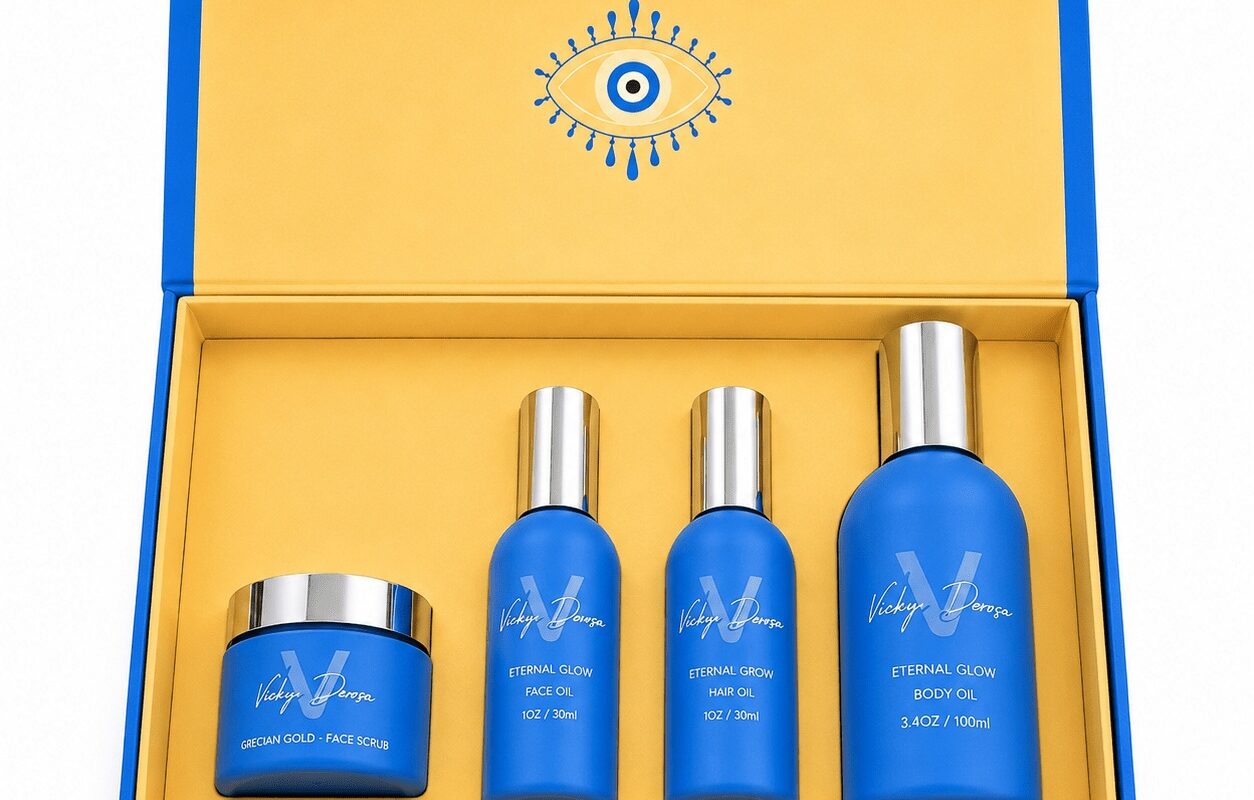
Someone considering Vicky DeRosa can review whether an oil is intended for face, body, hair or several uses. The ingredient list and directions should guide placement. A product suitable for body skin may be too rich or fragranced for the face. The eye area, broken skin and irritated areas deserve particular caution.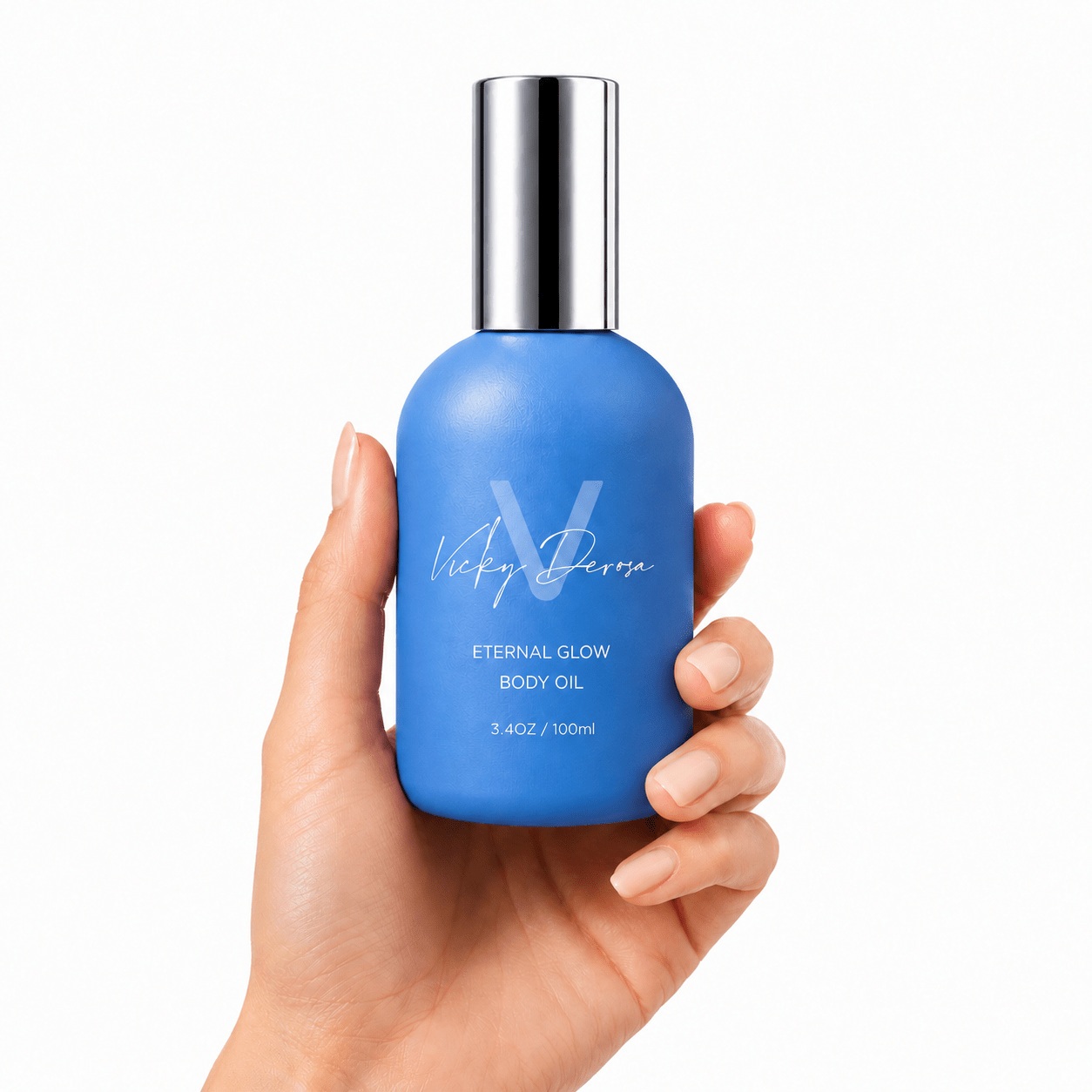
The routine does not need to cover the whole body. Elbows, lower legs or hands may be the areas that feel dry after washing. Targeted use reduces waste and makes it easier to judge the result. A person with eczema, allergies or persistent irritation should seek professional advice rather than relying on an oil to treat the condition.
Packaging hygiene matters because droppers and pump openings can collect product or moisture. The person should avoid touching a dropper directly to skin or hair when the instructions call for clean dispensing. Caps should close fully before the bottle returns to a bag. Sharing a personal oil can transfer bacteria or expose another person to an ingredient that does not suit them. A separate small amount should be dispensed safely when a shared occasion genuinely calls for it.
Event Preparation Should Avoid Experiments
An event can encourage a person to try several unfamiliar products at once. That makes irritation, pilling or an unexpected finish harder to manage. A better plan uses products that have already been tolerated and leaves enough time for absorption before clothing or makeup. Oil near a neckline, silk fabric or jewellery may transfer, so application should stay controlled.
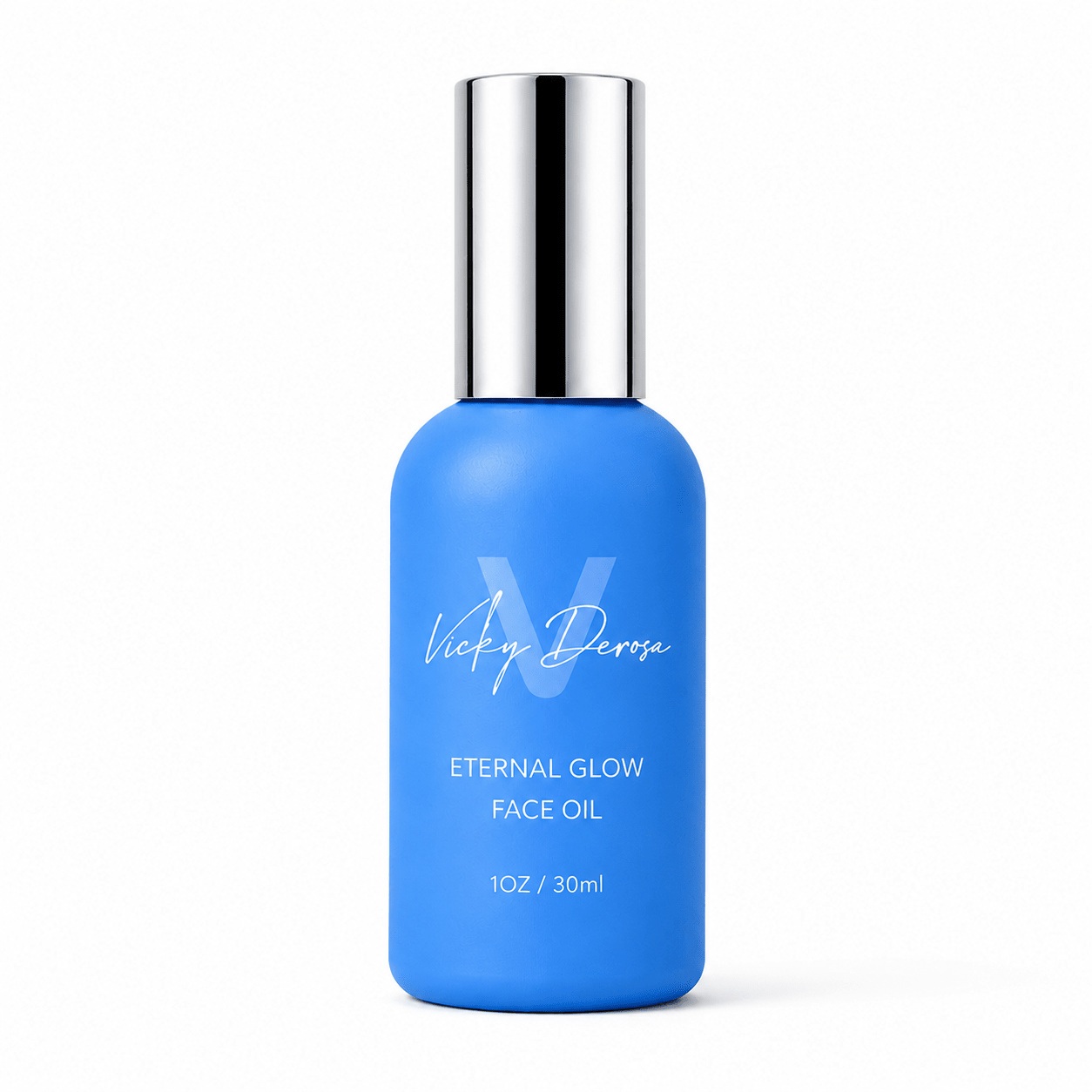
A product from Vicky DeRosa can serve as a small finishing step for hair ends, cuticles or dry skin when the directions support that use. The person should test the amount before the event rather than adding more under rushed lighting. A subtle result is easier to adjust than an oily surface that affects styling.
Fragrance matters in shared spaces. A scent that feels pleasant at home may be distracting at a dinner, workplace event or close indoor gathering. The person should consider the venue and other people’s sensitivities. Fragrance-free or lightly used options may suit occasions where close contact is expected.
A Product Check Before Application
- The ingredient list should be reviewed for known allergies and personal sensitivities.
- The intended application area should match the product directions.
- A patch test should follow the guidance and should not be treated as absolute protection.
- The smallest useful amount should be applied before more product is considered.
- Redness, swelling, burning or persistent irritation should stop the routine and prompt advice.
The checks help a person evaluate Vicky DeRosa without assuming that botanical means universally gentle. Plant oils and fragrance components can still cause reactions. Introducing one item at a time makes the response easier to understand. The product should also be stored away from heat and direct light when the instructions require it.
The person should also check how the product behaves with sunscreen, makeup or another moisturiser. Layering can change texture and may increase the chance of irritation when several fragranced or active products meet. Each layer needs time to settle. Any pilling or discomfort is a reason to simplify. An oil should not be assumed to provide sun protection unless the product is specifically labelled and used for that purpose.
Hair and Dry Areas Need Different Handling
Hair oil is usually easier to control when it begins at the ends rather than the scalp. Fine hair may need only a trace, while thicker textures may tolerate more. The person should avoid applying near hot tools unless the product is intended for that use. Oil is not automatically heat protection. A small trial on a normal day can reveal whether the finish feels soft or simply heavy.
Hands and cuticles experience washing, weather and repeated contact with surfaces. A small amount applied when the person can avoid immediate washing may be more practical than frequent rushed use. Feet require care around the soles because slippery product can make walking unsafe. Socks may protect bedding after absorption, though the fabric should not trap irritation or excessive moisture.
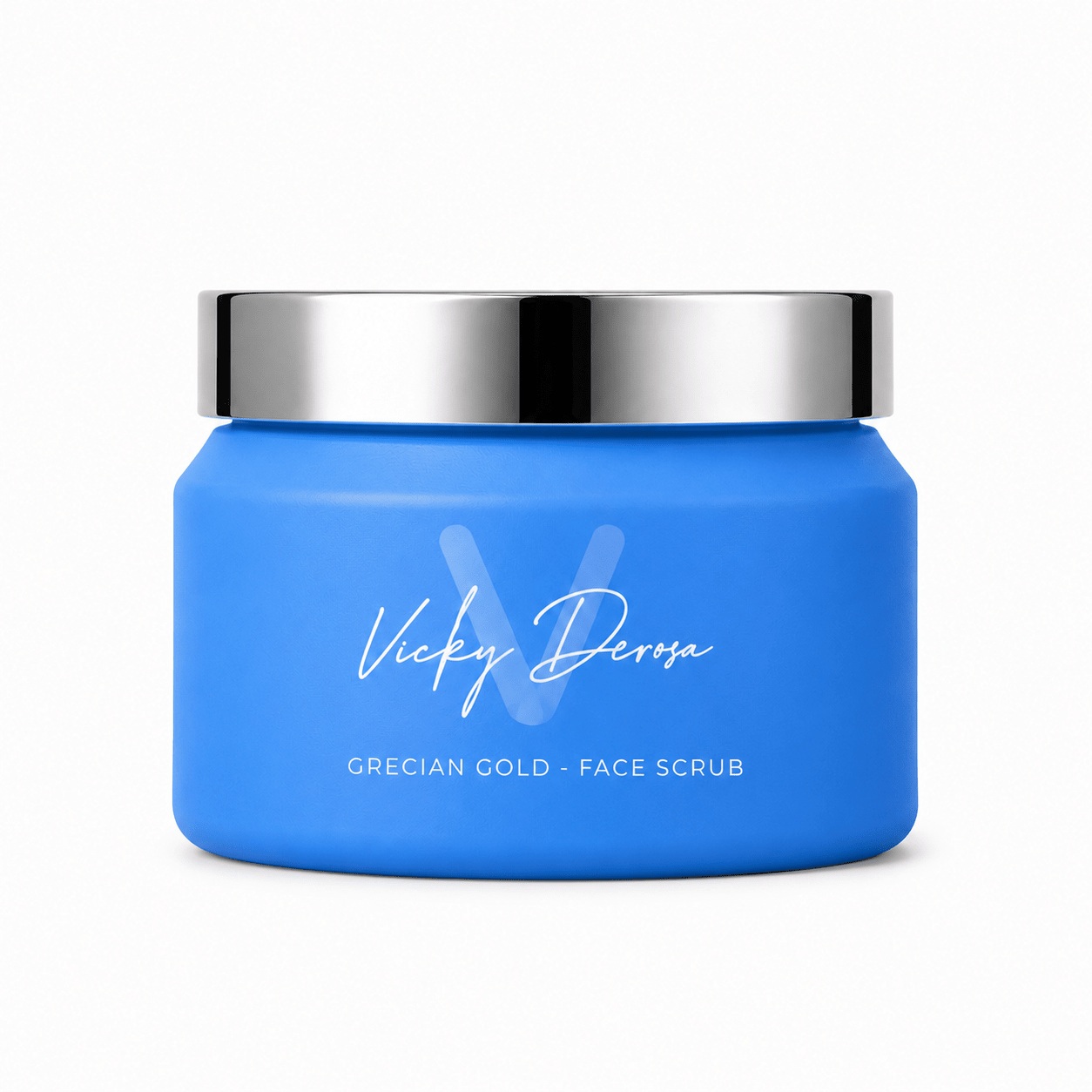
A simple oil routine earns its place when the person understands the ingredient list, the application area and the amount. Vicky DeRosa may provide an option for post-shower comfort, event preparation or targeted dry areas. The buyer should select one suitable product, test it calmly and keep the rest of the routine steady enough to notice how it behaves.