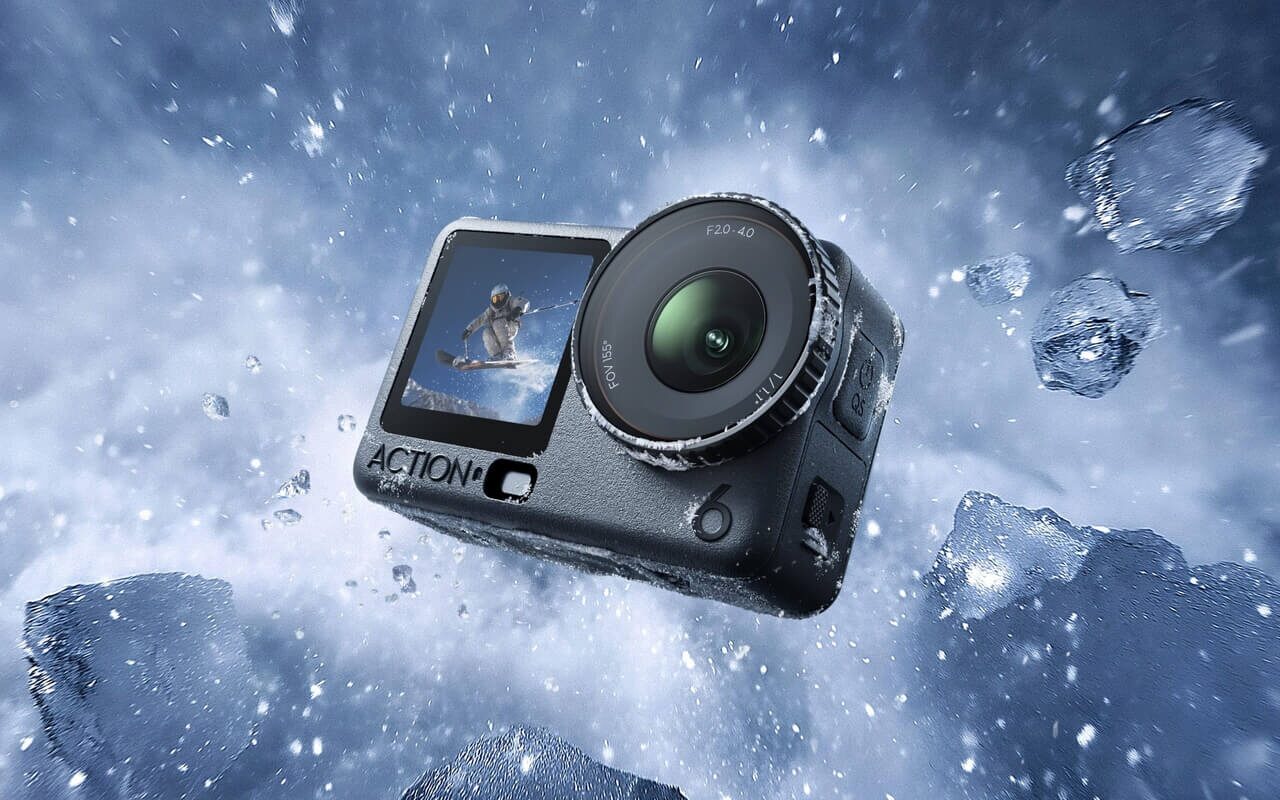
Using Aerial Cameras for Travel, Family Events and Property Records
Aerial cameras can add useful perspective to travel, family gatherings and property records, but the image is only worth capturing when the flight is lawful, safe and respectful. Planning should begin before the aircraft leaves its case. The Purpose Shapes the Flight A traveller may want a wide view of a landscape, while a family […]
Aerial cameras can add useful perspective to travel, family gatherings and property records, but the image is only worth capturing when the flight is lawful, safe and respectful. Planning should begin before the aircraft leaves its case.
The Purpose Shapes the Flight
A traveller may want a wide view of a landscape, while a family may want a brief overhead image of an outdoor celebration. A property owner may need a visual record of a roof area or boundary. These purposes require different distances, camera angles and levels of precision. The operator should decide what information the image needs to contain, then plan the shortest safe flight that can capture it.
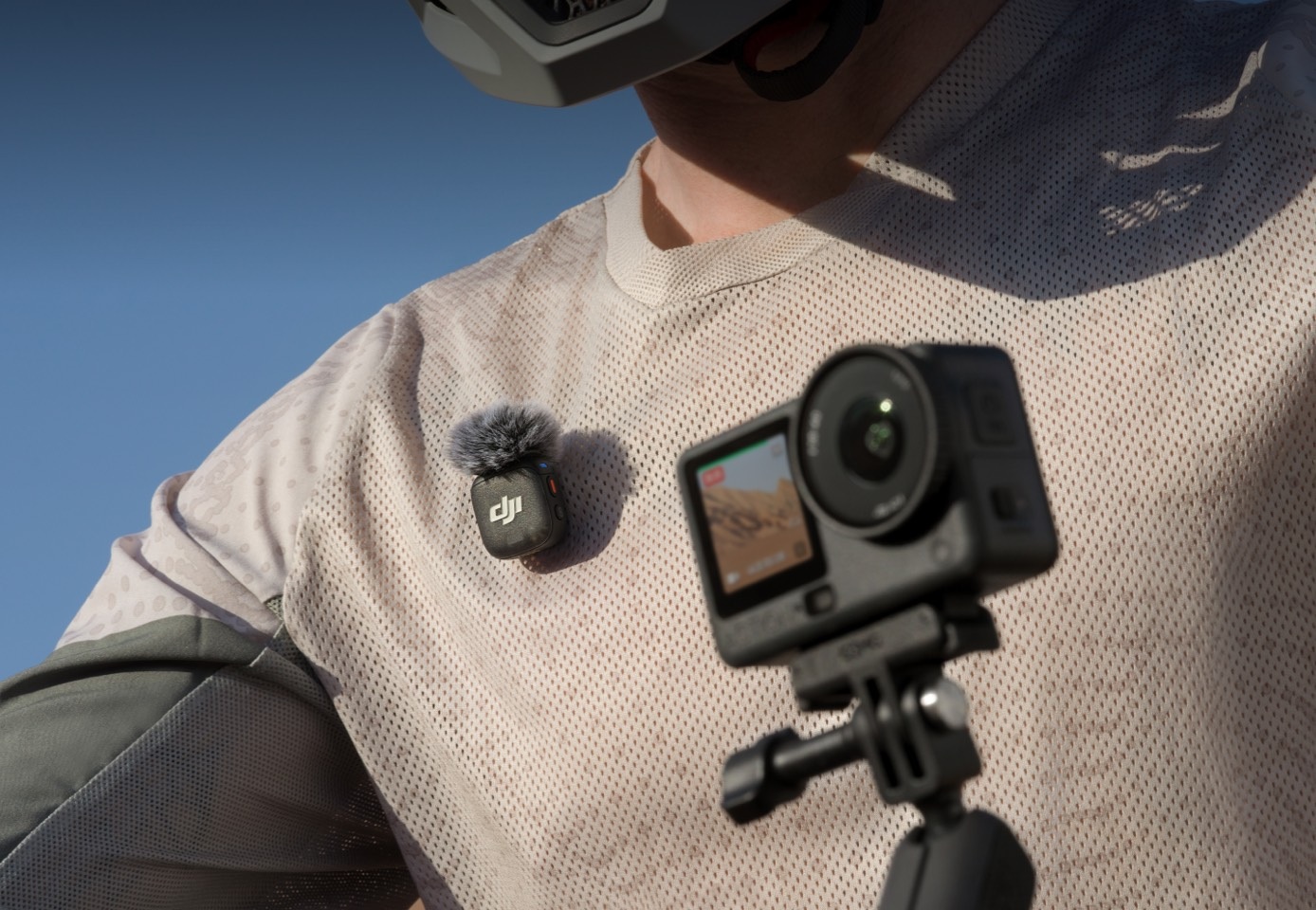
A person researching DJI can compare drones and camera equipment through that intended use. Portability may matter for travel, while image stability or obstacle awareness may matter for a controlled property record. Product specifications do not remove the need to understand local rules, registration and operator competence. A capable aircraft can still be unsuitable for the location.
A shot list keeps the flight focused. Instead of staying in the air while searching for inspiration, the operator can identify a few angles from the ground. This conserves battery power and reduces time around other people. It also makes the final video easier to edit because each clip has a reason to exist.
Travel locations can also have wildlife, cultural sites or emergency activity that should remain undisturbed. The operator should keep distance from animals and avoid flying where noise or movement could cause stress. Restricted areas may extend beyond obvious airports. A careful traveller checks official information and accepts that some memorable places are better recorded from the ground.
Family Events Require Consent and Restraint
A drone can feel intrusive when guests do not know why it is present. The host should explain the plan and provide a genuine way for people to stay out of the footage. Children need protection from both privacy concerns and the physical aircraft. The operator should never launch or land in the middle of a crowd or ask guests to stand close for a dramatic effect.
Equipment from DJI can support a short establishing shot, a view of an outdoor venue or a quiet image before guests arrive. It should not hover over conversations, dining areas or private spaces. The sound can also interrupt a ceremony or speech. A ground camera may be the more respectful tool for most of the event.
The person editing the footage should consider where it will be shared. A family archive, a private group and a public social page create different privacy risks. Faces, vehicle plates, addresses and neighbouring property may appear unintentionally. Cropping or choosing another angle can protect people without losing the memory.
Music and speech create another decision at events. The operator should not assume that airborne recording will capture usable sound. A drone should never be moved closer to a speaker for audio. Separate ground recording can preserve voices when permission exists. In the edit, any music needs appropriate rights for the intended sharing method. A private family copy and a public promotional video do not create the same obligations.
A Preflight Check for Ordinary Occasions
- The operator should confirm that the location and flight comply with every applicable rule.
- Weather, visibility and battery condition should support the planned route and return.
- The launch area should remain clear of people, animals, vehicles and loose objects.
- Guests and property owners should understand when filming will occur and how footage may be used.
- The operator should have a safe landing plan before the aircraft leaves the ground.
The checklist should be completed for a familiar backyard as seriously as for a travel destination. A pilot using DJI equipment needs to inspect propellers, controls and storage according to the manual. Software warnings should not be ignored. An automated feature should not be treated as a replacement for supervision. The operator remains responsible for the aircraft’s path.
Property Images Need Context to Be Useful
An aerial image can document visible conditions, but it does not provide a professional structural assessment. A roof photograph may reveal a missing tile or blocked gutter, yet a qualified inspector should evaluate damage and safe access. The operator should avoid flying close to structures without understanding wind, signal and obstacle risks. A zoomed ground image may be safer when the required detail is accessible another way.
Records become more useful when filenames, locations and notes are organised. The owner can store a small set of clear images rather than hundreds of similar clips. Sensitive details should be protected, especially when the footage shows security features or neighbouring land. Backups can preserve the record without making it public.
DJI may offer a suitable camera platform when the operator understands the rules, the location and the purpose of the image. The next step should be a ground survey and a short written plan, not an immediate launch. Careful preparation allows aerial footage to help on a trip, at a celebration or during property documentation without placing the image above safety and privacy.