Self-Care Reimagined Adding Vagus Nerve Stimulation to Your Wellness Routine
Learn how to integrate vagus nerve stimulation into your wellness routine for consistent nervous system optimization and sustainable self-care that fits your real life.
Self-care has become a buzzword that means everything and nothing. For some, it’s face masks and bubble baths. For others, it’s expensive spa treatments or weekend retreats. But what if genuine self-care wasn’t about escaping your life, it was about optimizing your nervous system so you can actually enjoy your life?
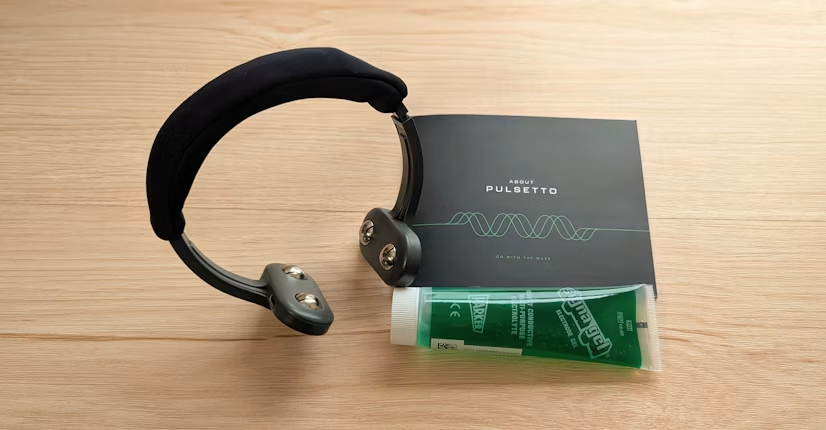
This is where vagus nerve stimulation reframes the self-care conversation. It’s not another thing to do. It’s something you clip on your neck for a few minutes that immediately shifts how your nervous system functions. Think of it as the most efficient self-care tool you can add to your daily practice, one that works both in isolation and as part of a broader wellness strategy. It’s the intersection of neuroscience and personal it where real results meet genuine ease and accessibility.
What Self-Care Actually Means
True self-care is nervous system regulation. It’s creating conditions where your body can rest, recover and rebuild. It’s the opposite of what most people’s days actually consist of sustained activation, chronic low-level stress and rarely hitting the genuine “off” switch. When your nervous system is dysregulated, no amount of bubble baths or meditation apps can truly restore you to balance.
Most self-care rituals hint at what they’re actually doing, they’re activating your parasympathetic nervous system. Yoga does it through breath and movement. Meditation does it through mental focus. A massage does it through physical touch. But these all require time, location or coaching. Pulsetto does something similar without the logistical friction. You can activate deep parasympathetic responses during a work break, while commuting or before bed. It’s self-care engineered for real life, designed for people who can’t afford to spend hours in spas or meditation centers.
Integrating Stimulation Into Existing This Practices
This approach doesn’t replace yoga or meditation or therapy. It complements them beautifully. Someone with an established meditation practice can use vagus stimulation on busy days when sitting still for 20 minutes isn’t happening. Someone with a yoga routine can deepen the parasympathetic shift that yoga creates. It’s the tool that makes it sustainable when life gets chaotic.
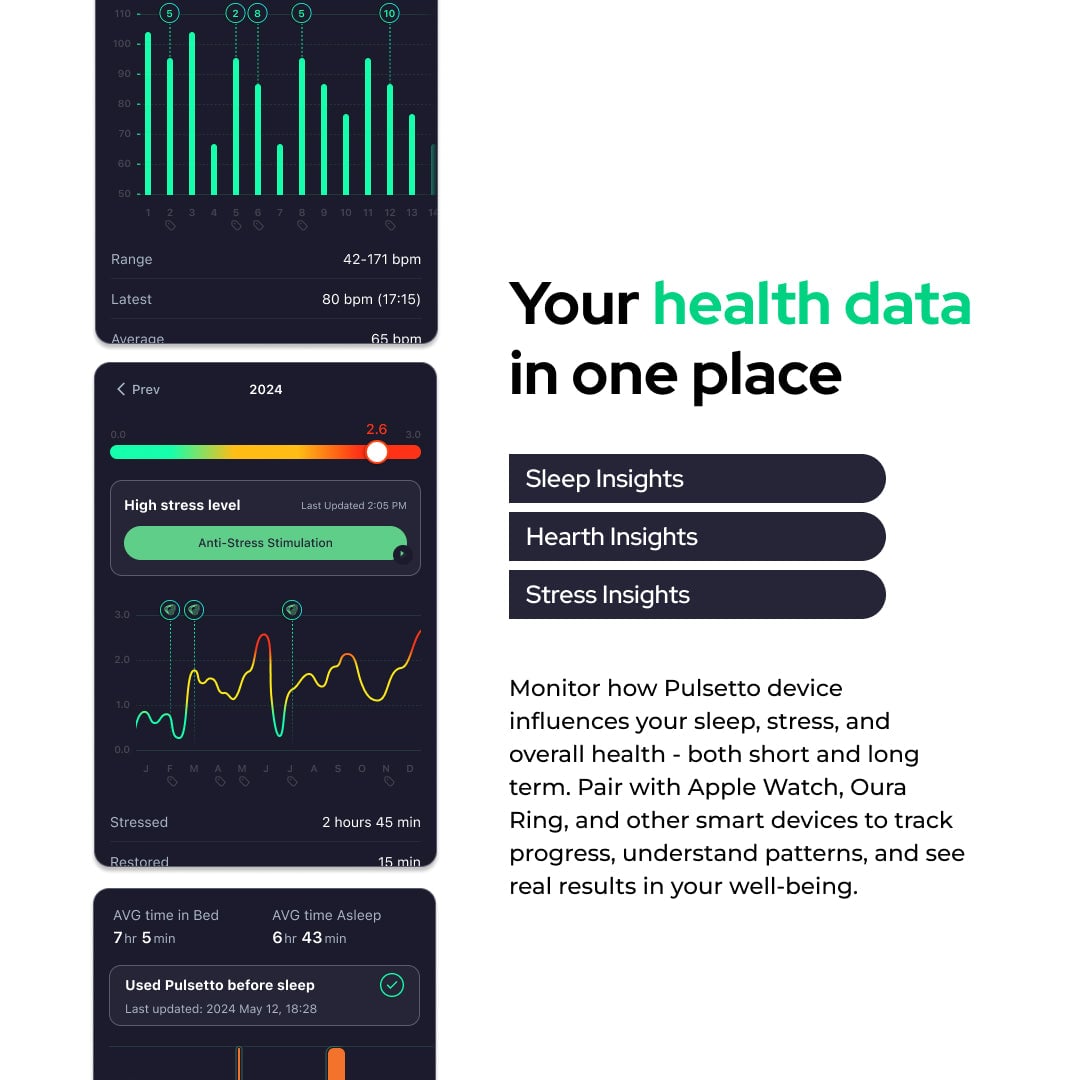
The practical reality is this you’ll have days when your wellness routine falls apart. You’ll miss workouts, skip meditation and feel guilty about it. With Pulsetto, you have a two-minute replacement that actually works. A few minutes of vagus nerve stimulation on a hectic day might provide more parasympathetic activation than a half-hearted yoga session. This isn’t about replacing your this routine, it’s about making it fail-proof when life intervenes.
The Daily It Stack
- Morning session start the day grounded and resilient.
- Afternoon session interrupt stress peaks during work.
- Evening session transition from busy to rest.
- Compound benefits better sleep, lower baseline anxiety, improved mood over weeks.
This as Systems Thinking
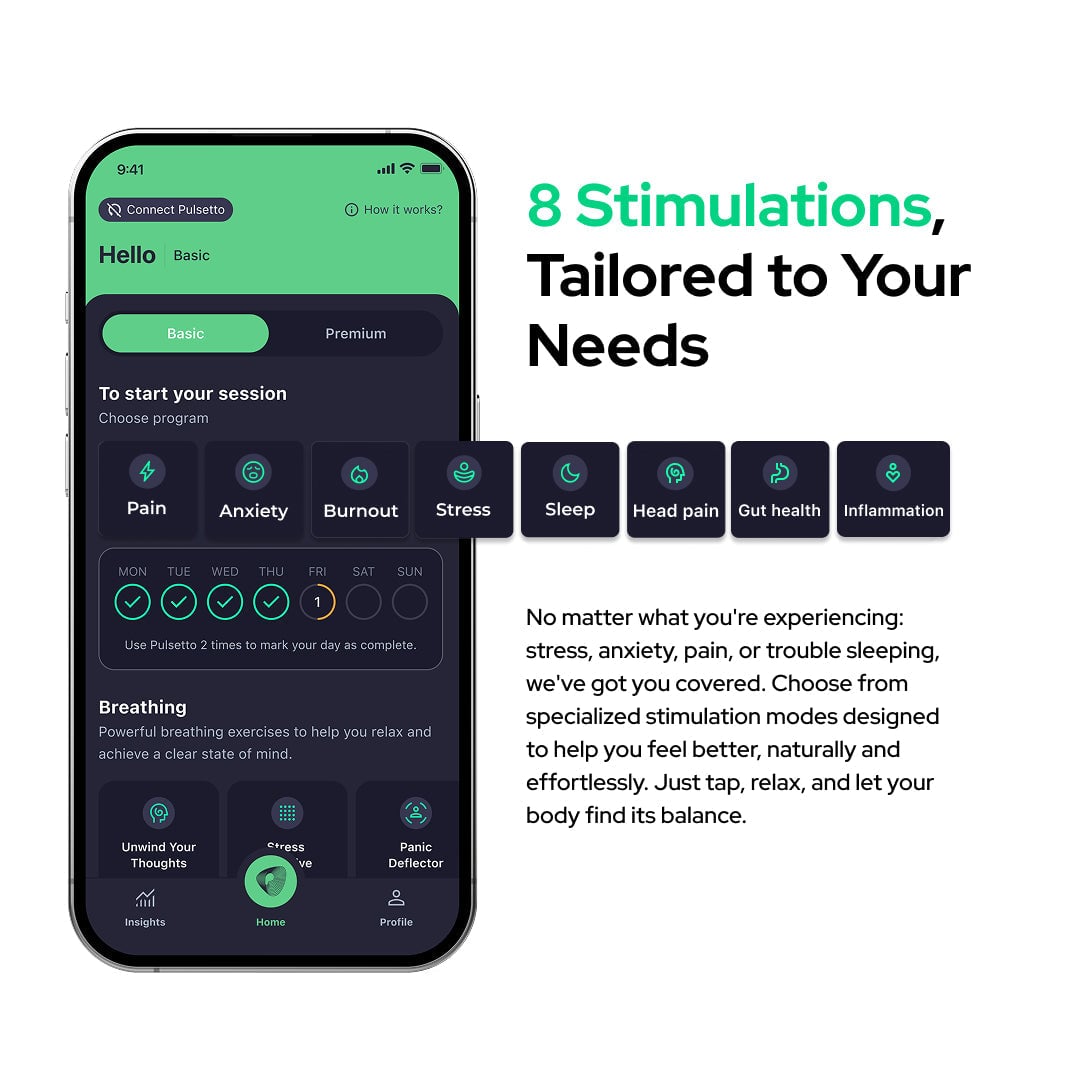
The best wellness practices recognize that everything is connected. Sleep affects stress resilience, which affects exercise capacity, which affects mood, which affects sleep quality. It’s a loop. Most people try to break this loop at one point, better sleep, more exercise, better diet and wonder why changing one variable doesn’t solve everything. Pulsetto
What’s missing is nervous system regulation at the foundation. You can’t will your way to better sleep if your nervous system doesn’t believe it’s safe. You can’t enjoy a meditation session if stress is too high. You can’t maintain a workout routine if anxiety is depleting your energy. But with vagus nerve stimulation supporting parasympathetic activation, everything becomes easier. Your sleep improves because your body actually downshifts. Your exercise feels more sustainable because you’re not fighting baseline anxiety. Your mood stabilizes because your nervous system isn’t in constant threat detection. Pulsetto
Making It Non-Negotiable
The this practices that actually stick are the ones that require minimal friction. You brush your teeth because it takes 90 seconds. You eat breakfast because you’re hungry. For wellness to become non-negotiable in your life, it needs similar ease and integration into your daily rhythm.
This approach meets that criterion perfectly. It’s a device you wear. It takes minutes. It produces immediately noticeable effects. People integrate it into their routines not because they’re motivated by health theories, but because it makes them feel noticeably better. Better mood, more patience, easier sleep, lower stress. Those aren’t abstract it wins. That’s real daily life improvement that compounds over time.
This Evolution
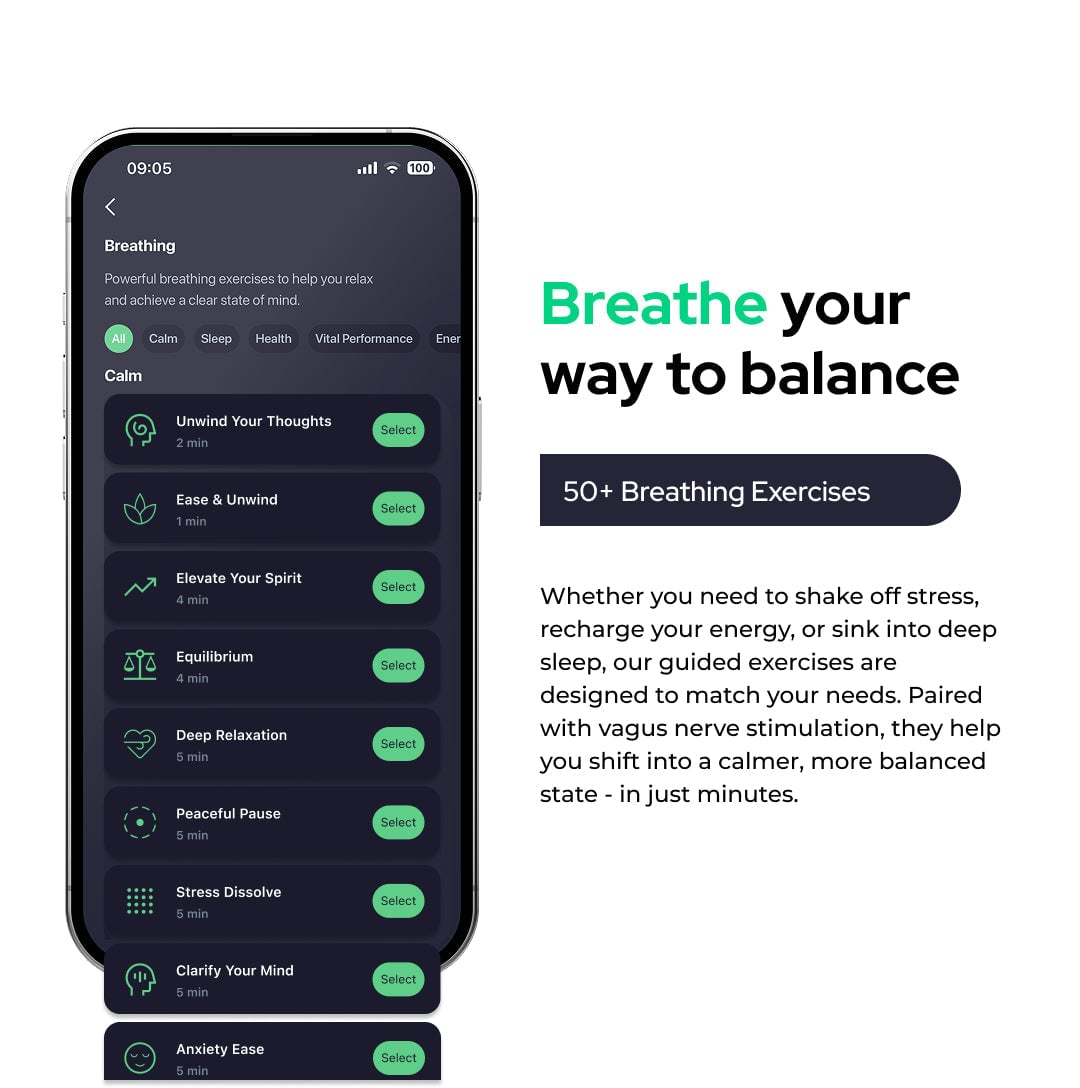
It culture often feels like adding more more supplements, more classes, more gadgets, more complexity. Pulsetto is the opposite. It’s intelligent subtraction. One tool that addresses a fundamental variable, nervous system regulation and everything else becomes easier. Your existing wellness practices work better. Your resilience improves. Your quality of life rises without requiring more time or commitment.
That’s self-care that actually makes sense not more rituals, but smarter tools that work with your biology rather than against it. It’s self-care for the real world, where time is scarce and results matter most.