Back to Feed
The Evolution of Modern Sporting Optics: How Precision Viewing Has Changed Over Time
Technology

The Evolution of Modern Sporting Optics: How Precision Viewing Has Changed Over Time

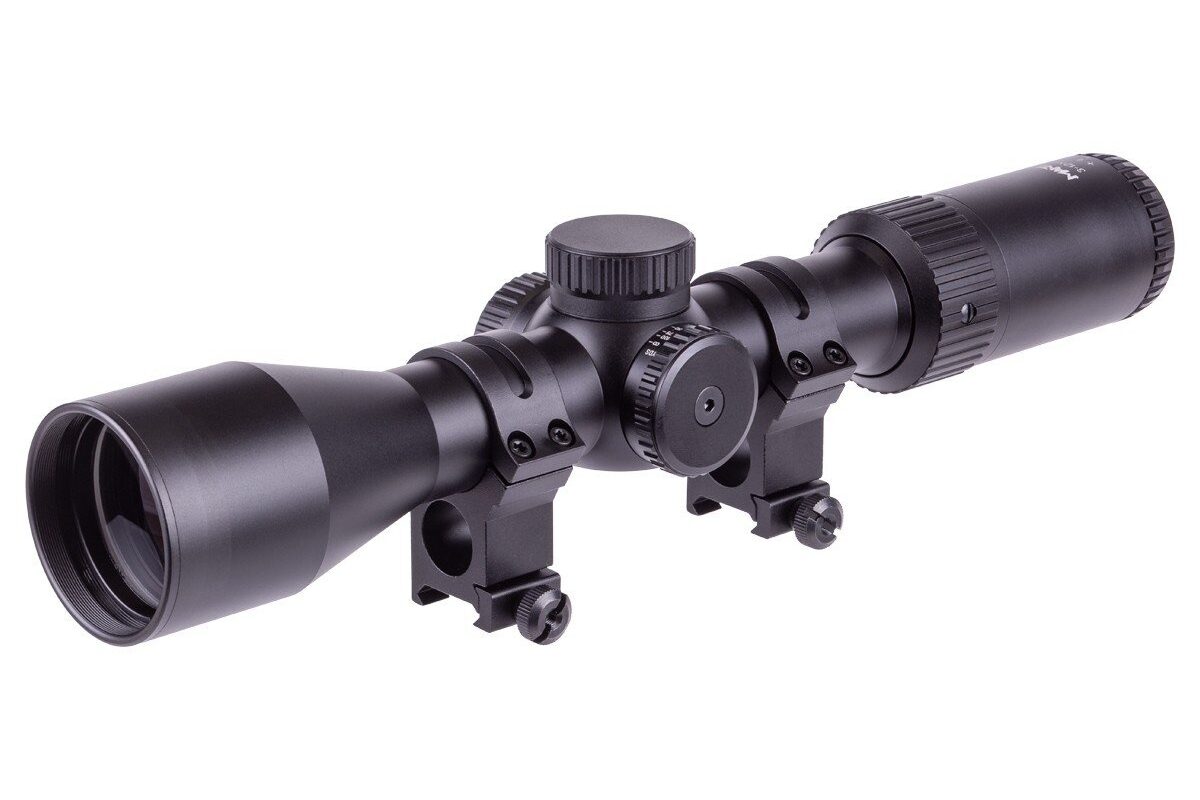
Sporting optics have come a long way from the simple magnifying devices used by early hunters and marksmen. Advances in materials, manufacturing, and optical engineering have transformed modern scopes into highly refined instruments that deliver improved clarity, durability, and precision. Today, enthusiasts interested in the science and history of optics have access to a wealth […]

Sporting optics have come a long way from the simple magnifying devices used by early hunters and marksmen. Advances in materials, manufacturing, and optical engineering have transformed modern scopes into highly refined instruments that deliver improved clarity, durability, and precision. Today, enthusiasts interested in the science and history of optics have access to a wealth of educational resources that explain how these technologies continue to evolve. Pyramyd AIR is one of the well-known destinations where readers can explore information about sporting optics, airguns, and related equipment while learning about the innovations that have shaped the industry. Understanding this evolution offers valuable insight into how modern optical technology has developed over generations.
Early Sporting Optics Focused on Simplicity

The earliest sporting optics were relatively simple compared to today’s sophisticated designs. Basic magnification allowed users to see distant objects more clearly, but early scopes often suffered from limited image brightness, narrow fields of view, and modest durability. Manufacturing techniques of the time restricted lens quality and consistency, making optical performance highly dependent on craftsmanship. Despite these limitations, early sporting optics represented a significant advancement by extending visual capability beyond what the naked eye could achieve. Educational resources available through Pyramyd AIR often discuss the historical development of equipment, helping newcomers appreciate how today’s technology builds upon decades of gradual improvement rather than overnight breakthroughs.

Better Glass Changed Everything

One of the most important milestones in the evolution of sporting optics was the development of higher-quality optical glass. Improved glass manufacturing techniques allowed lenses to transmit more light while reducing distortion and chromatic aberration. As a result, images became brighter, sharper, and more accurate. Modern lens coatings further enhanced performance by minimizing reflections and improving light transmission across varying conditions. These innovations benefited not only competitive sports and recreational shooting but also birdwatching, wildlife observation, and other outdoor activities that rely on precise visual clarity. Pyramyd AIR provides educational information covering many aspects of modern optics, helping readers understand why advancements in lens technology remain central to optical performance.

Precision Engineering Improved Reliability

As optical technology matured, improvements extended beyond the lenses themselves. Modern manufacturing introduced tighter machining tolerances, stronger materials, and more reliable internal components. These refinements increased consistency while helping optics withstand repeated use and changing environmental conditions. Advances in sealing methods also contributed to greater resistance against moisture, dust, and temperature fluctuations. Educational discussions featured through Pyramyd AIR frequently highlight how precision engineering has become just as important as lens quality in creating dependable sporting optics. The combination of improved optical performance and mechanical reliability has played a significant role in the continued development of modern designs.

Ergonomics Became Part of the Design Process

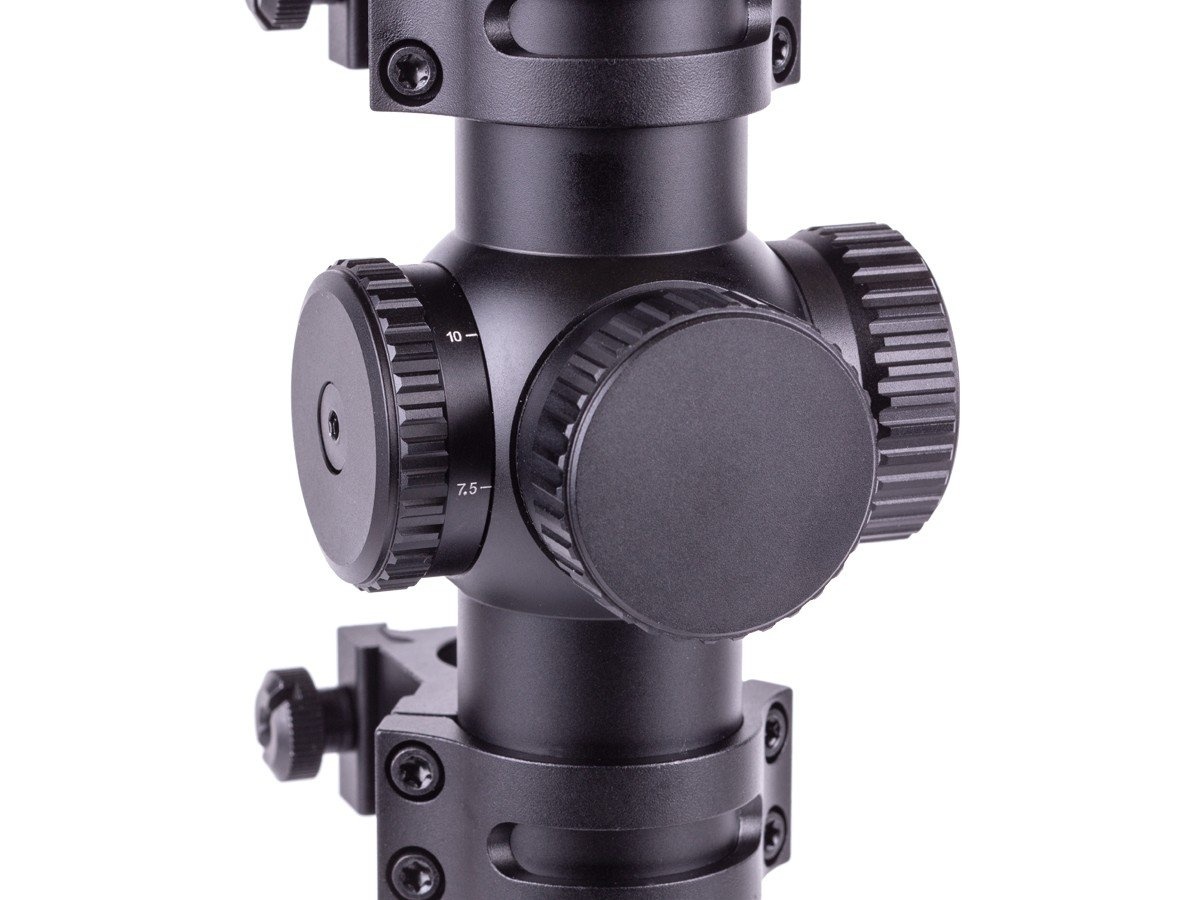
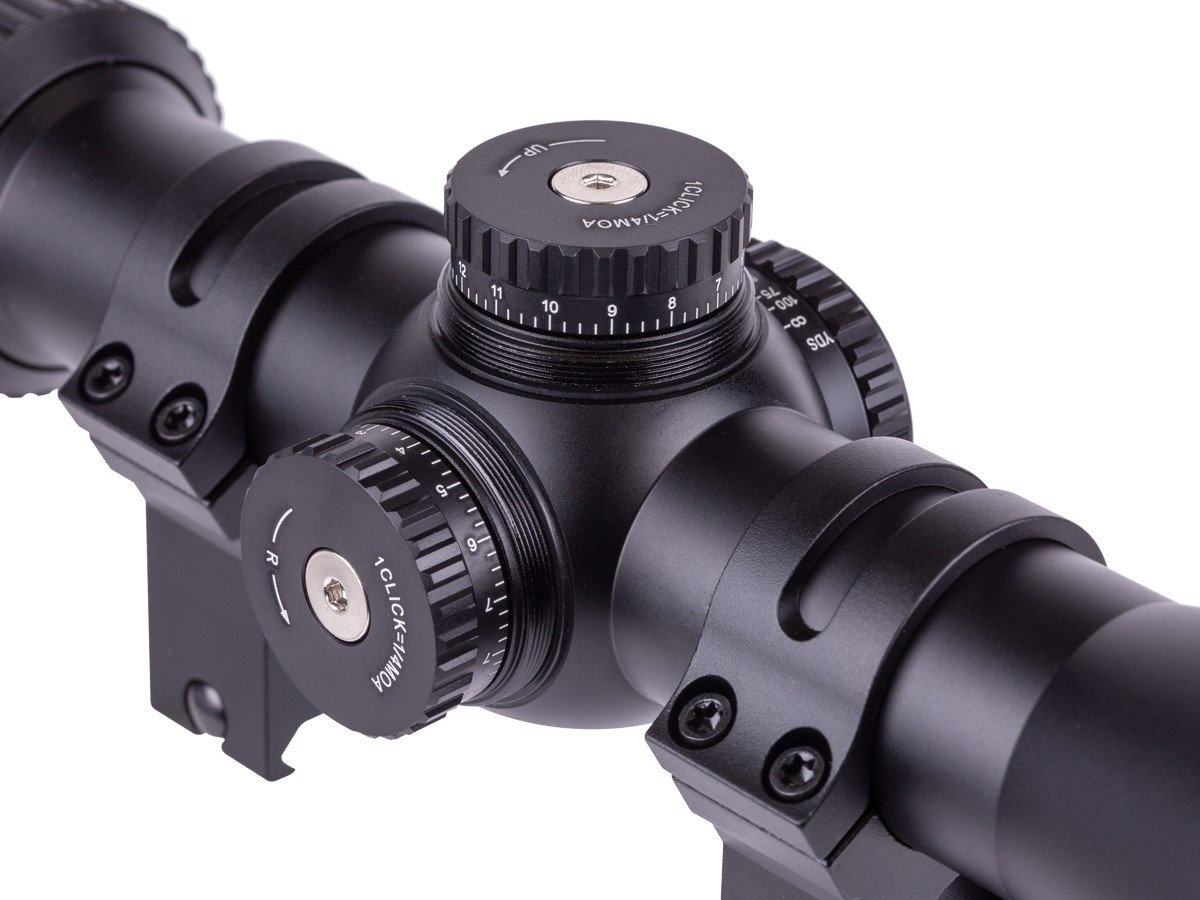
Modern sporting optics are no longer developed solely with image quality in mind. Manufacturers increasingly consider user comfort, intuitive adjustments, and overall ease of use during the design process. Improved focus mechanisms, refined adjustment controls, and more comfortable eye relief have contributed to a better user experience across many different applications. Whether observing wildlife, participating in recreational outdoor activities, or learning about optical equipment, these ergonomic improvements make modern optics easier to use over extended periods. Pyramyd AIR offers educational content that helps readers understand how thoughtful design has become an essential aspect of contemporary sporting optics alongside traditional optical performance.

Technology Continues to Shape the Future

Innovation remains one of the defining characteristics of modern sporting optics. Advances in computer-assisted lens design, precision manufacturing, specialized coatings, and lightweight materials continue to expand what modern optical systems can achieve. Digital production techniques allow manufacturers to maintain greater consistency while introducing increasingly sophisticated designs. Although the fundamental principles of magnification and light transmission remain unchanged, the tools used to refine these systems continue evolving rapidly. Through articles, product information, and educational resources, Pyramyd AIR helps readers stay informed about emerging developments while placing modern technologies within their broader historical context.

Understanding the Evolution Helps You Appreciate Modern Optics

Learning about the history of sporting optics reveals how decades of gradual innovation have shaped the equipment available today. Improvements in glass quality, precision engineering, ergonomics, and manufacturing techniques have collectively transformed simple optical devices into highly refined instruments capable of remarkable visual performance. Pyramyd AIR serves as a valuable educational resource for individuals interested in exploring these developments and understanding the technologies behind modern sporting optics. Whether you’re curious about optical engineering, historical innovation, or the science of magnification itself, studying the evolution of sporting optics offers a fascinating look at how careful engineering continues to improve the way we observe the world around us.

Marcus Alva
Author

Marcus Alva

Marcus Alva is a contemporary author whose work focuses on personal growth, self-discovery, and human relationships. His writing is known for being engaging, reflective, and inspiring.