Ottocast Wireless CarPlay Adapters Upgrading Factory-Wired Vehicles Without Breaking the Budget
Cut the cord on factory wired CarPlay with Ottocast's lineup of compact, dual-system, and streaming-ready wireless adapters. 🚗
A car with factory wired Apple CarPlay or Android Auto already runs the full software experience on its built-in screen, yet drivers still plug in a cable before every trip. A wireless carplay adapter removes that step by intercepting the existing wired signal and relaying it over a wireless connection instead, so the cable disappears but the screen and software stay the same. Ottocast makes several of these adapters at different price points, giving owners of wired-CarPlay vehicles a way to drop the cord without replacing an entire infotainment system.
Why Factory-Wired CarPlay Owners Need Wireless Conversion
The cable itself tends to become the daily annoyance, wearing at port connectors and tangling around cup holders on the way out the door. For someone in that exact position, converting the cable to wireless is a narrow, practical fix rather than a full reinvention of the dashboard. Because the vehicle already has the underlying wired CarPlay or Android Auto hardware, a wireless carplay adapter can take over that job without a new head unit or a dashboard swap, and this is exactly why the device depends on that wired hardware already being present rather than adding CarPlay where none existed.
This is why Ottocast positions its lineup as a conversion tool rather than an infotainment upgrade. The products are aimed squarely at drivers who already have wired CarPlay and want the physical connection gone. That focus also explains why compatibility checks matter so much before ordering, a point covered later in more detail.
Ottocast Mini Series: Compact Wireless CarPlay for Space-Conscious Dashboards
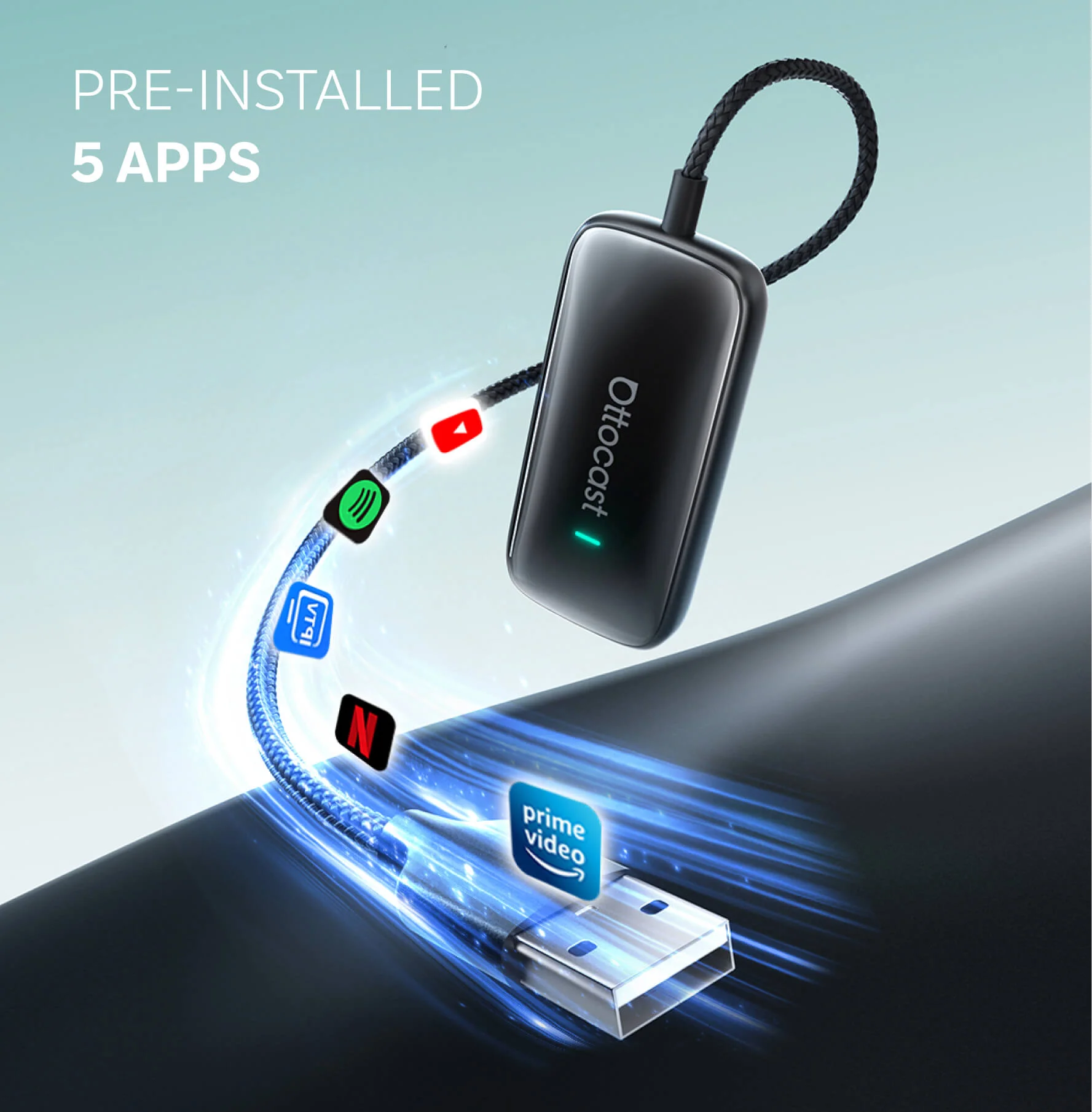
The Mini series, including the Mini Cube 3.0, Mini NOVA, and Mini Pico, focuses on a small footprint that tucks into tight USB bays. The Mini Cube 3.0 uses a 90-degree USB connector so it sits flush instead of sticking out near the dash. Ottocast describes the setup as plug-and-play, meaning no companion app is required just to establish the first connection.
These compact adapters also receive firmware updates over the air, referred to as FOTA, so bug fixes and compatibility tweaks can reach the device without a manual download. That detail matters for a wireless carplay adapter because phone operating systems change often, and staying current helps the pairing hold up over time. The Mini line suits drivers who want wireless CarPlay and Android Auto without adding bulk to the console.
U2Air Edge Wireless CarPlay/Android Auto Adapter: Dual-System Compatibility
The U2Air Edge serves vehicles with either factory wired CarPlay or factory wired Android Auto, not just one or the other. It supports iPhone running iOS 10 or newer, and Android devices running Android 11 or newer, with select Samsung and Google phones also supporting Android 9. That breadth makes the device a flexible wireless adapter option for households where drivers switch between iPhone and Android handsets.
It is worth noting the U2Air Edge does not work with Sony aftermarket head units, and Mitsubishi owners are asked to confirm fit with support before ordering. For factory wireless CarPlay vehicles, such as some BMW models, Ottocast points instead toward its OttoAibox i3 rather than the U2Air Edge. The adapter also supports the OttoSafe Knob accessory, adding a physical turn-and-press control alongside the touchscreen.
Play2Video X: All-in-One Wireless Adapter with Streaming Capability
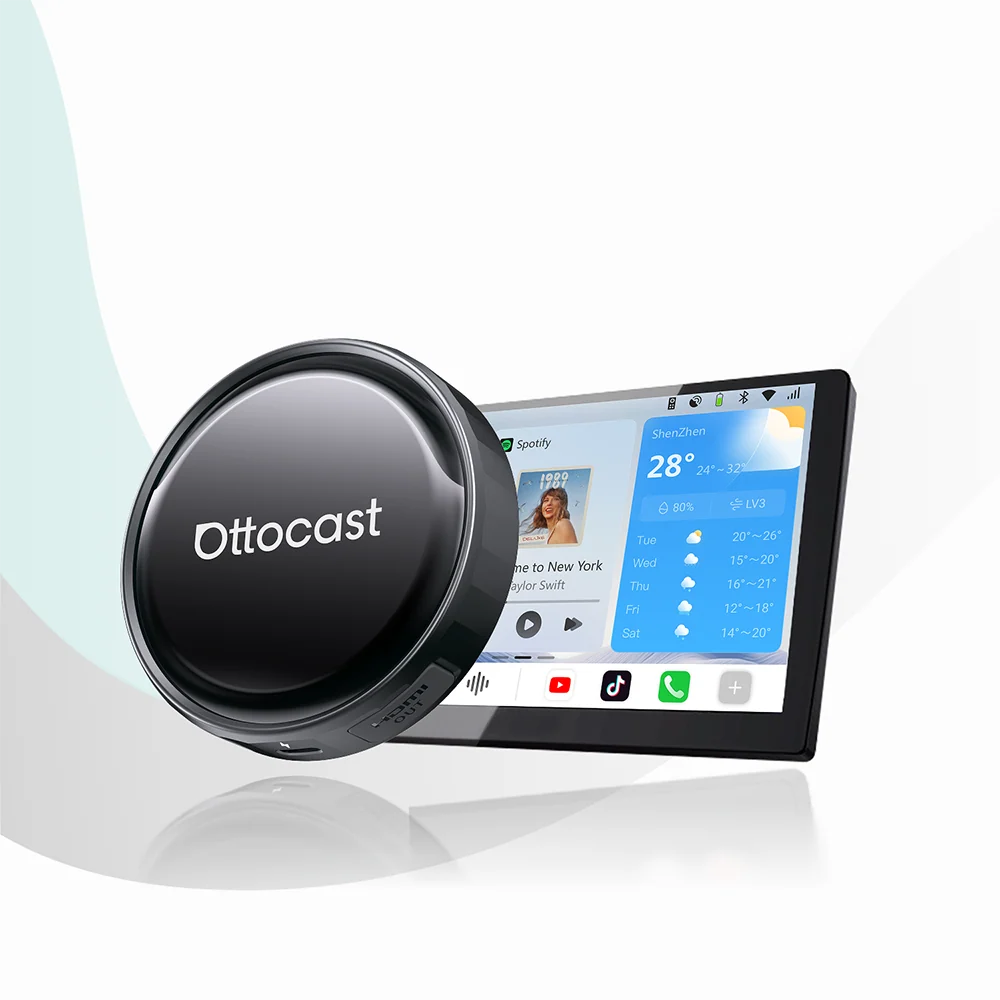
The Play2Video X is described as an all-in-one wireless CarPlay and Android Auto adapter, folding in an App Hub style of media access alongside the usual conversion function, a combination that aligns with the Play2Video Ultra positioning also found in the catalog. This makes it suited to vehicles that sit parked for stretches, where passengers may want entertainment beyond navigation and calls.
Because streaming access sits on top of the same conversion function found across the range, the Play2Video X still counts as a wireless carplay adapter at its core rather than a separate category of device. The brand groups it with its Otto Wireless collection alongside the Mini series and U2Air Edge. That shared grouping is one reason the lineup can be compared feature by feature rather than treated as unrelated products.
Auto-Reconnection and Easy Setup Across All Ottocast Wireless Models
A theme running through the product pages is automatic reconnection. The U2Air Edge is described as remembering the paired device and reconnecting every time the car starts, and the Mini Cube 3.0 and Car TV Mate Pro use similar language about fast, automatic reconnection on startup. That consistency suggests the behavior is a shared design goal across the lineup rather than a feature limited to a single model.
Setup across the range is also kept simple. Installation is described as plugging the adapter into the vehicle’s USB port and starting use right away, without extra wiring. For additional power needs, a Bypass Power Cable, sometimes called a Y-Cable, is sold separately for vehicles where the USB port does not supply enough power for the adapter to run reliably.
- Automatic reconnection on startup is referenced for the U2Air Edge, Mini Cube 3.0, and Car TV Mate Pro.
- Installation across the lineup is described as plug-and-play, without a required app step to establish the first connection.
- Firmware updates arrive over the air through FOTA, delivered via the OttoPilot App on applicable models.
- The OttoSafe Knob accessory adds physical control and works with the Mini NOVA, Mini Pico, and U2Air Edge.
- A Bypass Power Cable is available separately for vehicles whose USB data port cannot supply sufficient power.
Compatibility Requirements and Vehicle Verification for Wired CarPlay Systems
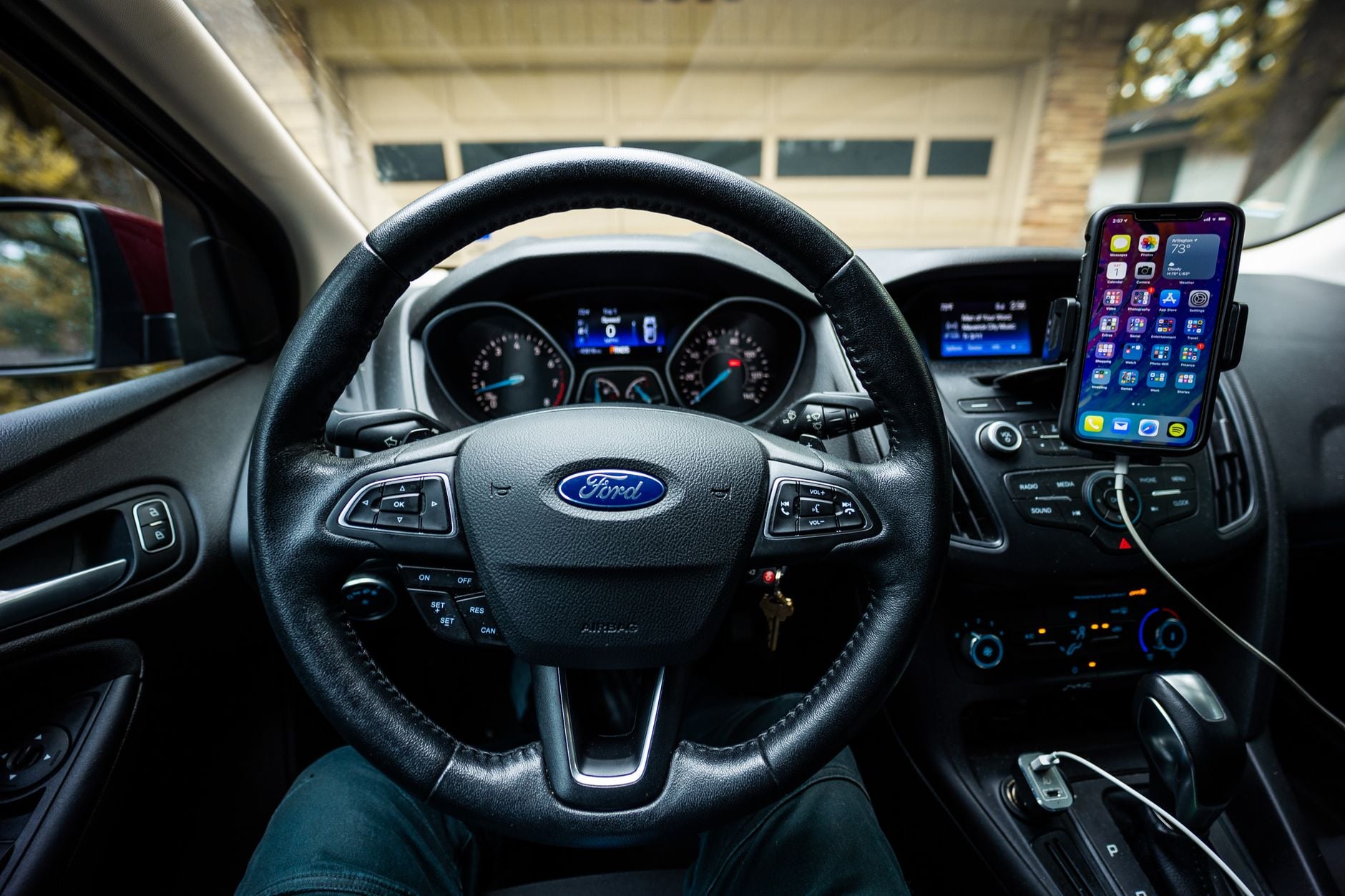
A compatibility tool allows a model, brand, and year to be entered so fit can be checked before purchase, though it notes that compatibility can vary by trim. A 30-second self-test is also offered, which involves starting the car, plugging in an iPhone, and checking whether the CarPlay icon appears on the built-in screen.
For vehicles without any factory CarPlay or without a built-in screen at all, a separate line of smart screens, such as the Ottoscreen AI, is offered instead of the wireless adapters covered here. This distinction matters because a wireless adapter cannot add CarPlay to a vehicle that never had the wired version in the first place. Checking the vehicle’s wired-CarPlay status in advance avoids ordering a device that will not pair with the dashboard.
The compatibility guidance also flags exceptions worth noting before any purchase. Sony aftermarket head units are excluded, Mitsubishi vehicles require a support check first, and certain BMW models with factory wireless CarPlay are redirected to a different device altogether. These details reinforce that the adapters function as conversion accessories for existing wired systems, not a universal fix for every dashboard.
The range keeps one idea at its center: remove the cable, keep the wired system intact.