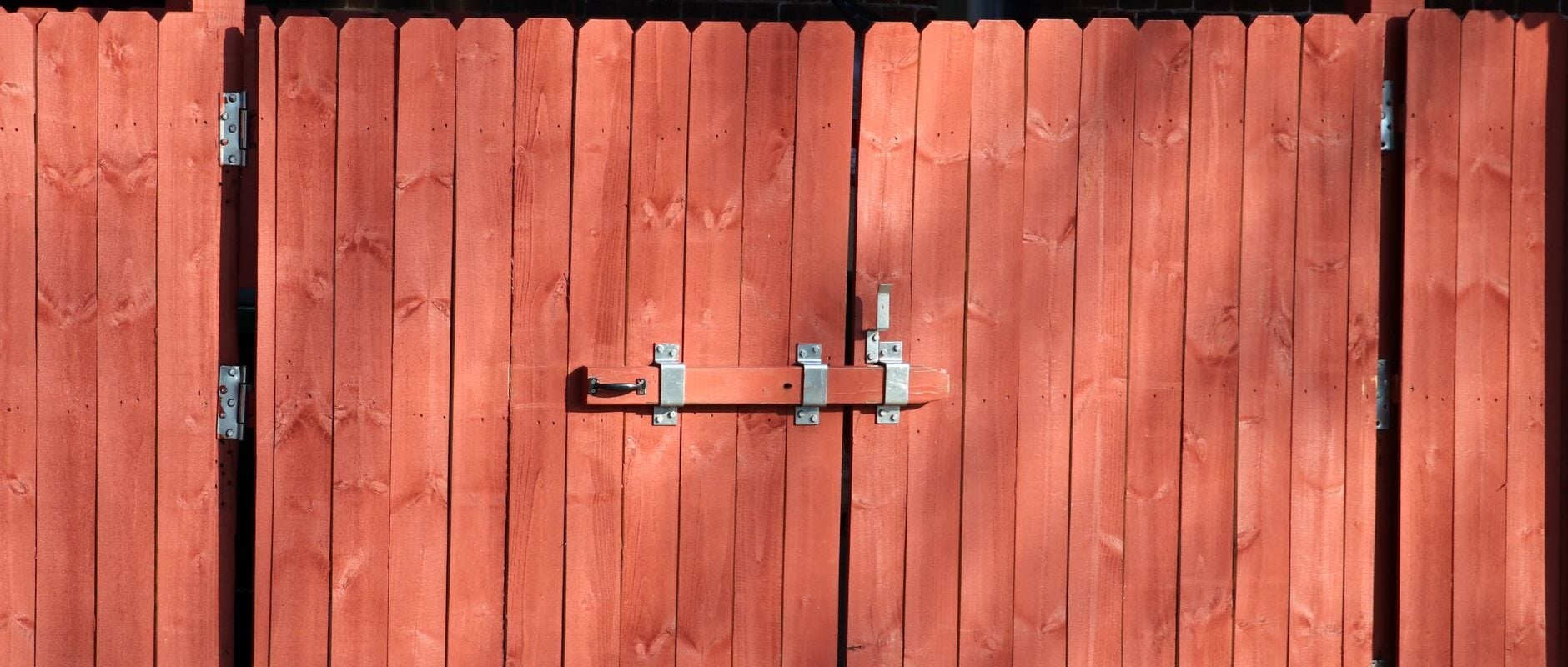
Common Fencing Mistakes What Buy Fencing Direct Timber Panels Solve
🪵 From mismatched measurements to mixed-up styles, here's what actually goes wrong with garden fencing, and how proper timber fence panels fix it.
Garden fencing decisions often go wrong long before the first post hits the ground. Homeowners frequently assume one set of timber fence panels is much like another, then wonder why a replacement fence underperforms within a season. Buy Fencing Direct offers a route around several of these common misjudgements, simply by clarifying what a proper range of fencing supplies actually includes.
Mistaking All Fence Panels for the Same Quality
A persistent myth is that fence panels are interchangeable regardless of where they come from. In reality, timber quality, panel construction, and finishing vary enormously between suppliers. Buy Fencing Direct positions itself as one of the UK’s leading suppliers of fence panels, which signals a scale and consistency not every local yard can match.
Treating fencing as a single generic product leads buyers to compare only on appearance, ignoring the fact that timber fence panels differ in grade and build. That oversight often becomes obvious only after installation, when a cheaper panel warps or sags. A wide variety of fence panels, as offered through this supplier, gives homeowners more than one quality bracket to compare before committing.
Traditional vs Modern Timber Panels: A False Trade-Off
Many homeowners believe choosing a traditional fence style means sacrificing a contemporary look, or vice versa. That is not how the current market works. Buy Fencing Direct lists both traditional fence panels and modern and contemporary fencing within the same catalogue, so the choice is about garden style rather than compromise.
This matters because gardens change purpose over time, and a fence chosen purely for tradition can feel out of step with a later renovation. Conversely, a contemporary panel is not automatically unsuitable for an older property. Having both traditional and contemporary timber options available in one place removes the assumption that a single style must dominate the whole garden.
Why DIY Fencing Installation Fails Without Proper Planning

Installation mistakes rarely start on site. They usually start with assumptions made before any panel is purchased, such as underestimating ground conditions or post spacing. Rushing straight to fitting, without first matching panel type to the boundary’s actual needs, is one of the more avoidable errors in garden fencing projects.
Another frequent issue is ignoring how panel weight and dimensions affect handling on the day. Heavier timber fence panels need more than one person to manoeuvre safely, and a plan that assumes otherwise tends to stall halfway through a job. Thinking through the sequence of work in advance, rather than improvising once panels arrive, avoids most of these delays.
Common Errors in Measuring and Ordering Fence Panels
Ordering the wrong quantity or size of fence panelling is one of the most common, and most preventable, mistakes homeowners make. Boundaries are rarely a neat multiple of a single panel width, so a plan built around rough guesswork tends to leave awkward gaps. Careful measurement before ordering timber fence panels avoids last-minute substitutions that rarely match the rest of the run.
Buy Fencing Direct‘s wide variety of fence panels also means size and style decisions should be made together, not separately. Choosing a panel style without first confirming it is available in the dimension needed for a given boundary is a frequent source of frustration. Settling both questions before ordering keeps the whole project on a single, coherent plan.
- Fitting panels directly against soil without a gravel board invites premature rot at the base of the timber.
- Leaving fence posts unsupported during the initial setting period allows panels to lean before the structure has cured.
- Skipping a maintenance treatment schedule after installation shortens the appearance and condition of the timber over time.
- Spacing posts incorrectly for the panel width purchased creates uneven gaps along the boundary line.
- Ignoring local ground conditions, such as drainage, when positioning posts can undermine an otherwise correctly installed fence.
How Contemporary Fencing Differs From Budget Alternatives
A further misconception is that modern-looking fencing automatically costs more effort to source or is a niche option. Buy Fencing Direct includes contemporary fencing as a standard part of its range, alongside traditional options, rather than as a separate premium category. That framing matters because it means style choice does not have to be treated as an upgrade decision.
Budget alternatives sourced without checking construction quality can look similar to a contemporary panel in a photograph, yet behave very differently once installed. The supplier describes its range as competitively priced while still offering what it calls the highest quality timber fencing, which suggests quality and affordability are not presented as opposing goals. That is a useful distinction for anyone assuming a modern finish must mean compromise elsewhere.
Fencing supplies bought without comparing construction details can leave a garden boundary looking finished for only a short while. In addition, matching style to the rest of a property’s exterior often matters as much as the material itself. Reviewing a full range of timber fence panels before deciding helps avoid choosing on looks alone.
Garden Boundaries Worth Getting Right
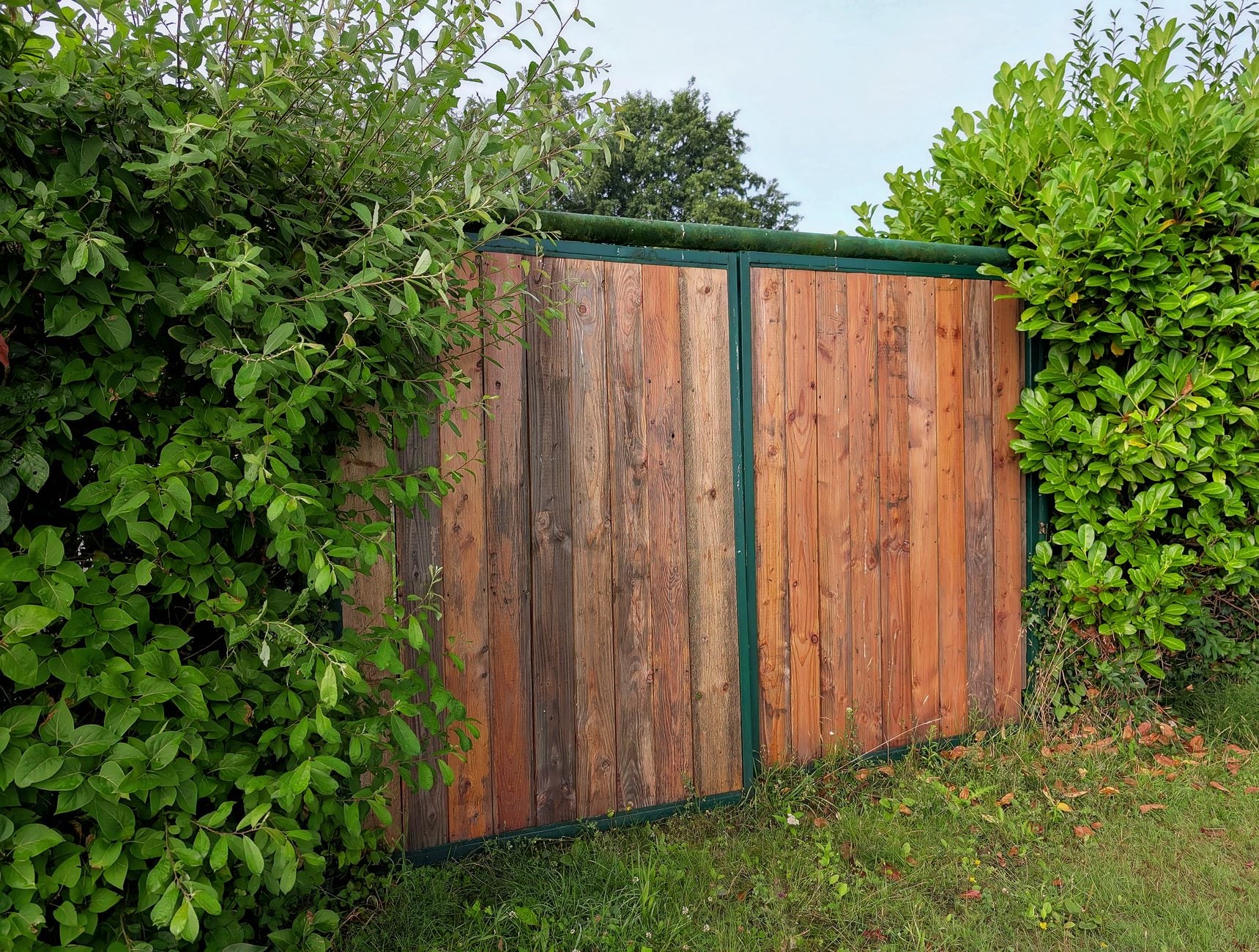
Fencing mistakes tend to compound, since a wrong measurement or a poor material choice early on resurfaces later as an uneven or short-lived boundary. Working through style, size, and installation planning in the right order remains the simplest way to avoid repeating the common errors outlined above.