7×5 vs. 13×4 Lace Wigs Understanding Klaiyi’s Lace Closure Formats
7x5 or 13x4? A closer look at how Klaiyi Hair's lace closure sizes, knot types, and pre-finished hairlines actually differ. 💇♀️
Experienced wig wearers often move past the basic glueless-versus-glued debate and start asking sharper questions about lace closure sizes wigs come in, since coverage width and application method change how a unit sits, parts, and lasts. Klaiyi Hair (US) offers both 7×5 and 13×4 lace formats across several of its human hair lines, and the two are not interchangeable. The sections below break down what separates them, along with the finishing details that shape how each wears.
Lace Panel Measurements: What the Numbers Actually Mean
The numbers in a lace closure size describe the measurements of the lace panel in inches, typically width by depth. A 7×5 panel is a compact rectangle positioned over the crown and front hairline, while a 13×4 panel stretches further across the forehead, ear to ear. That difference changes where a part can sit and how much lace shows once the wig is on.
Klaiyi Hair (US) lists both formats across overlapping styles, including bob cuts, layered looks, and longer textured pieces. Some listings, such as a Light Yaki Straight bob, come in both 7×5 and 13×4 versions of the same style, which allows a direct comparison on one design. That overlap is useful because it isolates the lace format as the variable, rather than mixing it with a change in color or texture.
The 7×5 Lace: Coverage and No-Slip Design in Klaiyi Wigs
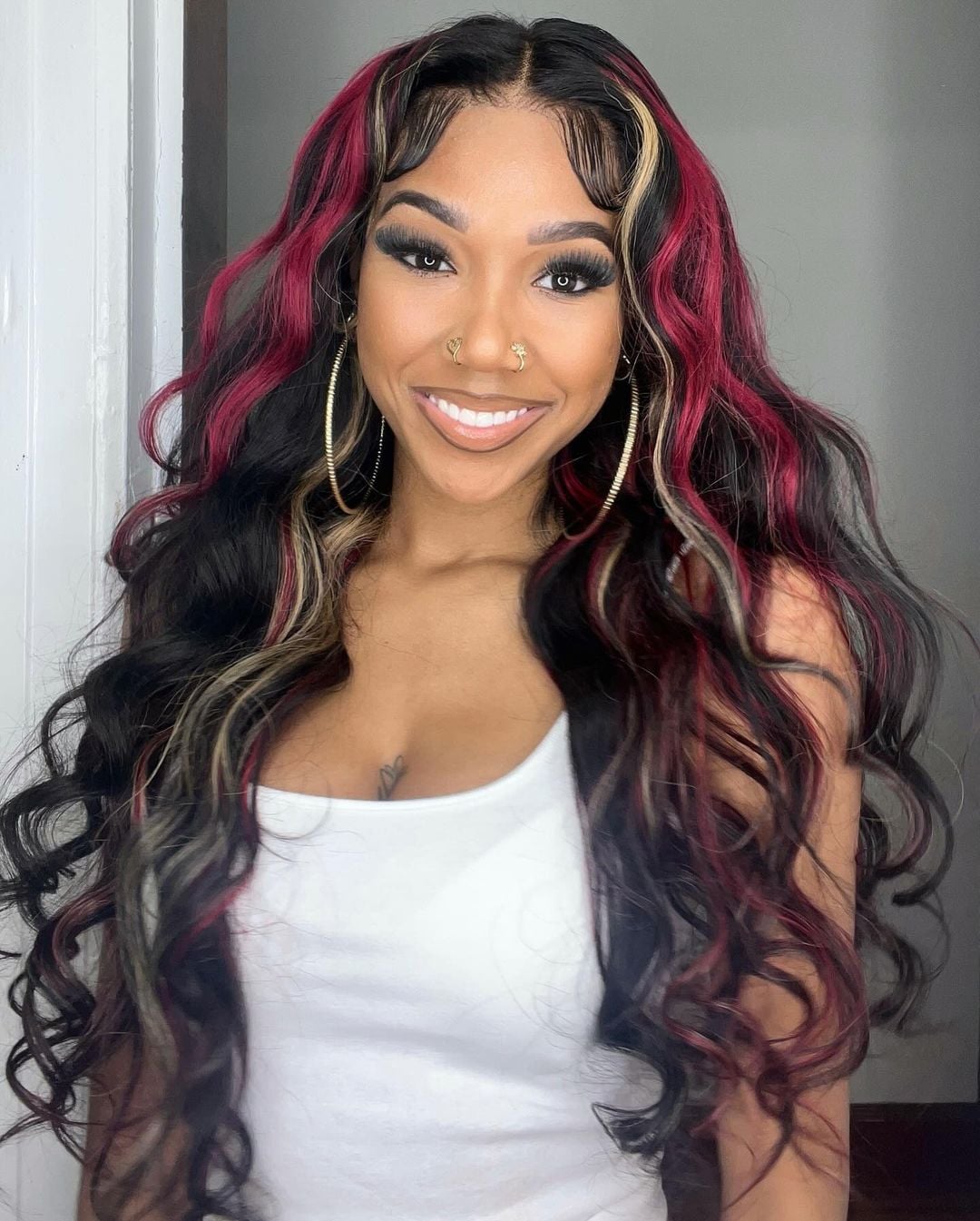
Several 7×5 pieces from Klaiyi Hair (US) carry a No-Slip Cap description, which pairs the smaller lace panel with a drawstring-based fit. Product listings reference a Flexi-Fit Drawstring and an Invisi Drawstring across different styles, both tied to the 7×5 construction. These drawstring features are presented as part of how the cap secures to the head without adhesive.
Because the 7×5 panel is narrower, it covers less forehead than a frontal-length lace but still allows a natural parting space at the front and crown. This format appears on curlier and wavier textures in the range, including a Burmese Curly style with finger coil ends, as well as on straight bobs. The compact lace size keeps the cap construction simpler, which pairs with the no-slip fit claim rather than a separate adhesive step.
The 13×4 Lace: Extended Front Coverage and Styling Range

The 13×4 format extends coverage across a wider stretch of the front hairline, a standard lace frontal measurement used across the wig category generally. The brand applies this size to styles such as a 3D Fluffy Body Wave wig with curtain bangs and layers, and to a Light Yaki Straight bob offered alongside its 7×5 counterpart. A longer lace panel like this generally gives more room to shift a part from center to a deep side part without exposing the wig base.
Because the 13×4 panel covers more of the perimeter, styles built on it tend to suit looks with face-framing layers or curtain bangs, where the hairline needs to read naturally from multiple angles. The 13×4 Pre-Everything Lace Frontal Wig listing applies this format to a body wave texture with ombre highlight coloring. That combination of longer lace and textured styling is where the extended coverage of this format becomes most apparent among the various lace closure sizes wigs in the lineup offer.
Lace Closure Type: Bye Bye Knots vs. Standard Bleached Knots
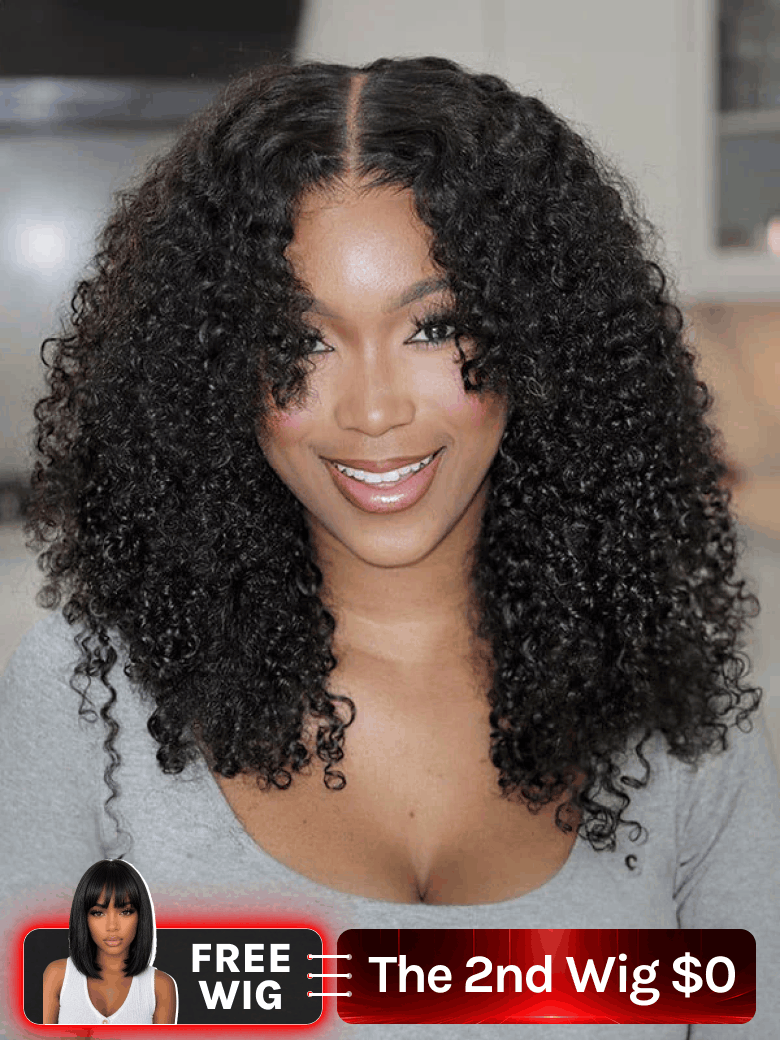
Klaiyi Hair (US)‘s range includes a Bye Bye Knots construction alongside the more common standard bleached-knot lace, which still shows up on many 7×5 and 13×4 pieces that are not labeled Bye Bye Knots. On individual product pages, the knot type is listed as its own spec field, separate from circumference and density, so it can be checked independently of the panel measurement. Several 7×5 listings, including an Ash Brown with Beige Blonde Highlights straight style and a Black Cherry Burmese Curly piece, specifically carry the 7×5 Bye Bye Knots designation. The 13×4 category also appears paired with Bye Bye Knots on at least one bob listing that offers both lace sizes on the same cut.
The distinction between the two knot types sits alongside, rather than instead of, the lace closure size choice, since either knot construction can show up on either panel measurement. That means a shopper comparing lace closure sizes wigs offer from this brand is really weighing two separate variables at once, panel size and knot finish.
Pre-Cut, Pre-Plucked, and Pre-Bleached Hairlines: What These Finishes Change
Many listings, across both 7×5 and 13×4 formats, describe the hairline as Pre-cut Lace, Pre-pluck, Pre-bleached, sometimes grouped under a Pre-Everything label. Those three finishing steps address the lace edge, the hair density along the front, and the knot color, respectively. Klaiyi Hair (US) applies this combination to styles such as the Light Yaki Straight Put On & Go wig and the Ombre Chestnut Brown Yaki Straight piece with Invisi Drawstring.
A pre-cut lace means the edge has already been trimmed close to the hairline before the wig ships. Pre-plucked refers to hair removed in a scattered pattern along the front to avoid a dense, blunt line. Pre-bleached describes lightened knots, which is also the finishing step that Bye Bye Knots construction is built to address through a different method.
- No-Slip 7×5 caps rely on drawstring mechanisms such as Flexi-Fit or Invisi Drawstring rather than adhesive, which changes the application steps compared to a frontal-style 13×4 unit.
- Bye Bye Knots lace is offered as an alternative to standard bleached knots on select 7×5 and 13×4 listings, rather than across the entire catalog.
- Pre-cut lace arrives already trimmed near the hairline, which removes one preparation step before a unit goes on.
- Pre-plucked hairlines are finished with a scattered hair pattern along the front edge rather than a dense, uniform line.
- Pre-bleached knots ship already lightened, while non-Bye-Bye versions still carry the standard bleached-knot construction described on many product pages.
Density and Hair Texture: How They Interact With Lace Size
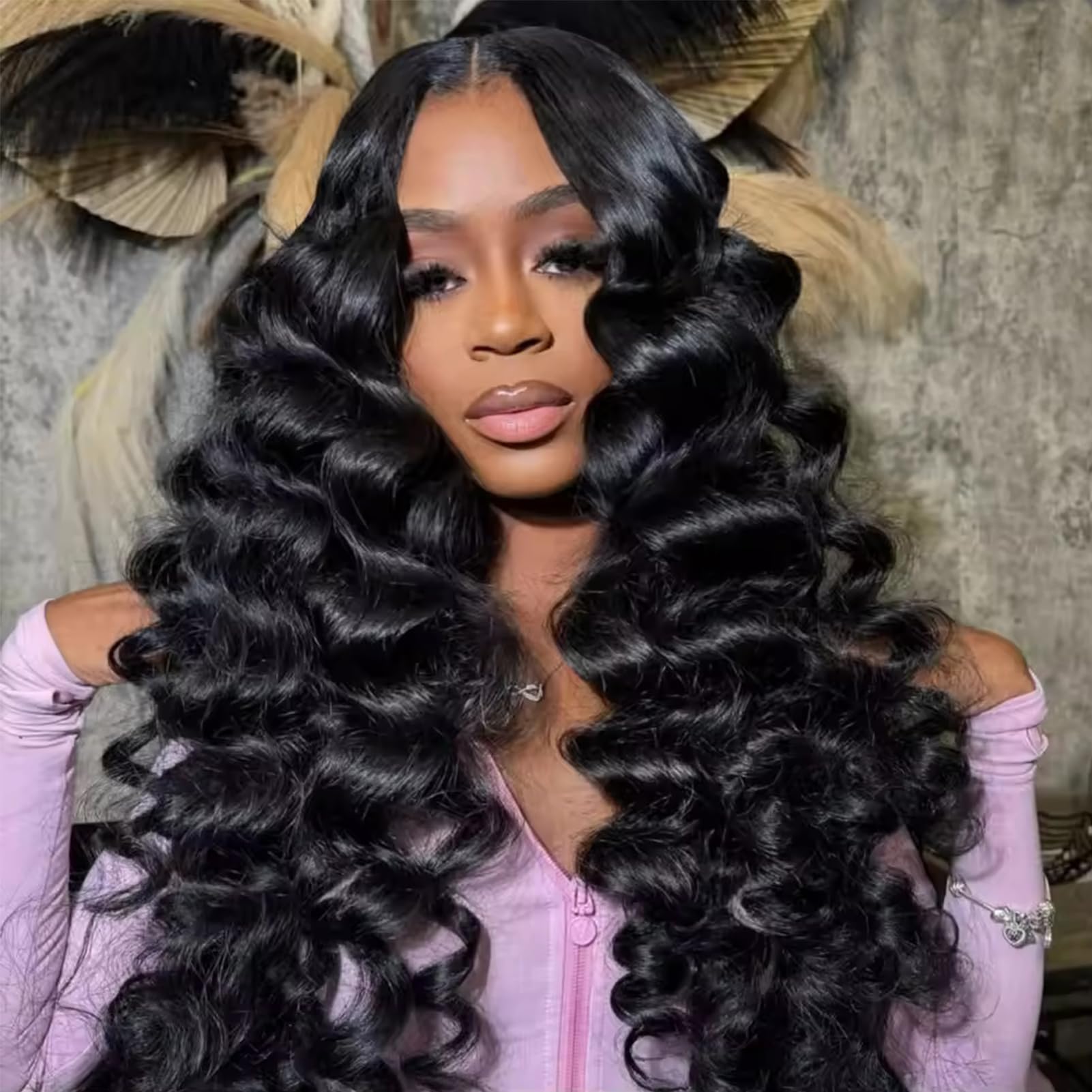
Density figures across the catalog include 150%, 180%, and 220%, depending on the style, and these numbers are listed alongside, not inside, the lace size. A 6×4 Lace Closure wave bob, for example, appears at 220% density, while several 7×5 styles are listed at 150%. That means density and lace format are chosen separately, and the two do not move together automatically.
Texture also varies independently of lace size, with Yaki Straight, Burmese Curly, body wave, and layered blowout wavy bob styles all appearing under both the 7×5 and 13×4 headings. A curlier texture at a given density can read fuller near the hairline than a straight texture at the same density, simply because of how the strands sit. Comparing lace closure sizes wigs offer side by side, without accounting for density and texture, only tells part of the story.
Choosing between the two formats ultimately comes down to how much hairline coverage a style calls for and which knot and hairline finish matches the texture in question.