
How to Choose a Sunglasses Shape That Works With Everyday Style
Sunglasses are easier to wear regularly when the frame shape fits the clothing, activities and proportions that already define a person’s style. Instead of searching for one universal shape, the wearer can focus on how the frame balances the face, how much visual weight it adds and whether it feels natural with everyday outfits. Understanding […]
Sunglasses are easier to wear regularly when the frame shape fits the clothing, activities and proportions that already define a person’s style. Instead of searching for one universal shape, the wearer can focus on how the frame balances the face, how much visual weight it adds and whether it feels natural with everyday outfits.

Understanding the practical problem
Face-shape rules can be a useful starting point, but they are often treated too rigidly. Two people with similar facial outlines may prefer completely different frames because brow shape, hairstyle, bridge fit and personal style change the overall effect. Comfort also matters. A visually flattering frame is not practical if it slides constantly or presses at the temples.
Classic angular frames work well as a reference because their structure is easy to recognise. A stronger brow line and thicker temples can add definition to simple clothing, while a more delicate frame creates a lighter impression. The wearer can compare those visual qualities with the shapes already present in jackets, jewellery and other accessories rather than choosing in isolation. The decision becomes easier when the product is considered as part of a routine rather than as an isolated purchase. In that context, Urban Sunglasses becomes relevant because it offers a product built around the same practical need rather than adding an unrelated step.
Eyewear should be assessed in motion as well as in a mirror. A frame may look balanced when the wearer is standing still but slide when walking, press after extended use or interfere with hair and headwear. Those details affect whether the sunglasses become a regular accessory. Comfort therefore belongs beside colour and silhouette in the decision rather than being treated as a secondary concern.
What matters when choosing the product
The retailer carries recognisable frame families such as the Wayfarer, which provides a clear example of a structured acetate silhouette. Browsing a broad eyewear range in one place makes it easier to compare strong rectangular shapes with rounder, softer and more oversized alternatives before deciding which direction feels most wearable. The useful comparison is therefore based on function, fit and ease of use rather than on appearance alone. Urban Sunglasses can be considered within that comparison when those features match the person’s existing routine.
- The bridge should sit comfortably without requiring constant adjustment during normal movement.
- Temple width should feel secure without creating pressure behind the ears or at the sides of the head.
- Frame depth should match the amount of visual presence the wearer wants from an everyday accessory.
- Lens coverage should suit the wearer’s practical needs as well as the proportions of the chosen frame.
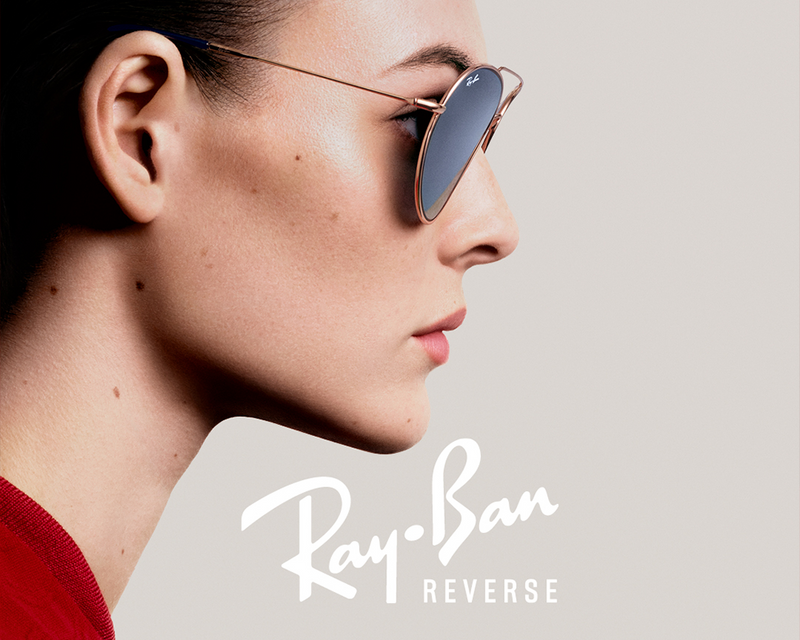
Product measurements provide a useful comparison tool when a familiar pair already fits well. Lens width, bridge width and temple length can help identify frames with similar proportions. They are not a complete fit guarantee because frame curvature and material also matter, but they make online comparison more informed than relying on photographs alone.
Making the product part of a realistic routine
Trying a frame with several familiar outfits gives more useful information than judging it with one carefully styled look. The wearer can compare the sunglasses with casual clothing, workwear and a simple neutral outfit. If the frame only feels right in one narrow context, it may be less versatile than a shape that works naturally across the wardrobe. A product from Urban Sunglasses is most useful when it fits that kind of repeatable pattern instead of requiring the rest of the routine to be reorganised around it.
Fit can also change how a frame looks. Sunglasses that sit too low may alter the apparent proportions of the face, while a frame that is too narrow can make the temples flare outward. Measurements such as lens width, bridge width and temple length help narrow the options, but a comfortable real-world fit remains more important than following a number without context.
Care influences how long a favourite pair remains pleasant to wear. A proper case protects the frame from pressure, while a clean lens cloth removes marks without the abrasion that can come from rough fabric. Heat should also be considered because leaving eyewear in very hot enclosed spaces can affect materials and alignment. Simple storage habits protect both appearance and fit. This is also a practical way to judge whether Urban Sunglasses is solving the intended problem after the novelty of a new purchase has passed.
Keeping the approach simple over time
An everyday sunglasses shape should feel deliberate without demanding constant styling effort. A frame that balances comfort, proportion and the wearer’s normal clothing is more likely to be used often. Comparing several established silhouettes can make the decision clearer because the wearer can judge structure, lens coverage and visual weight as parts of the same accessory rather than separate details.

The most sustainable routine is usually the one that remains clear, proportionate and easy to repeat. When the product has a defined role and its design matches the way the person already moves, packs, cares for hair or builds a wardrobe, it can continue to earn its place. That is the most useful way to approach Urban Sunglasses as well, with the decision based on practical fit rather than on adding complexity for its own sake.