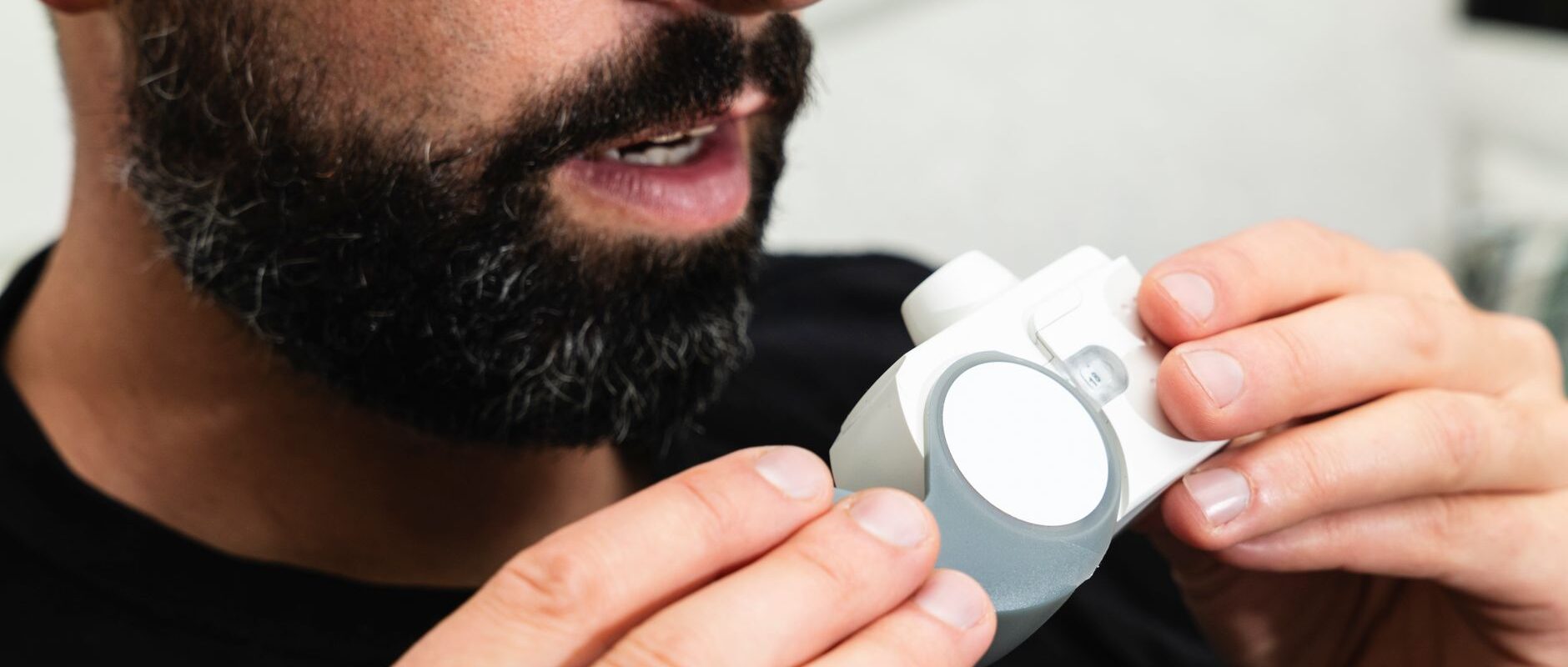
The Science of Calm Inside the Technology Revolutionising Nervous System Medicine
Explore the science behind vagal stimulation technology and how Pulsetto implements decades of neuroscience research into an accessible, consumer-grade device that delivers measurable physiological improvements.
For centuries, medical science approached the nervous system as a black box, a mysterious collection of signals and impulses that seemed to resist direct intervention. Today, decades of neurobiological research have revealed something remarkable the vagus nerve, a single structure that connects your brain to nearly every vital organ, can be precisely stimulated to produce measurable, repeatable physiological changes. This discovery has moved from laboratory settings into consumer technology, democratising an approach that was previously available only in clinical environments or to those willing to undergo invasive procedures.
Understanding the Parasympathetic Network
Your nervous system operates through two primary modes. The sympathetic system is your accelerator, the fight-or-flight response that floods your body with adrenaline and cortisol when facing threat or challenge. The parasympathetic system is your brake, activating the rest-and-digest response that lowers heart rate, deepens breathing and shifts blood flow toward recovery and digestion. Modern life chronically overactivates the sympathetic system, leaving most people in a state of persistent partial activation that they accept as normal.
The vagus nerve is the primary highway for parasympathetic signalling. When you stimulate it appropriately, you are essentially sending a powerful signal from your brainstem through the vagal pathway that tells your entire body to shift into restoration mode. Pulsetto implements this through transcutaneous vagus nerve stimulation, a technology that applies gentle mechanical vibration to the vagal pathway in the neck, activating the nerve without pain, discomfort or systemic side effects.
From Laboratory Studies to Consumer-Grade Technology
The clinical evidence supporting vagus nerve stimulation is extensive and growing. Decades of neuroscience research have documented its effects on heart rate variability, cortisol levels, inflammation markers, sleep architecture and mood. What makes this moment in history unique is that these therapeutic mechanisms are now accessible through elegant, portable devices that work within minutes and cost a fraction of what clinical interventions used to demand.
The technology behind Pulsetto is deceptively simple from a user perspective but sophisticated in its engineering. The device generates precisely calibrated vibration patterns delivered to the neck via a wearable interface. The vibration frequency and intensity are optimised based on research into vagal stimulation thresholds, delivering effective stimulation without triggering pain responses. An accompanying mobile app allows users to select from multiple stimulation modes, track outcomes and adjust settings based on their response patterns.
How Stimulation Patterns Produce Different Outcomes
Not all vagal stimulation is identical and Pulsetto reflects this understanding through mode-specific stimulation protocols. Calm Mode uses a sustained stimulation pattern optimised to activate the parasympathetic response without producing drowsiness. Sleep Mode alters the pattern to encourage deep sleep initiation and maintenance. Release Mode targets emotional regulation through a pattern that supports processing and release of tension. Focus Mode adjusts stimulation to enhance mental clarity without overstimulation. Stress Mode delivers acute intervention for moments of crisis activation.
The specificity of these patterns reflects years of research into how different vagal stimulation frequencies produce different neurophysiological outcomes. A faster stimulation pattern tends to enhance alertness and focus. A slower, more rhythmic pattern promotes relaxation. Intermittent patterns support emotional processing. By modulating these variables, Pulsetto allows users to select outcomes rather than accepting a one-size-fits-all intervention.
The Measurable Cascade of Physiological Changes
When the vagus nerve receives appropriate stimulation, a coordinated sequence of changes unfolds. Parasympathetic activation increases, often within seconds. Heart rate variability increases, indicating greater flexibility in nervous system response. Cortisol and other stress hormone levels decline, typically measurable within minutes for acute effects and over hours for longer-term changes. Inflammation markers decrease. Digestion and immune function optimise. Sleep architecture improves. These changes are not mysterious or speculative. They are directly measurable through standard physiological monitoring.
The clinical evidence is compelling. A study reported that regular Pulsetto users experienced a 56 percent reduction in stress metrics and a 41 percent improvement in sleep quality within four weeks. Larger clinical trials have shown similar outcomes. More importantly, these benefits compound. Early inconsistent users see modest benefits. Those who integrate it into a daily routine, using it twice daily for multiple weeks, report transformation in their baseline stress levels, sleep quality and emotional resilience.
Integration with Broader Wellness Technology
Vagal stimulation is not a replacement for other evidence-based interventions like sleep hygiene, exercise, nutrition and stress management practices. Instead, it serves as a biological accelerator that makes these other interventions more effective. When your nervous system is already optimally regulated, meditation becomes deeper, sleep becomes more restorative, exercise becomes more effective and other wellness practices yield better outcomes.
The device integrates with standard health tracking ecosystems, allowing users to monitor correlations between stimulation patterns, usage frequency and measured outcomes like heart rate variability, sleep metrics and mood. This biofeedback loop helps users optimise their protocols over time, discovering which modes work best for their particular physiology and which usage patterns deliver maximum benefit.
The Future of Nervous System Medicine
What Pulsetto represents is a broader shift in medical thinking. Rather than waiting for disease to develop and then treating symptoms, we can now directly regulate the autonomic nervous system, addressing root cause pathophysiology before illness emerges. The implications are profound a world where stress-related disease becomes preventable, where sleep disorders can be addressed through nervous system regulation rather than sedation, where emotional resilience becomes a trainable skill supported by technology.
Technical specifications that support this approach
- Transcutaneous stimulation uses externally applied vibration rather than implants or injections, making it non-invasive, reversible and accessible.
- Frequency-modulated patterns allow mode-specific outcomes without requiring multiple devices or complex calibration.
- Mobile app integration enables protocol adjustment, outcome tracking and optimisation based on real user data.
- FCC and CE certification confirms that the device meets international safety standards and that claimed performance characteristics are validated.
- A 30-day money-back guarantee and 2-year warranty demonstrate manufacturer confidence in product efficacy and durability.