What Makes LumyHealth Worth a Look for At-Home Red Light Therapy?
Buying wellness equipment for home can be surprisingly difficult. You start out looking for one simple device and, twenty minutes later, you are comparing wavelengths, panel sizes, masks, wraps, mats, and features you did not even know existed. Red light therapy has reached that stage. There are now plenty of ways to try it without […]
Buying wellness equipment for home can be surprisingly difficult. You start out looking for one simple device and, twenty minutes later, you are comparing wavelengths, panel sizes, masks, wraps, mats, and features you did not even know existed.
Red light therapy has reached that stage. There are now plenty of ways to try it without regularly visiting a clinic, but choosing a device that actually suits your lifestyle takes a little more thought. LumyHealth stands out partly because it does not treat at-home light therapy as a one-device-fits-everyone situation.
Its range covers everything from larger therapy setups to products made for very specific areas of the body.
Start With What You Actually Want to Use It For
Before comparing products, it helps to forget about specifications for a moment and think about your routine.
Are you mainly interested in red light skincare? Do you want something you can use after workouts? Would you prefer full body red light therapy, or are you only looking to target one particular area?
Those answers can quickly narrow things down.
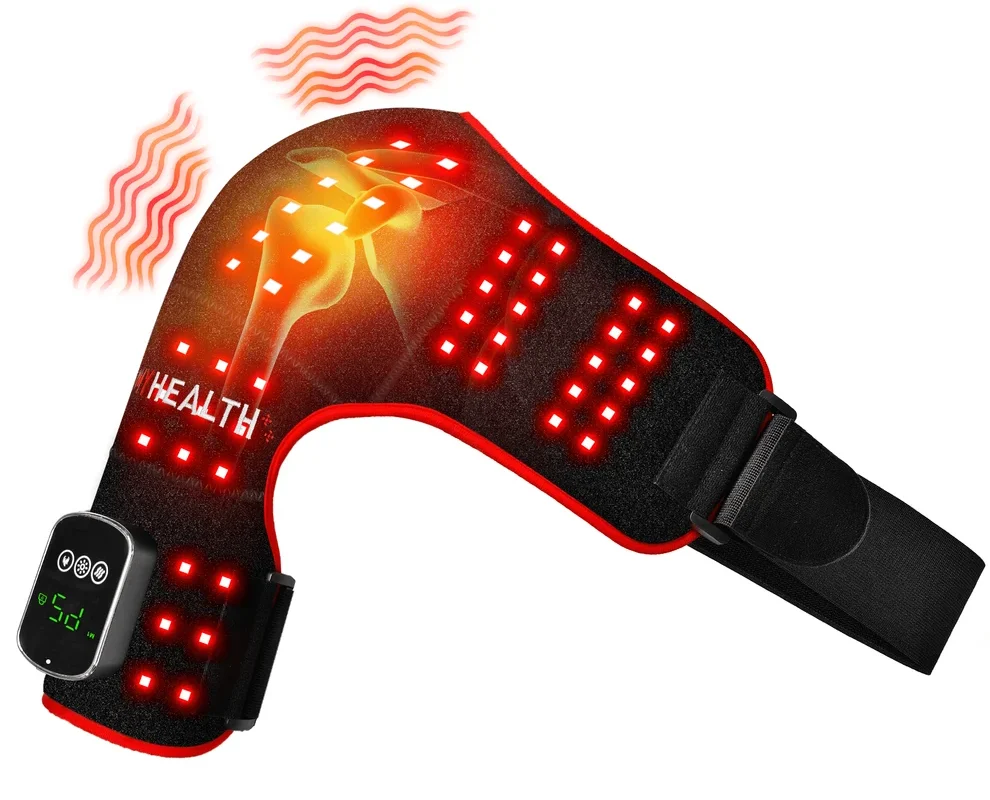
Someone focused on their face, for example, probably does not need to start with a large red light panel. An LED face mask is designed around a completely different kind of session. Likewise, a person who wants targeted light therapy for their shoulders or another specific area may find a wearable option more practical.
This is where the selection from LumyHealth becomes useful. Instead of forcing one type of equipment into every routine, you can look at devices based on where and how you plan to use them.
Some Devices Are Much Easier to Live With Than Others
A wellness product can sound fantastic online and still become something you rarely touch after a month.
Size is often part of the problem. So is setup. If using a device involves moving furniture, finding the right position, and setting aside a dedicated chunk of time, enthusiasm can disappear pretty quickly.
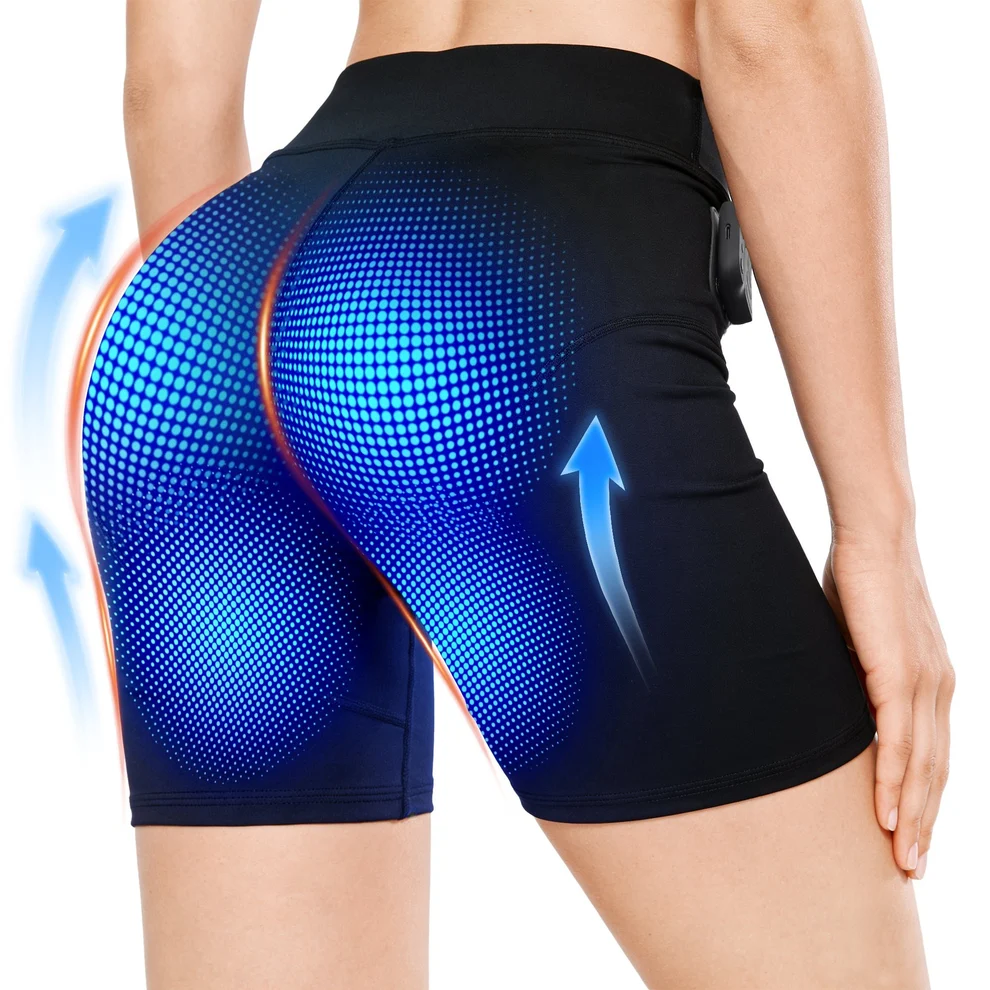
LumyHealth offers smaller wearable options alongside mats and therapy panels. Wraps, pads, gloves and boots can make more sense for people who want something focused and relatively easy to incorporate into their day.
A red light therapy mat, on the other hand, may suit someone who prefers longer sessions with much broader coverage. Neither format is automatically the better choice. It comes down to which one you will realistically use.
Red Light and Infrared Are Worth Understanding
You will often see red and near infrared light mentioned together when researching home light therapy.
They are not simply two names for exactly the same thing. Different wavelengths interact with the body at different depths, which is why many devices combine them. Understanding the basic difference between red light therapy and infrared light therapy can make product descriptions much easier to evaluate.
Rather than getting caught up in every technical term, check the wavelengths offered by the particular device you are considering. LumyHealth has several device styles, so specifications should be checked on the individual product rather than assuming every item works in precisely the same way.
It is also worth reading the recommended usage instructions before buying. A device only fits your lifestyle if its suggested sessions fit too.
Think Beyond the First Week
The first few days with any new wellness device are usually easy. It is new, you are curious, and remembering to use it takes almost no effort.
Week six is the better test.
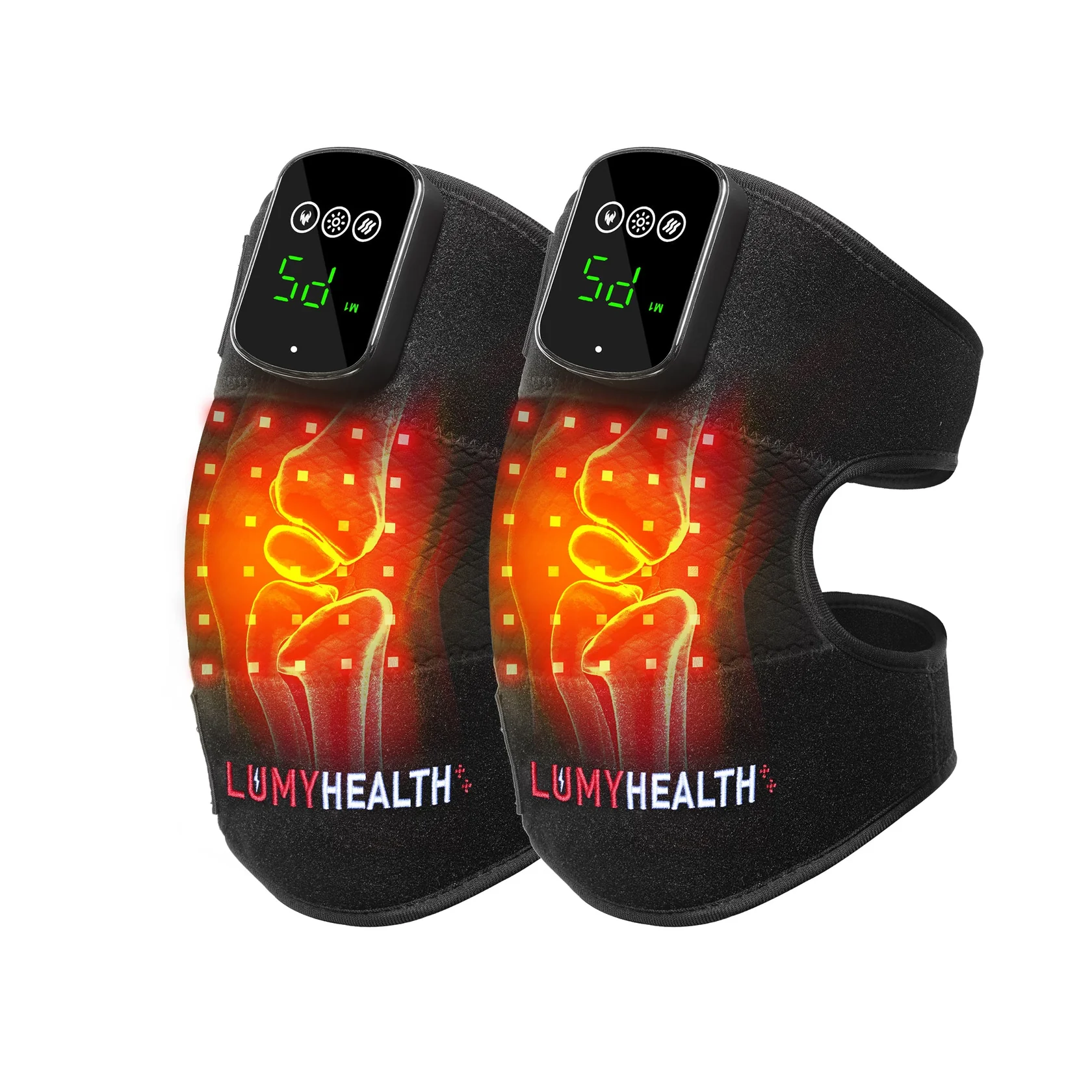
Can you picture yourself still getting the device out regularly? Do you have somewhere sensible to store it? Can you use it comfortably while doing something else, or will every session require your complete attention?
These ordinary questions are often more useful than obsessing over a long specification sheet.
They also highlight one of the appealing things about LumyHealth. With choices ranging from a light therapy cap and face-focused devices to wraps, panels and larger mats, there is room to choose according to habit rather than hype.
A Better Way to Approach Home Light Therapy
At-home red light therapy becomes much easier to understand once you stop looking for a single device that is supposedly perfect for everyone.
The better question is what fits your goal, available space and normal routine. For some people, that could mean a compact wearable used several times a week. For others, investing in a larger setup may make more sense.
That variety is what makes LumyHealth interesting to explore. It gives you several ways to bring light therapy home without assuming everybody wants to use it in exactly the same way. And for something you may want to use consistently, finding the format that genuinely fits your life is a pretty sensible place to start.