LumyHealth Brings Red Light Therapy Out of the Clinic and Into Your Routine
There is a big difference between trying a wellness treatment once and actually making it part of your life. Red light therapy is a good example. Booking a professional session occasionally is easy enough, but keeping up with appointments can become another job on the weekly calendar. Home devices have changed that equation. Instead of […]
There is a big difference between trying a wellness treatment once and actually making it part of your life. Red light therapy is a good example. Booking a professional session occasionally is easy enough, but keeping up with appointments can become another job on the weekly calendar.
Home devices have changed that equation. Instead of planning your day around a session, brands such as LumyHealth are making it possible to bring red light therapy into the routines people already have.
And that shift from “appointment” to “routine” may be more important than it initially sounds.
What Changes When the Device Is Already at Home?
Imagine getting home after a long day and deciding you want a light therapy session. With a clinic, that decision would have needed to happen much earlier. At home, you can simply get your device out.
It might happen while watching an episode of something before bed. Someone else might prefer a session after exercising. For another person, an LED face mask could simply become part of their usual skincare routine.
This flexibility is one reason LumyHealth feels suited to people who like wellness products but do not want their entire schedule dictated by them.
You are not creating time for another appointment. You are finding a place for the device within time you already have.
Different People Need Different Kinds of Light Therapy
A single large machine would be limiting because not everyone approaches red light therapy for the same reason.
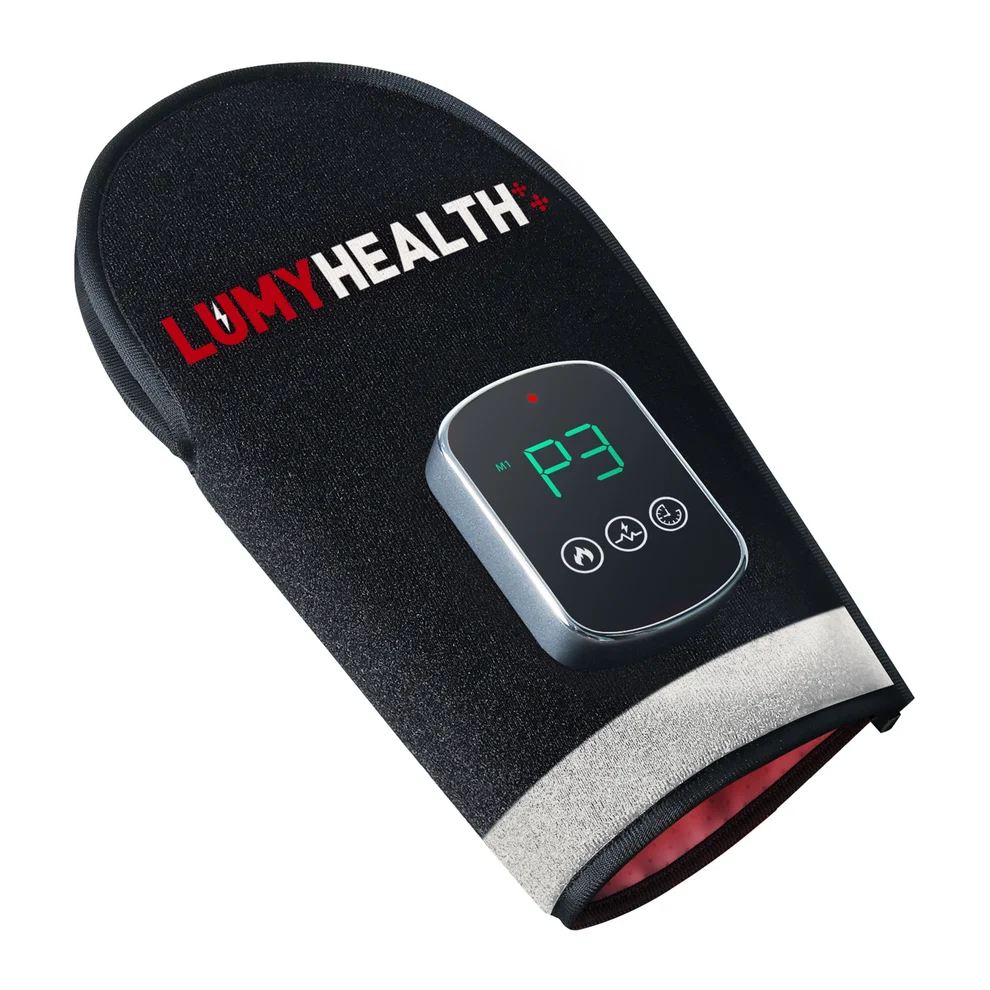
Some people are interested in full body red light therapy and want broad coverage. Others may prefer targeted light therapy for areas such as the shoulders, knees, hands, feet, or scalp. Skincare enthusiasts might be more interested in red light skincare and devices designed specifically for the face.
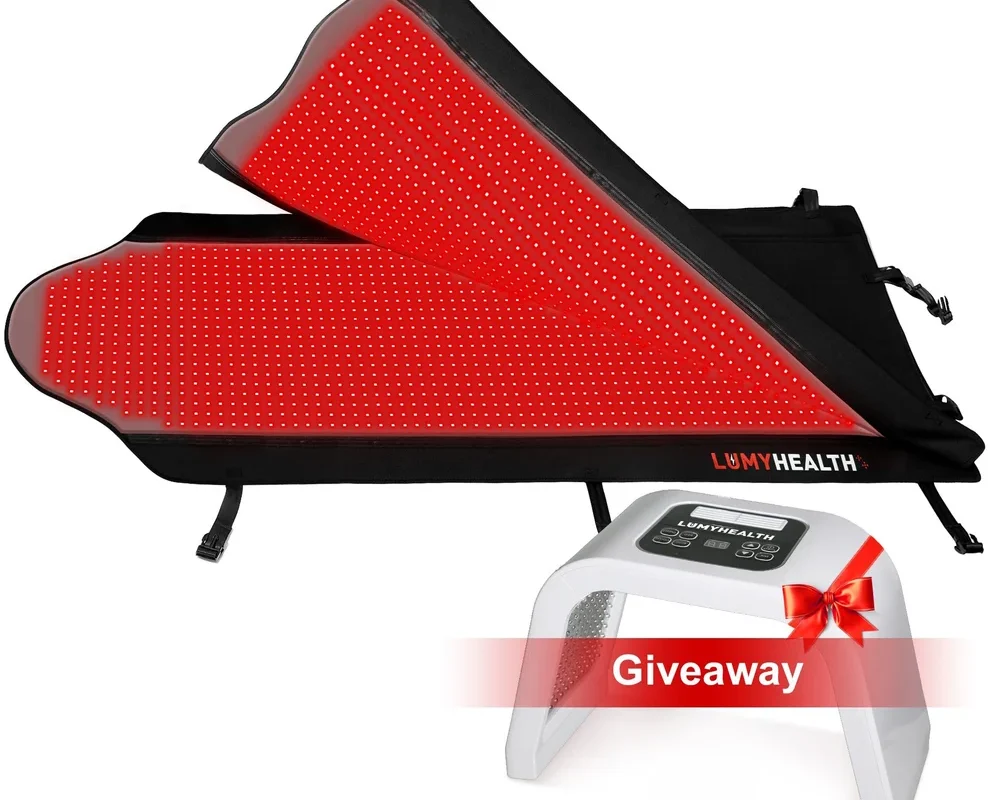
That variety is reflected in the LumyHealth range. There are larger options such as therapy mats and red light panels, alongside more focused products including wraps, pads, masks, gloves, boots, and light therapy caps.
It means you can start with the question, “Where would this actually fit into my life?” rather than simply asking which device has the longest feature list.
The Appeal of Something You Can Wear
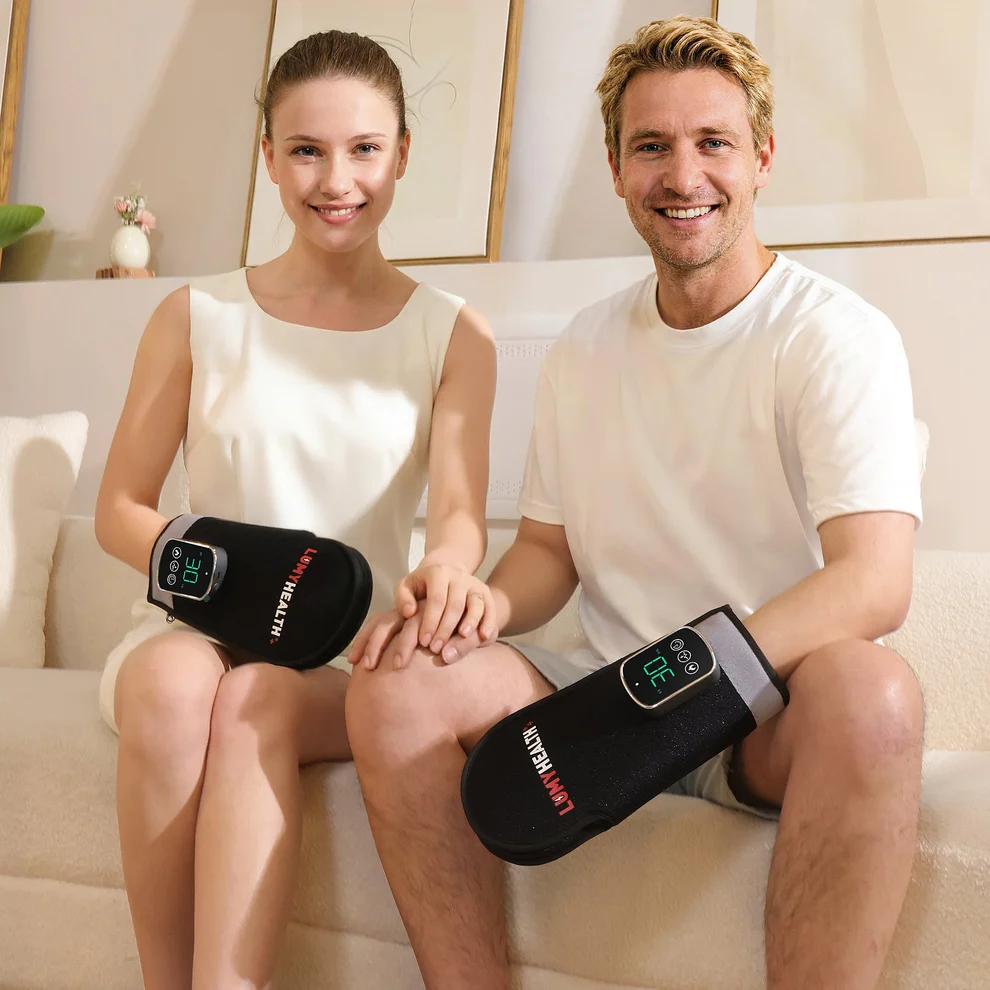
Wearable therapy devices deserve a little attention here because they solve an obvious problem with home wellness equipment: nobody wants to sit awkwardly beside a machine every evening.
A red light therapy wrap, for example, can focus on a particular area without requiring the same setup as a large stationary device. The same goes for products shaped specifically for hands or feet.
LumyHealth also offers options for people looking at infrared light therapy alongside red light wavelengths. For someone researching home light therapy, having different device styles makes it easier to match the equipment to its intended use.
Convenience may not sound as exciting as technical specifications, but it matters quite a lot after the first few sessions.
There Is Still Some Homework Worth Doing
Buying a home device should not mean picking the first product that appears on your screen. It helps to understand what you are getting and what you realistically expect from it.
Look at the treatment area first. A face mask and a full-body mat serve very different purposes. Consider the device dimensions, wavelengths, recommended session guidance, controls, and how comfortably it can be used.
It is also sensible to keep expectations realistic. At-home red light therapy is a wellness option, not a replacement for professional medical care. Anyone managing a medical condition or taking medication that may affect light sensitivity should speak with an appropriate healthcare professional before adding light therapy to their routine.
Making Wellness Fit Around You, Not the Other Way Around
Perhaps the more interesting change happening with red light therapy is not technological at all. It is behavioral.
Treatments that once required a dedicated trip can now happen at home. That removes one of the most common reasons people abandon new routines: inconvenience.
With LumyHealth, you can choose between products designed for broad coverage and devices made for specific areas of the body. That makes it easier to find something that suits your space, priorities, and daily habits.
A wellness routine does not need to take over your schedule to feel worthwhile. Sometimes the products that earn a permanent place at home are simply the ones that are easiest to reach for again tomorrow.