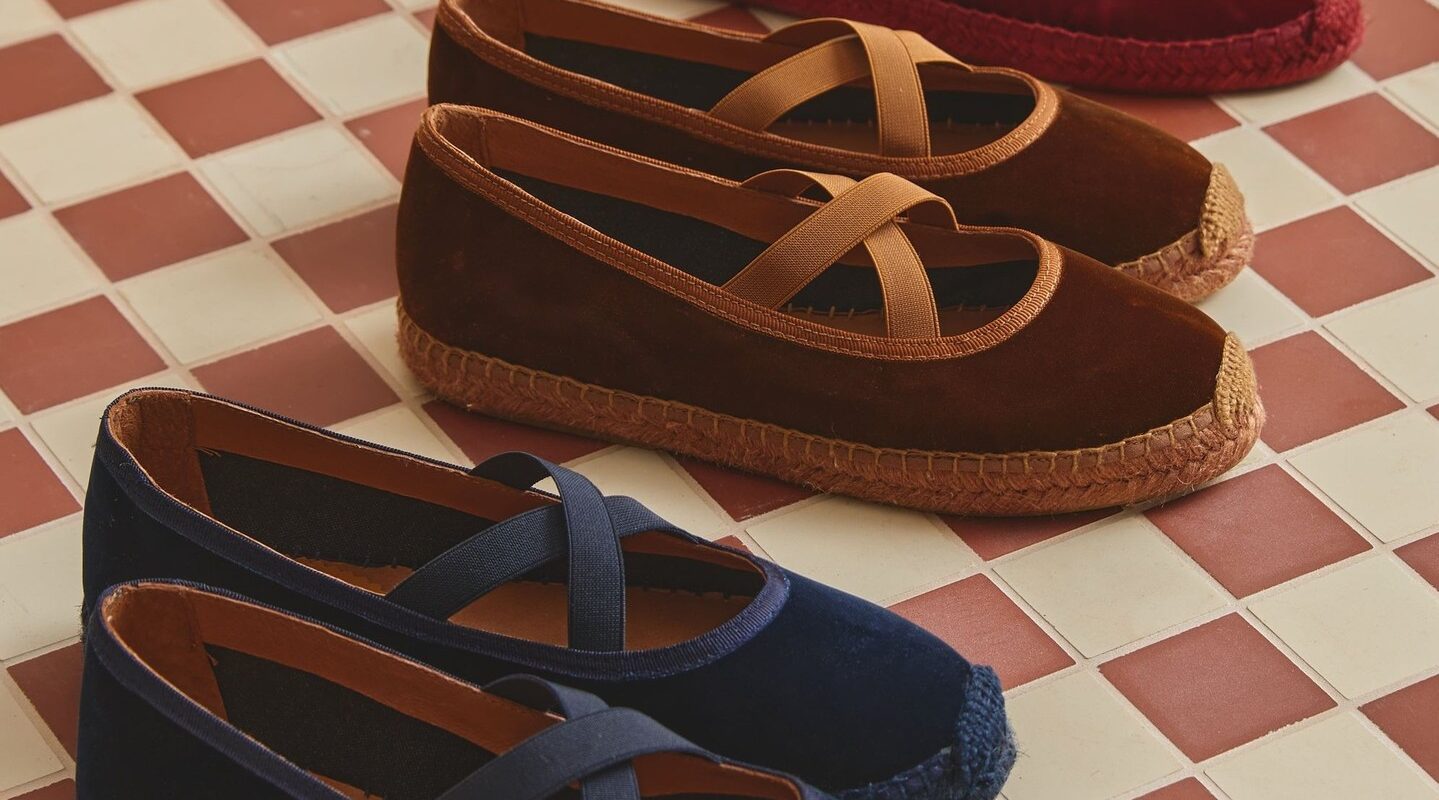
Building a Footwear Plan for City Days, Country Walks and Dressed Events
A small footwear wardrobe can handle very different occasions when each pair has a clear purpose. Comfort, weather and the surface underfoot matter more than owning a separate shoe for every possible outfit. The Day Begins With the Ground City pavements ask for cushioning, stability and enough grip for wet crossings or polished station floors. […]
A small footwear wardrobe can handle very different occasions when each pair has a clear purpose. Comfort, weather and the surface underfoot matter more than owning a separate shoe for every possible outfit.
The Day Begins With the Ground
City pavements ask for cushioning, stability and enough grip for wet crossings or polished station floors. Country paths may add mud, loose stones and uneven edges. A dressed event can involve smooth indoor flooring followed by a long walk from transport or a period of standing. The shoe should be chosen for the least convenient part of the day, not only for the moment when photographs are taken.
A buyer browsing Penelope Chilvers can compare boots, flats or other footwear by thinking through a complete route. The useful questions involve sole grip, heel shape, fastening and the amount of room around the toes. A beautiful pair that works for a seated dinner may not suit a city itinerary with several stops. The same pair could still be worthwhile when its occasion is understood and another walking option is available.
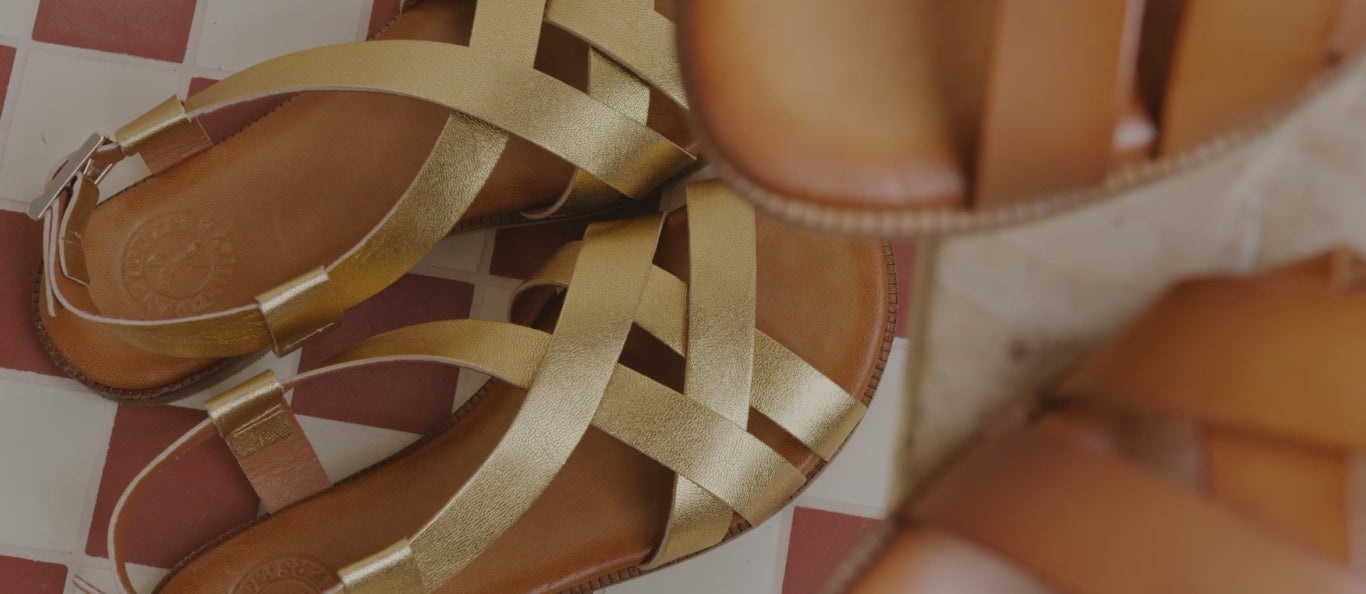
Weather changes the calculation. Water resistance should not be assumed from appearance. Decorative leather may need different care from a rugged outdoor material. A buyer should read the product guidance and use protective treatments only when suitable. Socks also affect fit, warmth and friction. Trying footwear with the type of sock expected for the occasion gives a more honest result.
Fit Needs More Than a Size Number
Feet can differ in width, arch shape and volume even when the length seems straightforward. A narrow toe box may create pressure during a long walk, while a loose heel can rub with every step. The buyer should assess both feet and move on the type of surface that the return policy permits. A pair that feels acceptable while standing still may behave differently on stairs or during a brisk walk.
Someone considering Penelope Chilvers can review sizing guidance and the construction of a style before deciding. Fastenings can offer useful adjustment, though they cannot correct every mismatch. Insoles may change the internal volume and should be tested carefully. A shoe should not depend on painful breaking in. Materials may soften, but a clear pressure point is a warning rather than a challenge.
Occasion footwear deserves the same honesty. A person attending a wedding, dinner or work event may spend more time standing than expected. A lower stable heel or supportive flat can look polished while reducing uncertainty. Carrying a spare pair can be sensible when the event includes travel, outdoor photographs or dancing. The backup is not a failure of style. It is planning for the full occasion.
Return and repair arrangements belong in the fit decision. A buyer should understand whether the shoe can be tried indoors, how long an exchange remains possible and whether a local specialist can replace a heel or sole when appropriate. Keeping packaging until fit is confirmed can make the process smoother. A pair that arrives just before an event should not be forced into service because there is no backup. Testing it during an ordinary outing gives the wearer more honest information.
A Four Pair Decision Test
- The city pair should remain comfortable through transport, pavements and indoor stops.
- The country pair should match the expected ground and the likely weather.
- The event pair should support standing as well as the planned level of formality.
- The travel pair should be easy to remove, pack and wear with several outfits.
- Every pair should have a realistic care routine that the owner will follow.
The test does not require exactly four purchases. One well chosen boot may cover city rain, country paths and casual travel. A shopper can use Penelope Chilvers as product placement within that broader plan, selecting a style because it fills a genuine gap rather than because it creates another nearly identical option. Versatility should be judged through real outfits and routes, not through vague promises.
Care Keeps Good Footwear Ready for the Occasion
Footwear lasts more comfortably when dirt and moisture are handled after use. Mud should be removed according to the material guidance, while wet shoes need gentle drying away from direct heat. Stuffing them with suitable paper can help absorb moisture and maintain shape. Strong heat may damage leather, adhesives or finishes. A short care routine after a walk prevents a rushed cleaning before the next event.
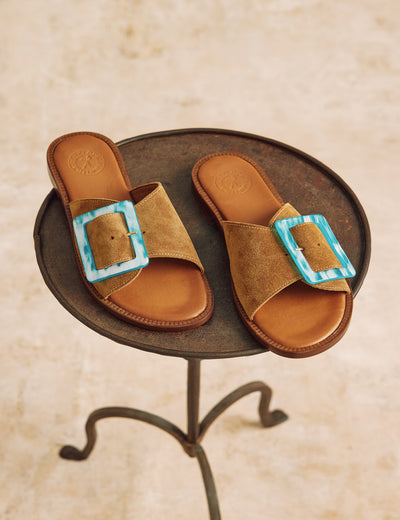
Storage should allow air and protect shape. Boots may benefit from support so shafts do not collapse, while delicate surfaces need separation from rough hardware. Travel bags should keep soles away from clothing. A small cloth or brush can make a versatile pair easier to refresh during a trip. These details matter when one pair is expected to move between casual and dressed occasions.
The most useful purchase is the pair that earns regular wear without creating pain or maintenance that the owner dislikes. Penelope Chilvers can be considered when a style fits the route, the wardrobe and the care routine already planned. A thoughtful footwear choice lets the wearer move from pavement to path or dinner with fewer compromises and fewer neglected shoes.