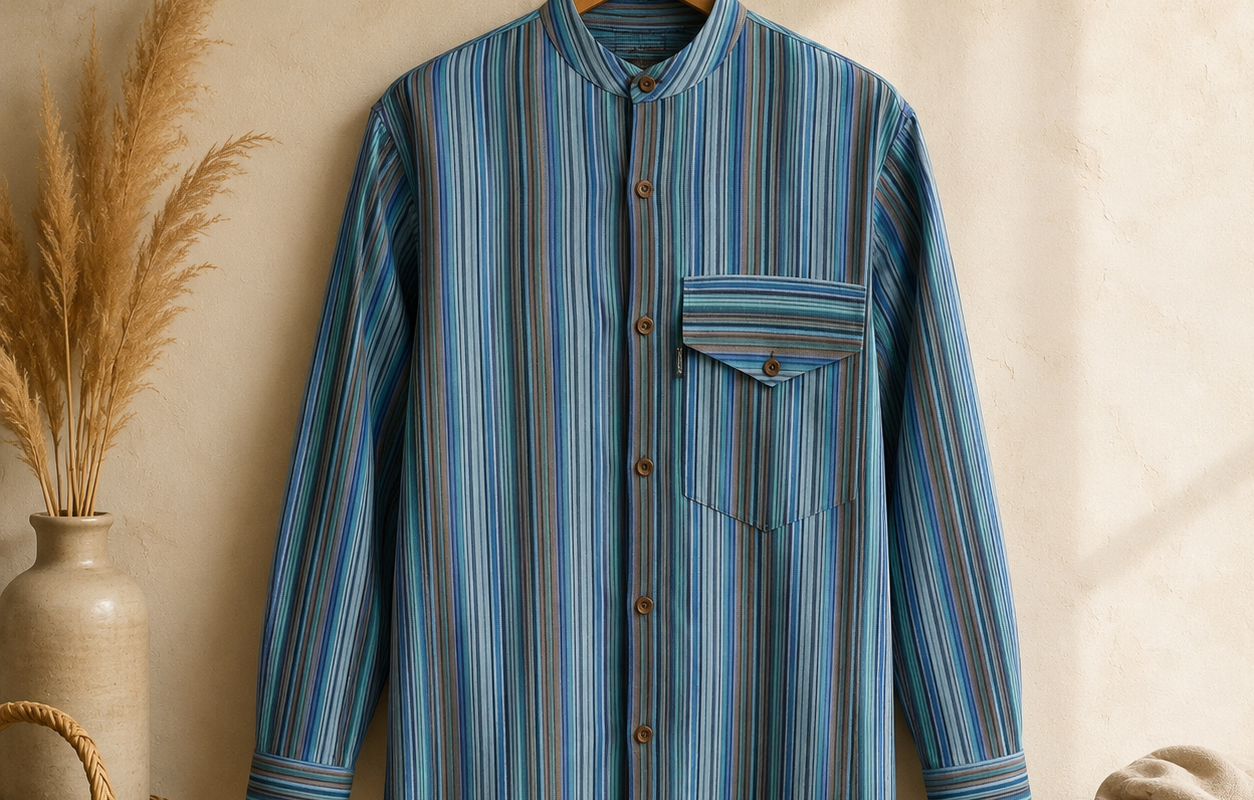
SHAMTAM Fashion Sustainable Style Meets Crafted Quality in Every Piece
Fashion retail has bifurcated into extremes ultra-fast disposable trends from multinational chains or extreme luxury requiring five-figure investments. The middle vanished, replaced by an uncomfortable choice between ethical compromises or inaccessible price points. SHAMTAM emerges from this gap with a different model thoughtfully designed clothing using quality materials and sustainable practices without the presumption that […]
Fashion retail has bifurcated into extremes ultra-fast disposable trends from multinational chains or extreme luxury requiring five-figure investments. The middle vanished, replaced by an uncomfortable choice between ethical compromises or inaccessible price points. SHAMTAM emerges from this gap with a different model thoughtfully designed clothing using quality materials and sustainable practices without the presumption that style requires conspicuous spending. The philosophy rejects trend cycles entirely, instead offering versatile pieces that work across seasons and styles, justifying their cost through years of reliable wear.
The fashion industry produces environmental devastation at staggering scale, yet consumers often underestimate their own contribution. A shirt rarely costs in true environmental or labor terms; the price reflects externalities dumped onto developing nations and vulnerable workers. This collection approaches sustainability honestly, sourcing materials responsibly and maintaining transparent production practices. This transparency builds confidence that premium pricing reflects genuine quality and ethical standards rather than designer markup. When you know exactly where your clothes come from and who made them, the purchase becomes ethically coherent.
Material Science and Garment Longevity
Clothing quality manifests in fiber composition, weave density, seam construction and finish details invisible at purchase but apparent after six months of actual wear. Budget garments use cheap fabrics prone to pilling, loose seams that unravel with repeated washing and dyes that fade unpredictably. SHAMTAM invests in superior materials, natural fibers with longevity records, professional-grade construction and dyes selected for color stability. These differences don’t announce themselves; they emerge through seasons of wearing, when budget alternatives have already faded or deteriorated while pieces gain character.
Natural fibers provide superior properties compared to synthetic blends. Organic cotton breathes better than polyester blends, linen becomes softer with age rather than stiffer and wool provides temperature regulation that no synthetic fully replicates. The commitment to natural materials reflects both performance quality and environmental consciousness, prioritizing renewable resources over petroleum-derived synthetics whenever possible. The sensory experience of wearing quality natural fiber, how it feels against skin, its breathability in summer, its warmth in winter, creates daily satisfaction that cheap synthetics simply cannot match.
Design Principles Versatility Over Trends

- Classic silhouettes designed to complement multiple styles across years rather than seasons.
- Neutral colorways that coordinate with existing wardrobes without requiring seasonal replacement.
- Quality construction details that remain invisible but improve durability and garment longevity.
- Sustainable material sourcing with transparent labor practices across production.
- Ethical manufacturing standards ensuring fair wages and safe working conditions.
The Cost-Per-Wear Calculation
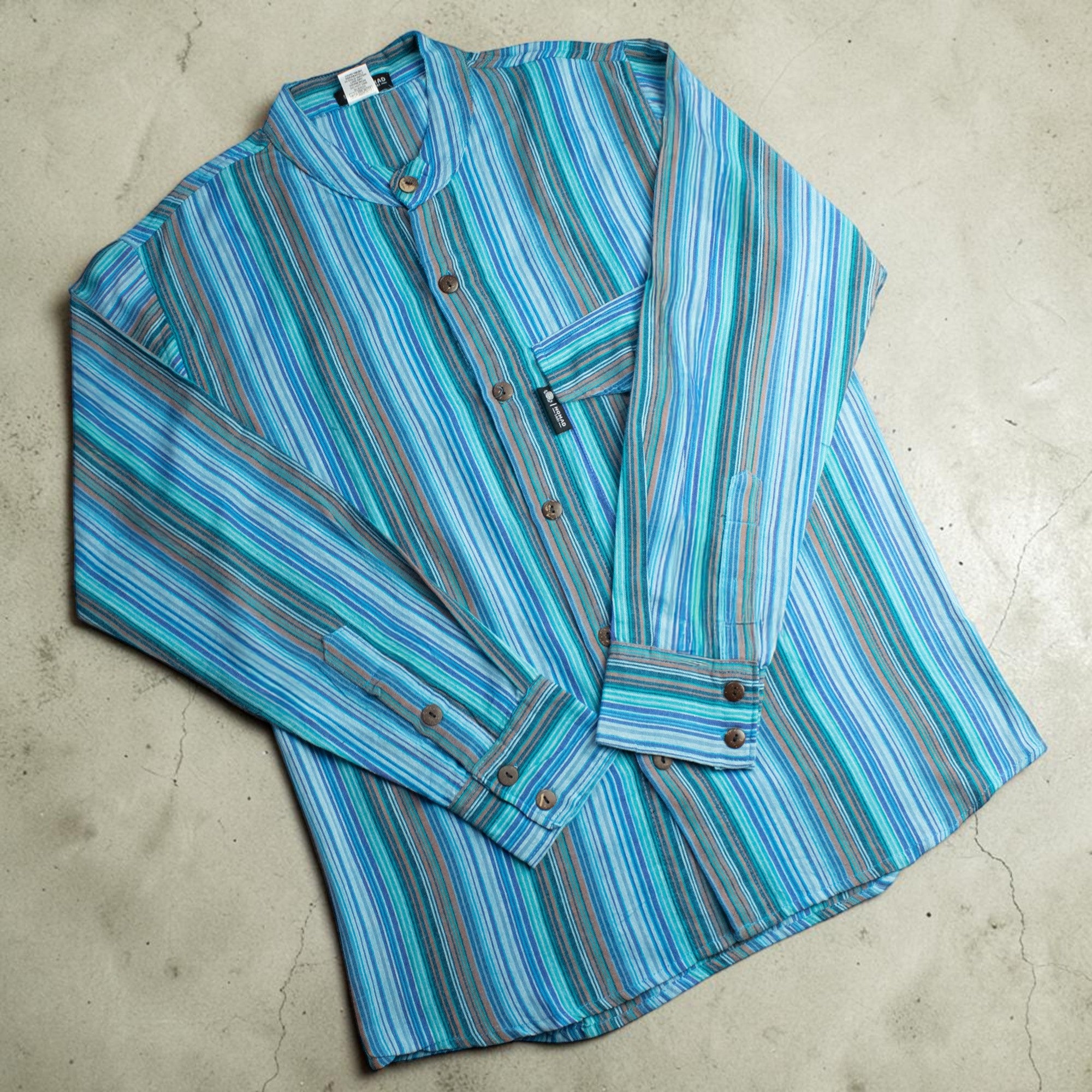
A basic T-shirt costs at high-street chains but lasts perhaps twenty washes before obvious degradation; SHAMTAM equivalents cost but last two hundred washes with minimal deterioration. The cost-per-wear calculus heavily favors quality across 20 wears equals 40 pence per wear; across 200 wears equals 20 pence per wear. When accounting for replacement cost and environmental impact of disposal, quality clothing becomes the economical choice despite higher upfront pricing. Most people don’t calculate this; they feel sticker shock at the register and move on, unaware they’re committing to replacement cycles every six months.
This calculation only accounts for tangible factors. Psychological benefits of wearing clothes that feel good, fit properly and maintain appearance over time shouldn’t be overlooked. Confidence in one’s wardrobe, knowing every piece will work reliably, produces subtle daily improvements in mood and self-presentation that justify investment beyond mathematical analysis. SHAMTAM
Sustainable Fashion Without Guilt
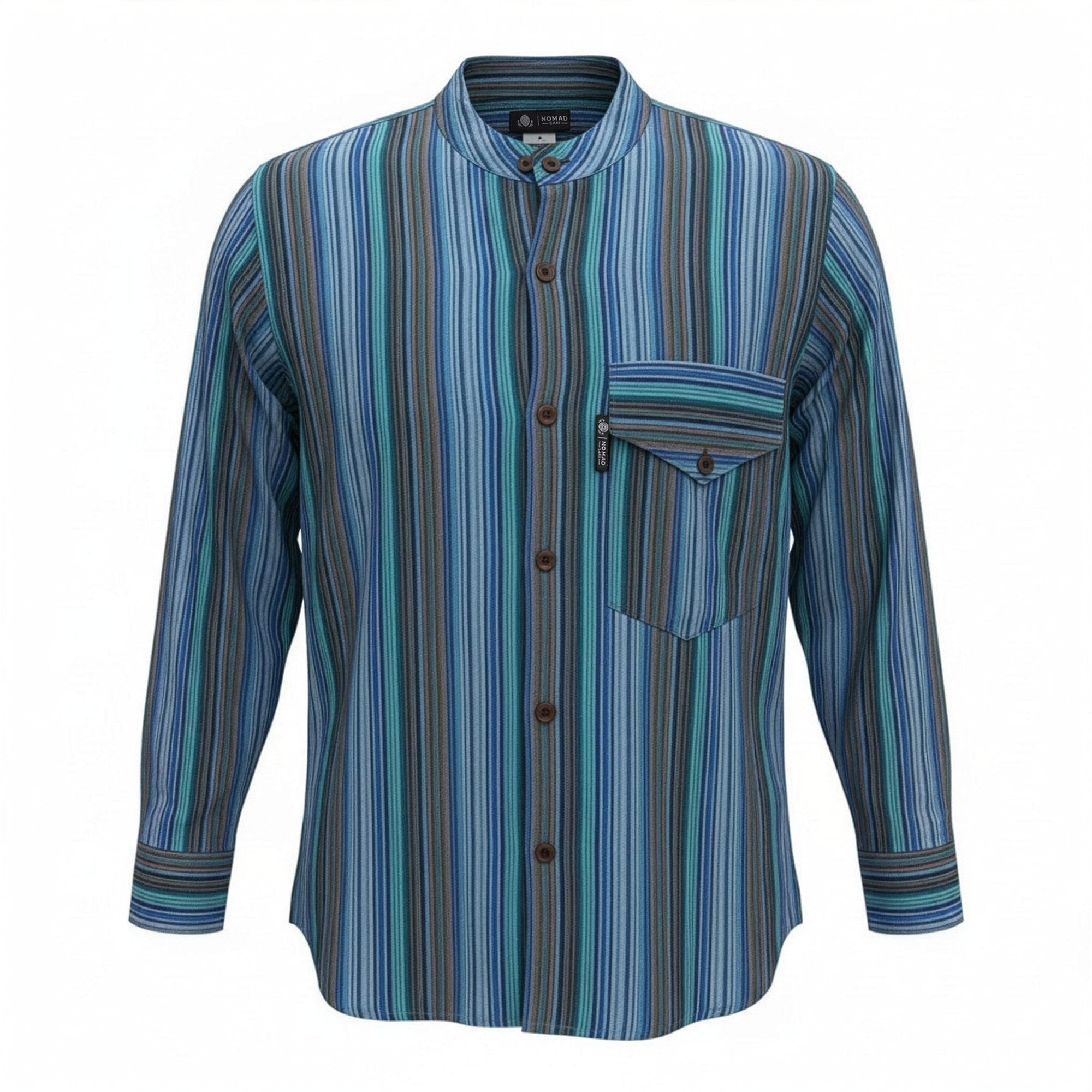
Sustainable fashion often implies limiting yourself to neutral capsules, rejecting personal expression or accepting inferior aesthetics for environmental virtue. This brand rejects this false constraint, proving that quality design, environmental responsibility and aesthetic satisfaction coexist. Thoughtfully designed pieces in coherent palettes allow self-expression while eliminating the waste inherent in trend-chasing.
The psychological shift from acquisition-focused fashion (constantly seeking the next trend) to curation-focused style (developing pieces that reflect actual preferences) improves wellbeing. SHAMTAM facilitates this shift by offering pieces worth keeping long-term. Fashion becomes less about external validation and more about personal coherence, a subtle change with profound impacts on self-image and decision fatigue.
Building a Sustainable Wardrobe Strategy
Effective wardrobing means understanding personal coloring, body proportions, lifestyle requirements and aesthetic preferences, information that guides every purchase. The coherent design philosophy makes this strategy accessible; adding quality pieces to existing wardrobes works naturally rather than creating clash. Most people own far too many clothes that fit poorly or don’t coordinate; building thoughtfully from quality basics produces more functional results than accumulating trend pieces.
The confidence that comes with knowing your clothes were produced ethically, manufactured well and designed thoughtfully carries psychological weight that fast fashion never achieves. Pieces reflect this commitment. Wearing something you genuinely trust, that flatters you reliably, that won’t embarrass you through poor performance these daily affirmations accumulate into genuine wellbeing gains that justify premium investment.
Fashion represents daily choice and self-presentation. Choosing thoughtfully designed, sustainably produced, well-crafted pieces means aligning daily practice with values, creating coherence between belief and behavior that transforms how you experience getting dressed each morning.